




Introduction
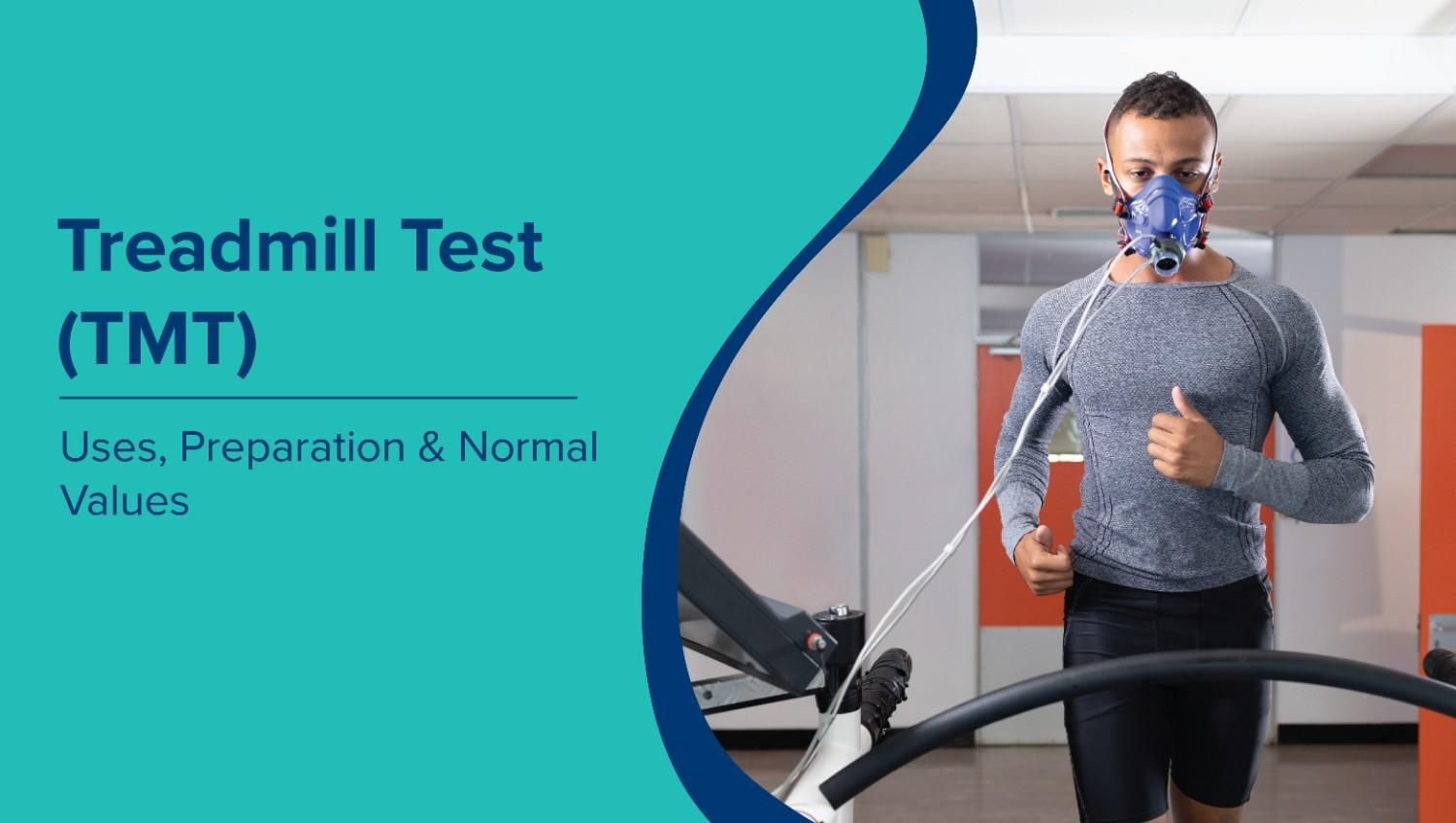
The Treadmill Test (TMT), also known as an Exercise Stress Test is a widely used diagnostic procedure to examine the heart performance during physical activity to help doctors detect underlying heart problems Commonly done to examine coronary artery disease (CAD), evaluate exercise tolerance, and monitoring heart health in people with known cardiac conditions.
In this blog, we explain the uses of the treadmill test, how to prepare for it, the procedure, normal values, and how to interpret results.
What is Treadmill Test?
A Treadmill Test (TMT) uses a treadmill that records your heart's electrical activity (ECG), heart rate, and blood pressure while you walk or run. The speed and incline of the treadmill are gradually increased according to a standard protocol to stress the heart, which then provides a complete assessment of the overall heart health provide a complete report of the human heart health.
What Are The Purpose Of Treadmill Test?
Diagnosis of Heart Condition: This test is used to detect underlying cardiac conditions such as coronary artery disease (CAD) that may not be evident when the body is at rest.
Examination of Coronary Blood Flow: To check whether the heart muscle receives adequate blood and oxygen during physical exertion.
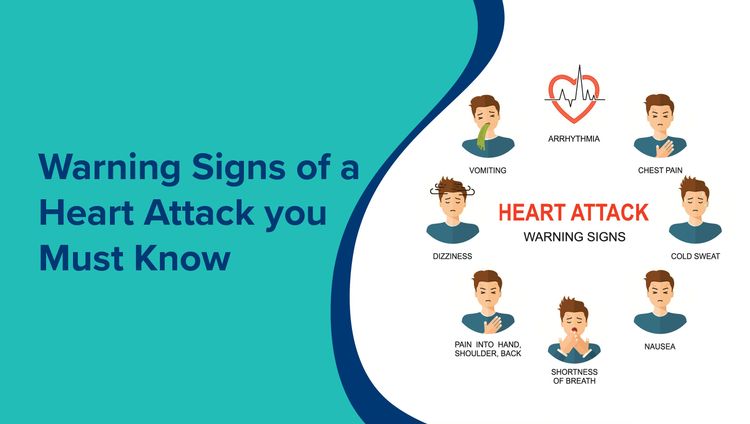
To examine symptoms: Helps analyze if symptoms like chest pain, palpitations, dizziness, or shortness of breath are related to heart function.
To examine Heart rhythms: Monitors the heart for exercise-induced arrhythmias or abnormal electrical activity.
Monitoring Cardiac Treatment: To evaluate the treatment effectiveness, such as angioplasty, bypass surgery, and ongoing cardiac medications.
Assessment of Functional Capacity: Determines how efficiently the heart pumps blood and establishes a safe level of physical activity, often before starting an exercise or rehabilitation program.
Risk characterization: Helps assess future cardiovascular risk in patients with known or suspected heart disease.
Who Should Get a Treadmill Test?
A TMT may be advised under the following conditions
- If a person is having chest pain or discomfort
- Symptoms like shortness of breath
- If you became fatigued with minimal activity
- Risk factors like diabetes, high blood pressure, high cholesterol, obesity, or smoking
- Family history of heart disease
How To Prepare for the Treadmill Test?
Clothing: Wear comfortable clothes and walking or running shoes for better testing.
Food: Avoid heavy meals 2–3 hours before the test. Light snacks are usually allowed.
Medications: Inform your doctor if you are on any medications. You may be required to stop some medication temporarily, but only if advised by your doctor.
Note: Following these TMT test preparation guidelines helps ensure proper performance and accurate results. Your healthcare provider can give personalized advice based on your medical history and overall health.
Treadmill Test Procedure: Step by Step
1. Initial Examination
This includes the examination of your medical history, current symptoms, and exercise habits to understand your baseline health and determine a safe level of exertion. A brief physical examination is performed, including checks of vital signs such as blood pressure and pulse, along with listening to the heart and lungs to ensure you are fit for the test.
2. Baseline Measurements & Electrode Placement
Electrodes, small adhesive patches, are attached to your chest (and sometimes your arms or legs). These record the heart's electrical activity via an electrocardiogram (ECG).
Before exercise begins, resting heart rate, blood pressure, and baseline ECG readings are recorded. A blood pressure cuff is applied to monitor readings throughout the test.
3. Exercise Phase
The test begins with a slow, comfortable pace on a treadmill with a low incline. To increase exercise intensity, the speed and incline are gradually increased at predetermined intervals to elevate your heart rate to a target level based on your age, fitness level, and medical condition.
Exercise is continued until this target is reached or until you develop symptoms such as chest pain, shortness of breath, dizziness, fatigue, or abnormal blood pressure.
4. Continuous Body Monitoring
During the test, your heart rate, blood pressure, ECG readings, and symptoms are closely monitored. If any significant abnormalities are discovered or if you experience any unusual symptoms, the test is immediately stopped for safety.
5. Test Termination & Recovery Phase
Once the exercise phase is complete, the treadmill speed and incline are gradually reduced to allow for a safe cool-down. During recovery, your heart rate, blood pressure, breathing, and ECG will be monitored until they return to near-normal values.
6. Post-Test Evaluation
Following the test, the doctor will carefully examine your exercise performance, ECG changes, blood pressure response, and symptoms. Any abnormal findings are discussed, and additional tests or treatment may be recommended as needed.
What Treadmill Test Results Mean
Below are the outcomes that can be analyzed based on the doctor's examination and findings
Normal Results: This suggests that the heart functions well during exercise, making significant coronary artery disease unlikely. No further tests are usually needed unless symptoms continue to occur.
Normal Results with Symptoms: If symptoms like chest pain or breathlessness continue despite normal results, additional tests may be recommended based on the doctor's recommendation.
Abnormal Results: Abnormal findings suggest reduced blood flow to the heart. Further tests and treatment, including medications or procedures, may be advised.
Risks and Complications
Chest Pain: During Exercise, the test may trigger chest discomfort, especially in people with existing heart conditions.
Fainting or Dizziness: In some cases, prolonged physical activity can temporarily lower blood pressure, leading to dizziness or fainting.
Irregular Heartbeat (Arrhythmia): Stress may lead to an irregular heartbeat, which usually settles once the test is completed.
Heart Attack (Rare): Though very rare, the physical stress during the test may trigger a heart attack. For safety, the test is always performed under medical supervision with emergency care readily available.
Conclusion
The Treadmill Test (TMT) is a crucial diagnostic procedure for heart health. It effectively detects coronary artery disease, evaluates exercise tolerance, and offers vital information on how the heart responds to stress. When combined with thorough preparation and analysis, the TMT provides significant health insights for individuals experiencing symptoms such as chest pain or shortness of breath, or those with several heart risk factors.
Always consult your doctor to understand whether a TMT is appropriate for you and how to interpret your results correctly



 Call: 9240299624

