


Hi Guest Login
Best Motor Speech Therapist Near me in Delhi
Expert Motor Speech Therapist Backed by Clinical Experience and Proven Patient Outcomes

10% Discount on Home Therapy Sessions
* T&C apply
10% Discount on Home Therapy Sessions
* T&C apply
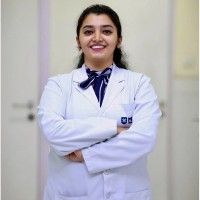
Dr. Divya Rana (SLP)
Speech Language Pathologist
Speech Language Pathologist
Experience: 8+ Years
Gender: Female
Location: Delhi
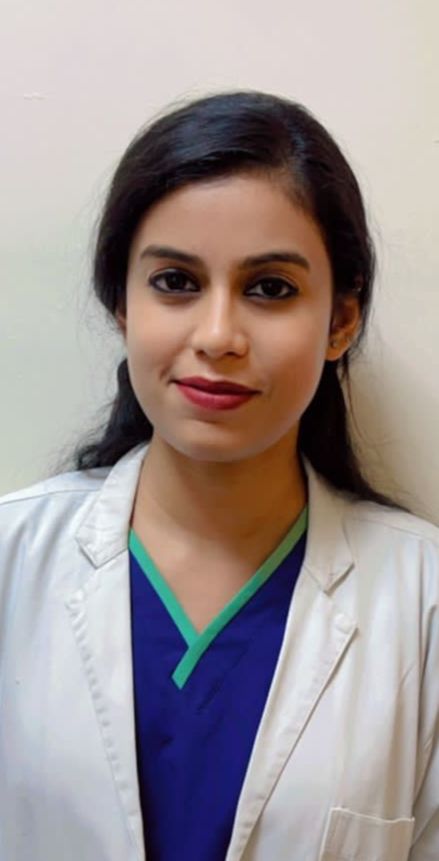
Dr. Nitika Bahuguna (SLP)
Speech Language Pathologist
Speech Language Pathologist
Experience: 8+ Years
Gender: Female
Location: Delhi
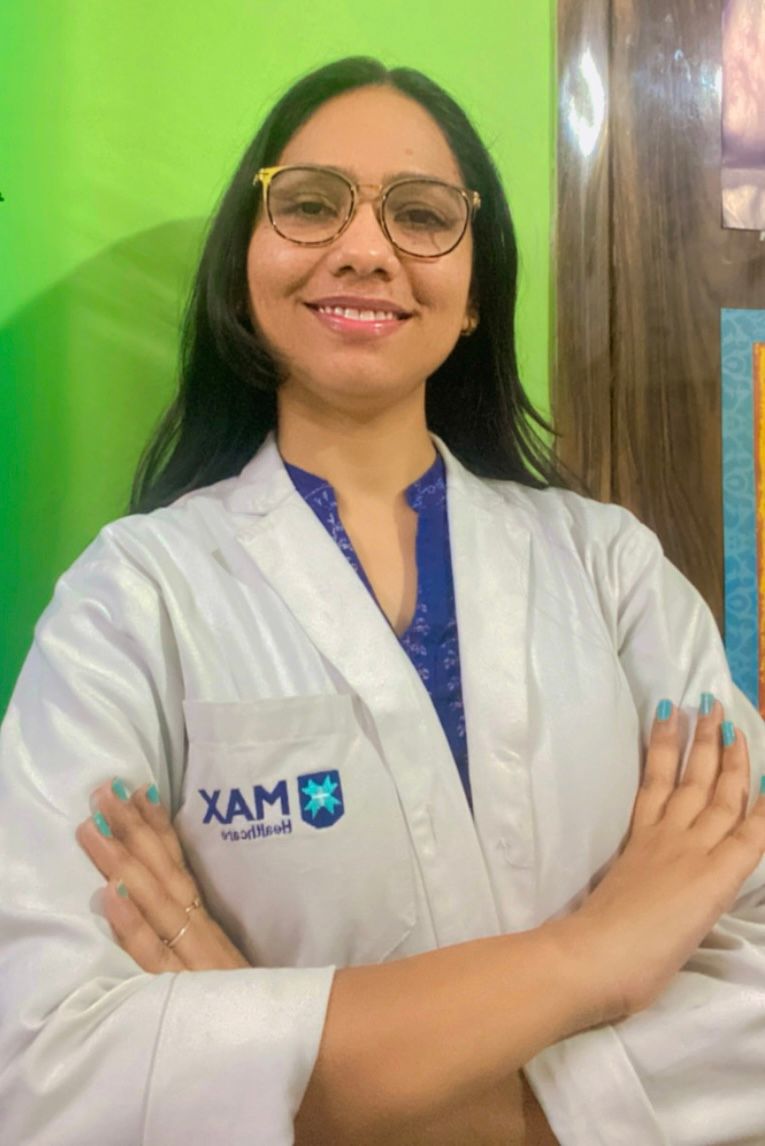
Dr Arti Chaturvedi (ASLP)
Speech Language Pathologist and Dysphagia Therapist
Physiotherapy and Rehabilitation
Experience: 5+ years
Gender: Female
Location: Delhi, Noida, Gurgaon, Faridabad, Greater Noida, Ghaziabad
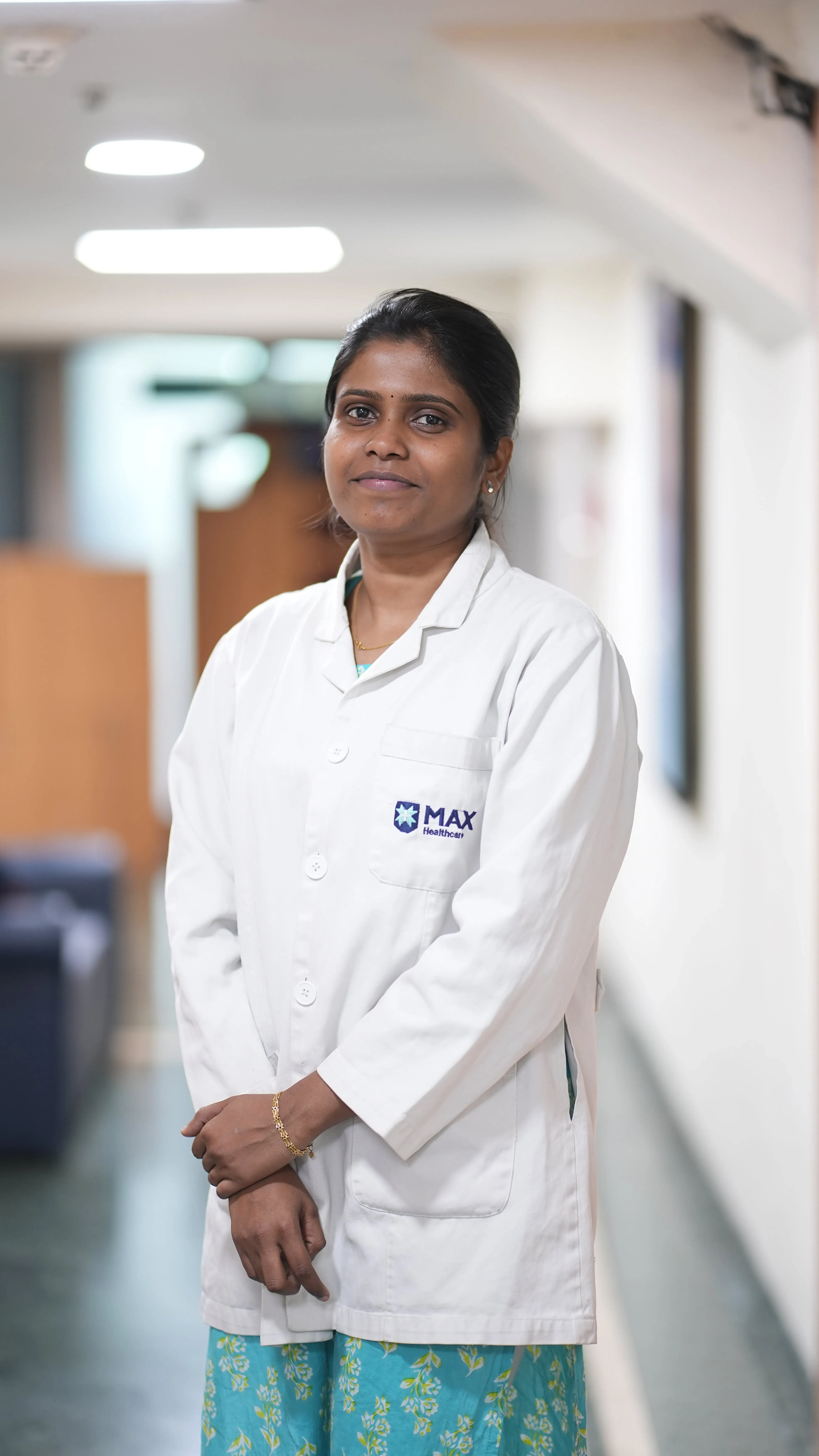
Dr. Amulya
Speech and language pathologist
Experience: 3+ years
Gender: Female
Location: Delhi, Noida, Gurgaon, Faridabad, Greater Noida, Ghaziabad
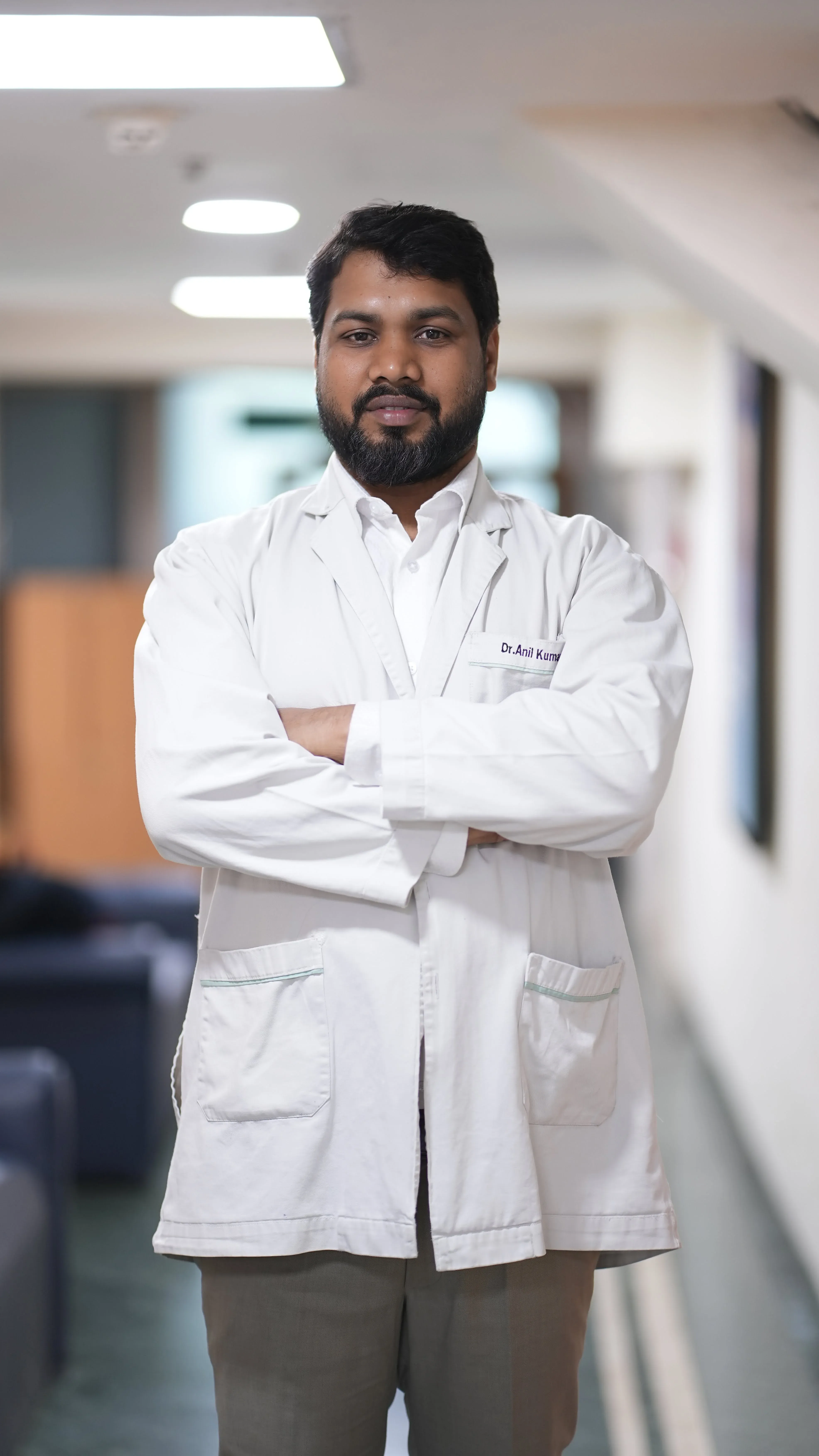
Dr. Anil Kumar
Senior Speech and Dysphagia pathologist
Experience: 12+ years
Gender: Male
Location: Delhi, Noida, Gurgaon, Faridabad, Greater Noida, Ghaziabad

Dr. Bhawna Yadav
Speech Therapist
Physiotherapy & Rehabilitation
Experience: 11+ Years of Experience
Gender: Female
Location: Delhi
Dr. SURBHI RAHEJA
Speech Therapist
Speech Therapy
Experience: 2+ Years
Gender: Female
Location: Delhi
Dr. Arena Varan Mathur
Speech Language Pathologist
Experience: 1+ Years of Experience
Gender: Female
Location: Delhi
Dr. Garima Dadwal
Speech Therapist
Speech Therapy
Experience: 1+ Years
Gender: Female
Location: Delhi
What is Dysarthria (Motor Speech Disorder)?
Dysarthria is a neurological speech disorder caused by impaired control of the muscles responsible for speaking. These include the lips, tongue, jaw, vocal cords, and respiratory muscles. When the brain or nerves that control these muscles are affected, speech may become slurred, slow, nasal, strained, or difficult to understand.
Common dysarthria symptoms include:
-
Slurred or imprecise speech sounds
-
Reduced speech volume or monotone voice
-
Changes in speech rate or rhythm
-
Breathiness or harsh voice quality
-
Difficulty controlling saliva
Dysarthria can be temporary, transient, or non-progressive, or it may worsen over time depending on the underlying cause. Sudden-onset dysarthria often requires urgent medical evaluation, particularly when associated with stroke or neurological injury. Dysarthria is classified clinically using diagnostic frameworks such as the dysarthria ICD 10 codes, which help guide assessment and treatment planning.
What Does a Motor Speech Therapist at MAX@Home Do for Dysarthria?
Motor speech therapists specialise in the assessment and treatment of speech disorders caused by muscle and nerve impairment. Dysarthria speech therapy focuses on improving clarity, efficiency, and reliability of speech through targeted exercises and functional strategies.
Role of a Motor Speech Therapist in Dysarthria Treatment
The motor speech therapists begin with a detailed clinical assessment, which may include standardised tools such as a dysarthria test or the Frenchay Dysarthria Test. This helps identify the type, severity, and functional impact of the disorder. Key aspects of the therapist’s role include:
-
Assessment of speech muscles, breath control, articulation, and voice
-
Identifying severity levels such as mild, moderate, or severe dysarthria
-
Understanding daily communication challenges at home, work, or school
-
Creating individualised therapy goals aligned with real-life needs
Therapy plans may incorporate oral motor therapy, pacing techniques, and compensatory strategies depending on the diagnosis.
How Motor Speech Therapy Improves Slurred Speech
Motor Speech Therapy targets the underlying motor processes involved in speech production rather than focusing on isolated sounds or words. The emphasis is on how speech muscles are activated, sequenced, and coordinated during speaking tasks.
Therapeutic focus areas include:
-
Facilitating accurate movement patterns of the lips, tongue, jaw, and soft palate
-
Addressing the timing and coordination of speech movements across syllables and phrases
-
Regulating speech rate using structured pacing techniques when required
-
Supporting motor planning and consistency of speech output through repetitive, task-based practice
These interventions are selected based on the individual’s dysarthria type and motor profile, forming the foundation for functional communication work addressed later in therapy.
Who Needs a Motor Speech Therapist for Dysarthria?
Dysarthria can affect individuals across all age groups and medical backgrounds. Support from a motor speech therapist may be recommended when speech difficulties interfere with daily communication, social interaction, or participation in work or school. Individuals who may benefit from motor speech therapy include:
-
Adults with Slurred or Unclear Speech: Adults experiencing persistent slurred speech treatment needs may benefit from professional therapy, particularly when speech changes are not improving on their own.
-
Individuals with Sudden Dysarthria After Stroke: Dysarthria caused by stroke often presents suddenly and may be associated with facial weakness or reduced speech control. Early intervention supports recovery and adaptation.
-
Patients with Nerve Damage Affecting Speech: Dysarthria nerve damage may occur due to trauma, surgery, or neurological conditions, affecting speech precision and strength.
-
People with Progressive or Non-Progressive Dysarthria: Conditions such as ALS or non-progressive dysarthria following brain injury require tailored therapy approaches that adapt over time.
-
Children with Childhood Dysarthria: Childhood dysarthria affects speech development and intelligibility during critical learning years. It may co-occur with developmental speech delay or other neurological speech disorders. Early speech intervention is essential to support clearer speech patterns, classroom participation, and social confidence. Our therapists apply principles used in paediatric speech therapy in Delhi, adapting motor speech techniques to suit a child’s developmental stage and communication environment.
-
Individuals Struggling with Speech Clarity Despite Medication: Dysarthria caused by medication or neurological side effects may not resolve fully with medical management alone, and often benefits from speech therapy.
Medical Conditions That Commonly Require Dysarthria Speech Therapy
Dysarthria speech therapy is recommended when neurological or neuromuscular conditions affect the muscles involved in speech clarity and control. These conditions may impact articulation, voice strength, and speech coordination in both adults and children. Common conditions include:
-
Stroke and other neurological injuries
-
ALS and other neurodegenerative disorders
-
Guillain-Barré syndrome
-
Nerve or muscle weakness following trauma or surgery
-
Dysarthria caused by medication-related side effects
-
Childhood dysarthria affecting speech development and intelligibility
Benefits of Motor Speech Therapy for Dysarthria
Consistent therapy with a trained motor speech therapist can support meaningful improvements in communication. Common benefits include:
-
Improved Speech Clarity and Intelligibility: Therapy focuses on making speech more understandable to listeners across different environments.
-
Better Control of Speech Rate, Rhythm, and Volume: Techniques help manage fast or irregular speech patterns, supporting clearer expression.
-
Enhanced Breath Support and Voice Quality: Improving respiratory control contributes to stronger, more stable speech output.
-
Functional Communication in Daily Activities: Therapy goals are linked to practical situations such as phone calls, social interaction, or classroom participation.
-
Individualised Therapy Based on Dysarthria Type and Severity: Approaches are adjusted for mild dysarthria symptoms, mixed presentations, or progressive conditions.
Dysarthria Conditions Treated by Our Motor Speech Therapists at MAX@Home
Our motor speech therapists manage a wide range of dysarthria types using evidence-based clinical approaches. These include:
Ataxic and Cerebellar Dysarthria
These conditions are typically linked to cerebellar involvement and coordination difficulties.
Common presentations include:
-
Ataxic dysarthria
-
Cerebellar dysarthria
-
Ataxic dysarthria speech, characterised by scanning or irregular rhythm
Therapy for ataxic dysarthria focuses on rate control, coordination, and speech timing.
Spastic and Upper Motor Neuron Dysarthria
Spastic patterns result from damage to upper motor neurons. Conditions treated include:
-
Spastic dysarthria
-
Unilateral upper motor neuron dysarthria
-
Progressive spastic dysarthria
Unilateral upper motor neuron dysarthria treatment targets clarity, reduced strain, and improved articulation.
Flaccid, Mixed, and Hyperkinetic Dysarthria
These forms involve lower motor neuron damage or abnormal involuntary movements. Our therapists support individuals with:
-
Flaccid dysarthria
-
Mixed spastic flaccid dysarthria
-
Hyperkinetic dysarthria and hyperkinetic dysarthria cause related symptoms
Mixed flaccid spastic dysarthria and related conditions require carefully balanced therapy plans.
Why Choose MAX@Home Motor Speech Therapists for Dysarthria in Delhi?
MAX@Home offers specialised dysarthria speech therapy designed around patient comfort, clinical accuracy, and functional outcomes. Key reasons families trust our services include:
-
Experienced motor speech therapists specialised in dysarthria management
-
Evidence-based therapy aligned with recognised clinical standards
-
Personalised, goal-oriented speech therapy delivered at home
-
Trusted speech therapy services in Delhi with coordinated care support
Book a Motor Speech Therapy Session at Home
Booking a session with a motor speech therapist is simple and convenient. Appointments can be scheduled through the MAX@Home website or by calling 09240299624. Our care team will guide you through the process and help match you with the right therapist based on your needs.
Frequently Asked Questions
Is dysarthria permanent?
Dysarthria is not always permanent. The long-term outlook depends on its underlying cause. Dysarthria related to medication effects, infections, or acute neurological events may be temporary or transient. In contrast, dysarthria associated with progressive neurological conditions may require ongoing management rather than complete resolution.
Can dysarthria be cured with speech therapy?
Dysarthria speech therapy does not guarantee a cure. Instead, motor speech therapy focuses on improving speech clarity, control, and functional communication. Therapy helps individuals use their speech muscles more effectively and develop strategies to communicate clearly in daily life.
How long does motor speech therapy take?
The duration of motor speech therapy varies depending on the type and severity of dysarthria, as well as whether the condition is progressive or non-progressive. Some individuals benefit from short-term therapy, while others may require longer-term or periodic support to maintain speech function.
Can slurred speech improve after a stroke?
Yes, slurred speech treatment after a stroke can be effective. With early intervention and consistent motor speech therapy, many individuals experience improvements in speech clarity and control. Recovery depends on the extent of neurological injury and the overall rehabilitation plan.
Do children with dysarthria recover fully?
Children with dysarthria can make meaningful progress with early speech intervention and structured childhood dysarthria treatment. Some children achieve near-typical speech, while others may continue therapy as communication and academic demands increase. Therapy focuses on long-term functional communication rather than short-term correction.
How can I access motor speech therapy for dysarthria in Delhi?
MAX@Home provides Motor Speech Therapy in Delhi through personalised, home-based sessions delivered by trained motor speech therapists. Appointments can be booked via the MAX@Home website or by calling 09240299624, allowing individuals and families to receive care in a familiar and comfortable environment.
Best Articulation & Phonology Therapist in Top Cities
Best Articulation & Phonology Therapist in Mumbai
|
Best Articulation & Phonology Therapist in Dehradun
|
Best Articulation & Phonology Therapist in Delhi
|
Best Articulation & Phonology Therapist in Ghaziabad
|
Best Articulation & Phonology Therapist in Greater Noida
|
Best Articulation & Phonology Therapist in Faridabad
|
Best Articulation & Phonology Therapist in Gurgaon
|
Best Articulation & Phonology Therapist in Noida
Best Neuro-Speech Therapist in Top Cities
Best Neuro-Speech Therapist in Mumbai
|
Best Neuro-Speech Therapist in Dehradun
|
Best Neuro-Speech Therapist in Delhi
|
Best Neuro-Speech Therapist in Ghaziabad
|
Best Neuro-Speech Therapist in Greater Noida
|
Best Neuro-Speech Therapist in Faridabad
|
Best Neuro-Speech Therapist in Gurgaon
|
Best Neuro-Speech Therapist in Noida
Best Motor Speech Therapist in Top Cities
Best Motor Speech Therapist in Mumbai
|
Best Motor Speech Therapist in Dehradun
|
Best Motor Speech Therapist in Delhi
|
Best Motor Speech Therapist in Ghaziabad
|
Best Motor Speech Therapist in Greater Noida
|
Best Motor Speech Therapist in Faridabad
|
Best Motor Speech Therapist in Gurgaon
|
Best Motor Speech Therapist in Noida
Best Auditory Verbal Therapist in Top Cities
Best Auditory Verbal Therapist in Mumbai
|
Best Auditory Verbal Therapist in Dehradun
|
Best Auditory Verbal Therapist in Delhi
|
Best Auditory Verbal Therapist in Ghaziabad
|
Best Auditory Verbal Therapist in Greater Noida
|
Best Auditory Verbal Therapist in Faridabad
|
Best Auditory Verbal Therapist in Gurgaon
|
Best Auditory Verbal Therapist in Noida
Best Language Learning Specialist in Top Cities
Best Language Learning Specialist in Mumbai
|
Best Language Learning Specialist in Dehradun
|
Best Language Learning Specialist in Delhi
|
Best Language Learning Specialist in Ghaziabad
|
Best Language Learning Specialist in Greater Noida
|
Best Language Learning Specialist in Faridabad
|
Best Language Learning Specialist in Gurgaon
|
Best Language Learning Specialist in Noida
Best Adult Stammering Specialist in Top Cities
Best Adult Stammering Specialist in Mumbai
|
Best Adult Stammering Specialist in Dehradun
|
Best Adult Stammering Specialist in Delhi
|
Best Adult Stammering Specialist in Ghaziabad
|
Best Adult Stammering Specialist in Greater Noida
|
Best Adult Stammering Specialist in Faridabad
|
Best Adult Stammering Specialist in Gurgaon
|
Best Adult Stammering Specialist in Noida
Best Augmentative Communication Specialist in Top Cities
Best Augmentative Communication Specialist in Mumbai
|
Best Augmentative Communication Specialist in Dehradun
|
Best Augmentative Communication Specialist in Delhi
|
Best Augmentative Communication Specialist in Ghaziabad
|
Best Augmentative Communication Specialist in Greater Noida
|
Best Augmentative Communication Specialist in Faridabad
|
Best Augmentative Communication Specialist in Gurgaon
|
Best Augmentative Communication Specialist in Noida
Best Autism Communication Specialist in Top Cities
Best Autism Communication Specialist in Mumbai
|
Best Autism Communication Specialist in Dehradun
|
Best Autism Communication Specialist in Delhi
|
Best Autism Communication Specialist in Ghaziabad
|
Best Autism Communication Specialist in Greater Noida
|
Best Autism Communication Specialist in Faridabad
|
Best Autism Communication Specialist in Gurgaon
|
Best Autism Communication Specialist in Noida
Best Fluency & Stammering Specialist in Top Cities
Best Fluency & Stammering Specialist in Mumbai
|
Best Fluency & Stammering Specialist in Dehradun
|
Best Fluency & Stammering Specialist in Delhi
|
Best Fluency & Stammering Specialist in Ghaziabad
|
Best Fluency & Stammering Specialist in Greater Noida
|
Best Fluency & Stammering Specialist in Faridabad
|
Best Fluency & Stammering Specialist in Gurgaon
|
Best Fluency & Stammering Specialist in Noida
Best Cochlear Implant Rehab Specialist in Top Cities
Best Cochlear Implant Rehab Specialist in Mumbai
|
Best Cochlear Implant Rehab Specialist in Dehradun
|
Best Cochlear Implant Rehab Specialist in Delhi
|
Best Cochlear Implant Rehab Specialist in Ghaziabad
|
Best Cochlear Implant Rehab Specialist in Greater Noida
|
Best Cochlear Implant Rehab Specialist in Faridabad
|
Best Cochlear Implant Rehab Specialist in Gurgaon
|
Best Cochlear Implant Rehab Specialist in Noida
Best Parkinson’s Voice Specialist in Top Cities
Best Parkinson's Voice Specialist in Mumbai
|
Best Parkinson's Voice Specialist in Dehradun
|
Best Parkinson's Voice Specialist in Delhi
|
Best Parkinson's Voice Specialist in Ghaziabad
|
Best Parkinson's Voice Specialist in Greater Noida
|
Best Parkinson's Voice Specialist in Faridabad
|
Best Parkinson's Voice Specialist in Gurgaon
|
Best Parkinson's Voice Specialist in Noida
Best Childhood Apraxia (CAS) Expert in Top Cities
Best Cognitive Communication Specialist in Top Cities
Best Cognitive Communication Specialist in Mumbai
|
Best Cognitive Communication Specialist in Dehradun
|
Best Cognitive Communication Specialist in Delhi
|
Best Cognitive Communication Specialist in Ghaziabad
|
Best Cognitive Communication Specialist in Greater Noida
|
Best Cognitive Communication Specialist in Faridabad
|
Best Cognitive Communication Specialist in Gurgaon
|
Best Cognitive Communication Specialist in Noida
Best Aphasia Recovery Specialist in Top Cities
Best Aphasia Recovery Specialist in Mumbai
|
Best Aphasia Recovery Specialist in Dehradun
|
Best Aphasia Recovery Specialist in Delhi
|
Best Aphasia Recovery Specialist in Ghaziabad
|
Best Aphasia Recovery Specialist in Greater Noida
|
Best Aphasia Recovery Specialist in Faridabad
|
Best Aphasia Recovery Specialist in Gurgaon
|
Best Aphasia Recovery Specialist in Noida
Best Puberphonia (High Pitch) Specialist in Top Cities
Best Puberphonia (High Pitch) Specialist in Mumbai
|
Best Puberphonia (High Pitch) Specialist in Dehradun
|
Best Puberphonia (High Pitch) Specialist in Delhi
|
Best Puberphonia (High Pitch) Specialist in Ghaziabad
|
Best Puberphonia (High Pitch) Specialist in Greater Noida
|
Best Puberphonia (High Pitch) Specialist in Faridabad
|
Best Puberphonia (High Pitch) Specialist in Gurgaon
|
Best Puberphonia (High Pitch) Specialist in Noida
Best Paediatric Speech-Language Pathologist in Top Cities
Best Paediatric Speech-Language Pathologist in Mumbai
|
Best Paediatric Speech-Language Pathologist in Dehradun
|
Best Paediatric Speech-Language Pathologist in Delhi
|
Best Paediatric Speech-Language Pathologist in Ghaziabad
|
Best Paediatric Speech-Language Pathologist in Greater Noida
|
Best Paediatric Speech-Language Pathologist in Faridabad
|
Best Paediatric Speech-Language Pathologist in Gurgaon
|
Best Paediatric Speech-Language Pathologist in Noida
Best Speech Therapist in Top Cities
Best Parkinson’s Movement Physiotherapist in Top Cities
Best Parkinson’s Movement Physiotherapist in Mumbai
|
Best Parkinson’s Movement Physiotherapist in Dehradun
|
Best Parkinson’s Movement Physiotherapist in Delhi
|
Best Parkinson’s Movement Physiotherapist in Ghaziabad
|
Best Parkinson’s Movement Physiotherapist in Greater Noida
|
Best Parkinson’s Movement Physiotherapist in Faridabad
|
Best Parkinson’s Movement Physiotherapist in Gurgaon
|
Best Parkinson’s Movement Physiotherapist in Noida
Best Child Development Specialist in Top Cities
Best Child Development Specialist in Mumbai
|
Best Child Development Specialist in Dehradun
|
Best Child Development Specialist in Delhi
|
Best Child Development Specialist in Ghaziabad
|
Best Child Development Specialist in Greater Noida
|
Best Child Development Specialist in Faridabad
|
Best Child Development Specialist in Gurgaon
|
Best Child Development Specialist in Noida
Best Neuro Physiotherapist in Top Cities
Best Neuro physiotherapist in Mumbai
|
Best Neuro physiotherapist in Dehradun
|
Best Neuro physiotherapist in Delhi
|
Best Neuro physiotherapist in Ghaziabad
|
Best Neuro physiotherapist in Greater Noida
|
Best Neuro physiotherapist in Faridabad
|
Best Neuro physiotherapist in Gurgaon
|
Best Neuro physiotherapist in Noida
Best Cerebral Palsy Specialist in Top Cities
Best Cerebral Palsy Specialist in Mumbai
|
Best Cerebral Palsy Specialist in Dehradun
|
Best Cerebral Palsy Specialist in Delhi
|
Best Cerebral Palsy Specialist in Ghaziabad
|
Best Cerebral Palsy Specialist in Greater Noida
|
Best Cerebral Palsy Specialist in Faridabad
|
Best Cerebral Palsy Specialist in Gurgaon
|
Best Cerebral Palsy Specialist in Noida
Best Manual Therapist in Top Cities
Best Lymphedema Therapist in Top Cities
Best Lymphedema Therapist in Mumbai
|
Best Lymphedema Therapist in Dehradun
|
Best Lymphedema Therapist in Delhi
|
Best Lymphedema Therapist in Ghaziabad
|
Best Lymphedema Therapist in Greater Noida
|
Best Lymphedema Therapist in Faridabad
|
Best Lymphedema Therapist in Gurgaon
|
Best Lymphedema Therapist in Noida
Best Occupational Therapist in Top Cities
Best Occupational Therapist in Mumbai
|
Best Occupational Therapist in Dehradun
|
Best Occupational Therapist in Delhi
|
Best Occupational Therapist in Ghaziabad
|
Best Occupational Therapist in Greater Noida
|
Best Occupational Therapist in Faridabad
|
Best Occupational Therapist in Gurgaon
|
Best Occupational Therapist in Noida
Best General Physician in Top Cities
Best Vestibular Rehab Physiotherapist in Top Cities
Best Vestibular Rehab Physiotherapist in Mumbai
|
Best Vestibular Rehab Physiotherapist in Dehradun
|
Best Vestibular Rehab Physiotherapist in Delhi
|
Best Vestibular Rehab Physiotherapist in Ghaziabad
|
Best Vestibular Rehab Physiotherapist in Greater Noida
|
Best Vestibular Rehab Physiotherapist in Faridabad
|
Best Vestibular Rehab Physiotherapist in Gurgaon
|
Best Vestibular Rehab Physiotherapist in Noida
Popular Tests in Delhi
Dengue NS 1 Antigen Test (Elisa) in Delhi
|
MP (Malarial Parasite) Test in Delhi
|
Thyroid Profile Free (T3, T4 & TSH) Test in Delhi
|
Widal Test (Tube Method) in Delhi
|
Max Fever Profile Basic in Delhi
|
Vitamin B Complex Profile (M) Test in Delhi
|
CBC (Complete Blood Count),EDTA in Delhi
|
KFT (Kidney Function Test) Profile with Calcium Uric Acid in Delhi
|
Liver Function Test (LFT) in Delhi
|
Urine Routine and Microscopy in Delhi
|
Blood Sugar Fasting,Fluoride Plasma in Delhi
|
Glycosylated Haemoglobin (HbA1C),EDTA in Delhi
|
Urine - Culture & Sensitivity in Delhi
|
Blood Sugar 2 Hr. PP,Fluoride Plasma in Delhi
|
Lipid Profile,Serum in Delhi
|
Prothrombin Time (with INR),Citrate Plasma in Delhi
|
TSH,Serum in Delhi
|
Creatinine, Serum in Delhi
|
Vitamin D Test in Delhi
|
Vitamin B12, Serum in Delhi
|
MAU / Creatinine Ratio Urine in Delhi
|
Blood Sugar (Random), Fluoride Plasma in Delhi
|
APTT (Partial Thromboplastin Time),Citrate Plasma in Delhi
|
Blood Grouping and RH Factor in Delhi
|
Rheumatoid Factor(Quantitative), Serum in Delhi
|
Magnesium Serum in Delhi
|
Tacrolimus EDTA in Delhi
|
HCG - Beta Specific,Serum in Delhi
|
Prolactin, Serum in Delhi
|
Iron and Total Iron Binding capacity, serum in Delhi
|
ESR Test (Erythrocyte Sedimentation Rate) in Delhi
|
Max STD Panel in Delhi
|
NT-ProBNP Test in Delhi
|
Immunofluorescence Test By ANA in Delhi
|
Uric Acid, Serum in Delhi
|
Hepatitis B Surface Antigen,Serum in Delhi
Blood Tests in Top Cities
Lab Test in Gurgaon
|
Lab Test in Delhi
|
Lab Test in Dehradun
|
Lab Test in Mohali
|
Lab Test in Mumbai
|
Lab Test in Lucknow
|
Lab Test in Noida
|
Lab Test in Greater Noida
|
Lab Test in Faridabad
|
Lab Test in Ghaziabad
|
Lab Test in Nagpur
|
Lab Test in Chandigarh
|
Lab Test in Panchkula
|
Lab Test in Zirakpur
|
Lab Test in Kalyan
|
Lab Test in Thane
|
Lab Test in Mira Bhayandar
|
Lab Test in Navi Mumbai
Full Body Checkup Packages in Top Cities
Full Body Checkup in Gurgaon
|
Full Body Checkup in Delhi
|
Full Body Checkup in Dehradun
|
Full Body Checkup in Mohali
|
Full Body Checkup in Mumbai
|
Full Body Checkup in Lucknow
|
Full Body Checkup in Noida
|
Full Body Checkup in Greater Noida
|
Full Body Checkup in Faridabad
|
Full Body Checkup in Ghaziabad
|
Full Body Checkup in Nagpur
|
Full Body Checkup in Chandigarh
|
Full Body Checkup in Panchkula
|
Full Body Checkup in Zirakpur
|
Full Body Checkup in Kalyan
|
Full Body Checkup in Thane
|
Full Body Checkup in Mira Bhayandar
|
Full Body Checkup in Navi Mumbai
Other Popular Services
Covid Care Services in Delhi
|
Healthcare Attendant at Home in Delhi
|
X-RAY At Home in Delhi
|
ICU Setup At Home in Delhi
|
Physiotherapy At Home in Delhi
|
Nursing Care At Home in Delhi
|
Medical Equipment @HOME in Delhi
|
Nursing Procedure at Home in Delhi
|
MAX Lab Tests in Delhi
|
Speech Therapy at Home in Delhi
|
Japa Maid Service in Delhi
|
Sleep Study Test in Delhi
|
Holter Monitor Test in Delhi
|
Ambulatory Blood Pressure Monitoring (ABPM) in Delhi
|
ECG At Home in Delhi
|
Doctor Visit At Home in Delhi
|
Dialysis at Home in Delhi
|
Elderly Caretaker Services in Delhi
|
Arterial Blood Gas (ABG) Test in Delhi
|
Injection Service at Home in Delhi
|
Female Nurse for 12/24 Hour Homecare in Delhi
|
Voice Therapy in Delhi
|
Oncotype DX Breast Cancer Test in Delhi
|
Home Ventilator Service for Safe & Reliable Care in Delhi
|
Occupational Health Services in Delhi

