


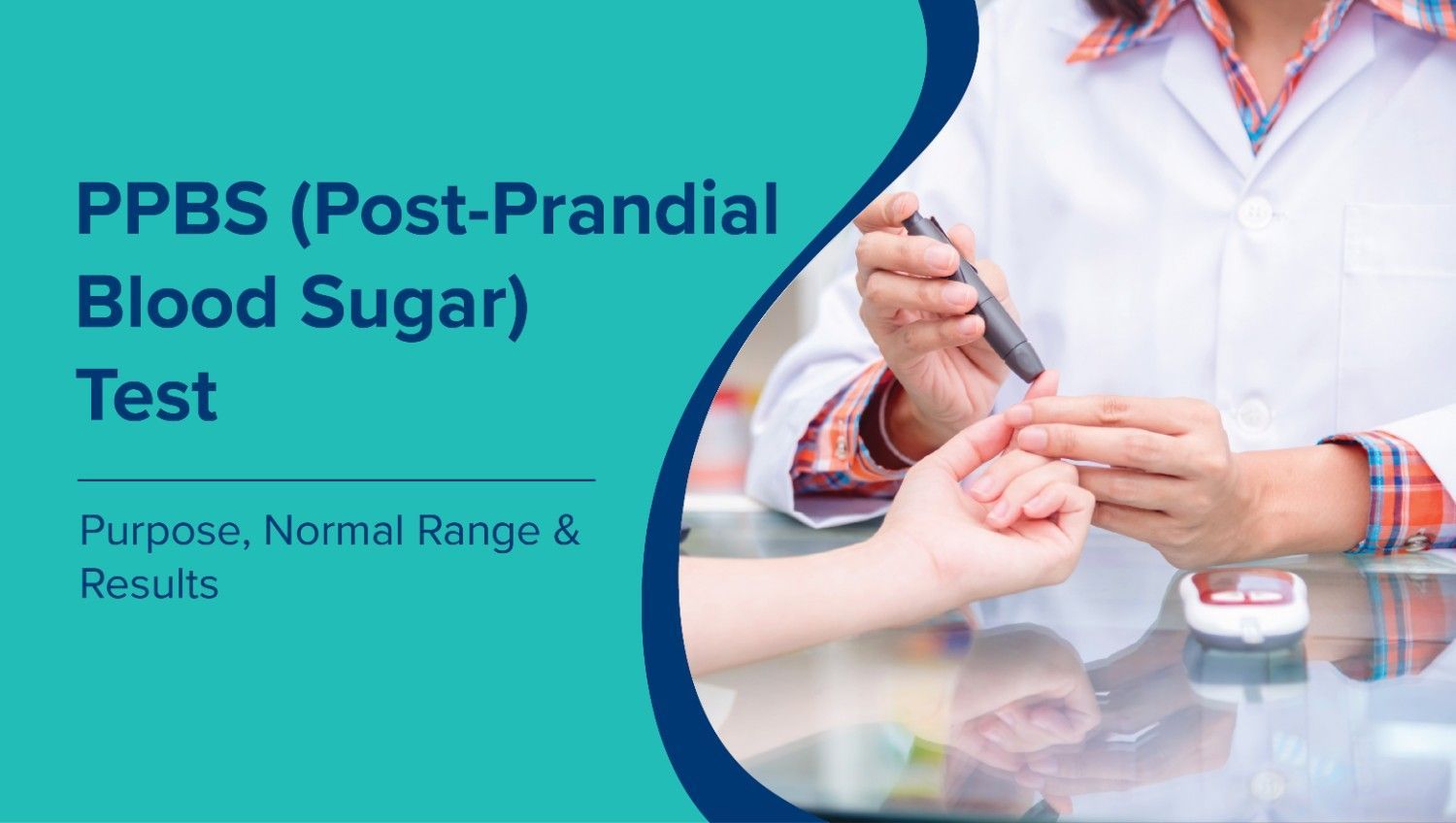


Monitoring blood sugar levels is crucial for diagnosing and managing diabetes. The PPBS (Post-Prandial Blood Sugar) test is one of the most frequently advised tests, as it assesses how effectively your body processes glucose after eating.
This blog explains what the PPBS test is, why it is performed, its normal range, how to interpret the results, and when to get tested.
What Is The PPBS Test?
The PPBS test determines blood glucose levels two hours after a meal. It examines how effectively insulin transports glucose from the bloodstream into the body’s cells after a meal.
This test is often done alongside fasting blood sugar (FBS) and HbA1c test to give a complete picture of blood sugar control.
Purpose Of PPBS Test?
Reveals Blood Sugar Rise After Meals:
This test identifies increased blood glucose levels after meals, which can be overlooked when fasting blood sugar levels are normal. These spikes can indicate early signs that the body isn't using insulin efficiently.
To Monitor Diabetes Treatment:
It provides useful insights into whether your current treatment plan covering medications, diet, and daily habits is effectively maintaining your blood sugar levels.
In Diagnosing Blood Sugar Disorders:
In addition to fasting blood sugar tests, it aids in diagnosing conditions like type 2 diabetes, prediabetes, and hypoglycemia.
During Pregnancy:
This pregnancy test examines how well the body processes glucose, playing a crucial role in detecting gestational diabetes and safeguarding the health of both mother and baby.
Helps Reduce Long-Term Health Risks:
By detecting consistently high blood sugar levels early, the test enables quick intervention, reducing the risk of damage to nerves, blood vessels, kidneys, eyes, and other critical organs.
Often Recommended Alongside PPBS Test:
HbA1c Test for long-term glucose monitoring and Fasting Blood Sugar Test to measure baseline sugar levels.
Normal Range Of PPBS Test (2 Hours After Meal)
Here is a table showing normal, high, and low levels! Remember, it’s always a great idea to consult your doctor for personalised advice.
| Category | Blood Glucose Level (mg/dL) | Blood Glucose Level (mmol/L) |
|---|---|---|
| Normal | < 140 mg/dL | < 7.8 mmol/L |
| Prediabetes | 140 – 199 mg/dL | 7.8 – 11.0 mmol/L |
| Diabetes | ≥ 200 mg/dL | ≥ 11.1 mmol/L |
| For Known Diabetics (Target Range) | < 180 mg/dL | < 10.0 mmol/L |
(The Results may vary depending on the lab conditions.)
Key Notes
Below are some of the points that help you understand the table
Normal: Shows correct blood sugar regulation without any immediate risk of diabetes.Prediabetes (Impaired Glucose Tolerance): Indicates high blood sugar levels; adopting lifestyle changes and consistent monitoring can help prevent progression to further complications of diabetes.
Diabetes: Significantly high blood glucose levels often warrant medical attention to ensure proper care and management treatment.
For Known Diabetics: Maintaining blood sugar within the target range helps avoid complications that can impact the heart, kidneys, nerves, and eyes.
For a comprehensive assessment, include Additional Tests such as
The Random Blood Sugar (RBS) Test, HbA1c Test, and Diabetes Profile are used to confirm a diagnosis and assess overall glucose control.
PPBS Test Result Interpretation
Normal Results: Suggests the body is effectively producing and responding to insulin.
High PPBS Level (Hyperglycemia):
May indicate diabetes or insulin resistance, often accompanied by symptoms such as excessive thirst or fatigue.
Low PPBS Level (Hypoglycemia):
Readings significantly below 70 mg/dL may indicate issues like reactive hypoglycemia or improper medication dosage.
Preparation for PPBS Test
- Have a regular breakfast or lunch that contains carbohydrates.
- Start counting 2 hours from the first bite of the meal
- Keep taking your regular medicines unless your doctor advises you to stop
- Avoid consuming sweets or sugary drinks, and avoid heavy exercise before the test.
- Fasting is necessary to measure PPBS only when it is combined with FBS (fasting blood sugar), which requires 8 to 12 hours of fasting before the test.
Procedure for PPBS Test
- Complete your meal in 10 to 15 minutes.
- Wait for 2 hours after starting the meal
- A blood sample is drawn from a vein in the arm
- The sample is sent to the lab for examination.
Looking for a PPBS Test near you? You can book a PPBS blood test with MAX@Home to ensure safe sample collection and accurate reporting.
Factors Affecting PPBS Test Results
Post-meal blood sugar levels can vary for several reasons. Understanding these factors helps put the results into the right context and avoids unnecessary concern.
What you eat: The type of meal before the test is important. Foods high in carbohydrates or added sugars can cause a larger increase in blood glucose after eating.Physical activity: exercise or intense physical work near the test time may decrease blood sugar levels and affect the reading.
Medications: Some drugs, like steroids and specific diuretics, might increase blood sugar. Conversely, insulin and other diabetes treatments can decrease blood glucose levels.
Stress or illness, such as fever, infections, injury, or physical stress, can temporarily raise blood sugar levels, even if your levels are usually well managed.
Fluid intake: Not drinking enough water can lead to higher blood sugar levels due to reduced fluid volume in the body.
Who Should Go for PPBS Test?
- People at risk of diabetes include those with a family history, obesity, or a sedentary lifestyle.
- Screening pregnant women for gestational diabetes
- Patients suffering from unexplained fatigue or frequent urination
- Anyone monitoring the effectiveness of diabetes treatment
Book Your PPBS Test at Home Now
Keep control of your blood sugar by booking your PPBS test at home with MAX@Home for quick, precise, and easy testing.



 Call: 9240299624

