


Hi Guest Login
Best Post-Natal & Pelvic Floor Physiotherapist Near me in Mumbai
Expert Post-Natal & Pelvic Floor Physiotherapist Backed by Clinical Experience and Proven Patient Outcomes

Upto 20% Discount on Home Physio Sessions
* T&C apply
Upto 20% Discount on Home Physio Sessions
* T&C apply
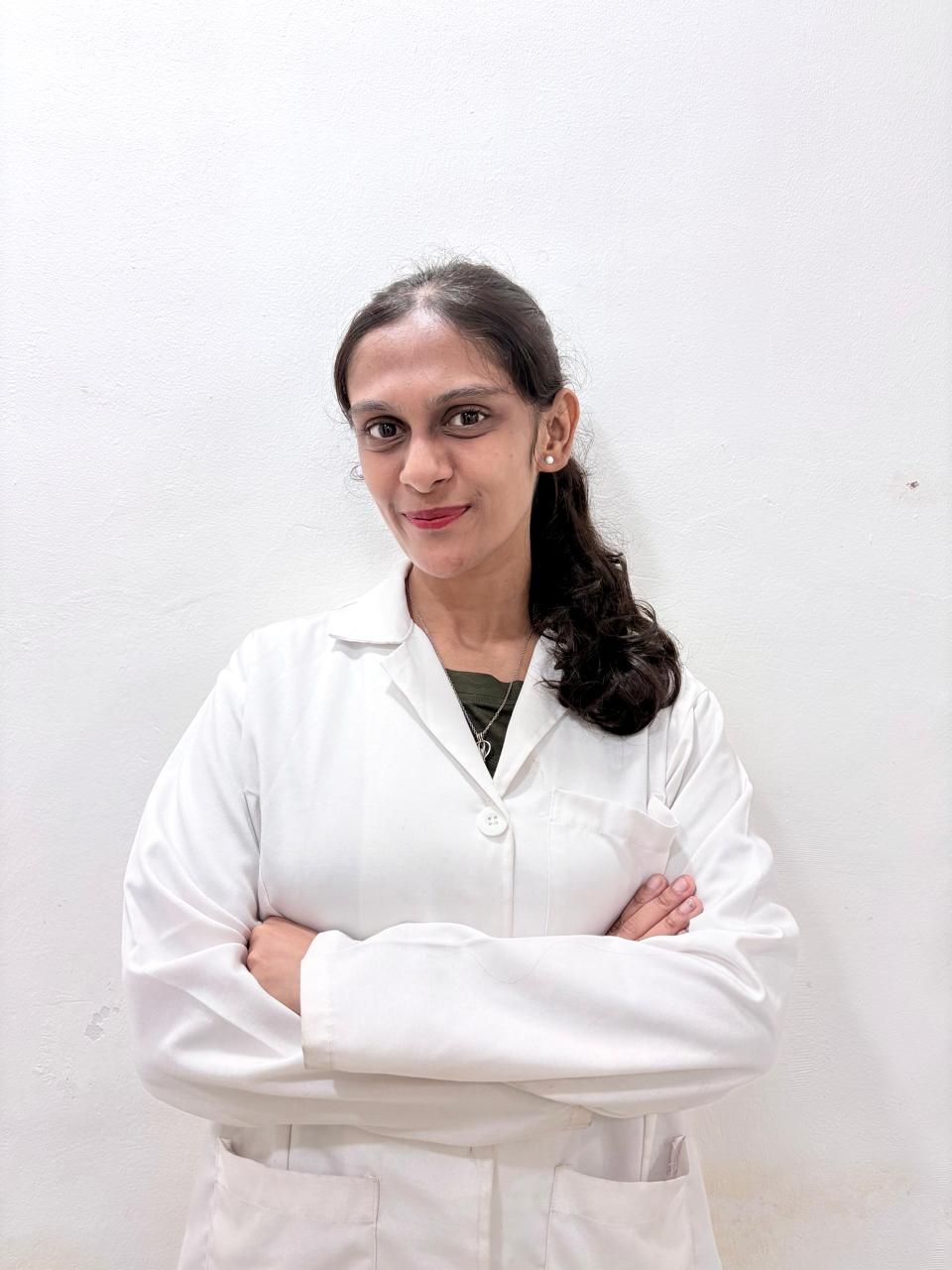



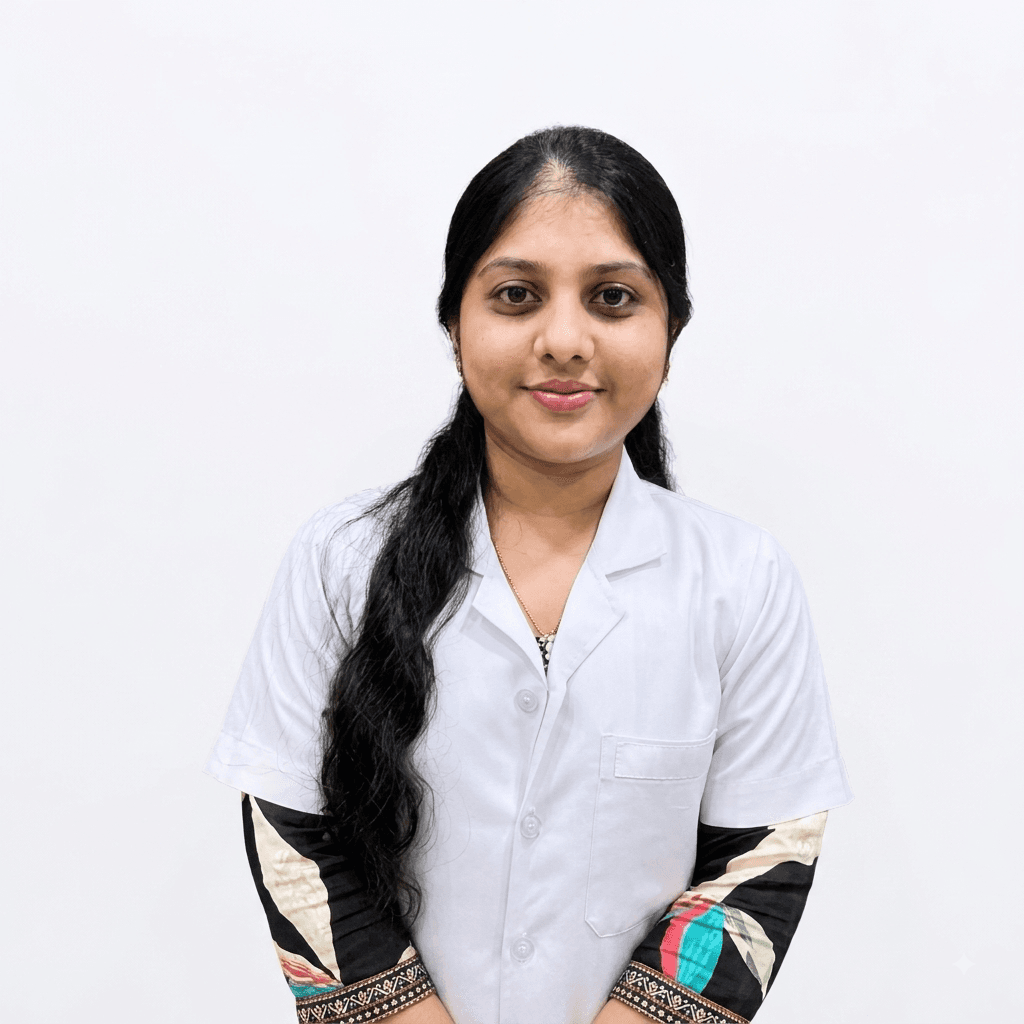


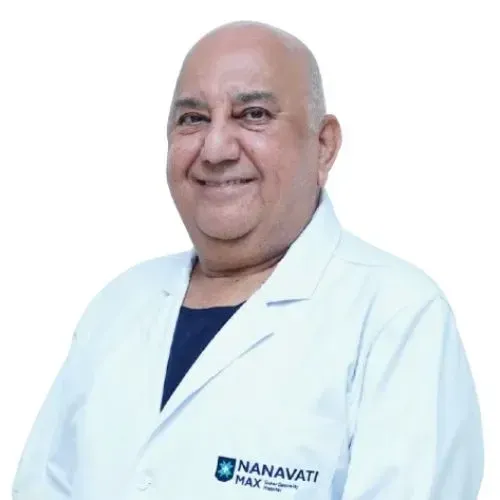
Prof. (Dr.) Ali Irani
Physiotherapist
Experience: 40+ Years
Gender: Male
Location: Mumbai, Navi-Mumbai

Recovery after childbirth involves more than healing from delivery. Pregnancy and labour place significant strain on the pelvic floor muscles, core stability, posture, and overall physical function. Many women experience concerns such as pelvic weakness, urinary leakage, lower back pain, or reduced confidence in movement during the post-natal period. Without structured rehabilitation, these issues may persist and affect long-term health and quality of life.
Post-natal and pelvic floor physiotherapy focuses on restoring strength, coordination, and control of the pelvic floor and surrounding muscles. Through guided assessment and targeted exercises, physiotherapy supports safe recovery after normal delivery or caesarean section, helping women return to daily activities with improved comfort and confidence. Pelvic floor rehabilitation is also essential for managing bladder control issues, core separation, and postural changes that commonly occur during and after pregnancy.
MAX@Home provides access to trained post-natal and pelvic floor physiotherapists at their Mumbai centres. Each programme is personalised based on delivery type, recovery stage, and individual goals, ensuring care that is safe, evidence-based, and aligned with long-term pelvic health needs.
What Does a Post-Natal & Pelvic Floor Physiotherapist at MAX@Home Do?
A post-natal and pelvic floor physiotherapist at MAX@Home focuses on supporting women through safe, structured recovery after childbirth. Care begins with a detailed assessment to understand physical changes following pregnancy and delivery, including pelvic floor strength, core stability, posture, and movement patterns. Key areas of care include:
-
Pelvic floor assessment: Evaluation of muscle strength, coordination, and control to identify weakness, tightness, or dysfunction
-
Core and abdominal rehabilitation: Management of post-pregnancy core weakness and conditions such as diastasis recti
-
Bladder and pelvic support: Guidance for managing urinary leakage, pelvic pressure, or discomfort
-
Pain and movement management: Addressing lower back pain, hip discomfort, perineal pain, or post-surgical stiffness after caesarean delivery
-
Postural and functional retraining: Improving body mechanics for feeding, lifting, walking, and daily activities
Post-Natal and Pelvic Floor Conditions Treated by MAX@Home Physiotherapists in Mumbai
Post-natal and pelvic floor physiotherapy supports recovery from a range of physical changes that may occur during pregnancy, childbirth, and the post-delivery period. At MAX@Home, physiotherapy care is guided by individual assessment and tailored to address specific symptoms affecting comfort, mobility, and daily function. Common conditions addressed include:
-
Pelvic floor weakness: Reduced muscle strength leading to poor pelvic support or difficulty controlling bladder function
-
Urinary incontinence: Leakage during coughing, sneezing, lifting, or physical activity
-
Diastasis recti: Separation of abdominal muscles, affecting core stability and posture
-
Post-delivery pain: Discomfort in the lower back, hips, pelvis, or perineal region
-
Caesarean section recovery: Scar tightness, reduced mobility, and delayed core activation
-
Postural strain: Changes in posture due to feeding positions, lifting, or prolonged sitting
-
Functional discomfort: Pain or difficulty during walking, sitting, or routine household activities
Post-Natal & Pelvic Floor Physiotherapy Treatments Offered by MAX@Home in Mumbai
Post-natal and pelvic floor physiotherapy at MAX@Home uses structured, evidence-based treatment approaches to support recovery, strength, and long-term pelvic health. Each programme is tailored after a thorough assessment and progresses gradually to match individual comfort levels and healing timelines. Physiotherapy approaches may include:
-
Pelvic floor muscle training: Targeted exercises to improve the strength, coordination, and endurance of pelvic floor muscles
-
Core stabilisation therapy: Gentle activation and strengthening of deep abdominal and back muscles to support posture and movement
-
Breathing and relaxation techniques: Coordinated breathing to improve muscle control and reduce excessive pelvic tension
-
Postural correction and movement education: Guidance on safe positions for feeding, lifting, and daily activities
-
Scar management techniques: Gentle mobilisation to support tissue flexibility and comfort after caesarean delivery
-
Functional rehabilitation: Exercises designed to improve balance, walking tolerance, and everyday movement patterns
Why Choose MAX@Home for Post-Natal & Pelvic Floor Physiotherapy in Mumbai?
MAX@Home provides structured and clinically guided post-natal and pelvic floor physiotherapy designed to support women during recovery after childbirth. Care is delivered with a focus on safety, privacy, and personalised rehabilitation. Key reasons women choose MAX@Home include:
-
Certified women’s health physiotherapists: Trained in post-natal and pelvic floor rehabilitation techniques
-
Clinically supervised care: Treatment protocols aligned with recognised physiotherapy and women’s health guidelines
-
Personalised recovery plans: Therapy tailored to delivery type, symptoms, and individual recovery goals
-
Comfort and convenience: MAX@Home provides structured post-natal and pelvic floor physiotherapy through their Mumbai centres, ensuring care is accessible, well-organised, and tailored to support early recovery without unnecessary delays or complications.
-
Respectful and empathetic approach: Care provided with sensitivity to post-partum physical and emotional needs
-
Trusted healthcare ecosystem: MAX@Home operates as part of the Max Healthcare network, supporting continuity and quality of care
The MAX@Home Approach to Post-Natal & Pelvic Floor Rehabilitation
The MAX@Home approach focuses on how post-natal and pelvic floor physiotherapy is planned, delivered, and monitored over time, rather than on individual treatment techniques. Care is structured to align with each stage of post-delivery recovery. The rehabilitation process at MAX@Home includes:
-
Initial goal setting: Understanding recovery priorities based on delivery type, symptoms, and daily demands
-
Stage-based recovery planning: Aligning therapy intensity with early healing, strengthening, and functional reintegration phases
-
Consistency of care: Ongoing physiotherapy with continuity across sessions to support measurable progress
-
Functional focus: Emphasis on daily activities such as lifting, feeding, walking, and prolonged sitting
-
Outcome monitoring: Regular review of symptom improvement, strength gains, and movement confidence
Who Can Benefit from Post-Natal & Pelvic Floor Physiotherapy with MAX@Home in Mumbai?
Post-natal and pelvic floor physiotherapy is beneficial for women at different stages of recovery after childbirth. At MAX@Home, care is tailored to individual needs, ensuring therapy remains appropriate, safe, and goal-oriented. Physiotherapy support may be helpful for:
-
Women recovering after normal delivery or caesarean section: Support for regaining strength, mobility, and confidence during the post-delivery healing phase.
-
New mothers experiencing pelvic pain, weakness, or incontinence: Targeted rehabilitation to improve muscle control, reduce discomfort, and manage bladder-related concerns.
-
Women with core separation or post-pregnancy back pain: Structured therapy to address abdominal muscle separation, postural strain, and spinal discomfort.
-
Mothers seeking safe post-natal strength and fitness recovery: Guided reconditioning programmes to support a gradual and controlled return to physical activity.
How to Book a Post-Natal & Pelvic Floor Physiotherapist in Mumbai with MAX@Home
Booking a consultation with a post-natal and pelvic floor physiotherapist at MAX@Home is simple and clearly structured. The booking process includes:
-
Schedule your appointment: Book through the MAX@Home website or call 09240299624
-
Share essential details: Provide delivery information, relevant medical history, and current concerns
-
Appointment confirmation: Receive confirmation with centre location details, appointment date, and timing
Frequently Asked Questions
How can I find a qualified pelvic floor physiotherapist near me for post-natal recovery and women’s health concerns?
You can consult a certified women’s health physiotherapist at MAX@Home Centres in Mumbai. Appointments are scheduled at dedicated physiotherapy centres where trained professionals provide structured, evidence-based post-natal and pelvic floor rehabilitation in a safe clinical environment.
When should I consult a post-natal & pelvic floor physiotherapist after a normal delivery or C-section?
Many women benefit from physiotherapy within a few weeks after delivery, once medically cleared by their doctor. Early consultation can help address pelvic floor weakness, core instability, postural strain, and recovery after caesarean surgery.
What post-natal and pelvic floor conditions can a physiotherapist treat?
Post-natal and pelvic floor physiotherapy may help manage:
-
Pelvic floor weakness or tightness
-
Urinary leakage or pelvic heaviness
-
Diastasis recti (abdominal muscle separation)
-
Lower back, hip, or pelvic pain
-
Post-C-section stiffness and mobility issues
Can post-natal & pelvic floor physiotherapy help reduce pain and improve bladder control?
Yes. Targeted pelvic floor exercises, core rehabilitation, posture correction, and guided movement therapy can support pain relief, improve bladder control, and restore functional strength after pregnancy and childbirth.
What happens during the first session with a post-natal & pelvic floor physiotherapist at MAX@Home?
The first session typically includes a detailed assessment of pelvic floor strength, core stability, posture, and movement patterns. Based on this evaluation, the physiotherapist designs a personalised rehabilitation plan aligned with the patient’s recovery goals.
How long does post-natal recovery take with pelvic floor physiotherapy?
Recovery timelines vary depending on delivery type, symptoms, and overall health. Some women notice improvements within a few sessions, while others may require a longer, structured programme. Progress is monitored regularly to ensure safe and steady recovery.
Best Spinal Cord Injury Specialist in Top Cities
Best spinal cord injury specialist in Mumbai
|
Best spinal cord injury specialist in Navi-Mumbai
|
Best spinal cord injury specialist in Delhi
|
Best spinal cord injury specialist in Noida
|
Best spinal cord injury specialist in Gurgaon
|
Best spinal cord injury specialist in Dehradun
|
Best spinal cord injury specialist in Lucknow
|
Best spinal cord injury specialist in Chandigarh
|
Best spinal cord injury specialist in Zirakpur
|
Best spinal cord injury specialist in Panchkula
|
Best spinal cord injury specialist in Mohali
|
Best spinal cord injury specialist in Nagpur
|
Best spinal cord injury specialist in Meerut
Best Vestibular Rehab Physiotherapist in Top Cities
Best Vestibular Rehab Physiotherapist in Mumbai
|
Best Vestibular Rehab Physiotherapist in Navi-Mumbai
|
Best Vestibular Rehab Physiotherapist in Delhi
|
Best Vestibular Rehab Physiotherapist in Noida
|
Best Vestibular Rehab Physiotherapist in Gurgaon
|
Best Vestibular Rehab Physiotherapist in Dehradun
|
Best Vestibular Rehab Physiotherapist in Lucknow
|
Best Vestibular Rehab Physiotherapist in Chandigarh
|
Best Vestibular Rehab Physiotherapist in Zirakpur
|
Best Vestibular Rehab Physiotherapist in Panchkula
|
Best Vestibular Rehab Physiotherapist in Mohali
|
Best Vestibular Rehab Physiotherapist in Nagpur
|
Best Vestibular Rehab Physiotherapist in Meerut
Best Spine physiotherapist in Top Cities
Best Spine physiotherapist in Mumbai
|
Best Spine physiotherapist in Navi-Mumbai
|
Best Spine physiotherapist in Delhi
|
Best Spine physiotherapist in Noida
|
Best Spine physiotherapist in Gurgaon
|
Best Spine physiotherapist in Dehradun
|
Best Spine physiotherapist in Lucknow
|
Best Spine physiotherapist in Chandigarh
|
Best Spine physiotherapist in Zirakpur
|
Best Spine physiotherapist in Panchkula
|
Best Spine physiotherapist in Mohali
|
Best Spine physiotherapist in Nagpur
|
Best Spine physiotherapist in Meerut
Best Manual Therapist in Top Cities
Best Manual Therapist in Mumbai
|
Best Manual Therapist in Navi-Mumbai
|
Best Manual Therapist in Delhi
|
Best Manual Therapist in Noida
|
Best Manual Therapist in Gurgaon
|
Best Manual Therapist in Dehradun
|
Best Manual Therapist in Lucknow
|
Best Manual Therapist in Chandigarh
|
Best Manual Therapist in Zirakpur
|
Best Manual Therapist in Panchkula
|
Best Manual Therapist in Mohali
|
Best Manual Therapist in Nagpur
|
Best Manual Therapist in Meerut
Best Lymphedema Therapist in Top Cities
Best Lymphedema Therapist in Mumbai
|
Best Lymphedema Therapist in Navi-Mumbai
|
Best Lymphedema Therapist in Delhi
|
Best Lymphedema Therapist in Noida
|
Best Lymphedema Therapist in Gurgaon
|
Best Lymphedema Therapist in Dehradun
|
Best Lymphedema Therapist in Lucknow
|
Best Lymphedema Therapist in Chandigarh
|
Best Lymphedema Therapist in Zirakpur
|
Best Lymphedema Therapist in Panchkula
|
Best Lymphedema Therapist in Mohali
|
Best Lymphedema Therapist in Nagpur
|
Best Lymphedema Therapist in Meerut
Best Geriatric Physiotherapist in Top Cities
Best Geriatric Physiotherapist in Mumbai
|
Best Geriatric Physiotherapist in Navi-Mumbai
|
Best Geriatric Physiotherapist in Delhi
|
Best Geriatric Physiotherapist in Noida
|
Best Geriatric Physiotherapist in Gurgaon
|
Best Geriatric Physiotherapist in Dehradun
|
Best Geriatric Physiotherapist in Lucknow
|
Best Geriatric Physiotherapist in Chandigarh
|
Best Geriatric Physiotherapist in Zirakpur
|
Best Geriatric Physiotherapist in Panchkula
|
Best Geriatric Physiotherapist in Mohali
|
Best Geriatric Physiotherapist in Nagpur
|
Best Geriatric Physiotherapist in Meerut
Best Joint Replacement Physiotherapist in Top Cities
Best Joint Replacement Physiotherapist in Mumbai
|
Best Joint Replacement Physiotherapist in Navi-Mumbai
|
Best Joint Replacement Physiotherapist in Delhi
|
Best Joint Replacement Physiotherapist in Noida
|
Best Joint Replacement Physiotherapist in Gurgaon
|
Best Joint Replacement Physiotherapist in Dehradun
|
Best Joint Replacement Physiotherapist in Lucknow
|
Best Joint Replacement Physiotherapist in Chandigarh
|
Best Joint Replacement Physiotherapist in Zirakpur
|
Best Joint Replacement Physiotherapist in Panchkula
|
Best Joint Replacement Physiotherapist in Mohali
|
Best Joint Replacement Physiotherapist in Nagpur
|
Best Joint Replacement Physiotherapist in Meerut
Best Pediatric Physiotherapist in Top Cities
Best Pediatric Physiotherapist in Mumbai
|
Best Pediatric Physiotherapist in Navi-Mumbai
|
Best Pediatric Physiotherapist in Delhi
|
Best Pediatric Physiotherapist in Noida
|
Best Pediatric Physiotherapist in Gurgaon
|
Best Pediatric Physiotherapist in Dehradun
|
Best Pediatric Physiotherapist in Lucknow
|
Best Pediatric Physiotherapist in Chandigarh
|
Best Pediatric Physiotherapist in Zirakpur
|
Best Pediatric Physiotherapist in Panchkula
|
Best Pediatric Physiotherapist in Mohali
|
Best Pediatric Physiotherapist in Nagpur
|
Best Pediatric Physiotherapist in Meerut
Best Cerebral Palsy Specialist in Top Cities
Best Cerebral Palsy Specialist in Mumbai
|
Best Cerebral Palsy Specialist in Navi-Mumbai
|
Best Cerebral Palsy Specialist in Delhi
|
Best Cerebral Palsy Specialist in Noida
|
Best Cerebral Palsy Specialist in Gurgaon
|
Best Cerebral Palsy Specialist in Dehradun
|
Best Cerebral Palsy Specialist in Lucknow
|
Best Cerebral Palsy Specialist in Chandigarh
|
Best Cerebral Palsy Specialist in Zirakpur
|
Best Cerebral Palsy Specialist in Panchkula
|
Best Cerebral Palsy Specialist in Mohali
|
Best Cerebral Palsy Specialist in Nagpur
|
Best Cerebral Palsy Specialist in Meerut
Best Post-Natal & Pelvic Floor Physiotherapist in Top Cities
Best Post-Natal & Pelvic Floor Physiotherapist in Mumbai
|
Best Post-Natal & Pelvic Floor Physiotherapist in Navi-Mumbai
|
Best Post-Natal & Pelvic Floor Physiotherapist in Delhi
|
Best Post-Natal & Pelvic Floor Physiotherapist in Noida
|
Best Post-Natal & Pelvic Floor Physiotherapist in Gurgaon
|
Best Post-Natal & Pelvic Floor Physiotherapist in Dehradun
|
Best Post-Natal & Pelvic Floor Physiotherapist in Lucknow
|
Best Post-Natal & Pelvic Floor Physiotherapist in Chandigarh
|
Best Post-Natal & Pelvic Floor Physiotherapist in Zirakpur
|
Best Post-Natal & Pelvic Floor Physiotherapist in Panchkula
|
Best Post-Natal & Pelvic Floor Physiotherapist in Mohali
|
Best Post-Natal & Pelvic Floor Physiotherapist in Nagpur
|
Best Post-Natal & Pelvic Floor Physiotherapist in Meerut
Best Chest Physiotherapist in Top Cities
Best Chest Physiotherapist in Mumbai
|
Best Chest Physiotherapist in Navi-Mumbai
|
Best Chest Physiotherapist in Delhi
|
Best Chest Physiotherapist in Noida
|
Best Chest Physiotherapist in Gurgaon
|
Best Chest Physiotherapist in Dehradun
|
Best Chest Physiotherapist in Lucknow
|
Best Chest Physiotherapist in Chandigarh
|
Best Chest Physiotherapist in Zirakpur
|
Best Chest Physiotherapist in Panchkula
|
Best Chest Physiotherapist in Mohali
|
Best Chest Physiotherapist in Nagpur
|
Best Chest Physiotherapist in Meerut
Best Stroke Rehabilitation Specialist in Top Cities
Best Stroke Rehabilitation Specialist in Mumbai
|
Best Stroke Rehabilitation Specialist in Navi-Mumbai
|
Best Stroke Rehabilitation Specialist in Delhi
|
Best Stroke Rehabilitation Specialist in Noida
|
Best Stroke Rehabilitation Specialist in Gurgaon
|
Best Stroke Rehabilitation Specialist in Dehradun
|
Best Stroke Rehabilitation Specialist in Lucknow
|
Best Stroke Rehabilitation Specialist in Chandigarh
|
Best Stroke Rehabilitation Specialist in Zirakpur
|
Best Stroke Rehabilitation Specialist in Panchkula
|
Best Stroke Rehabilitation Specialist in Mohali
|
Best Stroke Rehabilitation Specialist in Nagpur
|
Best Stroke Rehabilitation Specialist in Meerut
Best Sports Physiotherapist in Top Cities
Best Sports Physiotherapist in Mumbai
|
Best Sports Physiotherapist in Navi-Mumbai
|
Best Sports Physiotherapist in Delhi
|
Best Sports Physiotherapist in Noida
|
Best Sports Physiotherapist in Gurgaon
|
Best Sports Physiotherapist in Dehradun
|
Best Sports Physiotherapist in Lucknow
|
Best Sports Physiotherapist in Chandigarh
|
Best Sports Physiotherapist in Zirakpur
|
Best Sports Physiotherapist in Panchkula
|
Best Sports Physiotherapist in Mohali
|
Best Sports Physiotherapist in Nagpur
|
Best Sports Physiotherapist in Meerut
Best Oncology Physiotherapist in Top Cities
Best Oncology Physiotherapist in Mumbai
|
Best Oncology Physiotherapist in Navi-Mumbai
|
Best Oncology Physiotherapist in Delhi
|
Best Oncology Physiotherapist in Noida
|
Best Oncology Physiotherapist in Gurgaon
|
Best Oncology Physiotherapist in Dehradun
|
Best Oncology Physiotherapist in Lucknow
|
Best Oncology Physiotherapist in Chandigarh
|
Best Oncology Physiotherapist in Zirakpur
|
Best Oncology Physiotherapist in Panchkula
|
Best Oncology Physiotherapist in Mohali
|
Best Oncology Physiotherapist in Nagpur
|
Best Oncology Physiotherapist in Meerut
Best Neuro Physiotherapist in Top Cities
Best Neuro physiotherapist in Mumbai
|
Best Neuro physiotherapist in Navi-Mumbai
|
Best Neuro physiotherapist in Delhi
|
Best Neuro physiotherapist in Noida
|
Best Neuro physiotherapist in Gurgaon
|
Best Neuro physiotherapist in Dehradun
|
Best Neuro physiotherapist in Lucknow
|
Best Neuro physiotherapist in Chandigarh
|
Best Neuro physiotherapist in Zirakpur
|
Best Neuro physiotherapist in Panchkula
|
Best Neuro physiotherapist in Mohali
|
Best Neuro physiotherapist in Nagpur
|
Best Neuro physiotherapist in Meerut
Best Orthopedic Physiotherapist in Top Cities
Best Orthopedic Physiotherapist in Mumbai
|
Best Orthopedic Physiotherapist in Navi-Mumbai
|
Best Orthopedic Physiotherapist in Delhi
|
Best Orthopedic Physiotherapist in Noida
|
Best Orthopedic Physiotherapist in Gurgaon
|
Best Orthopedic Physiotherapist in Dehradun
|
Best Orthopedic Physiotherapist in Lucknow
|
Best Orthopedic Physiotherapist in Chandigarh
|
Best Orthopedic Physiotherapist in Zirakpur
|
Best Orthopedic Physiotherapist in Panchkula
|
Best Orthopedic Physiotherapist in Mohali
|
Best Orthopedic Physiotherapist in Nagpur
|
Best Orthopedic Physiotherapist in Meerut
Best Cardiac Physiotherapist in Top Cities
Best Cardiac Physiotherapist in Mumbai
|
Best Cardiac Physiotherapist in Navi-Mumbai
|
Best Cardiac Physiotherapist in Delhi
|
Best Cardiac Physiotherapist in Noida
|
Best Cardiac Physiotherapist in Gurgaon
|
Best Cardiac Physiotherapist in Dehradun
|
Best Cardiac Physiotherapist in Lucknow
|
Best Cardiac Physiotherapist in Chandigarh
|
Best Cardiac Physiotherapist in Zirakpur
|
Best Cardiac Physiotherapist in Panchkula
|
Best Cardiac Physiotherapist in Mohali
|
Best Cardiac Physiotherapist in Nagpur
|
Best Cardiac Physiotherapist in Meerut
Best Physiotherapist in Top Cities
Best Physiotherapist in Mumbai
|
Best Physiotherapist in Navi-Mumbai
|
Best Physiotherapist in Delhi
|
Best Physiotherapist in Noida
|
Best Physiotherapist in Gurgaon
|
Best Physiotherapist in Dehradun
|
Best Physiotherapist in Lucknow
|
Best Physiotherapist in Chandigarh
|
Best Physiotherapist in Zirakpur
|
Best Physiotherapist in Panchkula
|
Best Physiotherapist in Mohali
|
Best Physiotherapist in Nagpur
|
Best Physiotherapist in Meerut
Best Parkinson’s Movement Physiotherapist in Top Cities
Best Parkinson’s Movement Physiotherapist in Mumbai
|
Best Parkinson’s Movement Physiotherapist in Navi-Mumbai
|
Best Parkinson’s Movement Physiotherapist in Delhi
|
Best Parkinson’s Movement Physiotherapist in Noida
|
Best Parkinson’s Movement Physiotherapist in Gurgaon
|
Best Parkinson’s Movement Physiotherapist in Dehradun
|
Best Parkinson’s Movement Physiotherapist in Lucknow
|
Best Parkinson’s Movement Physiotherapist in Chandigarh
|
Best Parkinson’s Movement Physiotherapist in Zirakpur
|
Best Parkinson’s Movement Physiotherapist in Panchkula
|
Best Parkinson’s Movement Physiotherapist in Mohali
|
Best Parkinson’s Movement Physiotherapist in Nagpur
|
Best Parkinson’s Movement Physiotherapist in Meerut
Best Female Physiotherapist in Top Cities
Best Female Physiotherapist in Mumbai
|
Best Female Physiotherapist in Navi-Mumbai
|
Best Female Physiotherapist in Delhi
|
Best Female Physiotherapist in Noida
|
Best Female Physiotherapist in Gurgaon
|
Best Female Physiotherapist in Dehradun
|
Best Female Physiotherapist in Lucknow
|
Best Female Physiotherapist in Chandigarh
|
Best Female Physiotherapist in Zirakpur
|
Best Female Physiotherapist in Panchkula
|
Best Female Physiotherapist in Mohali
|
Best Female Physiotherapist in Nagpur
|
Best Female Physiotherapist in Meerut
Best Paediatric Speech-Language Pathologist in Top Cities
Best Paediatric Speech-Language Pathologist in Mumbai
|
Best Paediatric Speech-Language Pathologist in Navi-Mumbai
|
Best Paediatric Speech-Language Pathologist in Delhi
|
Best Paediatric Speech-Language Pathologist in Noida
|
Best Paediatric Speech-Language Pathologist in Gurgaon
|
Best Paediatric Speech-Language Pathologist in Dehradun
|
Best Paediatric Speech-Language Pathologist in Lucknow
|
Best Paediatric Speech-Language Pathologist in Chandigarh
|
Best Paediatric Speech-Language Pathologist in Zirakpur
|
Best Paediatric Speech-Language Pathologist in Panchkula
|
Best Paediatric Speech-Language Pathologist in Mohali
|
Best Paediatric Speech-Language Pathologist in Nagpur
|
Best Paediatric Speech-Language Pathologist in Meerut
Popular Tests in Mumbai
Dengue NS1 Antigen Test in Mumbai
|
Max Fever Profile Basic in Mumbai
|
CBC (Complete Blood Count),EDTA in Mumbai
|
Blood Sugar 2 Hr. PP,Fluoride Plasma in Mumbai
|
Prothrombin Time (with INR),Citrate Plasma in Mumbai
|
TSH,Serum in Mumbai
|
Creatinine, Serum in Mumbai
|
Vitamin D Test in Mumbai
|
Vitamin B12, Serum in Mumbai
|
Blood Sugar (Random), Fluoride Plasma in Mumbai
|
APTT (Partial Thromboplastin Time),Citrate Plasma in Mumbai
|
Rheumatoid Factor(Quantitative), Serum in Mumbai
|
Magnesium Test (Mg) in Mumbai
|
HCG - Beta Specific,Serum in Mumbai
|
Prolactin, Serum in Mumbai
|
NT-ProBNP Test in Mumbai
|
Uric Acid, Serum in Mumbai
|
Hepatitis B Surface Antigen,Serum in Mumbai
|
FSH - Follicle Stimulating Hormone,Serum in Mumbai
|
IgE (Immunoglobulin-E) in Mumbai
|
Prostate Specific Antigen (P.S.A.) - Total in Mumbai
|
LH-Luteinizing Hormone , Serum in Mumbai
|
Anti-Mullerian Hormone (AMH) Test in Mumbai
|
Ferritin,Serum in Mumbai
|
Haemoglobin Estimation,EDTA in Mumbai
|
Typhidot Test (IgG & IgM) in Mumbai
|
Typhidot Test (IGG & IGM) in Mumbai
|
HIV Test ( I and II ),Serum in Mumbai
|
Hepatitis C Antibody (HCV) Test in Mumbai
|
Cortisol (Morning Sample),Serum in Mumbai
Blood Tests in Top Cities
Lab Test in Gurgaon
|
Lab Test in Delhi
|
Lab Test in Dehradun
|
Lab Test in Mohali
|
Lab Test in Mumbai
|
Lab Test in Lucknow
|
Lab Test in Noida
|
Lab Test in Greater Noida
|
Lab Test in Faridabad
|
Lab Test in Ghaziabad
|
Lab Test in Nagpur
|
Lab Test in Chandigarh
|
Lab Test in Panchkula
|
Lab Test in Zirakpur
|
Lab Test in Kalyan
|
Lab Test in Thane
|
Lab Test in Mira Bhayandar
|
Lab Test in Navi Mumbai
Full Body Checkup Packages in Top Cities
Full Body Checkup in Gurgaon
|
Full Body Checkup in Delhi
|
Full Body Checkup in Dehradun
|
Full Body Checkup in Mohali
|
Full Body Checkup in Mumbai
|
Full Body Checkup in Lucknow
|
Full Body Checkup in Noida
|
Full Body Checkup in Greater Noida
|
Full Body Checkup in Faridabad
|
Full Body Checkup in Ghaziabad
|
Full Body Checkup in Nagpur
|
Full Body Checkup in Chandigarh
|
Full Body Checkup in Panchkula
|
Full Body Checkup in Zirakpur
|
Full Body Checkup in Kalyan
|
Full Body Checkup in Thane
|
Full Body Checkup in Mira Bhayandar
|
Full Body Checkup in Navi Mumbai
Other Popular Services
Covid Care Services in Mumbai
|
Healthcare Attendant at Home in Mumbai
|
X-RAY At Home in Mumbai
|
ICU Setup At Home in Mumbai
|
Physiotherapy At Home in Mumbai
|
Nursing Care At Home in Mumbai
|
Medical Equipment @HOME in Mumbai
|
Nursing Procedure at Home in Mumbai
|
MAX Lab Tests in Mumbai
|
Speech Therapy at Home in Mumbai
|
Japa Maid Service in Mumbai
|
Sleep Study Test in Mumbai
|
Holter Monitor Test in Mumbai
|
Ambulatory Blood Pressure Monitoring (ABPM) in Mumbai
|
ECG At Home in Mumbai
|
Doctor Visit At Home in Mumbai
|
Dialysis at Home in Mumbai
|
Elderly Caretaker Services in Mumbai
|
Arterial Blood Gas (ABG) Test in Mumbai
|
Injection Service at Home in Mumbai
|
Female Nurse for 12/24 Hour Homecare in Mumbai
|
Voice Therapy in Mumbai
|
Oncotype DX Breast Cancer Test in Mumbai
|
Home Ventilator Service for Safe & Reliable Care in Mumbai
|
Occupational Health Services in Mumbai

