


Hi Guest Login
Parkinson’s Movement Physiotherapist
Expert Parkinson’s Movement Physiotherapist Delivering Personalized Patient Care

Upto 20% Discount on Home Physio Sessions
* T&C apply
Upto 20% Discount on Home Physio Sessions
* T&C apply
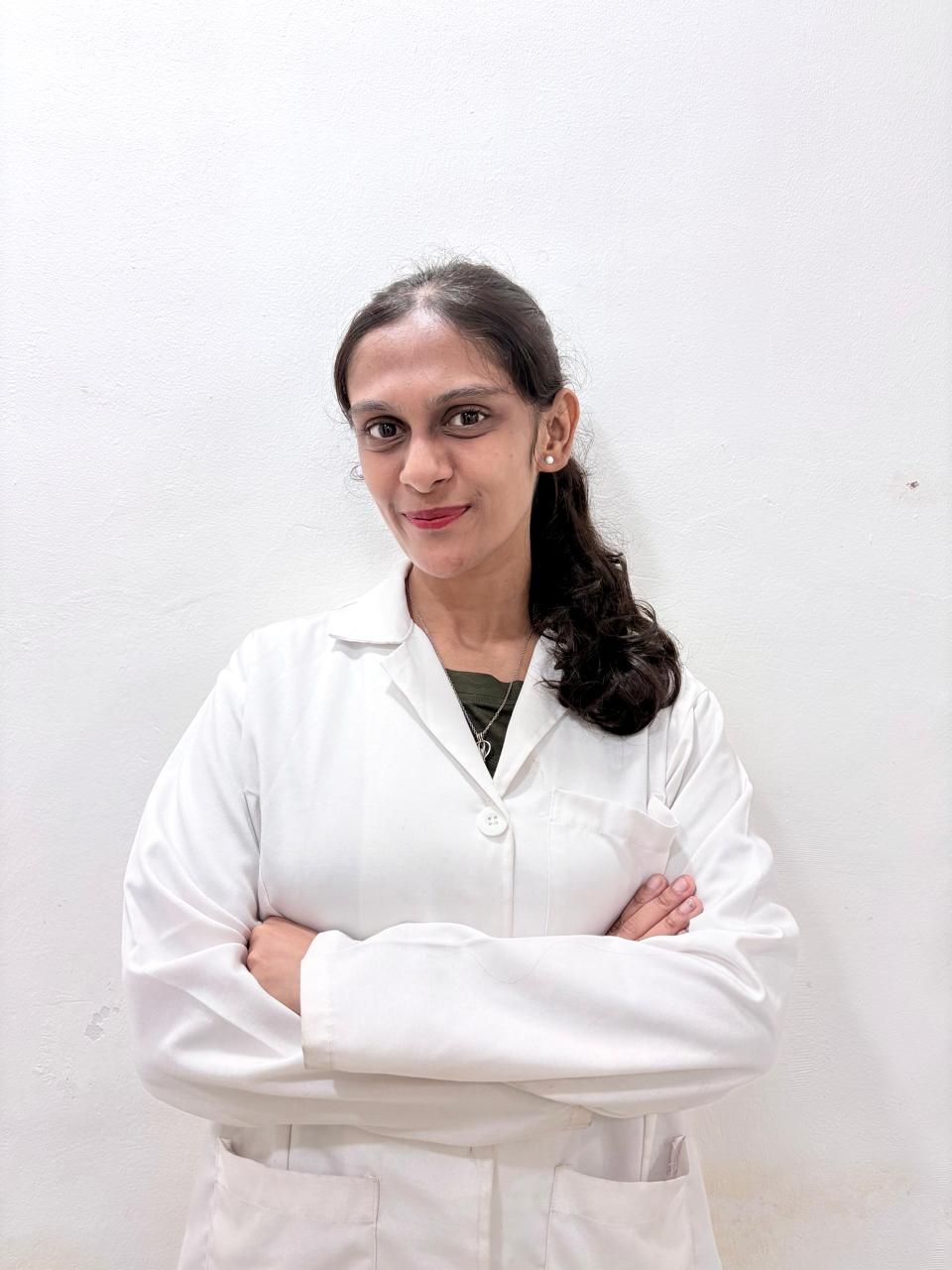





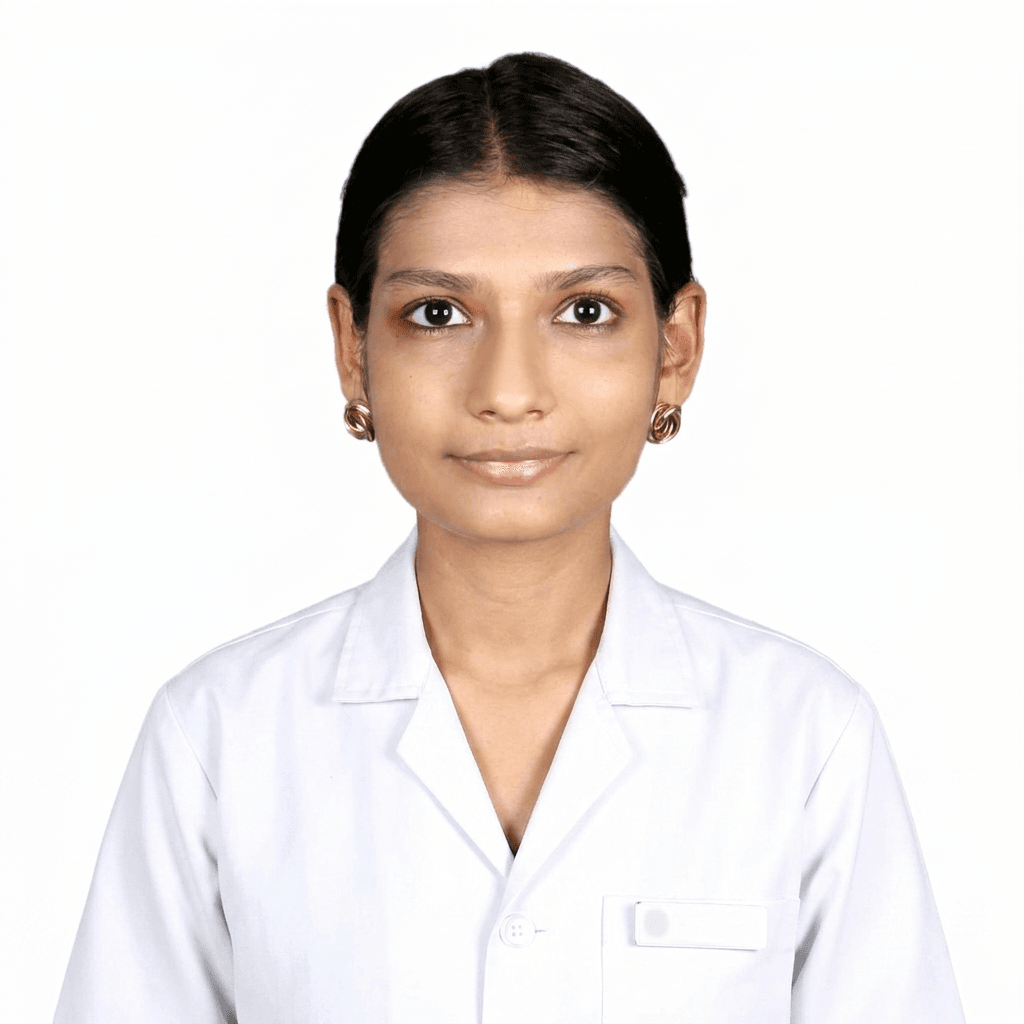

Dr. Shuchita Bansal (PT)
Physiotherapist
Physiotherapy & Rehabilitation Medicine
Experience:
Gender: Female
Location: Delhi

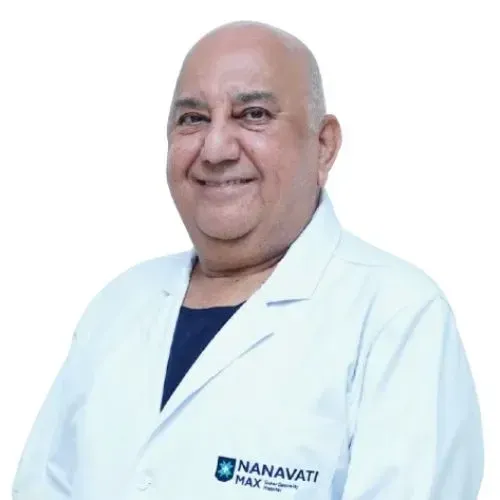
Dr. Tarun Lala (PT)
Physiotherapist
Neurorehab, Physiotherapy and Rehab Services
Experience:
Gender: Male
Location: Delhi
MAX@Home brings specialised neuro physiotherapy support for individuals living with Parkinson’s disease, focused on structured clinical assessment and movement-focused rehabilitation planning. The service is designed to ensure care is delivered in a consistent and organised manner based on individual neurological needs.
Who is a Parkinson’s Movement Expert?
A Parkinson’s movement expert is a neuro physiotherapist who focuses on supporting individuals with Parkinson’s disease through movement-based rehabilitation. The role centres on improving physical control, coordination, and mobility affected by neurological changes.
The approach is guided by an understanding of how Parkinson’s impacts movement function over time. Rehabilitation is planned to support better movement efficiency, improve functional ability in daily activities, and assist individuals in maintaining independence for as long as possible.
Movement Challenges Seen in Parkinson’s Disease
Parkinson’s disease affects the way the brain controls movement, which can gradually impact mobility, coordination, and daily physical function. The severity and combination of symptoms may vary from person to person. Common symptoms include:
-
Bradykinesia (Slowness of Movement): Movements become slower than normal, making everyday actions such as walking, turning, or initiating movement more time-consuming and effortful.
-
Tremors Affecting Voluntary Control: Involuntary shaking, often in the hands or limbs, can interfere with controlled movements and affect precision during tasks.
-
Rigidity and Stiffness: Increased muscle stiffness reduces flexibility, making movements feel tight, restricted, or difficult to perform smoothly.
-
Postural Instability: Reduced balance control can make it harder to maintain an upright posture, increasing instability while standing or walking.
-
Gait Changes (Shuffling or Freezing): Walking patterns may change, with shorter steps, reduced arm swing, or episodes where movement temporarily feels “frozen”.
-
Reduced Fine Motor Control: Difficulty with precise hand movements can affect tasks such as writing, buttoning clothes, or handling small objects.
When to Seek Support From a Parkinson’s Rehabilitation Specialist
Support from a Parkinson’s rehabilitation specialist may be considered when changes in movement begin to affect everyday function, mobility, or independence. Situations when you can consult a specialist include:
-
Difficulty Initiating or Controlling Movement: Increased effort or delay in starting movements such as standing, walking, or turning may indicate reduced motor control.
-
Increasing Dependence in Daily Activities: Growing difficulty in managing routine tasks independently, such as dressing, bathing, or moving around the home.
-
Reduced Balance or Frequent Instability: Noticeable unsteadiness while standing or walking, which may affect confidence and safety during movement.
-
Changes in Walking Pattern or Speed: Slower walking, shorter steps, or reduced fluidity in movement that affects mobility.
-
Difficulty Performing Coordinated Tasks: Challenges in completing activities that require smooth and coordinated movements, such as using utensils or handling objects.
Approach to Movement Rehabilitation in Parkinson’s
Movement rehabilitation in Parkinson’s disease is structured to support better control, coordination, and functional mobility through neurophysiotherapy-led techniques. The approach is tailored to the individual’s movement patterns, physical capacity, and daily activity requirements.
Movement Re-education Strategies
Movement re-education focuses on retraining the way the body initiates and performs movements that may have become slow or less coordinated due to Parkinson’s disease. It helps improve motor control by encouraging more efficient and purposeful movement patterns, supporting smoother transitions between activities such as sitting, standing, and walking.
Gait and Walking Pattern Training
This approach targets changes in walking ability commonly seen in Parkinson’s disease, such as reduced step length, shuffling, or freezing episodes. Training focuses on improving walking rhythm, posture, and step consistency, helping individuals move more confidently and safely during daily mobility.
Balance and Postural Control Training
Balance training aims to improve stability during both stationary positions and movement. It focuses on enhancing the body’s ability to maintain alignment and control, reducing unsteadiness while standing, turning, or walking, and supporting safer movement in everyday environments.
Flexibility and Mobility Support
This component addresses stiffness and reduced joint movement that can affect comfort and physical function. It focuses on improving muscle flexibility and joint mobility to support smoother, more comfortable movement and reduce physical restriction during daily activities.
Functional Movement Training
Functional training focuses on movements required for everyday independence, such as getting up from a chair, turning in bed, reaching for objects, or transferring between positions. The aim is to improve efficiency and confidence in performing routine tasks safely.
Rhythm and Cue-Based Movement Support
This approach uses structured external cues such as counting, timing, or guided prompts to help initiate and maintain movement. It is particularly useful in addressing movement hesitation and improving consistency in walking and other repetitive activities.
What Happens During Movement Therapy Sessions
Movement therapy sessions for Parkinson’s disease are structured to support progressive improvement in mobility, control, and functional independence. Each session is planned according to the individual’s movement abilities, symptoms, and rehabilitation goals.
-
Assessment of Movement Function: The session begins with an evaluation of mobility, posture, balance, and coordination to understand current physical limitations and movement patterns.
-
Goal Setting: Based on the assessment, short and long-term functional goals are identified to guide rehabilitation focus and measure progress over time.
-
Guided Movement Sessions: The individual is taken through supervised neuro physiotherapy exercises designed to improve movement control, walking ability, balance, and coordination in a safe and structured manner.
-
Monitoring and Progression: The physiotherapist continuously tracks response to therapy and adjusts the rehabilitation plan to ensure gradual progression aligned with the individual’s capabilities and recovery needs.
Goals of Parkinson’s Movement Rehabilitation
Movement rehabilitation in Parkinson’s disease is focused on supporting long-term functional ability by improving how the body moves, controls balance, and performs daily activities. The goals are tailored to the individual’s stage of condition and functional needs.
-
Improved Movement Efficiency: Supports smoother, more controlled movement patterns to reduce effort during daily activities.
-
Better Postural Control: Helps improve upright posture and body alignment during standing, walking, and transitions between positions.
-
Enhanced Walking Stability: Focuses on improving gait quality, step consistency, and overall confidence while walking.
-
Improved Independence in Daily Activities: Supports the ability to perform routine tasks with greater ease and reduced dependence on assistance.
-
Support for Long-Term Functional Ability: Aims to maintain and optimise movement function over time to help manage progressive changes in mobility.
Why Choose MAX@Home?
MAX@Home provides structured neuro physiotherapy-led support designed around individual movement needs in Parkinson’s disease, with a focus on consistent, goal-directed rehabilitation planning and coordinated care delivery. We offer:
-
Experienced Neuro Physiotherapist: Care is delivered by an experienced neuro physiotherapist with expertise in managing movement-related challenges in Parkinson’s disease.
-
Structured Movement-Focused Rehabilitation: Rehabilitation follows a clear and systematic approach designed to support movement control and functional mobility.
-
Personalised Care Planning: Each rehabilitation plan is tailored to the individual’s condition, movement patterns, and functional requirements.
-
Functional Independence Approach: The focus is on supporting safer, more effective movement in daily activities with improved physical control.
-
Continuity of Care Framework: Rehabilitation is delivered through consistent monitoring and structured progression aligned with long-term movement needs.
Frequently Asked Questions
What does a Parkinson’s movement expert do?
A Parkinson’s movement expert (neuro physiotherapist) supports individuals with Parkinson’s disease by focusing on movement control, balance, coordination, and mobility through structured physiotherapy-led rehabilitation.
How does physiotherapy help in Parkinson’s disease?
Physiotherapy helps improve movement efficiency, walking ability, posture, balance, and functional independence by addressing the physical effects of Parkinson’s disease through guided rehabilitation.
When should movement therapy begin in Parkinson’s?
Movement therapy may begin when changes in mobility, balance, or coordination start affecting daily activities or independence, based on clinical assessment and individual needs.
Can movement therapy slow progression of stiffness and rigidity?
Movement therapy can help manage stiffness and improve mobility by supporting flexibility, movement control, and functional activity, although progression varies from person to person.
How often are sessions needed?
The frequency of sessions depends on the individual’s condition, severity of symptoms, and rehabilitation goals, as determined by the physiotherapy plan.
What improvements can be expected from rehabilitation?
Improvements may include better movement control, improved walking stability, enhanced balance, and greater independence in daily activities.
Is Parkinson’s movement therapy long-term?
Yes, Parkinson’s rehabilitation is often ongoing as the condition is progressive and requires continuous movement support and functional maintenance.
How can I book a Parkinson’s movement expert at MAX@Home?
You can book a consultation through the MAX@Home website or contact the support team at 9240299624 for appointment scheduling.
Best Spinal Cord Injury Specialist in Top Cities
Best Vestibular Rehab Physiotherapist in Top Cities
Best Vestibular Rehab Physiotherapist in Mumbai
|
Best Vestibular Rehab Physiotherapist in Navi-Mumbai
|
Best Vestibular Rehab Physiotherapist in Delhi
|
Best Vestibular Rehab Physiotherapist in Nagpur
|
Best Vestibular Rehab Physiotherapist in Dehradun
|
Best Vestibular Rehab Physiotherapist in Gurgaon
Best Spine physiotherapist in Top Cities
Best Manual Therapist in Top Cities
Best Lymphedema Therapist in Top Cities
Best Geriatric Physiotherapist in Top Cities
Best Joint Replacement Physiotherapist in Top Cities
Best Joint Replacement Physiotherapist in Mumbai
|
Best Joint Replacement Physiotherapist in Navi-Mumbai
|
Best Joint Replacement Physiotherapist in Delhi
|
Best Joint Replacement Physiotherapist in Nagpur
|
Best Joint Replacement Physiotherapist in Dehradun
|
Best Joint Replacement Physiotherapist in Gurgaon
Best Pediatric Physiotherapist in Top Cities
Best Cerebral Palsy Specialist in Top Cities
Best Post-Natal & Pelvic Floor Physiotherapist in Top Cities
Best Post-Natal & Pelvic Floor Physiotherapist in Mumbai
|
Best Post-Natal & Pelvic Floor Physiotherapist in Navi-Mumbai
|
Best Post-Natal & Pelvic Floor Physiotherapist in Delhi
|
Best Post-Natal & Pelvic Floor Physiotherapist in Nagpur
|
Best Post-Natal & Pelvic Floor Physiotherapist in Dehradun
|
Best Post-Natal & Pelvic Floor Physiotherapist in Gurgaon
Best Chest Physiotherapist in Top Cities
Best Stroke Rehabilitation Specialist in Top Cities
Best Stroke Rehabilitation Specialist in Mumbai
|
Best Stroke Rehabilitation Specialist in Navi-Mumbai
|
Best Stroke Rehabilitation Specialist in Delhi
|
Best Stroke Rehabilitation Specialist in Nagpur
|
Best Stroke Rehabilitation Specialist in Dehradun
|
Best Stroke Rehabilitation Specialist in Gurgaon
Best Oncology Physiotherapist in Top Cities
Best Neuro Physiotherapist in Top Cities
Best Orthopedic Physiotherapist in Top Cities
Best Physiotherapist in Top Cities
Best Parkinson’s Movement Physiotherapist in Top Cities
Best Parkinson’s Movement Physiotherapist in Mumbai
|
Best Parkinson’s Movement Physiotherapist in Navi-Mumbai
|
Best Parkinson’s Movement Physiotherapist in Delhi
|
Best Parkinson’s Movement Physiotherapist in Nagpur
|
Best Parkinson’s Movement Physiotherapist in Dehradun
|
Best Parkinson’s Movement Physiotherapist in Gurgaon
Best Articulation & Phonology Therapist in Top Cities
Best Articulation & Phonology Therapist in Mumbai
|
Best Articulation & Phonology Therapist in Navi-Mumbai
|
Best Articulation & Phonology Therapist in Delhi
|
Best Articulation & Phonology Therapist in Nagpur
|
Best Articulation & Phonology Therapist in Dehradun
|
Best Articulation & Phonology Therapist in Gurgaon
Best Auditory Verbal Therapist in Top Cities
Best Language Learning Specialist in Top Cities
Best Adult Stammering Specialist in Top Cities
Best Augmentative Communication Specialist in Top Cities
Best Augmentative Communication Specialist in Mumbai
|
Best Augmentative Communication Specialist in Navi-Mumbai
|
Best Augmentative Communication Specialist in Delhi
|
Best Augmentative Communication Specialist in Nagpur
|
Best Augmentative Communication Specialist in Dehradun
|
Best Augmentative Communication Specialist in Gurgaon
Best Autism Communication Specialist in Top Cities
Best Fluency & Stammering Specialist in Top Cities
Best Cochlear Implant Rehab Specialist in Top Cities
Best Cochlear Implant Rehab Specialist in Mumbai
|
Best Cochlear Implant Rehab Specialist in Navi-Mumbai
|
Best Cochlear Implant Rehab Specialist in Delhi
|
Best Cochlear Implant Rehab Specialist in Nagpur
|
Best Cochlear Implant Rehab Specialist in Dehradun
|
Best Cochlear Implant Rehab Specialist in Gurgaon
Best Childhood Apraxia (CAS) Expert in Top Cities
Best Cognitive Communication Specialist in Top Cities
Best Cognitive Communication Specialist in Mumbai
|
Best Cognitive Communication Specialist in Navi-Mumbai
|
Best Cognitive Communication Specialist in Delhi
|
Best Cognitive Communication Specialist in Nagpur
|
Best Cognitive Communication Specialist in Dehradun
|
Best Cognitive Communication Specialist in Gurgaon
Best Aphasia Recovery Specialist in Top Cities
Best Puberphonia (High Pitch) Specialist in Top Cities
Best Puberphonia (High Pitch) Specialist in Mumbai
|
Best Puberphonia (High Pitch) Specialist in Navi-Mumbai
|
Best Puberphonia (High Pitch) Specialist in Delhi
|
Best Puberphonia (High Pitch) Specialist in Nagpur
|
Best Puberphonia (High Pitch) Specialist in Dehradun
|
Best Puberphonia (High Pitch) Specialist in Gurgaon
Best Child Development Specialist in Top Cities
Best Paediatric Speech-Language Pathologist in Top Cities
Best Paediatric Speech-Language Pathologist in Mumbai
|
Best Paediatric Speech-Language Pathologist in Navi-Mumbai
|
Best Paediatric Speech-Language Pathologist in Delhi
|
Best Paediatric Speech-Language Pathologist in Nagpur
|
Best Paediatric Speech-Language Pathologist in Dehradun
|
Best Paediatric Speech-Language Pathologist in Gurgaon
Best Speech Therapist in Top Cities
Popular Tests in Mumbai
Dengue NS1 Antigen Test in Mumbai
|
Max Fever Profile Basic in Mumbai
|
CBC (Complete Blood Count),EDTA in Mumbai
|
Blood Sugar 2 Hr. PP,Fluoride Plasma in Mumbai
|
Prothrombin Time (with INR),Citrate Plasma in Mumbai
|
TSH,Serum in Mumbai
|
Creatinine, Serum in Mumbai
|
Vitamin D Test in Mumbai
|
Vitamin B12, Serum in Mumbai
|
Blood Sugar (Random), Fluoride Plasma in Mumbai
|
APTT (Partial Thromboplastin Time),Citrate Plasma in Mumbai
|
Rheumatoid Factor(Quantitative), Serum in Mumbai
|
Magnesium Test (Mg) in Mumbai
|
HCG - Beta Specific,Serum in Mumbai
|
Prolactin, Serum in Mumbai
|
NT-ProBNP Test in Mumbai
|
Uric Acid, Serum in Mumbai
|
Hepatitis B Surface Antigen,Serum in Mumbai
|
FSH - Follicle Stimulating Hormone,Serum in Mumbai
|
IgE (Immunoglobulin-E) in Mumbai
|
Prostate Specific Antigen (P.S.A.) - Total in Mumbai
|
LH-Luteinizing Hormone , Serum in Mumbai
|
Anti-Mullerian Hormone (AMH) Test in Mumbai
|
Ferritin,Serum in Mumbai
|
Haemoglobin Estimation,EDTA in Mumbai
|
Typhidot Test (IgG & IgM) in Mumbai
|
Typhidot Test (IGG & IGM) in Mumbai
|
HIV Test ( I and II ),Serum in Mumbai
|
Hepatitis C Antibody (HCV) Test in Mumbai
|
Cortisol (Morning Sample),Serum in Mumbai
Blood Tests in Top Cities
Lab Test in Gurgaon
|
Lab Test in Delhi
|
Lab Test in Dehradun
|
Lab Test in Mohali
|
Lab Test in Mumbai
|
Lab Test in Lucknow
|
Lab Test in Noida
|
Lab Test in Greater Noida
|
Lab Test in Faridabad
|
Lab Test in Ghaziabad
|
Lab Test in Nagpur
|
Lab Test in Chandigarh
|
Lab Test in Panchkula
|
Lab Test in Zirakpur
|
Lab Test in Kalyan
|
Lab Test in Thane
|
Lab Test in Mira Bhayandar
|
Lab Test in Navi Mumbai
Full Body Checkup Packages in Top Cities
Full Body Checkup in Gurgaon
|
Full Body Checkup in Delhi
|
Full Body Checkup in Dehradun
|
Full Body Checkup in Mohali
|
Full Body Checkup in Mumbai
|
Full Body Checkup in Lucknow
|
Full Body Checkup in Noida
|
Full Body Checkup in Greater Noida
|
Full Body Checkup in Faridabad
|
Full Body Checkup in Ghaziabad
|
Full Body Checkup in Nagpur
|
Full Body Checkup in Chandigarh
|
Full Body Checkup in Panchkula
|
Full Body Checkup in Zirakpur
|
Full Body Checkup in Kalyan
|
Full Body Checkup in Thane
|
Full Body Checkup in Mira Bhayandar
|
Full Body Checkup in Navi Mumbai
Other Popular Services
Covid Care Services in Mumbai
|
Healthcare Attendant at Home in Mumbai
|
X-RAY At Home in Mumbai
|
ICU Setup At Home in Mumbai
|
Physiotherapy At Home in Mumbai
|
Nursing Care At Home in Mumbai
|
Medical Equipment @HOME in Mumbai
|
Nursing Procedure at Home in Mumbai
|
MAX Lab Tests in Mumbai
|
Speech Therapy at Home in Mumbai
|
Japa Maid Service in Mumbai
|
Sleep Study Test in Mumbai
|
Holter Monitor Test in Mumbai
|
Ambulatory Blood Pressure Monitoring (ABPM) in Mumbai
|
ECG At Home in Mumbai
|
Doctor Visit At Home in Mumbai
|
Dialysis at Home in Mumbai
|
Elderly Caretaker Services in Mumbai
|
Arterial Blood Gas (ABG) Test in Mumbai
|
Injection Service at Home in Mumbai
|
Female Nurse for 12/24 Hour Homecare in Mumbai
|
Voice Therapy in Mumbai
|
Oncotype DX Breast Cancer Test in Mumbai
|
Home Ventilator Service for Safe & Reliable Care in Mumbai
|
Occupational Health Services in Mumbai

