


Hi Guest Login
Home > Service > Physiotherapy > Soft Tissue Mobilisation Physiotherapy

Soft Tissue Mobilisation Physiotherapy
Physiotherapy Sessions at Home: Your Journey To Recovery Start Here

Upto 20% Discount on Home Physio Sessions
* T&C apply
Upto 20% Discount on Home Physio Sessions
* T&C apply
 Call: 9240299624
 Book Soft Tissue Mobilisation with MAX@Home
Soft Tissue Mobilisation at MAX@Home focuses on releasing tension, improving tissue flexibility, and enhancing joint and muscle function through clinically guided techniques. Our physiotherapists apply precise manual and instrument-assisted methods to address stiffness, reduce discomfort, and support effective recovery.
- Evidence-Based Techniques
- Improved Muscle Flexibility
- Pain Relief and Recovery Support
- Guided by Certified Physiotherapists
What is Soft Tissue Mobilisation?
Soft tissue mobilisation is a specialised physiotherapy technique that focuses on muscles, fascia, ligaments, and tendons. It involves the careful application of manual pressure or instrument-assisted methods to reduce stiffness, improve tissue flexibility, and support natural movement patterns.
This therapy is commonly used to aid recovery from soft tissue injuries, enhance functional mobility, and prepare the body for further rehabilitation. Unlike general massage, soft tissue mobilisation is clinically guided, ensuring that the treatment targets the affected tissues precisely and safely.
By addressing tension and restrictions in the soft tissues, physiotherapists can create the foundation for improved movement, pain relief, and overall musculoskeletal health.
Why Soft Tissue Mobilisation is Important
Soft tissue mobilisation plays a vital role in physiotherapy by addressing the underlying causes of muscle tension, restricted movement, and discomfort. Unlike general massage, this therapy targets specific soft tissues to support functional recovery and enhance overall musculoskeletal health. Key reasons it is important include:
-
Releases muscle tension and trigger points, helping reduce stiffness and discomfort.
-
Supports recovery from injuries or post-surgical rehabilitation, promoting faster and safer healing.
-
Enhances mobility and flexibility, allowing muscles, ligaments, and fascia to move more freely.
-
Improves circulation and reduces inflammation, which can accelerate tissue repair.
-
Prevents compensatory movement patterns, which may lead to further injury or postural issues.
Types of Soft Tissue Mobilisation Therapy Available at MAX@Home
At MAX@Home, physiotherapists offer a variety of soft tissue mobilisation therapies, each tailored to specific musculoskeletal needs and rehabilitation goals. These therapy types are designed to target muscles, fascia, ligaments, and tendons in precise ways, supporting recovery and improving functional movement. Some commonly provided types include:
-
Strain-Counterstrain: gentle positioning techniques to relieve muscle tension and improve joint alignment.
-
Augmented Soft Tissue Mobilisation (ASTYM): instrument-assisted therapy to break down scar tissue and promote tissue regeneration.
-
Manual Traction: controlled stretching of soft tissues to relieve stiffness and enhance joint mobility.
-
Sustained Pressure: applying targeted pressure to tight or restricted areas to restore flexibility.
-
Manual Lymphatic Drainage (MLD): specialised technique to reduce swelling and improve circulation.
-
Cross Friction: focused manual therapy to treat tendons, ligaments, and adhesions.
-
Trigger Point Therapy: targeted release of specific muscle knots causing pain or restricted movement.
-
Graston Technique: advanced instrument-assisted therapy to improve tissue mobility and reduce chronic stiffness.
Techniques Used in Soft Tissue Mobilisation
Soft tissue mobilisation techniques are the specific methods physiotherapists use to apply therapy effectively to muscles, fascia, ligaments, and tendons. At MAX@Home, these techniques are selected and adapted according to each patient’s condition, ensuring safe and targeted treatment. Commonly used techniques include:
-
Myofascial Release (MFR): gentle sustained pressure to release fascia restrictions and improve tissue elasticity.
-
Muscle Energy Techniques (MET): controlled muscle contractions combined with stretching to enhance mobility and reduce tension.
-
Positional Release Therapy (PRT): positioning the body to relieve tight muscles and restore natural movement patterns.
-
Proprioceptive Neuromuscular Facilitation (PNF) Stretching: advanced stretching to improve flexibility, strength, and neuromuscular control.
-
Skin Rolling: manual lifting and rolling of the skin and underlying tissue to enhance circulation and reduce adhesions.
Risks and Contraindications of Soft Tissue Mobilisation
While soft tissue mobilisation is generally safe when administered by trained physiotherapists, certain precautions must be observed to prevent adverse effects. At MAX@Home, all sessions are conducted under professional supervision, ensuring patient safety and appropriate technique. Key considerations include:
-
Acute injuries: Therapy should be avoided on recently inflamed or traumatised tissues to prevent further damage.
-
Fractures or bone instability: Mobilisation is contraindicated until the bone has healed sufficiently.
-
Severe osteoporosis: Excessive pressure may risk fractures or injury.
-
Skin conditions or infections: Open wounds, rashes, or infections require postponement until resolved.
-
Cardiovascular or systemic conditions: Patients with certain heart, blood pressure, or clotting issues need prior medical clearance.
Conditions Treated with Soft Tissue Mobilisation at MAX@Home
Soft tissue mobilisation is used to address a wide range of musculoskeletal issues, supporting recovery, improving mobility, and relieving discomfort. At MAX@Home, physiotherapists tailor therapy to each patient’s condition, ensuring targeted and safe treatment. Common conditions treated include:
-
Neck, shoulder, or back pain resulting from poor posture, overuse, or muscle strain
-
Frozen shoulder to improve range of motion and reduce stiffness
-
Muscle strain and ligament sprain for faster soft tissue recovery
-
Tendinitis and postural issues to relieve inflammation and correct movement patterns
-
Sports injuries and repetitive strain injuries to restore functional mobility
-
Joint stiffness and limited range of motion affecting daily activities
-
Post-surgical or chronic pain requiring targeted tissue release and rehabilitation
Benefits of Soft Tissue Mobilisation
Soft tissue mobilisation offers measurable benefits that complement physiotherapy and manual therapy, helping patients restore function and improve overall musculoskeletal health. At MAX@Home, physiotherapists apply these techniques in a controlled clinical setting to maximise results. Key benefits include:
-
Pain reduction: alleviates muscle discomfort, stiffness, and tension
-
Improved tissue flexibility: lengthens muscles, tendons, and fascia for better movement
-
Enhanced range of motion: restores joint mobility and functional capacity
-
Reduced swelling and oedema: supports recovery from injury or post-surgery
-
Breaking down adhesions and scar tissue: facilitates smooth tissue movement
-
Improved circulation: enhances blood flow to accelerate healing
-
Support for functional rehabilitation:
prepares muscles and soft tissues for strengthening and movement retraining
What to Expect During Soft Tissue Mobilisation Therapy Sessions at MAX@Home
Soft tissue mobilisation sessions at MAX@Home are conducted in a structured, clinic-based environment under the supervision of certified physiotherapists. Each session is designed to be safe, goal-oriented, and tailored to the patient’s specific musculoskeletal needs. During a typical session, patients can expect:
-
Initial assessment: the physiotherapist evaluates muscle tension, movement restrictions, and posture to inform the therapy plan
-
Targeted therapy application: manual or instrument-assisted techniques are applied to address specific areas of tightness or discomfort
-
Pain management and comfort checks: pressure and techniques are adjusted according to the patient’s tolerance
-
Guided movement and stretching: gentle mobilisation exercises may be included to reinforce tissue flexibility and functional movement
-
Post-session guidance: patients receive advice on self-care, posture, and exercises to support ongoing recovery
Why Choose MAX@Home for Soft Tissue Mobilisation
Choosing the right physiotherapy provider can make a significant difference in recovery outcomes. MAX@Home offers structured, clinic-based soft tissue mobilisation services delivered by certified physiotherapists, ensuring safe and effective treatment. Patients benefit from:
-
Experienced physiotherapists specialised in musculoskeletal care and rehabilitation
-
Advanced, evidence-informed therapy techniques to target specific soft tissues effectively
-
Structured, clinic-based sessions in a safe and controlled environment
-
Personalised treatment plans tailored to each patient’s recovery goals
-
Continuous progress monitoring to track improvements and adapt therapy as needed
-
Integration with other therapies, such as sports physiotherapy or myofascial release, for comprehensive rehabilitation
Cost of Soft Tissue Mobilisation Therapy at MAX@Home
MAX@Home offers transparent and flexible pricing for clinic-based soft tissue mobilisation sessions, ensuring patients can access high-quality physiotherapy without unexpected costs. Key details include:
-
Single-session options for patients seeking targeted therapy or trial sessions
-
Long-term packages for ongoing rehabilitation and post-injury recovery
-
Transparent pricing with no hidden fees
-
Value-focused care: professional physiotherapy delivered in a structured clinic environment, supporting effective recovery

Read More
Our Services
Physiotherapists are professionals trained in employing physical methods to help patients manage pain, enhance mobility, and rehabilitate from injuries. MAX@Home brings these services directly to your home, ensuring comfort, convenience, and personalized care.

Specialised Pain Management Programs
At MAX@Home, we provide specialised pain management programs

Wellness Programs
At MAX@Home, we provide specialised Wellness Programs for your care.

Post-Surgical Physiotherapy
At MAX@Home, we provide specialised Post-Surgical Physiotherapy
Advanced Rehabilation Programs
At MAX@Home, we provide specialised Advanced Rehabilation Programs
Specialised Pain Management Programs
- Targeted Care for Joint and Muscle Pain
- Upper Body Pain Solutions
- Back and Neck Pain Management
- Specialized Treatments
- Chronic Conditions Focus
- Holistic Pain Relief Approaches
Our Features
Physiotherapists are doctors who have been trained to use physical methods to help patients feel less pain and improve or restore their mobility.

Complimentary upfront and regular supervisor assessment

Specialised kits with assistive equipment

Regular updates to your treating doctor
Care plan designed with your treating doctor
Medically Reviewed By

10+ Years of Experience
Last Updated :
February 18, 2026
Best Doctors in Delhi
⭐
4.5/5
 10+ Years of Experience
10+ Years of Experience
Top Symptoms
Physiotherapy for Foot Pain

Physiotherapy for Muscle Stiffness
Physiotherapy for Joint Pain

Physiotherapy for Headache
Physiotherapy for Loss of Balance
Physiotherapy for Shortness of Breath
Physiotherapy for Shoulder Pain
Physiotherapy for Knee Pain
Physiotherapy for Cracking Joints
Physiotherapy for Back Pain
Physiotherapy for Inflammation
Physiotherapy for Sprains And Strains
Top Conditions
Achilles Tendon Rupture Physiotherapy
Shoulder Impingement Physiotherapy
Chondromalacia Patella Physiotherapy
Disc Bulge Physiotherapy
Slipped Disc Physiotherapy
Hip Replacement Physiotherapy
Carpal Tunnel Syndrome Physiotherapy
Vertigo Physiotherapy
Frozen Shoulder Physiotherapy
Retrolisthesis Physiotherapy
Ankle Sprain Physiotherapy
Meralgia Paresthetica Physiotherapy
Frequently Asked Questions
What is soft tissue mobilisation therapy?

Is soft tissue mobilisation the same as deep tissue massage?
How many soft tissue mobilisation sessions are typically required for effective recovery?
Is instrument-assisted soft tissue mobilisation (IASTM) painful?
What conditions benefit most from soft tissue therapy?
How can I book a soft tissue mobilisation session with MAX@Home?
Health Blog
View All
Why Every Woman Needs a Full-Body Health Checkup After 30
A full-body health checkup is a complete diagnostic package that checks for multiple organ systems a...

Warning Signs of a Heart Attack You Must Know
Medically known as a myocardial infarction, it occurs when one of the coronary arteries supplying bl...
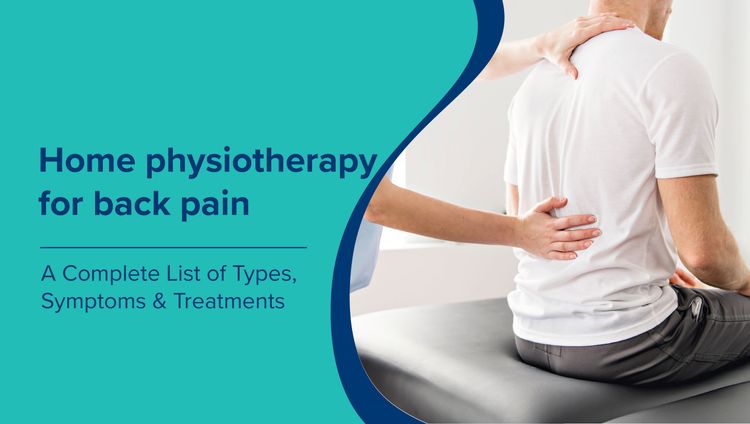
Home Physiotherapy for Back Pain: When You Need It and What to Expect
Physiotherapy is one of the best non-surgical ways to reduce back pain, and home physiotherapy is m...
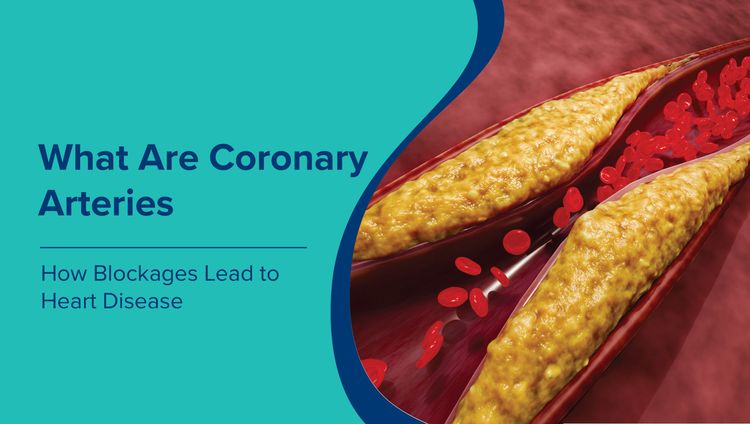
What Are Coronary Arteries? How Blockages Lead to Heart Disease
Coronary arteries supply oxygen-rich blood to the heart muscle, helping it pump efficiently. When th...

Preventive Health Checkups for Senior Citizens
A preventive health checkup is a scheduled medical evaluation performed on an individual who may fee...
What our customers say about us
Mr. K.L. Singh
Gurgaon

I opted for GDA services from Max@Home and even though I was initially sceptical...
Mayank Verma
Delhi
The services provided by Max@Home were truly a blessing. The spontaneous and eff...
Pallavi Shrivastava
New Delhi
My name is Pallavi Shrivastava, and I was suffering from severe kidney problems...
Mr. Saurav Tyagi
Noida
I cannot thank Max@Home enough for the kind gesture that they have shown; I trie...
Sunil Singh
Delhi
My name is Sunil Singh, and last year I suffered from a severe cerebrovascular a...
Nishi Kashyap
Delhi
My name is Nishi Kashyap, and I opted for nursing procedure at home from Max@Hom...
Mr. Nishi Kashyap
My name is Nishi Kashyap, and I opted for home care services for the nursing pro...
Dipti Pande
Gurgaon
Had some tests done from Max at home. It was a smooth experience and Akhlaq Ahma...
Siddhartha Das
Delhi
I have been availing MAX@Home services regularly for myself and family. Experien...
Mohit Anand
New Delhi
Mr Akhlaq form MAX@Home team came to my house for blood collection. He was perfe...
Dk Singh
Noida
I had an excellent experience with the home blood collection service from MAX@Ho...
Syeed Jawed Sadat
Delhi
Had a great experience with Ankit Kumar Singh from MAX@Home during a home blood...
Soft Tissue Mobilisation Physiotherapy Service in Other Cities
Soft Tissue Mobilisation Physiotherapy in Noida
|
Soft Tissue Mobilisation Physiotherapy in Gurgaon
|
Soft Tissue Mobilisation Physiotherapy in Faridabad
|
Soft Tissue Mobilisation Physiotherapy in Mumbai
|
Soft Tissue Mobilisation Physiotherapy in Dehradun
|
Soft Tissue Mobilisation Physiotherapy in Mohali
|
Soft Tissue Mobilisation Physiotherapy in Lucknow
|
Soft Tissue Mobilisation Physiotherapy in Panchkula
|
Soft Tissue Mobilisation Physiotherapy in Zirakpur
|
Soft Tissue Mobilisation Physiotherapy in Chandigarh
|
Soft Tissue Mobilisation Physiotherapy in Ludhiana
|
Soft Tissue Mobilisation Physiotherapy in Amritsar
|
Soft Tissue Mobilisation Physiotherapy in Jalandhar
|
Soft Tissue Mobilisation Physiotherapy in Kharar
|
Soft Tissue Mobilisation Physiotherapy in Nawanshahr
|
Soft Tissue Mobilisation Physiotherapy in Jhansi
|
Soft Tissue Mobilisation Physiotherapy in Gwalior
|
Soft Tissue Mobilisation Physiotherapy in Meerut
|
Soft Tissue Mobilisation Physiotherapy in Moradabad
|
Soft Tissue Mobilisation Physiotherapy in Agra
|
Soft Tissue Mobilisation Physiotherapy in Mathura
|
Soft Tissue Mobilisation Physiotherapy in Kanpur
|
Soft Tissue Mobilisation Physiotherapy in Prayagraj
|
Soft Tissue Mobilisation Physiotherapy in Varanasi
|
Soft Tissue Mobilisation Physiotherapy in Mussorie
|
Soft Tissue Mobilisation Physiotherapy in Rishikesh
|
Soft Tissue Mobilisation Physiotherapy in Haridwar
|
Soft Tissue Mobilisation Physiotherapy in Roorkee
|
Soft Tissue Mobilisation Physiotherapy in Shimla
|
Soft Tissue Mobilisation Physiotherapy in Nagpur
Other Popular Physiotherapy Services
Chest Physiotherapy
|
Neuro Physiotherapy
|
Sports Physiotherapy
|
Kinesiology Tapping Therapy
|
Laser Therapy
|
Lymphatic Drainage Massage
|
Manual Therapy
|
Orthopaedic Physiotherapy
|
Thermotherapy (Heat Therapy)
|
Transcutaneous Electrical Nerve Stimulation (TENS) Therapy
|
Traction Therapy
|
Ultrasound Therapy
|
Post-COVID Physiotherapy
|
Pelvic Floor Physical Therapy
|
Shockwave Therapy
|
Myofascial Release Physiotherapy
|
Interferential Therapy (IFT)
|
Overhead Track Harness Therapy
|
Cryotherapy (Cold Therapy)
Soft Tissue Mobilisation Physiotherapy in Top Cities
Physiotherapy in Lucknow
|
Physiotherapy in Nagpur
|
Physiotherapy in Gwalior
|
Physiotherapy in Jaipur
|
Physiotherapy in Delhi
|
Physiotherapy in Rishikesh
|
Physiotherapy in Patna
|
Physiotherapy in Nawanshahr
|
Physiotherapy in Mumbai
|
Physiotherapy in Prayagraj
|
Physiotherapy in Meerut
|
Physiotherapy in Noida
|
Physiotherapy in Aligarh
|
Physiotherapy in Gurgaon
|
Physiotherapy in Faridabad
|
Physiotherapy in Chandigarh
|
Physiotherapy in Haridwar
|
Physiotherapy in Jalandhar
|
Physiotherapy in Zirakpur
|
Physiotherapy in Mussorie
|
Physiotherapy in Panchkula
|
Physiotherapy in Moradabad
|
Physiotherapy in Mathura
|
Physiotherapy in Jhansi
|
Physiotherapy in Thane
|
Physiotherapy in Navi-Mumbai
|
Physiotherapy in Varanasi
|
Physiotherapy in Greater Noida
|
Physiotherapy in Mohali
|
Physiotherapy in Ghaziabad
|
Physiotherapy in Dehradun
|
Physiotherapy in Amritsar
|
Physiotherapy in Sonipat
|
Physiotherapy in Ludhiana
|
Physiotherapy in Rewari
|
Physiotherapy in Panipat
Other Popular Services
Oncotype DX Breast Cancer Test
|
Nursing Care At Home
|
Oncotype Dx DCIS Test
|
Ambulatory Blood Pressure Monitoring (ABPM)
|
Nursing Procedure at Home
|
Speech Therapy at Home
|
Home Ventilator Service for Safe & Reliable Care
|
Healthcare Attendant at Home
|
Palliative Care at Home
|
Elderly Caretaker Services
|
Occupational Health Services
|
Dialysis at Home
|
Sleep Study Test
|
ELR Test
|
ICU Setup At Home
|
X-RAY At Home
|
Holter Monitor Test
|
ECG At Home
|
Doctor Visit At Home
|
Injection Service at Home
|
Japa Maid Service
|
Oncotype Dx Colon Cancer Test
|
Female Nurse for 12/24 Hour Homecare
|
Arterial Blood Gas (ABG) Test
|
Medical Equipment @HOME
|
Physiotherapy At Home
|
Voice Therapy
Popular Tests in Delhi
Dengue NS 1 Antigen Test (Elisa)
|
MP (Malarial Parasite) Test
|
Thyroid Profile Free (T3, T4 & TSH) Test
|
Widal Test (Tube Method)
|
Max Fever Profile Basic
|
Vitamin B Complex Profile (M) Test
|
CBC (Complete Blood Count),EDTA
|
KFT (Kidney Function Test) Profile with Calcium Uric Acid
|
Liver Function Test (LFT)
|
Urine Routine and Microscopy
|
Blood Sugar Fasting,Fluoride Plasma
|
Glycosylated Haemoglobin (HbA1C),EDTA
|
Urine - Culture & Sensitivity
|
Blood Sugar 2 Hr. PP,Fluoride Plasma
|
Lipid Profile,Serum
|
Prothrombin Time (with INR),Citrate Plasma
|
TSH,Serum
|
Creatinine, Serum
|
Vitamin D Test
|
Vitamin B12, Serum
|
MAU / Creatinine Ratio Urine
|
Blood Sugar (Random), Fluoride Plasma
|
APTT (Partial Thromboplastin Time),Citrate Plasma
|
Blood Grouping and RH Factor
|
Rheumatoid Factor(Quantitative), Serum
|
Magnesium Serum
|
Tacrolimus EDTA
|
HCG - Beta Specific,Serum
|
Prolactin, Serum
|
Iron and Total Iron Binding capacity, serum
|
ESR Test (Erythrocyte Sedimentation Rate)
|
Max STD Panel
|
NT-ProBNP Test
|
Immunofluorescence Test By ANA
|
Uric Acid, Serum
|
Hepatitis B Surface Antigen,Serum
Test by Heath Risk
Test by Health Condition


Select a City
 Delhi
Delhi
 Noida
Noida
 Greater Noida
 Faridabad
 Ghaziabad
 Gurgaon
 Dehradun
 Mohali
 Mumbai
 Lucknow
Nagpur
Chandigarh
Panchkula
Zirakpur
Lucknow
Nagpur
Chandigarh
Panchkula
Zirakpur