


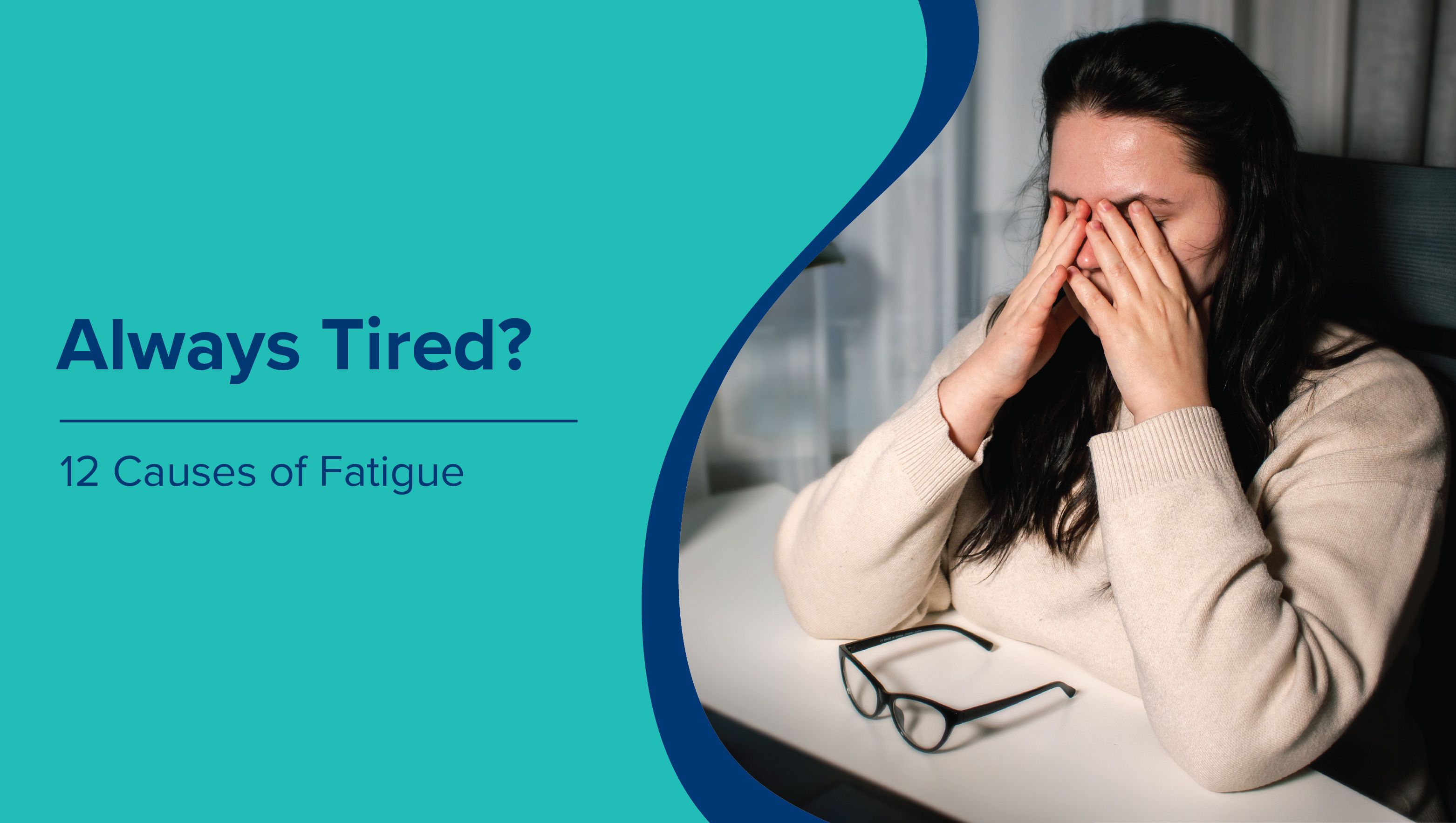


Quick answer: Chronic fatigue that doesn't improve with rest is commonly linked to one of these medical causes: iron-deficiency anemia, hypothyroidism, obstructive sleep apnea, type 2 diabetes, depression or anxiety, vitamin B12 deficiency, vitamin D deficiency, chronic kidney disease, heart disease, chronic fatigue syndrome (ME/CFS), celiac disease, or medication side effects. A standard fatigue workup, complete blood count, thyroid panel, fasting glucose, iron studies, and vitamin levels, can quickly identify or rule out the most common metabolic, hormonal, and hematologic causes, often within an initial round of testing. Many labs bundle these into a single full body health checkup package so you get a complete picture in one sitting instead of ordering tests one at a time.
At a glance: 12 causes of fatigue and their telltale signs
| S.No | Cause of fatigue | Often paired with |
|---|---|---|
| 1 | Iron-deficiency anemia | Shortness of breath, pale skin, cold hands and feet |
| 2 | Hypothyroidism | Weight gain, cold intolerance, brain fog, dry skin |
| 3 | Obstructive sleep apnea | Loud snoring, morning headaches, unrefreshing sleep |
| 4 | Type 2 diabetes | Excess thirst, frequent urination, blurry vision |
| 5 | Depression and anxiety | Low motivation, poor concentration, disrupted sleep |
| 6 | Vitamin B12 deficiency | Numbness or tingling, pale skin, memory trouble |
| 7 | Vitamin D deficiency | Muscle weakness, bone or joint aches, low mood |
| 8 | Chronic kidney disease | Swelling, changes in urination, high blood pressure |
| 9 | Heart disease | Breathlessness, swelling in the legs, chest discomfort |
| 10 | ME/CFS | Post-exertional crashes, unrefreshing sleep, brain fog |
| 11 | Celiac disease | Bloating, diarrhea or constipation, nutrient deficiencies |
| 12 | Medication side effects | Timing linked to a new prescription or dosage change |
1. Iron-deficiency anemia
Iron-deficiency anemia happens when your body doesn't have enough healthy red blood cells to carry oxygen to your tissues. It's one of the most common medical causes of chronic fatigue, especially if you're a woman of reproductive age. The Cleveland Clinic explains that symptoms tend to build gradually, and can include fatigue, shortness of breath, and a racing heart, often alongside pale skin and cold hands and feet.
And here's why it makes you tired: since you don't have enough hemoglobin, there won't be enough oxygen for your muscles and tissue. In order to make everything run properly in your body, your heart works much harder, which exhausts it.
How it's diagnosed: A complete blood count plus ferritin and iron studies. Patients can also suffer from non-anemic iron deficiency, where hemoglobin levels appear normal on a CBC but ferritin stores are depleted, making a ferritin check essential.
2. Hypothyroidism (underactive thyroid)
A lack of hormone production by the thyroid gland causes all functions in the body to slow down, including the production of energy at the cellular level. This is why exhaustion and a lack of energy are so closely associated with thyroid conditions. Fatigue is an important characteristic of hypothyroidism, which usually goes hand in hand with such symptoms as brain fog, unexpected weight gain, dry skin, sensitivity to cold, and depression. The clinical overview from Yale Medicine supports this claim, adding that the slowing of bodily functions caused by insufficient amounts of hormones causes exhaustion, weight gain, and sensitivity to cold, and that lifelong hormone replacement therapy is usually the long-term fix.
How it's diagnosed: a TSH (thyroid-stimulating hormone) test, often paired with free T4 as part of a thyroid profile test. Elevated TSH with low free T4 confirms primary hypothyroidism.
3. Obstructive sleep apnea (OSA)
Snore loudly? Wake up gasping? Never feel refreshed no matter how many hours you spend in bed? Sleep apnea is worth ruling out. According to Mayo Clinic, continuous collapse of your airways while sleeping makes you suffer fragmented sleep throughout the night, causing excessive daytime sleepiness, fatigue, irritability, and inability to concentrate despite having slept for a sufficient amount of time. The Cleveland Clinic adds that people with OSA often wake up repeatedly without even realizing it, which is exactly why they end up exhausted despite a full night in bed. Morning headaches, a dry mouth on waking, and getting up to urinate at night are other clues clinicians watch for.
How it's diagnosed: an overnight polysomnogram (in-lab sleep study) or a home sleep apnea test, sometimes preceded by a screening questionnaire at your doctor's office.
4. Type 2 diabetes
Fatigue is one of the classic early warning signs of diabetes, according to the CDC, right alongside increased thirst, frequent urination, blurry vision, and unexplained weight loss. High blood sugar gets in the way of your body's ability to actually absorb and use glucose for energy. So even though there's plenty of sugar floating around in your bloodstream, your tissues are essentially running on empty.
The Mayo Clinic points to a second mechanism worth knowing: dehydration from frequent urination, a direct effect of your kidneys working overtime to filter out excess glucose, piles onto the tiredness and can also trigger rapid, unintentional weight loss.
How it's diagnosed: fasting plasma glucose, HbA1c (your average blood sugar over roughly three months), or an oral glucose tolerance test.
5. Depression and anxiety
Mental health conditions are physical, not just emotional, and constant fatigue is one of their most consistently reported symptoms. Persistent low energy, paired with trouble concentrating, low motivation, and losing interest in things you used to enjoy, is a recognized feature of depression and anxiety disorders.
The fatigue is often similar to that seen in a physical illness such as anemia or hypothyroidism. This is the reason why professionals normally investigate whether the cause of the fatigue is either physical or psychological, rather than chalking up your exhaustion to "just stress."
How it's assessed: a clinical interview using standardized screening tools, sometimes alongside bloodwork to rule out physical contributors first. A doctor visit at home is a low-friction way to start that conversation if getting to a clinic feels like one more thing you don't have the energy for.
6. Vitamin B12 deficiency
Vitamin B12 is important for the production of red blood cells as well as maintaining nerve function, meaning that if you lack vitamin B12, you will feel tired from two aspects at once. According to the Office of Dietary Supplements of the NIH, fatigue and weakness are major symptoms of vitamin B12 deficiency, along with pale skin, palpitations, lack of appetite, and numbness or tingling sensations in the hands and feet. Vitamin B12 deficiency leads to megaloblastic anemia (enlarged dysfunctional red blood cells).
Deficiency is more common than you might think, particularly if you're older, vegetarian or vegan, dealing with an absorption disorder like pernicious anemia, or taking long-term proton pump inhibitors or metformin, both of which the NIH notes can interfere with B12 absorption.
How it's diagnosed: a Vitamin B12 blood test, sometimes paired with methylmalonic acid (MMA) testing when results fall in a gray zone.
7. Vitamin D deficiency
The signs include fatigue, muscle weakness, and bone and joint pain. The condition occurs more often in individuals who are usually indoors, live in areas where there is little sunlight during winters, and have darker skin tones, which are less efficient at synthesizing vitamin D through sunlight. It's one of the standard, inexpensive tests doctors run when investigating unexplained tiredness, mostly because fixing a genuine deficiency through supplementation is simple and low-risk.
How it's diagnosed: a vitamin D test (25-hydroxyvitamin D). Cutoff interpretations vary; while <20 ng/mL is universally recognized as deficient, the 20-29 ng/mL range is debated depending on lab guidelines and individual risk factors, with the National Academy of Medicine considering ≥20 ng/mL sufficient for skeletal health in the general healthy population.
8. Chronic kidney disease (CKD)
Fatigue is one of the most commonly reported symptoms among people living with chronic kidney disease, and the causes tend to stack on top of each other. Reduced kidney function means less erythropoietin, the hormone that tells your bone marrow to make red blood cells, so anemia often develops right alongside CKD. Waste products that healthy kidneys would normally filter out can build up in your blood, and muscle wasting becomes more common as the disease progresses.
The NIH's National Institute of Diabetes and Digestive and Kidney Diseases (NIDDK) specifically calls out depression as common in people managing chronic kidney disease, and recommends mental health support alongside physical treatment, since low mood and physical exhaustion tend to feed off each other.
How it's diagnosed: a kidney function test (serum creatinine, used to calculate estimated glomerular filtration rate or eGFR) and a urine test for albumin, which together show how well your kidneys are filtering waste.
9. Heart disease (specifically heart failure)
If your heart is unable to effectively push the blood through the body to meet the body's demands, then there isn't enough oxygen reaching your muscles and organs, leading to fatigue as one of the first symptoms. Fatigue is one of the main symptoms of heart failure according to the American Heart Association. It is also noted that as your heart's pumping ability decreases, normal daily activities begin to become increasingly difficult. MedlinePlus, a consumer health resource from the U.S. National Library of Medicine, makes a similar point: fatigue or weakness even after resting is a common early symptom of congestive heart failure, often paired with breathlessness during routine activity like climbing a flight of stairs.
If you have fatigue along with shortness of breath, swelling in the legs or ankles, or chest pain, it is important for you to seek medical evaluation.
How it's diagnosed: typically starts with a physical exam, an ECG at home, and blood tests (such as BNP or NT-proBNP), followed by an echocardiogram if heart failure is suspected.
10. Chronic fatigue syndrome (ME/CFS)
Myalgic Encephalomyelitis or Chronic Fatigue Syndrome is a unique, physiological condition, not simply "exhaustion." As per the CDC, ME/CFS is characterized by profound exhaustion that cannot be attributed to any other disease, does not go away with rest, and has a defining symptom of post-exertional malaise, a worsening of symptoms after even minor physical or mental activity, sometimes bad enough to require extended bed rest to recover.
The CDC estimates as many as 3.3 million people in the United States live with ME/CFS, and that more than 9 in 10 remain undiagnosed, partly because there's no single lab test that confirms it. Diagnosis instead relies on a defined set of core symptoms: profound fatigue lasting six months or longer, post-exertional malaise, unrefreshing sleep, and at least one of either cognitive impairment or orthostatic intolerance (feeling lightheaded or dizzy when you stand up). Because ME/CFS is diagnosed by ruling everything else out, working through conditions like anemia, thyroid disease, and sleep disorders is typically part of the process before this diagnosis gets confirmed.
How it's diagnosed: there's no single test; diagnosis rests on a detailed medical history, physical exam, and lab work to rule out other explanations.
11. Celiac disease and other gut conditions
Celiac disease and related malabsorption disorders can leave your body unable to properly absorb iron, B12, and other nutrients you need for energy production, even if your diet looks perfectly healthy on paper. The NIH's NIDDK notes that gluten-related conditions commonly cause fatigue and general tiredness alongside abdominal symptoms like pain and bloating, and that celiac disease often goes undiagnosed because symptoms can be subtle or have nothing to do with digestion at all.
How it's diagnosed: a celiac antibody test (tissue transglutaminase IgA), typically followed by an intestinal biopsy to confirm the diagnosis.
Since the combination of total serum IgA and tTG-IgA helps clinicians overcome the problem of false negatives as a result of selective IgA deficiency, the use of DGP-IgG as an alternative is possible when total IgA is lacking. Patients must remain on a gluten-containing diet during antibody and biopsy testing, as adopting a gluten-free diet beforehand can lead to false-negative results.
12. Medication side effects
Antihistamines, blood pressure medications, antidepressants, pain medicines, and chemotherapy or radiation treatments are all recognized causes of fatigue, according to the Mayo Clinic's clinical overview of symptom causes. Sometimes it's a single medication doing the damage; other times it's an interaction between several drugs, or fatigue that only shows up after a dosage increase.
If your tiredness started around the same time as a new prescription or a dosage change, mention that timing to your doctor or pharmacist directly. It can save you weeks of unnecessary testing.
How it's assessed: a medication review with your doctor or pharmacist, sometimes including a trial dosage adjustment or substitution under medical supervision.
When to see a doctor about fatigue: Generally, normal exhaustion is easily treated through good sleep, hydration, and stress management. Seek emergency care if you have chest pain and acute difficulty breathing, as these require immediate evaluation to rule out serious conditions. Otherwise, get checked out for fatigue that is severe, lasts more than two weeks, or occurs alongside other symptoms like fever, weight loss, and edema. A complete blood test, complete blood count, thyroid hormone tests, fasting glucose levels, iron levels, and B12 and D levels, can diagnose most causes mentioned above.
Frequently asked questions
What blood tests check for the cause of fatigue?
Start with a complete blood count to check for anemia, thyroid function tests (TSH and free T4), fasting glucose or HbA1c, ferritin and iron studies, and vitamin B12 and D levels. Depending on what else is going on, your doctor might add kidney function tests (eGFR), liver function tests, or a celiac antibody panel.
Can dehydration alone cause fatigue that mimics a medical condition?
It can. Chronic mild dehydration can cause general sluggishness, brain fog, and low energy, which may mimic the symptoms of various chronic illnesses. However, it's important to note that in diabetes, dehydration is typically a symptom, caused by the body losing water through excess urination, rather than a cause of the fatigue itself. This is exactly why doctors rule out simple, easily corrected issues before ordering a more extensive medical workup.
Is fatigue from anemia different from fatigue caused by thyroid problems?
Not necessarily. While both conditions may make one feel extremely tired, anemia will cause shortness of breath and paleness, whereas hypothyroidism will tend towards gaining weight and intolerance to cold weather. The only way to differentiate between the two is through a blood test.
How is ME/CFS different from ordinary tiredness or burnout?
The defining feature is post-exertional malaise, a delayed worsening of symptoms after you've been physically or mentally active, according to the CDC. Ordinary tiredness or burnout usually gets better with rest. ME/CFS fatigue doesn't, and pushing through activity can actually make it worse.
How long is too long to be tired before seeing a doctor?
As a rule of thumb, if fatigue lasts more than two weeks despite decent sleep, or starts getting in the way of your work, relationships, or daily life, it's worth getting checked out rather than waiting it out.
Feeling drained no matter how much you rest?
Noticed unexplained tiredness, brain fog, or low energy that isn't going away? A simple at-home blood panel can check for anemia, thyroid issues, blood sugar, and vitamin deficiencies, all without a lab visit.
Book a Full Body Health Checkup at HomeRelated support
- Serum Ferritin Test: Normal Range, Low & High Levels - understand what your iron-storage numbers actually mean.
- Thyroid Normal Values: T3, T4 & TSH Range - a quick reference for reading a thyroid report.
- Vitamin B12 Deficiency: Symptoms, Causes & How to Boost Levels - what to do once low B12 is confirmed.
- Serum Creatinine Levels: Normal Range by Age & Gender - for anyone flagged for a kidney function check.
- Doctor Visit at Home - get a same-day consultation to interpret your results and plan next steps.




 Call: 9240299624

