


Hi Guest Login
Home > Service > Physiotherapy > Cryotherapy Cold Therapy
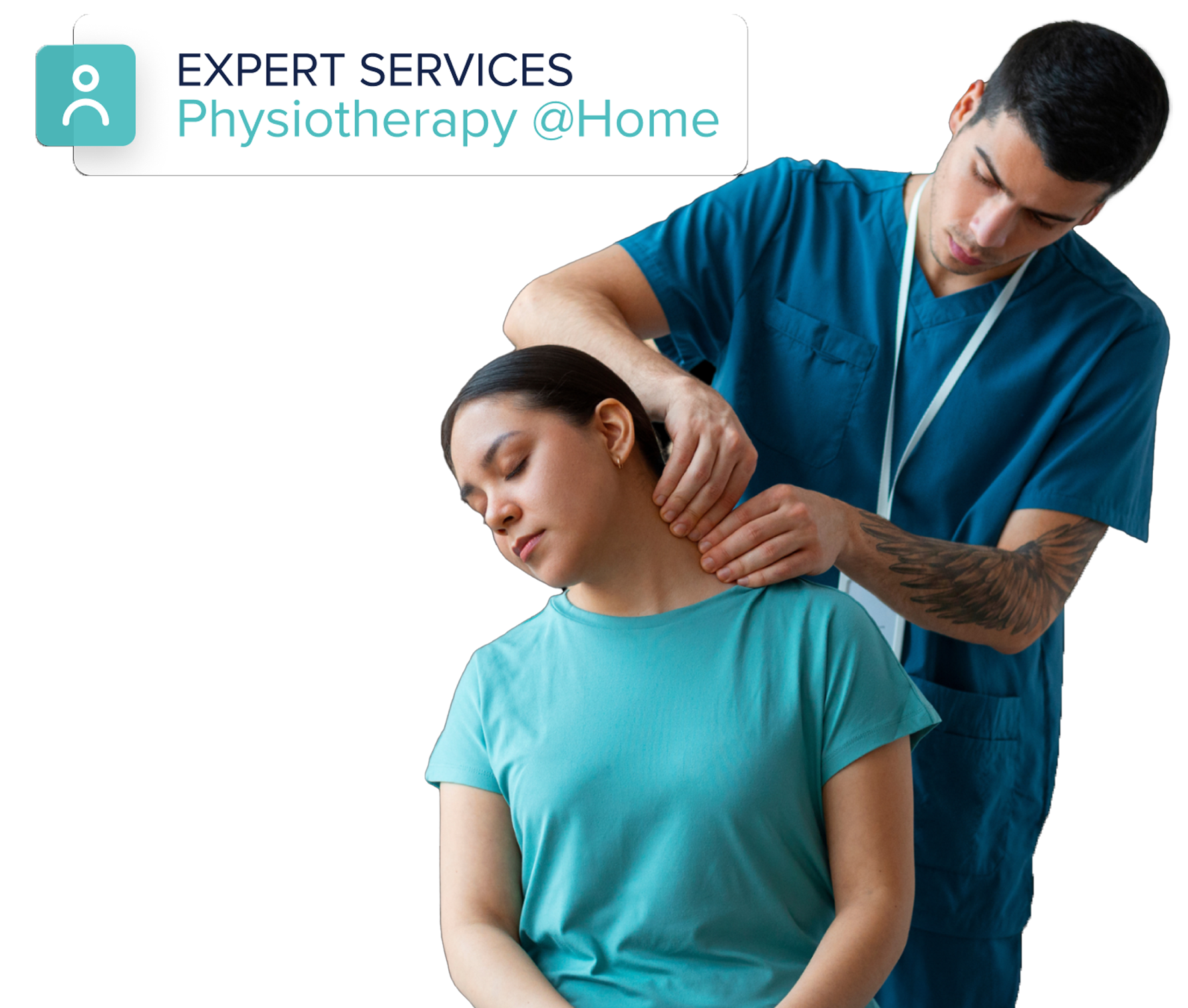
Cryotherapy (Cold Therapy)
Physiotherapy Sessions at Home: Your Journey To Recovery Start Here

Upto 20% Discount on Home Physio Sessions
* T&C apply
Upto 20% Discount on Home Physio Sessions
* T&C apply
 Call: 9240299624
 Book Cryotherapy (Cold Therapy) with MAX@Home
Cryotherapy (Cold Therapy) is a therapeutic technique used to reduce inflammation, relieve pain, and speed up recovery by applying controlled cold to affected areas. At MAX@Home, we offer targeted cryotherapy sessions tailored to your condition. Whether you’re dealing with acute injuries, swelling, or post-exercise soreness, our physiotherapists provide personalised, effective care to support pain relief and faster healing.
- Skilled Physiotherapists
- Personalised Recovery Support
- Comfort-Focused Sessions
Overview
Cryotherapy, also known as cold therapy, is a modern treatment method that uses controlled low temperatures to relieve pain, reduce inflammation, and speed up recovery. Once limited to sports medicine and specialised clinics, cryotherapy is now widely used in physiotherapy, wellness, and even skincare. It offers targeted relief for injuries, muscle soreness, and chronic conditions while also providing rejuvenating effects for overall health. With MAX@Home, accessing cryotherapy becomes easier than ever. Professional physiotherapists deliver safe and effective cold therapy at our well-equipped physiotherapy centres, ensuring convenience, expert supervision, and personalised care in a professional environment.
What is Cryotherapy?
Cryotherapy or cold therapy, is a treatment method that uses extremely low temperatures for therapeutic benefits. It is based on the principle of applying cold temperatures in a controlled setting to the body or a specific area to provide relief and support healing. The treatment can be delivered in different forms, ranging from simple ice packs and cold compression devices to advanced chambers used for whole body cryotherapy.
In physiotherapy, cryotherapy is commonly used to ease pain, support sports recovery, and assist in post-surgical rehabilitation. Beyond medical purposes, it is also applied in skincare for rejuvenation and in wellness programmes for overall health improvement.
How Does Cryotherapy Work?
Cryotherapy works on the principle that controlled exposure to cold temperatures triggers beneficial physiological responses in the body. When an area is cooled, blood vessels constrict (vasoconstriction), reducing blood flow and thereby limiting inflammation and swelling. Once the cold source is removed, blood vessels dilate (vasodilation), allowing a fresh supply of oxygenated blood and nutrients to reach the tissues, promoting faster healing.
In whole body cryotherapy, temperatures may drop as low as –110°C to –140°C for short durations, while in localised cryotherapy, cold is applied directly to a specific joint, muscle, or injury site. These temperature shifts stimulate the nervous system, reduce pain signals, and may even boost endorphin release, improving mood and energy levels.
Types of Cryotherapy
Cryotherapy can be applied in different ways depending on the purpose, treatment area, and equipment used. The main types include:
1. Whole Body Cryotherapy (WBC)
This involves entering a specialised chamber where the entire body is exposed to extremely low temperatures for a few minutes. Whole body cryotherapy is often used for sports recovery, mood enhancement, and overall wellness.
2. Localised Cryotherapy
Here, cold is applied directly to a specific part of the body using devices or probes. It is commonly used in physiotherapy to treat injuries, reduce joint pain, and ease swelling in targeted areas.
3. Cryofacial (Facial Rejuvenation)
This technique directs a stream of cold air to the face, stimulating blood flow and collagen production. Cryofacials are popular for anti-aging, reducing puffiness, and giving the skin a refreshed appearance.
4. Cryo Slimming & Body Sculpting
By combining cold exposure with controlled therapy techniques, cryotherapy may assist in breaking down fat cells and contouring specific body areas. While not a substitute for weight loss programmes, it can be used as a supportive treatment.
Benefits of Cryotherapy
Cryotherapy has gained popularity across medical, fitness, and wellness fields due to its wide-ranging benefits. Below are some of the most recognised advantages:
Pain Relief & Muscle Recovery
Cold therapy numbs nerve activity, which helps reduce pain in joints, muscles, and tissues. Athletes often use cryotherapy to recover quickly after intense workouts, as it helps relieve soreness and supports faster muscle repair.
Reducing Inflammation
By constricting blood vessels and lowering tissue temperature, cryotherapy effectively reduces inflammation and swelling. This makes it useful for conditions such as arthritis, tendonitis, or post-surgical recovery.
Skin Rejuvenation & Anti-Aging
Cryotherapy improves circulation, stimulates collagen production, and tightens skin, leading to a healthier, more youthful appearance. Facial cryotherapy, also known as cryofacial, is commonly used for anti-aging and skin glow.
Boosting Metabolism & Weight Loss Support
Exposure to extremely cold temperatures forces the body to work harder to maintain its core heat, which may increase calorie burning. While not a standalone weight loss solution, cryotherapy can complement lifestyle changes for weight management.
Mental Health & Mood Enhancement
Short bursts of cold exposure trigger the release of endorphins and norepinephrine, which may help reduce stress, improve sleep quality, and enhance overall mood.
Who Can Benefit from Cryotherapy?
Cryotherapy offers a wide range of applications, making it suitable for different groups of people. Some of the most common beneficiaries include:
-
Athletes & Fitness Enthusiasts: Used to reduce muscle soreness, speed up recovery after training, and enhance performance.
-
Individuals with Chronic Pain or Inflammation: Helpful in managing conditions such as arthritis, tendonitis, and back pain.
-
People Seeking Anti-Aging or Skin Rejuvenation: Cryofacials and localised cryotherapy improve skin texture, boost collagen, and reduce signs of ageing.
-
Recovery Support After Injury or Surgery: Cold therapy is often recommended as part of rehabilitation to control swelling and pain.
-
General Wellness & Biohacking: Some use cryotherapy for mood enhancement, energy boost, and overall well-being.
Preparing for a Cryotherapy Session
Getting ready for a cryotherapy session is simple, but a few precautions help ensure safety and comfort.
What to Wear
-
Loose, comfortable clothing is best.
-
For whole body cryotherapy, protective gear such as gloves, socks, and slippers may be required to prevent frostbite.
-
For localised therapy, the area being treated should be exposed for direct application.
Pre-Session Guidelines
-
Avoid applying oils, lotions, or moisture-based creams before the session, as they may increase sensitivity to cold.
-
Ensure the skin is completely dry to reduce frostbite risk.
-
People with certain medical conditions should consult a doctor or physiotherapist before starting therapy.
-
Stay hydrated, as proper circulation supports better results from the session.
What to Expect During a Cryotherapy Session
A cryotherapy session is straightforward and usually lasts only a few minutes. Here’s what typically happens:
Before the Session
The therapist explains the procedure, checks for any contraindications, and ensures protective gear (if required) is in place. Skin is inspected to confirm there are no open wounds or moisture.
During Treatment
Depending on the type of cryotherapy, cold is applied either to the whole body or a specific area. In whole body cryotherapy, a chamber exposes the body to very low temperatures for 2–4 minutes. In localised therapy, devices or probes are directed at the affected area for targeted cooling.
What It Feels Like
Most people describe the sensation as an intense chill, but it is usually tolerable. The exposure is brief, and the cold quickly gives way to a warming sensation once the session ends.
Aftercare & Recovery Tips
Once the session is complete, normal movement and blood flow resume. Light stretching or walking helps circulation. Most individuals feel refreshed and energised, while those recovering from injury often notice reduced swelling and discomfort.
Safety & Contraindications
Cryotherapy is generally safe when carried out under professional supervision, but like any treatment, it comes with precautions. Understanding who can and cannot undergo this therapy is important for avoiding risks.
Is Cryotherapy Safe?
Most healthy individuals can safely undergo cryotherapy. When performed correctly, it helps with pain relief, recovery, and overall well-being without major side effects.
Who Should Avoid It
Cryotherapy is not recommended for:
-
People with uncontrolled high blood pressure or severe heart conditions
-
Individuals with poor circulation or vascular disorders
-
Pregnant women
-
People with unmanaged respiratory illnesses
-
Those with open wounds, skin infections, or cold allergies
Myths vs. Facts
-
Myth: Cryotherapy is painful.
Fact: While it feels intensely cold, the exposure is brief and well tolerated by most people. -
Myth: Only athletes use cryotherapy.
Fact: It benefits a wide range of people, from chronic pain patients to those seeking skin rejuvenation.
Possible Side Effects & Risks
-
Temporary redness or numbness at the treatment site
-
Tingling sensation or skin irritation
-
In rare cases, frostbite may occur if proper safety precautions are not followed.
When conducted by trained professionals, these risks are minimal and well managed.
Sessions & Results
The effectiveness of cryotherapy depends on the number of sessions, duration, and the condition being treated.
How Many Sessions Are Needed
For general wellness, some people notice benefits after just one session. However, for chronic pain, injury recovery, or skin concerns, multiple sessions spread over weeks may be recommended by physiotherapists.
Duration of Each Session
-
Whole body cryotherapy: 2–4 minutes inside the chamber
-
Localised cryotherapy: 10–15 minutes on a specific area
-
Cryofacial: 10–20 minutes depending on skin needs
How Long It Takes to See Results
Immediate effects such as reduced soreness or improved mood are often felt after the first session. Long-term results, including reduced inflammation or improved skin tone, may take several sessions.
Cryotherapy Before Exercise: Should You Try It?
Many athletes and fitness enthusiasts consider cryotherapy before workouts to improve performance. However, its role depends on the type of exercise and the goal.
Applying cryotherapy before intense activity may reduce pain and inflammation, which can be useful if there is existing soreness or minor injury. That said, excessive cold exposure can temporarily lower muscle strength and flexibility, making it less suitable before strength training or high-intensity sports.
For most people, cryotherapy works best after exercise to speed up recovery and reduce fatigue. If used before a workout, it should be guided by a physiotherapist to ensure it does not hinder performance.
Pricing & Packages for Cryotherapy
The cost of cryotherapy depends on the type of treatment, session duration, and whether it is taken individually or as part of a package. At MAX@Home, pricing is kept transparent to ensure affordability and accessibility.
Factors Affecting Cryotherapy Cost
-
Type of Cryotherapy: Whole body sessions are generally priced higher than localised therapy or cryofacials.
-
Number of Sessions: Booking multiple sessions or packages often reduces the per-session cost.
-
Location: Prices may differ slightly from city to city.
Cryotherapy Packages at MAX@Home
MAX@Home offers flexible packages for pain relief, sports recovery, and wellness support, allowing individuals to choose single sessions or discounted multi-session plans.
Why Choose MAX@Home for Cryotherapy?
At MAX@Home, we believe that advanced treatments like cryotherapy should be safe, convenient, and accessible to everyone. That's why we provide professional care at our modern centres, so you can focus on recovery and wellness in a comfortable healthcare environment.
-
Expert Physiotherapists: Our team is trained to deliver cryotherapy safely and effectively, ensuring every session meets your health needs.
-
Professional Treatment Centres: Experience therapy in our well-equipped facilities designed to provide the highest standards of care and hygiene.
-
Quality You Can Trust: Backed by NABL-accredited standards, every treatment is carried out with precision and care.
-
Affordable & Transparent Pricing: We keep our packages clear and cost-effective, so you know exactly what you are paying for.
-
Trusted by Millions: With over 35 lakh patients already choosing MAX@Home, you can count on us for dependable healthcare.
Book Your Cryotherapy Session with MAX@Home Today
Take the first step towards faster recovery, pain relief, and overall wellness with safe and effective cryotherapy from MAX@Home. Our expert physiotherapists provide professional cold therapy at physiotherapy centres, ensuring comfort, care, and trusted results.
To book a cryotherapy session, call 9240299624 or schedule the test online through our easy-to-use booking platform.

Read More
Our Services
Physiotherapists are professionals trained in employing physical methods to help patients manage pain, enhance mobility, and rehabilitate from injuries. MAX@Home brings these services directly to your home, ensuring comfort, convenience, and personalized care.
Specialised Pain Management Programs
At MAX@Home, we provide specialised pain management programs

Wellness Programs
At MAX@Home, we provide specialised Wellness Programs for your care.

Post-Surgical Physiotherapy
At MAX@Home, we provide specialised Post-Surgical Physiotherapy
Advanced Rehabilation Programs
At MAX@Home, we provide specialised Advanced Rehabilation Programs
Specialised Pain Management Programs
- Targeted Care for Joint and Muscle Pain
- Upper Body Pain Solutions
- Back and Neck Pain Management
- Specialized Treatments
- Chronic Conditions Focus
- Holistic Pain Relief Approaches
Our Features
Physiotherapists are doctors who have been trained to use physical methods to help patients feel less pain and improve or restore their mobility.

Complimentary upfront and regular supervisor assessment

Specialised kits with assistive equipment

Regular updates to your treating doctor

Care plan designed with your treating doctor
Medically Reviewed By

10+ Years of Experience
Last Updated :
February 18, 2026
Top Symptoms
Physiotherapy for Foot Pain

Physiotherapy for Muscle Stiffness
Physiotherapy for Joint Pain

Physiotherapy for Headache
Physiotherapy for Loss of Balance
Physiotherapy for Shortness of Breath
Physiotherapy for Shoulder Pain
Physiotherapy for Knee Pain
Physiotherapy for Cracking Joints
Physiotherapy for Back Pain
Physiotherapy for Inflammation
Physiotherapy for Sprains And Strains
Top Conditions
Achilles Tendon Rupture Physiotherapy
Shoulder Impingement Physiotherapy
Chondromalacia Patella Physiotherapy
Disc Bulge Physiotherapy
Slipped Disc Physiotherapy
Hip Replacement Physiotherapy
Carpal Tunnel Syndrome Physiotherapy
Vertigo Physiotherapy
Frozen Shoulder Physiotherapy
Retrolisthesis Physiotherapy
Ankle Sprain Physiotherapy
Meralgia Paresthetica Physiotherapy
Frequently Asked Questions
Is cryotherapy suitable for everyone?

What should I wear to a cryotherapy session?
Can I combine cryotherapy with other treatments?
What is cryotherapy in physiotherapy?
What is cryotherapy used for?
Does cryotherapy really help with weight loss?
Are there long-term benefits of cryotherapy?
Is cryotherapy painful?
How cold is cryotherapy?
How often should I take cryotherapy sessions?
Can I get cryotherapy physiotherapy near me?
What is the cost of cryotherapy near me?
Health Blog
View All
Normal Haemoglobin Level by Age & Gender
See the normal haemoglobin (Hb) range by age and gender, why lab reports can vary between clinics, W...
Always Tired? 12 Causes of Fatigue (and What Doctors Actually Test For)
Feeling tired all the time? It could be more than just poor sleep. Here are 12 common medical causes...
Dengue vs Malaria: Symptoms, Tests & Key Differences
Dengue and malaria are both mosquito-borne fevers, but they come from different mosquitoes and diffe...
Swine Flu (H1N1): Symptoms and Recovery
Swine flu is an infection caused by the H1N1 subtype of the influenza A virus
What our customers say about us
Mr. K.L. Singh
Gurgaon

I opted for GDA services from Max@Home and even though I was initially sceptical...
Mayank Verma
Delhi
The services provided by Max@Home were truly a blessing. The spontaneous and eff...
Pallavi Shrivastava
New Delhi
My name is Pallavi Shrivastava, and I was suffering from severe kidney problems...
Mr. Saurav Tyagi
Noida
I cannot thank Max@Home enough for the kind gesture that they have shown; I trie...
Sunil Singh
Delhi
My name is Sunil Singh, and last year I suffered from a severe cerebrovascular a...
Nishi Kashyap
Delhi
My name is Nishi Kashyap, and I opted for nursing procedure at home from Max@Hom...
Mr. Nishi Kashyap
My name is Nishi Kashyap, and I opted for home care services for the nursing pro...
Dipti Pande
Gurgaon
Had some tests done from Max at home. It was a smooth experience and Akhlaq Ahma...
Siddhartha Das
Delhi
I have been availing MAX@Home services regularly for myself and family. Experien...
Mohit Anand
New Delhi
Mr Akhlaq form MAX@Home team came to my house for blood collection. He was perfe...
Dk Singh
Noida
I had an excellent experience with the home blood collection service from MAX@Ho...
Syeed Jawed Sadat
Delhi
Had a great experience with Ankit Kumar Singh from MAX@Home during a home blood...
Other Popular Physiotherapy Services
Chest Physiotherapy
|
Neuro Physiotherapy
|
Sports Physiotherapy
|
Kinesiology Tapping Therapy
|
Laser Therapy
|
Lymphatic Drainage Massage
|
Manual Therapy
|
Orthopaedic Physiotherapy
|
Thermotherapy (Heat Therapy)
|
Transcutaneous Electrical Nerve Stimulation (TENS) Therapy
|
Traction Therapy
|
Ultrasound Therapy
|
Post-COVID Physiotherapy
|
Pelvic Floor Physical Therapy
|
Shockwave Therapy
|
Soft Tissue Mobilisation Physiotherapy
|
Myofascial Release Physiotherapy
|
Interferential Therapy (IFT)
|
Overhead Track Harness Therapy
Cryotherapy (Cold Therapy) in Top Cities
Physiotherapy in Lucknow
|
Physiotherapy in Nagpur
|
Physiotherapy in Gwalior
|
Physiotherapy in Jaipur
|
Physiotherapy in Delhi
|
Physiotherapy in Rishikesh
|
Physiotherapy in Patna
|
Physiotherapy in Nawanshahr
|
Physiotherapy in Mumbai
|
Physiotherapy in Prayagraj
|
Physiotherapy in Kalyan
|
Physiotherapy in Meerut
|
Physiotherapy in Noida
|
Physiotherapy in Pune
|
Physiotherapy in Aligarh
|
Physiotherapy in Gurgaon
|
Physiotherapy in Faridabad
|
Physiotherapy in Chandigarh
|
Physiotherapy in Haridwar
|
Physiotherapy in Jalandhar
|
Physiotherapy in Zirakpur
|
Physiotherapy in Mussorie
|
Physiotherapy in Panchkula
|
Physiotherapy in Moradabad
|
Physiotherapy in Mathura
|
Physiotherapy in Jhansi
|
Physiotherapy in Thane
|
Physiotherapy in Navi-Mumbai
|
Physiotherapy in Varanasi
|
Physiotherapy in Mira Bhayandar
|
Physiotherapy in Greater Noida
|
Physiotherapy in Mohali
|
Physiotherapy in Ghaziabad
|
Physiotherapy in Dehradun
|
Physiotherapy in Amritsar
|
Physiotherapy in Sonipat
Other Popular Services
Oncotype DX Breast Cancer Test
|
Nursing Care At Home
|
Oncotype Dx DCIS Test
|
Ambulatory Blood Pressure Monitoring (ABPM)
|
Nursing Procedure at Home
|
Speech Therapy at Home
|
Home Ventilator Service for Safe & Reliable Care
|
Healthcare Attendant at Home
|
Palliative Care at Home
|
Elderly Caretaker Services
|
Occupational Health Services
|
Dialysis at Home
|
Sleep Study Test
|
ELR Test
|
ICU Setup At Home
|
X-RAY At Home
|
Home Fumigation & Sanitization Services
|
Holter Monitor Test
|
ECG At Home
|
Doctor Visit At Home
|
Injection Service at Home
|
Japa Maid Service
|
Oncotype Dx Colon Cancer Test
|
Female Nurse for 12/24 Hour Homecare
|
Arterial Blood Gas (ABG) Test
|
Medical Equipment @HOME
|
Physiotherapy At Home
|
Voice Therapy
Popular Tests in Delhi
Dengue NS 1 Antigen Test (Elisa)
|
MP (Malarial Parasite) Test
|
Thyroid Profile Free (T3, T4 & TSH) Test
|
Widal Test (Tube Method)
|
Max Fever Profile Basic
|
Vitamin B Complex Profile (M) Test
|
CBC (Complete Blood Count),EDTA
|
KFT (Kidney Function Test) Profile with Calcium Uric Acid
|
Liver Function Test (LFT)
|
Urine Routine and Microscopy
|
Blood Sugar Fasting,Fluoride Plasma
|
Glycosylated Haemoglobin (HbA1C),EDTA
|
Urine - Culture & Sensitivity
|
Blood Sugar 2 Hr. PP,Fluoride Plasma
|
Lipid Profile,Serum
|
Prothrombin Time (with INR),Citrate Plasma
|
TSH,Serum
|
Creatinine, Serum
|
Vitamin D Test
|
Vitamin B12, Serum
|
MAU / Creatinine Ratio Urine
|
Blood Sugar (Random), Fluoride Plasma
|
APTT (Partial Thromboplastin Time),Citrate Plasma
|
Blood Grouping and RH Factor
|
Rheumatoid Factor(Quantitative), Serum
|
Magnesium Serum
|
Tacrolimus EDTA
|
HCG - Beta Specific,Serum
|
Prolactin, Serum
|
Iron and Total Iron Binding capacity, serum
|
ESR Test (Erythrocyte Sedimentation Rate)
|
Max STD Panel
|
NT-ProBNP Test
|
Immunofluorescence Test By ANA
|
Uric Acid, Serum
|
Hepatitis B Surface Antigen,Serum
Test by Heath Risk
Test by Health Condition


Select a City
 Delhi
Delhi
 Noida
Noida
 Greater Noida
 Faridabad
 Ghaziabad
 Gurgaon
 Dehradun
 Mohali
 Mumbai
 Lucknow
Nagpur
Chandigarh
Panchkula
Zirakpur
Lucknow
Nagpur
Chandigarh
Panchkula
Zirakpur