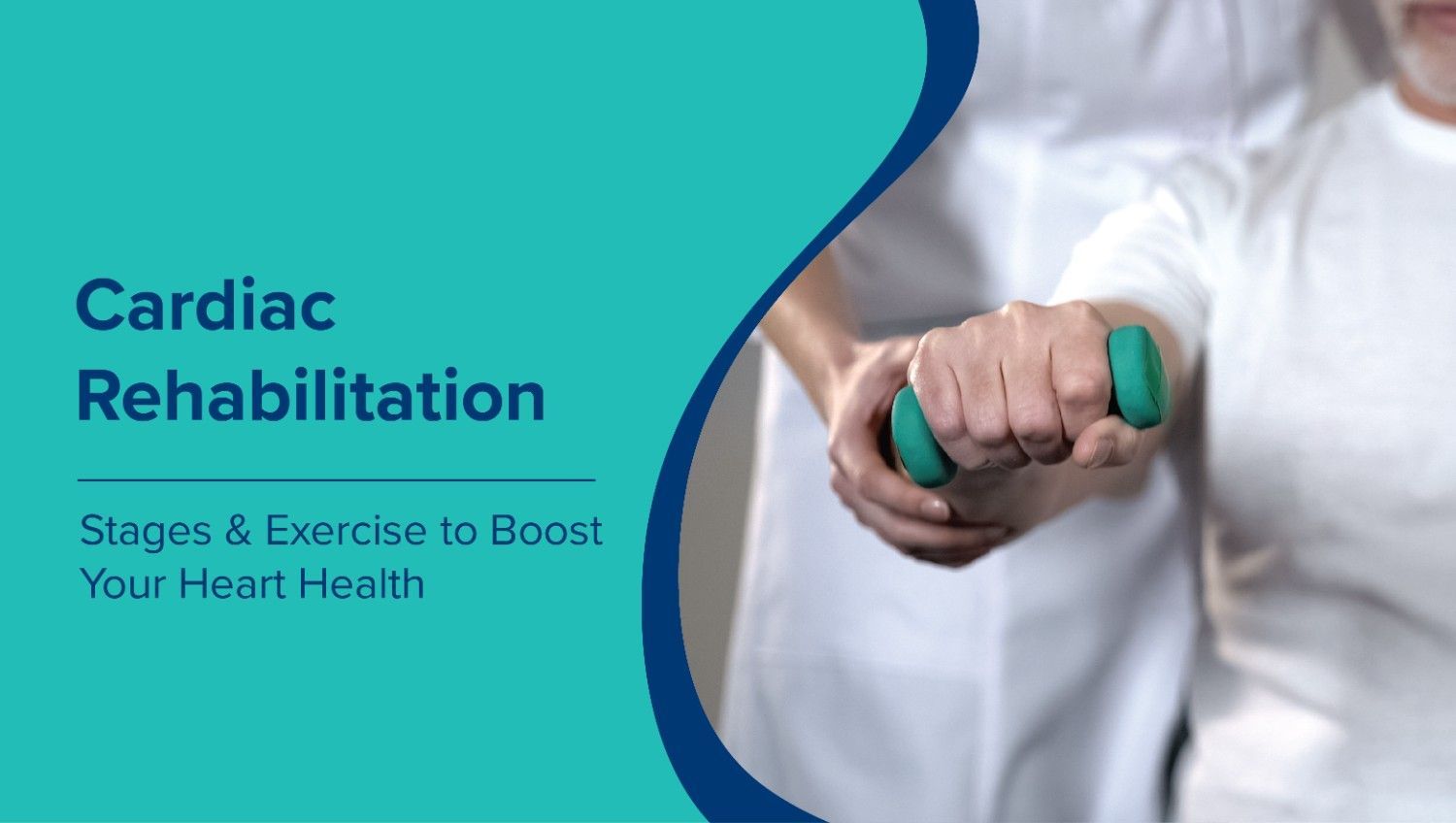


Cardiac rehabilitation is a medically supervised program aimed at helping individuals recover from heart conditions and improve long-term cardiovascular health. Whether you’ve experienced a heart attack, had heart surgery, or manage chronic heart disease, cardiac rehab is crucial for regaining strength, minimizing complications, and enhancing quality of life.
This blog describes what cardiac rehabilitation involves, its three main stages, and the safest exercises to strengthen your heart effectively.
What Is Cardiac Rehabilitation?
Cardiac rehabilitation (cardiac rehab) is a comprehensive program that combines exercise training, lifestyle education, and emotional support to help patients recover after a cardiac event. It aims to reduce the risk of future heart problems while improving physical fitness, mental well-being, and confidence.
What Conditions Are Treated With Cardiac Rehabilitation?
Below are some of the conditions that can be treated:
- Post-heart attack recovery
- Heart failure management
- Ventricular assist device support
- Stable angina
- Heart or heart-lung transplant care
- Heart valve surgery (repair or replacement)
- CABG surgery
- Coronary angioplasty (with or without stent)
- Peripheral arterial disease
Who Is The Ideal Candidate For Cardiac Rehabilitation?
- Heart attack (myocardial infarction)
- Coronary artery bypass graft (CABG) surgery
- Angioplasty or stent placement
- Heart valve repair or replacement
- Heart failure or stable angina
Importance Of Cardiac Rehabilitation
Cardiac rehabilitation offers long-term benefits beyond recovery:
Improves Heart Strength and Endurance
Regular, medically supervised exercise helps strengthen the heart muscle, improve circulation, and increase stamina. As a result, everyday tasks like walking, climbing stairs, or working become less tiring and easier.
Lowers Blood Pressure and Cholesterol Levels
Cardiac rehab combines physical activity, nutrition guidance, and lifestyle changes to reduce high blood pressure and bad cholesterol (LDL), while improving good cholesterol (HDL) and supporting long-term heart health.
Reduces Risk of Future Heart Attacks
By focusing on critical risk factors like smoking, lack of activity, unhealthy diet, and stress, cardiac rehab significantly reduces the risk of repeat heart attacks and other heart-related issues.
Helps Manage Diabetes and Obesity
Structured exercise and dietary counselling enhance blood sugar management, increase metabolism, and support healthy weight loss, all of which are essential for patients with diabetes, metabolic syndrome, or obesity-related heart disease.
Improves Mental Health and Reduces Anxiety
Recovering from a heart condition can be emotionally overwhelming. Cardiac rehab offers psychological support, stress management strategies, and activities that help build confidence, reducing anxiety and depression.
Enhances Overall Quality of Life
Patients notice increased energy, improved sleep, enhanced independence, and a more active, fulfilling life as their physical fitness, emotional health, and lifestyle habits improve.
Stages Of Cardiac Rehabilitation
Stage 1: Inpatient Cardiac Rehabilitation (Hospital Phase)
This initial phase occurs during the hospital stay, right after a heart event or surgery. It focuses on early mobilization to reduce risks such as blood clots and pneumonia. Under careful medical oversight, patients participate in gentle activities such as sitting, standing, and short assisted walks, along with breathing exercises to boost lung function.
Patients also receive education on medications, lifestyle modifications for heart health, and how to manage initial symptoms to ensure a safe hospital discharge.
Stage 2: Outpatient Cardiac Rehabilitation (Supervised Exercise Phase)
Starting about 2–6 weeks after discharge, this phase takes place in a clinical setting, where patients participate in medically supervised exercise sessions, usually 2–3 times per week.
The main aims are to enhance cardiovascular fitness, safely boost exercise tolerance, and lower risk factors through structured, monitored activities. These sessions involve continuous tracking of heart rate and blood pressure, along with counseling on nutrition, smoking cessation, and stress management.
Stage 3: Maintenance Cardiac Rehabilitation (Long-Term Phase)
Starting after the supervised outpatient program, this long-term phase enables patients to take control of their heart health through independent exercise. It emphasizes sustaining cardiovascular fitness gains, adopting lifelong healthy habits, and attending regular medical check-ups.
Best Exercises in Cardiac Rehabilitation
1. Aerobic (Cardio) Exercises
These activities boost cardiovascular efficiency and lung capacity, enabling the heart to pump oxygen-rich blood more effectively. Examples include brisk or slow walking, stationary cycling, treadmill walking, and gentle swimming.
2. Strength Training Exercises
Aimed at increasing muscle mass and enhancing the capacity to carry out daily tasks safely and independently. Examples include lightweight dumbbells, resistance band routines, and bodyweight exercises.
3. Flexibility and Stretching Exercises
Created to preserve joint flexibility and lower the chance of muscle strain or injury. Examples comprise gentle stretching routines, yoga-inspired movements, and range-of-motion exercises.
4. Breathing and Relaxation Exercises
These techniques improve breathing control and help manage stress during recovery. Examples are deep diaphragmatic breathing, guided meditation, and progressive muscle relaxation.
Safety Guidelines To Follow During Cardiac Rehab
- Always follow medical advice: Avoid changing exercise type, duration, or intensity without approval.
- Warm up and cool down properly: Helps stabilize heart rate and blood pressure.
- Stay hydrated: Drink adequate water unless restricted by your doctor.
- Stop if you feel discomfort: Chest pain, dizziness, breathlessness, or palpitations require immediate rest.
- Avoid overexertion: Exercise at a pace where conversation is possible.
Lifestyle Changes That Support Cardiac Rehabilitation
- Follow a heart-healthy diet (low salt, low saturated fat)
- Quit smoking
- Manage stress effectively
- Maintain a healthy weight
- Take prescribed medications regularly
Book Cardiac Care at Home with MAX@Home Today
Receive expert cardiac rehabilitation and recovery support from trained professionals, all in the comfort and safety of your home. Schedule your service now.




 Call: 9240299624