


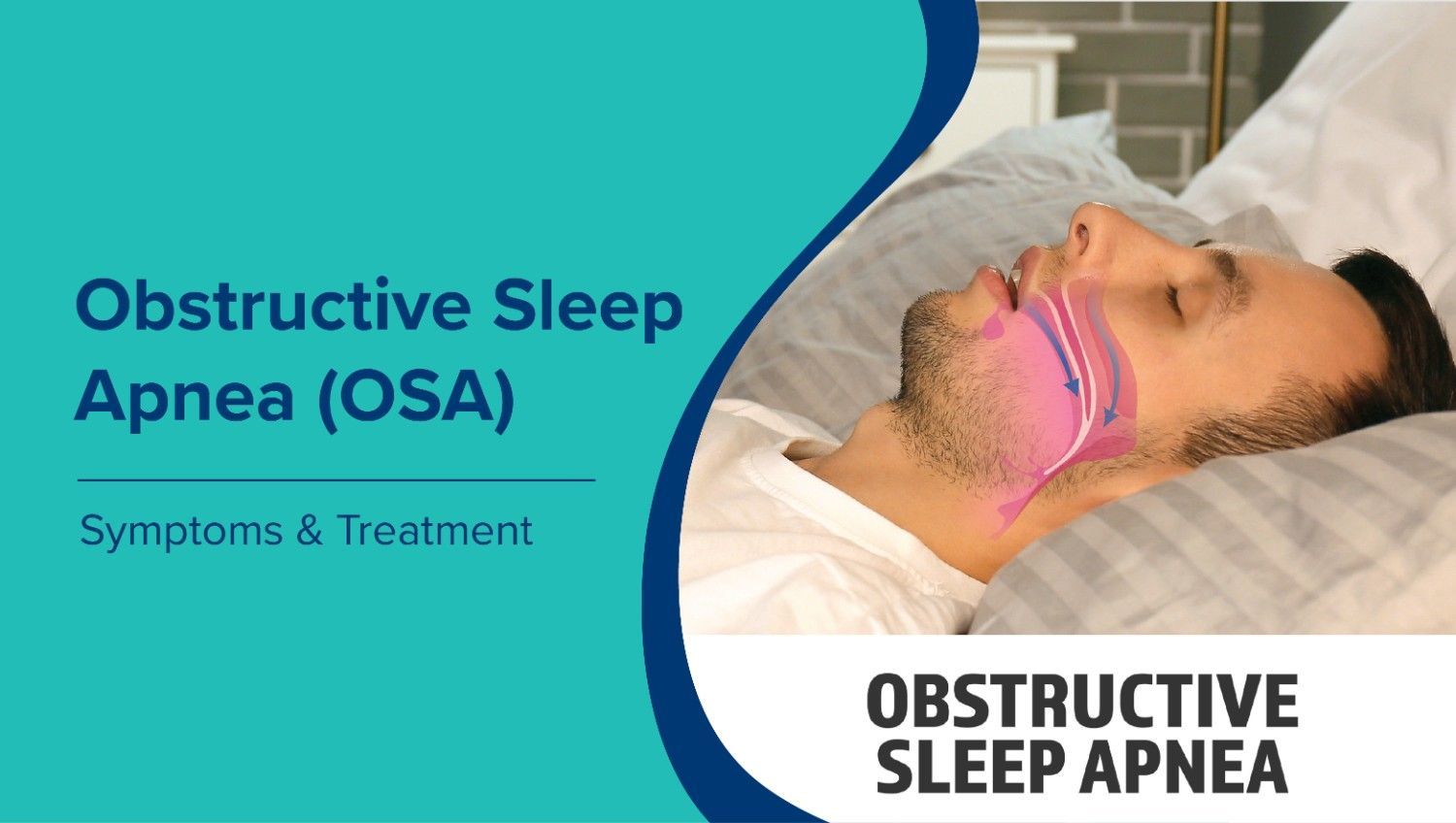


Obstructive Sleep Apnea (OSA) is a common yet serious sleep disorder in which breathing repeatedly stops and starts during sleep due to airway blockage. If left untreated, OSA can increase the risk of developing heart disease, stroke, diabetes, and daytime accidents. The encouraging news? With early diagnosis and appropriate treatment, managing OSA becomes much easier.
This blog explains what OSA is and its symptoms, causes, diagnosis, and treatment options in clear, patient-friendly language.
What Is Obstructive Sleep Apnea (OSA)?
Obstructive sleep apnea happens when the muscles in the throat relax too much during sleep, leading to the collapse or blockage of the upper airway. This blockage decreases or stops airflow entirely, even as the body attempts to breathe.
Each breathing pause, known as an apnea, can last from a few seconds to over a minute and may occur dozens of times per hour. These interruptions can disrupt normal sleep patterns and decrease blood oxygen levels.
How Common Is Obstructive Sleep Apnea?
Many people are unaware that OSA is more prevalent than they think and often remains undiagnosed.
- It affects men more than women, but the risk increases in women after menopause.
- More commonly seen in overweight individuals and older adults.
What Are The Common Symptoms of Obstructive Sleep Apnea
Symptoms can appear both during the daytime and at night and may differ between individuals.
Night-Time Symptoms
- Loud, long-term snoring
- Pauses in breathing witnessed by others
- Gasping, choking, or snorting during sleep
- Unrestful or disrupted sleep
- Repeated awakenings during the night
Daytime Symptoms
- Too much sleep during daytime
- Morning headaches
- Difficulty focusing or memory issues
- Irritability, mood swings, or feelings of depression
- Waking up with a dry mouth or sore throat.
What Are The Causes Of Obstructive Sleep Apnea?
OSA can be due to a number of factors, including primary, physical, lifestyle, and health. Some of the primary causes are:-
Physical and Physiological Causes
Obesity: Excess fat around the neck causes airway narrowing and increases the risk of airway collapse during sleep.
Anatomical Abnormalities: Certain inherited or acquired physical features—such as an enlarged tongue, large tonsils or adenoids, or a naturally narrow throat, can partially block airflow.
Excessive Muscle Relaxation: During deep sleep stages, the muscles supporting the tongue and soft palate may relax excessively, causing the airway to close temporarily.
Large Neck Circumference: Some studies suggest that a neck circumference exceeding 17 inches in men and 16 inches in women is commonly associated with more fatty tissue around the airway, increasing the risk of obstruction.
Lifestyle and Health Factors
Alcohol and sedatives: These relax throat muscles, which raises the risk of airway collapse.Smoking: Tobacco use causes inflammation and fluid retention in the upper airway, narrowing the breathing passage.
Sleeping on the back (supine position): This causes gravity to draw the tongue and soft tissues towards the back of the throat, which may obstruct the airway.
Chronic Nasal Congestion: Nasal breathing difficulties, caused by anatomical problems or allergies, elevate the risk of OSA.
Medical Conditions: Endocrine disorders (like hypothyroidism and acromegaly), hypertension, diabetes, and heart or kidney failure can contribute to or worsen OSA.
Demographic and Genetic Factors
Age: The risk of OSA increases with age because the muscles in the throat gradually weaken and lose tone.Sex: Men have two to three times higher chances of developing OSA compared to premenopausal women, but women’s risk rises after menopause because of hormonal changes.
Family History and Genetics: Genetic factors, such as inherited facial structure or airway anatomy, can heighten the risk of a narrow airway and OSA.
Why Obstructive Sleep Apnea Is Dangerous
If left untreated for a prolonged period, OSA may cause severe long-term health issues, such as:
- Hypertension, or high blood pressure
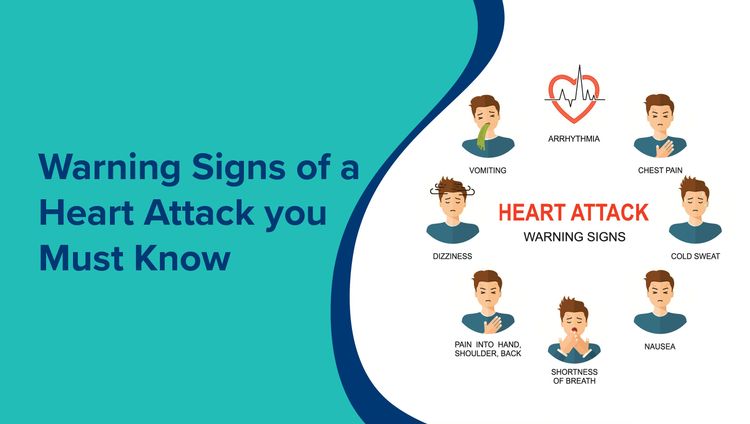
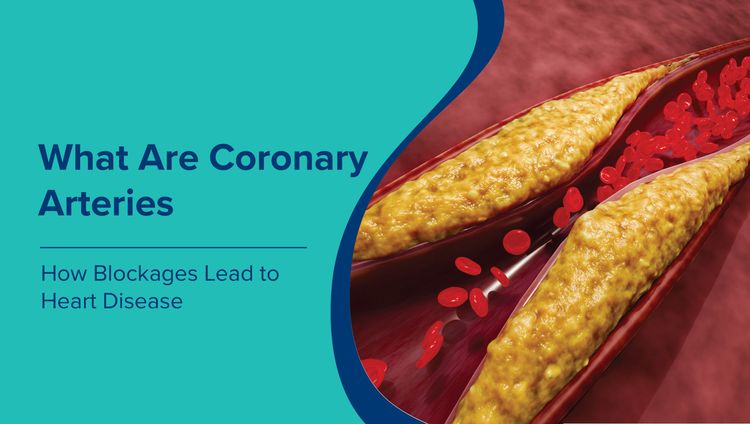
- Heart attack and heart failure
- Stroke
- Type 2 diabetes
- Irregular heartbeats (arrhythmias)
- Higher likelihood of road and workplace accidents because of fatigue.
How Is Obstructive Sleep Apnea Diagnosed?
Doctors evaluate symptoms including loud snoring, daytime sleepiness, and fatigue, as well as medical history, sleep patterns, and risk factors like obesity or high blood pressure. Some of the tests include
Sleep Study (Polysomnography)
A sleep study is considered the gold standard, performed either in a lab or at home. It tracks breathing, oxygen levels, heart rate, brain activity, and sleep stages to identify interruptions in breathing during sleep.
3. Apnea–Hypopnea Index (AHI)
OSA severity is classified based on breathing events per hour:
- Mild: 5–14
- Moderate: 15–29
- Severe: ≥30
Treatment Options for Obstructive Sleep Apnea
Lifestyle Changes (Mild OSA)
Lifestyle modifications are the initial step in managing mild OSA. This involves losing weight, engaging in regular exercise, sleeping on your side, refraining from alcohol or sedatives before bed, and quitting smoking to help decrease airway blockage.
CPAP Therapy (Gold Standard)
CPAP therapy involves applying continuous air pressure to maintain an open airway during sleep. This method effectively prevents apnea episodes, enhances sleep quality, decreases daytime sleepiness, and reduces cardiovascular risk. Consistent use is crucial for achieving optimal outcomes.
Oral Appliances
Oral appliances are custom-made dental devices designed to reposition the jaw and tongue, helping to keep the airway open. They are most suitable for individuals with mild to moderate OSA or those who cannot tolerate CPAP therapy.
Surgical Treatment
Surgery might be advised if other treatments do not work or if airway blockage becomes severe. Typical options include tonsillectomy, UPPP (uvulopalatopharyngoplasty), jaw repositioning, and nasal surgery as recommended by your doctor.
Final Thoughts
Obstructive sleep apnea is a serious but treatable condition. Recognizing symptoms early and seeking quick treatment can greatly improve sleep quality, heart health, and daily functioning. If you notice signs of OSA, pay attention. Better sleep can truly improve your life.



 Call: 9240299624

