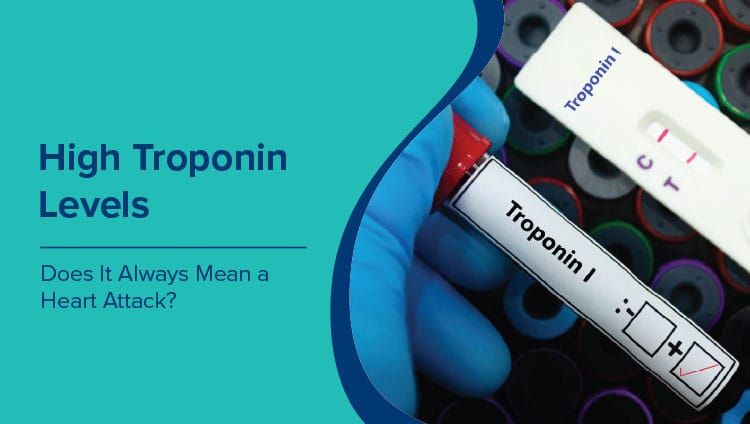


When you receive blood test results showing elevated troponin levels, understanding the various causes can help you feel more reassured and less anxious about your health. While high troponin is an essential cardiac marker, knowing what causes its elevation can guide you to seek appropriate care for your specific condition. Let's explore everything you need to know about troponin levels, from cardiac causes to surprising non-cardiac triggers that can elevate this important biomarker.
What Is Troponin?
Troponin is a specialised protein exclusively located within heart muscle cells, where its function is to regulate muscle contraction. Typically, only minimal amounts of troponin are detectable in the bloodstream. However, when heart muscle cells suffer injury, damage, or death, they release this troponin into the blood. This release makes the protein detectable via laboratory blood tests.
What Are The Types of Troponin
There are mainly three types of troponin that serve as markers, helping detect cardiac injury. These include:-
- Troponin I (TnI): Found only in the heart muscle, TnI is a highly specific marker for cardiac injury. Levels typically stay elevated for about 4–7 days after heart damage occurs.
- Troponin T (TnT): Found in the heart muscle and in tiny amounts in other muscles, A very helpful marker for doctors to identify whether the source is cardiac. TnT levels can remain high for several days up to about 3 weeks.
- Troponin C (TnC): It is non-specific and found in both heart and skeletal muscles, so it is less useful for diagnosing cardiac injury.
Note: TnT and TnI are two very important markers that are preferred to analyse cardiac issues compared to TnC(also found in regular skeletal muscles)
Symptoms of High Troponin Level
Symptoms associated with elevated troponin levels are commonly observed when the heart muscle is damaged. These include:
- Discomfort in the chest
- Felling dizzy and fatigued
- A pain that radiates to the arm, jaw, and neck
- Nausea and Sweating
- Rapid heartbeat
- Difficult breathing
When Troponin Signals an Emergency
Myocardial infarction (heart attack) remains the most common and serious cause of elevated troponin levels. When a coronary artery becomes blocked, typically by a blood clot, the heart muscle downstream from that blockage is deprived of oxygen-rich blood. Without oxygen, cardiac cells begin to die within minutes, releasing troponin into circulation.
Troponin Timeline During a Heart Attack
- 3-4 hours: Troponin levels begin rising after symptom onset
- 12-24 hours: Levels typically reach peak concentrations
- 7-14 days: Troponin may remain elevated during this extended period
Cardiologists use serial troponin measurements (multiple blood samples over hours) to track elevation patterns and confirm a diagnosis. A positive troponin test alone doesn't mean a heart attack; professionals consider it alongside symptoms, ECG, history, imaging, and other tests.
What Causes High Troponin Levels
Several heart-related conditions can cause troponin elevation without involving the complete arterial blockage, these include:-
Congestive Heart Failure
Heart failure occurs when your heart cannot pump blood effectively throughout your body. Chronic stress on the heart muscle causes cells to release small amounts of troponin continuously. Patients with congestive heart failure often show mildly elevated troponin levels, particularly during acute exacerbations or decompensation episodes.
Myocarditis (Heart Muscle Inflammation)
This is frequently the cause of significant troponin elevation. This condition can result from viral infections (particularly COVID-19, coxsackievirus, and adenovirus), autoimmune diseases, certain medications, or toxins. Cardiac muscle inflammation directly damages heart cells, triggering troponin release into the blood.
Stress-induced Cardiomyopathy
It is a temporary heart muscle dysfunction caused by severe emotional or physical stress (e.g., loss, disaster, surgery). It mimics a heart attack (chest pain, shortness of breath) but involves no arterial blockages. Troponin levels rise as the heart muscle temporarily weakens before recovering.
Pulmonary Embolism
A pulmonary embolism can cause blood clotting in the lungs, which can stress the right side of the heart and may lead to high troponin levels. The heart must work harder to pump blood through blocked pulmonary arteries, potentially causing right ventricular strain and muscle damage.
Non-Cardiac Conditions
Below are some of the lifestyle conditions and diseases that can lead to high troponin levels:-
Chronic Kidney Disease and Renal Failure
High troponin levels due to Chronic Kidney Disease (CKD) and renal failure. Impaired kidney function prevents effective renal clearance, causing troponin to accumulate. Many dialysis patients have persistently high troponin without acute heart damage. Recognising this is vital to avoid unnecessary concern, as elevated troponin levels are not exclusively indicative of a cardiac issue.
Sepsis and Severe Infections
Severe infections, such as sepsis, can raise troponin levels due to the body's inflammatory response, which damages heart cells, reduces oxygen delivery, creates toxic byproducts, and impairs blood flow. This elevation, often part of multi-organ dysfunction, occurs even without blocked coronary arteries.
Intense Physical Exercise
Extreme endurance exercise (e.g., marathons, triathlons) can cause a temporary, stress-induced rise in troponin levels, even in healthy individuals. This temporary release from minor changes in heart cells resolves within 24-48 hours and does not indicate permanent heart damage.
Acute Stroke
Strokes, especially a large ischemic stroke or a brain bleed/haemorrhage, can stress the brain and this intense stress "shocks" the heart, causing it to release a protein called troponin into the bloodstream, indicating heart damage.
Other related Conditions
Below is a table of other related conditions that may cause high Troponin levels.
| Category | Condition | Why Troponin Increases |
|---|---|---|
| Medical Treatments | Chemotherapy | Certain cancer drugs can have "cardiotoxic" effects, causing temporary or permanent stress to heart cells. |
| Systemic Stress | Critical Illness (ICU) | Major physical trauma, like sepsis or severe burns, subjects the entire body, including the heart, to intense metabolic stress. |
| Muscle Issues | Rhabdomyolysis | Severe skeletal muscle breakdown does not directly raise cardiac troponin levels, but rare assay interference or concurrent cardiac stress may cause a mild elevation. |
| Inflammatory | Acute Pericarditis | Inflammation can extend to the outer layer of the heart muscle (epicardium), causing mild troponin elevation. |
| Structural/Chronic | Infiltrative Diseases | Chronic cell leakage can result from conditions such as Amyloidosis or Sarcoidosis, in which abnormal proteins or cells "clog" the heart tissue. |
| Blood Pressure | Extreme Hyper/Hypotension | Conditions like amyloidosis or sarcoidosis damage heart tissue gradually, leading to chronic low-level troponin leakage. |
| Procedures | Cardiac Interventions | Procedures like ablation, cardioversion, or heart surgery can temporarily raise troponin due to controlled heart tissue injury. |
Understanding Troponin Test Results and Normal Ranges
Troponin test results aren't simply positive or negative—they're quantitative measurements reported as specific numerical values in nanograms per millilitre (ng/mL) or picograms per millilitre (pg/mL), depending on the test's sensitivity.
How Doctors Interpret Troponin Levels
Normal Ranges
- Troponin I (cTnI): Typically <0.04 ng/mL
- Troponin T (cTnT): Usually <0.01 ng/mL or within the lab’s defined normal limit.
- High-Sensitivity Troponin I (hs-cTnI): Generally <16 ng/L for women and <34 ng/L for men.
Key points
- A mildly elevated level may indicate chronic conditions, kidney disease, or minor cardiac stress.
- A significantly elevated level suggests acute cardiac injury requiring immediate evaluation.
- Abnormally high levels are a strong indicator of a major heart attack or severe cardiac damage.
Note: Ranges vary significantly by laboratory; always use the specific range listed on your lab report.
The pattern of troponin changes over time provides crucial diagnostic information. Rising and falling patterns typically indicate acute cardiac injury like myocardial infarction, while chronically elevated stable levels suggest conditions like chronic kidney disease or heart failure.
What Should You Do If Your Troponin Levels Are Elevated?
If your troponin test results are elevated, your healthcare provider will perform a comprehensive evaluation. This evaluation includes:
- A detailed assessment of your symptoms (such as chest pain, shortness of breath, and fatigue).
- A complete review of your medical history (including any previous cardiac events and risk factors).
- A physical examination that checks your vital signs and cardiac function.
Test to Diagnose High Troponin Level
Based on this, your doctor may recommend tests, which include
- High Sensitivity Troponin I Test-easures cardiac-specific troponin I for early heart damage- (Book Now)
- Troponin-T Test (Book Now)
- Cardiac Profile Blood Test-a panel of heart-related blood markers (Book Now)
- ECG / EKG Test (Book Now)
- Echocardiogram (Echo) (Book Now)
- Holter Monitoring (Book Now)
- NT-proBNP / BNP Test (Book Now)
- Lipid Profile (Book Now)
- hs-CRP Test (Book Now)
- Blood Sugar & HbA1c (Book Now)
- Kidney Function Test (Book Now)
- Liver Function Test (Book Now)
These tests help evaluate elevated troponin levels, diagnose heart injury, and quickly and conveniently assess overall cardiac risk.
Complications of Heart Damage
If left untreated High troponin level affects the cardiac tissues, leading to complex issues and condition these include:-
- Reduced Ejection Fraction: The heart becomes less efficient at pumping blood.
- Heart Failure: Chronic fatigue, shortness of breath, and fluid retention.
- Arrhythmias: Damaged heart tissue interfering with electrical signals, leading to irregular heartbeats.
When to Seek Emergency Medical Care
- Chest pain, pressure, or tightness (especially radiating to arms, jaw, or back)
- Severe shortness of breath or difficulty breathing
- Sudden weakness, dizziness, or loss of consciousness
- Cold sweats, nausea, or a sense of impending doom
- Rapid or irregular heartbeat with other symptoms
A Note from MAX@Home
Elevated troponin levels signal heart muscle damage but don't always indicate a heart attack. While a heart attack is the most common and serious cause, many other cardiac and non-cardiac conditions can raise troponin levels as discussed above.
If you have alarming symptoms, seek immediate medical attention; a quick evaluation is vital for heart health, regardless of your troponin levels. Work with your healthcare provider to understand the significance of elevated troponin and determine the necessary steps for your cardiovascular health.




 Call: 9240299624