


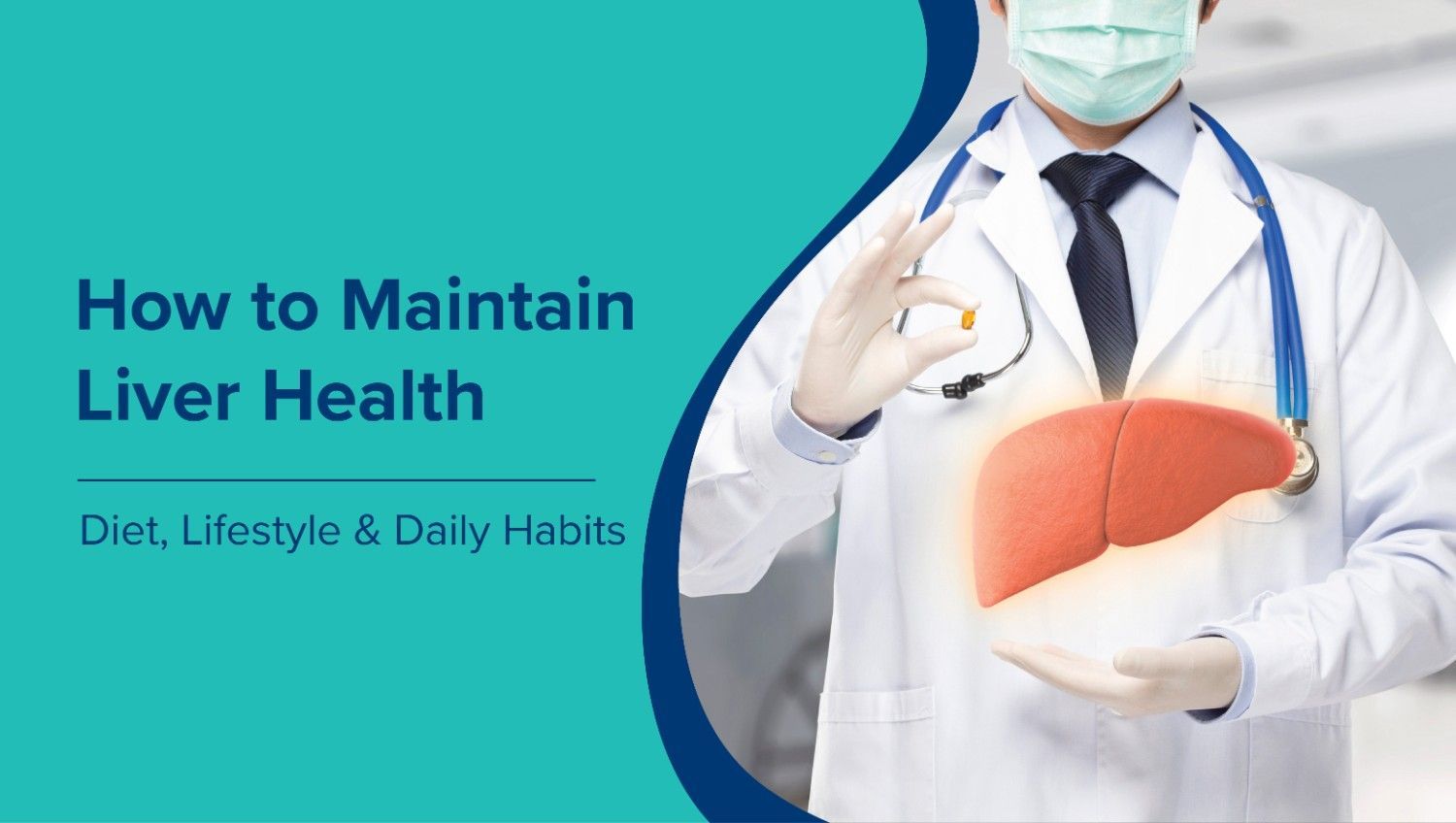


The liver is a crucial organ in the human body, handling detoxification, metabolism, digestion, and storing nutrients. Though essential, liver health is frequently ignored until problems develop. The positive note? Adopting a healthy diet, lifestyle, and daily routine can help maintain your liver's health and ensure it functions effectively.
This blog outlines scientifically supported methods to naturally support liver health and reduce the risk of liver disease.
What Is Liver?
The liver is the largest organ in the body, situated in the upper right abdomen, and it performs several functions, including. Filtering blood from the digestive system, detoxifies harmful substances such as alcohol and drugs, produces bile that helps in fat emulsification, and stores energy. It plays a key role in metabolism, nutrient regulation, and immune function.
Importance of Liver Health
The liver carries out several important functions vital to overall health. Here are some of its main roles.
1. Detoxification and Filtration
The liver purifies the blood by breaking down and neutralising harmful substances, such as toxins, bacteria, alcohol, and medications, ensuring their safe removal from the body.
2. Metabolism and Energy Production
It processes nutrients absorbed from the small intestine and converts them into usable energy. Additionally, the liver helps regulate blood sugar levels by storing excess glucose as glycogen and releasing it when energy is needed.
3. Digestion and Bile Production
The liver produces bile, which is crucial for digesting and absorbing fats in the small intestine, and also aids in removing waste from the body.
4. Storage and Synthesis
The liver stores vital vitamins and minerals, including iron and copper. It also produces key proteins, such as albumin, which helps regulate fluid balance, and clotting factors necessary for blood clotting.
5. Immune Function
The liver contains specialised immune cells that detect and eliminate bacteria, viruses, and other pathogens from the bloodstream.
Diet For a Healthy Liver
Fruits & Vegetables: Berries, grapes, citrus fruits, leafy greens, broccoli, cauliflower, cabbage, carrots, beets, and tomatoes are rich in antioxidants and dietary fibre, which help protect liver cells and support natural detoxification processes.Whole Grains: Oats, brown rice, and barley offer slow-releasing energy and are high in fibre, which supports digestion and eases the workload on the liver.
Lean Proteins: Fish such as salmon and plant-based proteins like beans provide essential nutrients and amino acids without overburdening the liver.
Healthy Fats: Avocado, nuts, and olive oil, when eaten in moderation, help support liver health by reducing inflammation and promoting healthy fat metabolism.
Healthy Drinks: Drinking water with lemon, green tea, and moderate coffee intake may help protect the liver and support overall liver health.
Food To Avoid
High Sugar & Refined Carbohydrates: Sugary drinks, sweets, and white bread can lead to fat buildup in the liver and impair its function.Saturated & Trans Fats: These fats, often present in fried foods, burgers, and processed snacks, can cause inflammation and lead to liver scarring over time.
Excess Salt: A diet high in sodium can lead to increased fluid retention and place additional stress on the liver.
Alcohol: Consuming excessive alcohol damages liver cells and greatly raises the risk of liver disease.
Concerned about your liver health or diet-related liver issues?
Explore our specialised liver care services and personalised treatment options designed to support long-term liver wellness.
Lifestyle Habits That Protect Liver Health
Eat a Well-Balanced Diet: Emphasise whole grains, fruits, vegetables, and lean proteins. Include liver-supportive foods such as leafy greens, nuts, seeds, and omega-3–rich fatty fish like salmon and sardines.Keep a healthy weight: Obesity is a key risk factor for fatty liver disease, so staying at a healthy weight is crucial for maintaining liver health.
Exercise regularly: Aim for at least 30 minutes of moderate-intensity activity on most days, such as walking, cycling, or swimming, to boost metabolism and reduce liver fat.
Get sufficient sleep: Lack of sleep can impair liver metabolism and detoxification functions. Get 7–8 hours of restful sleep each night to support liver repair.
Manage Stress: Chronic stress elevates inflammation and can harm liver health. Incorporating daily stress-reduction activities like meditation, breathing exercises, or gentle yoga can significantly improve well-being.
Limit or avoid alcohol: Drinking too much alcohol is a major cause of liver damage and should be kept to a minimum or completely avoided.
Be Hydrated: Drinking enough water helps the liver remove toxins and metabolic waste.
Avoid Toxins: Reduce exposure to harmful chemicals in aerosols, cleaning products, and insecticides whenever you can.
Use Medications Wisely: Always follow the recommended dosages, since misuse of OTC (over-the-counter) medicines and herbal supplements can harm the liver.
Get vaccinated: It helps defend against hepatitis A and B, and practice good hygiene to lower the risk of liver infections.
Lifestyle changes can help but medical guidance matters.
Consult our liver specialists to assess your liver health and get expert-led treatment and monitoring services.
Signs Your Liver May Need Attention
Key Early Warning Signs of Liver Disease
Persistent Fatigue & Weakness: Persistent fatigue or reduced energy levels that do not get better with sufficient rest.Jaundice: Yellowing of the skin and the whites of the eyes, which often signals liver dysfunction.
Digestive Issues: Abdominal pain, swelling or bloating, and persistent indigestion or nausea.
Changes in Urine or Stool Colour: Dark-colored urine or pale, clay-colored stools can indicate issues with bile flow.
Skin Issues: Persistent or severe itching (pruritus), especially on the hands and feet.
Cognitive or Physical Changes: Easy bruising, confusion, memory challenges, or unexplained weight loss.
Experiencing fatigue, jaundice, or digestive issues?
Get your liver evaluated with advanced diagnostic tests to detect issues early.
Final Thoughts
Keeping your liver healthy doesn’t necessitate extreme actions—simply making consistent, healthy choices. Eating a balanced diet, staying active, staying well-hydrated, and adopting mindful daily routines can significantly support your liver and boost your overall well-being.
Caring for your liver today supports long-term health, improves digestion, boosts immunity, and increases energy.


 Call: 9240299624

