

Introduction
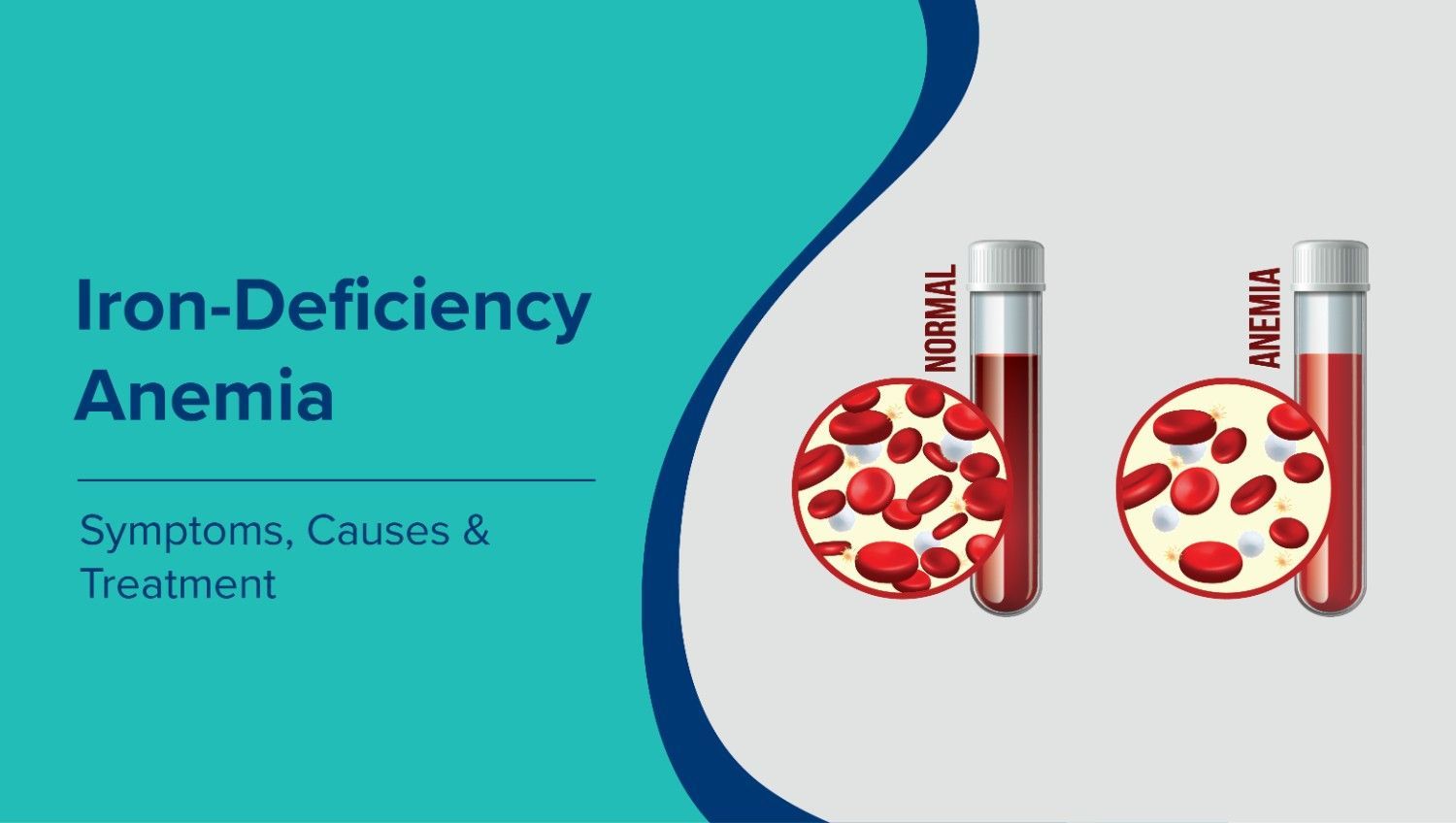
Iron Deficiency is a common condition worldwide, affecting people of all ages. It occurs when your body lacks iron, which is not enough to produce haemoglobin, a globular protein that delivers oxygen to tissues. Without adequate oxygen, the body feels tired and weak, unable to function at its best.
This condition affects children, women, pregnant individuals, and older adults more often, but anyone can develop it. In this blog, let's discuss the symptoms, causes, and treatment of Anemia in detail.
What Is Iron Deficiency Anemia?
It's a common blood disorder that affects red blood cells. This happens when blood iron levels drop, leading to fewer oxygen-rich cells. resulting anemia and its related symptoms
Types of Iron Deficiency Anemia
Dietary Iron Deficiency
Commonly seen in young children, vegetarians, and individuals with a nutrition-deficient diet due to inadequate iron intake
Blood Loss Anemia (Chronic or Acute)
The most common type may be acute (rapid decline in RBC) or chronic (slow reduction in RBC), which can be due to sudden blood loss due to menstrual bleeding, gastrointestinal conditions such as ulcers or cancer, or parasitic infections like hookworm.
Malabsorption Anemia
It occurs due to poor iron absorption from the blood and is often associated with conditions such as celiac disease, Crohn’s disease, or after gastric bypass surgery.
Pregnancy-Related Anemia
During pregnancy, iron requirements increase to support fetal development and the expansion of maternal blood volume.
Iron-Refractory Iron Deficiency Anemia (IRIDA)
A rare genetic disorder caused by a mutation in the TMPRSS6 gene. Impacts iron regulation.
What Are The Symptoms of Iron Deficiency Anemia
Symptoms vary with the severity of iron deficiency and the rate at which it develops; these include:
Common Symptoms
- Persistent fatigue and weakness
- Pale or yellowish skin
- Shortness of breath
- Dizziness or lightheadedness
- Headaches
- Cold hands and feet
Moderate to Severe Symptoms
- Chest pain or rapid heartbeat (Tachycardia)
- Brittle or spoon-shaped nails (koilonychia)
- Thinning of hair/hair loss
- Swelling or soreness of the tongue
- Difficulty concentrating
Causes Of Iron Deficiency Anemia
While there is no single cause, iron deficiency usually results from inadequate intake, poor absorption, or excessive iron loss.
Heavy Blood Loss: This may be due to any trauma or women with heavy or prolonged menstrual periods or gastrointestinal bleeding (ulcers, piles, colon polyps or colon cancer, hiatal hernia), all of which can lead to iron deficiency
Low-iron diet: If you are on a restrictive diet or one low in iron-rich foods, this may gradually lead to iron deficiency. For better recovery, you can include iron-rich foods such as meat, eggs, and leafy green vegetables.
Poor Iron Absorption: Individuals with conditions such as celiac disease (high gluten intake that affects the intestines) or chronic inflammatory diseases (ulcerative colitis or Crohn's disease) may have reduced iron absorption from the diet.
Antacids: Long-term use of antacids, such as proton pump inhibitors (PPIs) and H2 blockers, reduces stomach acid, making iron less available for absorption. It's essential to consult with your doctor before starting any intake.
Who Is At Higher Risk Of Getting Iron Deficiency Anemia
- Women of reproductive age
- Pregnant women
- Infants and young children
- People with chronic digestive disorders
How To Diagnose Iron Deficiency Anemia
Your healthcare provider will ask you about your health condition, symptoms, and past medical history. Based on this information, they will refer you for a blood test. This includes:
Haemoglobin (Hb)
A protein in red blood cells that carries oxygen. Low Hb (with low hematocrit on CBC) indicates Anemia, while high levels may suggest polycythemia.
Serum Ferritin (Iron Storage)
Measures iron storage. Low ferritin confirms iron deficiency, while high levels may indicate iron overload, inflammation, or liver disease.
Serum Iron
Measures the amount of iron bound to transferrin in the blood. Levels tend to fluctuate daily, so they shouldn't be used alone to diagnose iron issues. Consider other factors and tests for a more accurate result.
Total Iron Binding Capacity (TIBC)
Shows how much iron transferrin can carry. High TIBC usually indicates iron deficiency, while low TIBC may be seen in iron overload or poor nutrition.
Complete Blood Count (CBC)
A routine blood test measures red and white blood cells and platelets. In iron deficiency, key findings include low hemoglobin, low hematocrit, and low MCV (small red blood cells).
Treatment for Iron Deficiency Anemia
Oral Iron Supplements
Oral iron therapy is the first-line treatment. Commonly prescribed forms include ferrous sulfate, ferrous fumarate, and ferrous gluconate, which help restore hemoglobin levels and replenish iron stores.
Duration of Treatment
Iron therapy should be continued for at least 3 months after hemoglobin levels normalize to fully rebuild the body’s iron reserves and prevent recurrence.
Optimal Absorption
Iron supplements are best absorbed on an empty stomach. However, they may be taken with food if side effects such as nausea or constipation occur.
Dietary Modifications
Incorporate iron-rich foods into your daily diet, such as red meat, beans, lentils, leafy green vegetables, and iron-fortified cereals, to promote recovery.
Vitamin C Intake
Consuming vitamin C-rich foods or beverages (such as citrus fruits or orange juice) alongside iron supplements enhances iron absorption.
Avoid Absorption Inhibitors
Avoid consuming tea, coffee, or milk with meals or iron supplements, as these can significantly reduce iron absorption.
Treat the Underlying Cause
It is crucial to identify and address the root cause of iron deficiency, like gastrointestinal bleeding, peptic ulcers, heavy menstrual bleeding, or chronic illness.
Intravenous (IV) Iron Therapy
IV iron is recommended when oral iron is poorly tolerated or ineffective, or when there is severe iron deficiency due to malabsorption.
Blood Transfusion
Blood transfusion is reserved for severe or life-threatening Anemia, such as in pregnant women with haemoglobin levels below 6 g/dL or in patients with significant symptoms.
Final Thoughts
Iron-deficiency anemia is common but highly treatable. With timely diagnosis, proper nutrition, and appropriate treatment, iron levels can be restored, and symptoms reversed. If you suspect anemia, don’t ignore the signs; early care makes a big difference.




 Call: 9240299624