


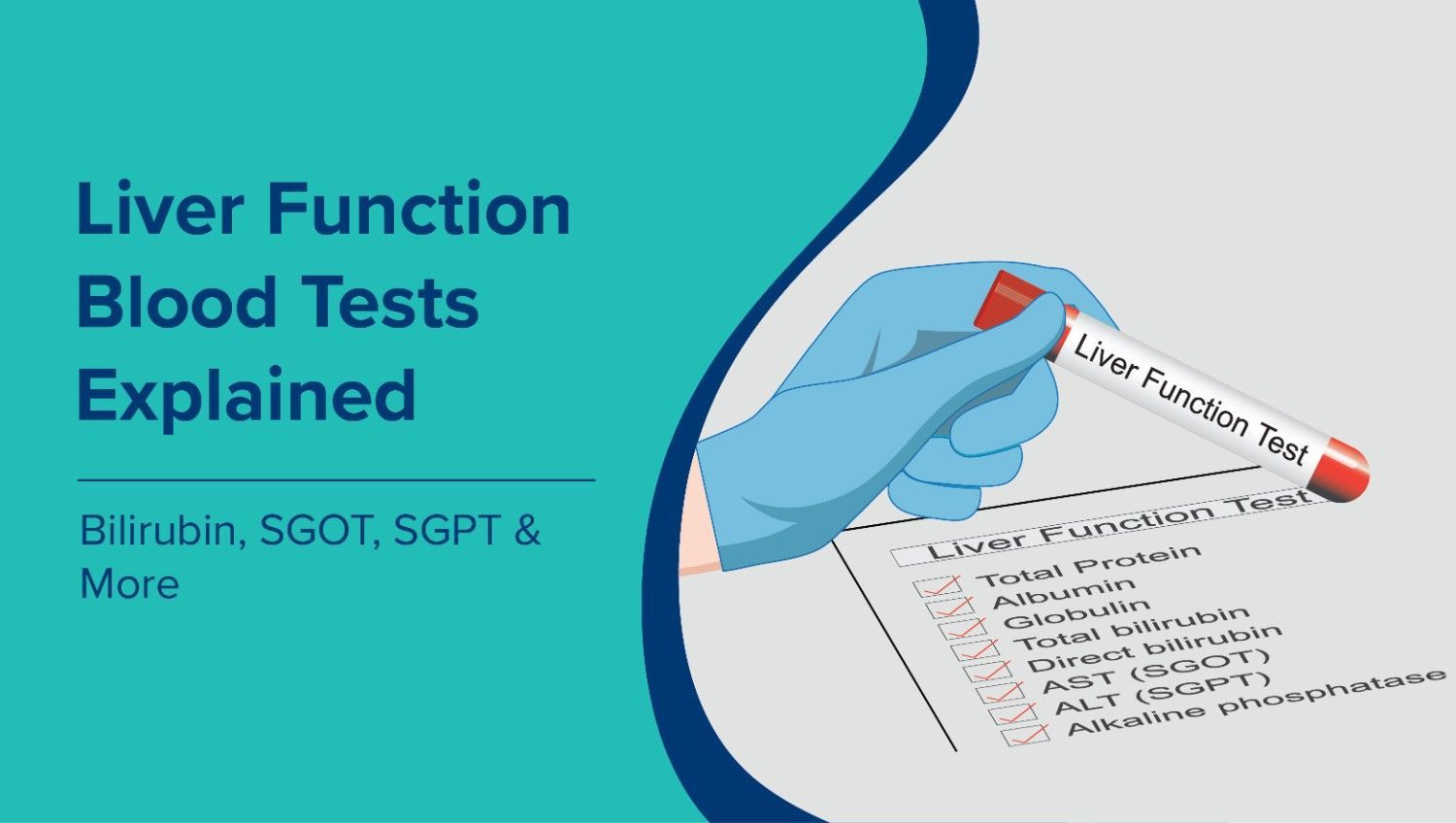


Your liver is one of the hardest-working organs in your body, tirelessly filtering toxins and producing essential proteins. But how do you know if it’s functioning properly? That’s where liver function blood tests come into play. These tests provide crucial insights into the health of this vital organ by measuring various substances that reflect its function.
In this Blog, we explore the ins and outs of liver function tests and equip you with the knowledge to make better health decisions.
What is the Liver and Why is it Important?
The liver is a vital organ located in the upper right abdomen. It plays a key role in various bodily functions essential for survival. This process helps keep your body clean and functioning optimally, and maintains overall health.
If you're tracking metabolic health conditions like diabetes or obesity, consider combining your LFT with the MAX@Home Diabetes Care Panel or a Comprehensive Health Checkup Package for a more thorough assessment.
Primary Role of the Liver
Detoxification and Blood Filtration
The liver filters harmful substances from the bloodstream, including toxins, alcohol, medications, and metabolic waste. It converts them into safer compounds that are eliminated in urine or bile, protecting the body from damage.
Metabolism and Energy Regulation
The liver plays a central role in metabolizing carbohydrates, fats, and proteins. It converts excess glucose into glycogen for storage and releases it when energy is needed, helping maintain stable blood sugar levels. It also processes fats for energy and synthesizes cholesterol and lipoproteins essential for cellular function.
Bile Production and Digestion
The liver produces bile, a digestive fluid essential for breaking down and absorbing dietary fats and fat-soluble vitamins (A, D, E, and K). Adequate bile production is vital for effective digestion and nutrient absorption.
Nutrient Storage
The liver stores essential vitamins such as A, D, E, K, and B12, along with minerals like iron and copper, and glycogen to supply energy in the future. This storage function ensures reserves are available during fasting or illness.
Protein Synthesis
It produces vital proteins, such as albumin, which helps regulate fluid levels in the bloodstream, and clotting factors that prevent excessive bleeding. These proteins are crucial for proper circulation and healing processes.
Immune Function
The liver helps the immune system by detecting and eliminating bacteria, viruses, and damaged cells from the blood. Specialized immune cells in the liver help defend the body against infections.
What is a Liver Function Test?
Liver function blood tests are crucial for assessing the health of your liver. These tests measure various enzymes, proteins, and substances that reveal how well your liver is functioning.
You can Book with MAX@Home for the Following Tests
- Liver Function Test (LFT)
- Bilirubin Test
- SGOT (AST) Test
- SGPT (ALT) Test
- Gamma GT (GGT) Test
Common Liver Function Blood Tests
Below is a table showing the different types of liver tests and their significance. It is important to consult your doctor for a better analysis.
| Test Name | Clinical Significance |
|---|---|
| ALT (SGPT) - Alanine Transaminase | Highly specific to the liver. Elevated levels often indicate acute liver damage or inflammation (like hepatitis). |
| AST / SGOT - Aspartate Transaminase | Found in the liver, heart, and muscles. Elevated levels suggest liver damage, but can also come from muscle injury. |
| ALP - Alkaline Phosphatase | Found in the liver, bile ducts, and bones. High levels often point to blocked bile ducts or bone disease. |
| GGT - Gamma-Glutamyl Transferase | Often used to determine whether a high ALP is due to liver or bone disease. It is also sensitive to alcohol use. |
| Bilirubin - Total Bilirubin | Waste product from red blood cells. High levels can cause jaundice and suggest the need to clear issues or blockages. |
Note: These common tests provide essential insights into your liver's condition, helping healthcare providers diagnose any underlying issues swiftly.
Understanding Bilirubin Levels
Bilirubin is a yellow compound produced during the breakdown of red blood cells. It’s processed by the liver, which plays a crucial role in maintaining healthy levels in your body.
Types Of Bilirubin
To understand your lab results, it is helpful to distinguish between the two forms of bilirubin that take during its journey through your system:
Unconjugated (Indirect) Bilirubin: This form travels through the bloodstream to the liver. It is not water-soluble, so the kidneys cannot excrete it. High levels usually indicate the body is breaking down red blood cells too quickly or the liver is struggling to "catch" them for processing.
Conjugated (Direct) Bilirubin: This is the processed form. It enters the liver, where bilirubin binds to a sugar molecule, making it water-soluble. It is then transported into the bile ducts and the digestive tract. Elevated levels of this compound often indicate a condition or a blockage in the bile ducts that prevents waste from leaving the body.
What High Bilirubin Indicates
Elevated bilirubin, referred to as hyperbilirubinemia, often presents initially as jaundice—a yellow tint in the skin and the whites of the eyes. Physicians rely on these levels to identify particular problems.
- Liver diseases, such as hepatitis or cirrhosis, can impair the liver's ability to process bilirubin effectively.
- Bile Duct Obstruction: Gallstones or inflammation can block the ducts that carry conjugated bilirubin to the intestines.
- Hemolysis: A condition in which red blood cells are destroyed faster than the liver can process the resulting waste.
How To Diagnose High Bilirubin Level
A total bilirubin test measures both types, direct and Indirect Bilirubin, whereas a "fractionated" test distinguishes between direct and indirect bilirubin. Tracking these levels is crucial for diagnosis, offering valuable insight into your blood health and how well your liver filters substances.
SGOT and SGPT: What Do They Measure?
SGOT and SGPT are crucial enzymes involved in cellular metabolic processes. Although they are important for maintaining healthy liver function, their detection in the bloodstream acts as an early warning sign of cellular injury.
SGPT (ALT)
SGPT (Serum Glutamic Pyruvic Transaminase), now more commonly known as ALT (Alanine Aminotransferase), is regarded as the more definitive marker for liver health.
It is primarily found in the liver, and due to its high specificity, an increase in SGPT almost always indicates liver-specific inflammation or damage, such as from viral hepatitis, fatty liver, or toxin exposure.
SGOT (AST)
SGOT (Serum Glutamic Oxaloacetic Transaminase), now widely referred to as AST (Aspartate Aminotransferase), is a broader metabolic enzyme.
In addition to the liver, it is found at high concentrations in cardiac and skeletal muscle and in the kidneys. While it leaks into the blood during liver injury, it can also rise due to a heart attack or intense physical exertion and muscle trauma. Doctors often compare it to SGPT to determine whether the source of the issue is truly the liver or another organ.
What Does the Ratio Mean
Clinicians rarely look at these numbers in isolation. The AST/ALT Ratio (SGOT divided by SGPT) can provide specific clues:
- Ratio > 2:1: Often associated with alcoholic liver disease.
- Ratio < 1: More common in cases of Non-Alcoholic Fatty Liver Disease (NAFLD) or acute viral hepatitis.
What are the Danger Levels of SGOT and SGPT
SGOT (AST) and SGPT (ALT) are liver enzymes that rise when liver cells are inflamed or damaged.
Normal reference ranges:
- SGOT (AST): 8–48 U/L
- SGPT (ALT): 7–55 U/L
When levels exceed the normal range, it may indicate liver stress or injury. The degree of elevation often suggests severity:
- SGPT above 200 U/L: significant liver inflammation or moderate injury.
- SGPT above 500 U/L: associated with acute viral hepatitis or marked liver inflammation.
- SGPT above 1000 U/L: suggestive of severe liver injury and may be seen in acute liver failure, severe drug-induced damage, or toxin exposure.
It is essential to interpret enzyme levels in conjunction with symptoms, medical history, and other liver parameters, such as bilirubin and ALP, to make an accurate diagnosis.
Factors Affecting Liver Function Test Results
Alcohol Consumption: Heavy drinking can temporarily raise liver enzymes, especially GGT and ALT. Long-term use may result in a sustained increase and a distinct change in the AST/ALT ratio.Diet and Dehydration: Consuming a very high-fat meal just before a test, or experiencing severe dehydration, can sometimes distort protein levels, such as Albumin, or influence Bilirubin measurements.
Medications and Supplements: Many common substances are processed by the liver. Over-the-counter pain relievers, such as acetaminophen (Tylenol), are a common cause of elevated liver enzymes. Additionally, certain antibiotics, statins (cholesterol-lowering drugs), and herbal supplements (such as kava or green tea extract) can affect test results.
Heavy workout: Heavy exercise shortly before a blood draw can significantly raise AST (SGOT) levels. This is because AST is also found in muscle tissue, and microscopic muscle tears during exercise release the enzyme into the blood.
Infections and Systemic Illness: Viruses beyond the usual liver viruses, such as the flu, mono, or COVID-19, can cause widespread inflammation, temporarily stressing the liver and increasing enzyme levels.
Tips for Maintaining a Healthy Liver
Maintaining a healthy liver is essential for overall well-being. Below are some tips to help you improve your overall liver health. These include:-
- Adopt a balanced diet rich in fruits, vegetables, whole grains, and lean proteins. These foods provide the nutrients needed to support liver function.
- Drinking plenty of water helps flush out toxins and keeps your liver working efficiently. Limit sugary drinks and excessive caffeine to reduce stress on this vital organ.
- Regular exercise boosts circulation and metabolism, which benefits liver health. Aim for at least 150 minutes of moderate-intensity activity each week.
- Be mindful of alcohol consumption, as excessive drinking can lead to serious liver damage over time. If you choose to drink, do so in moderation.
- Avoid contact with toxic substances present in certain household products or pesticides. Shielding your body from harmful chemicals is essential to support healthy liver function.
Conclusion
Liver function tests are essential for assessing the health of one of our body's most vital organs. By examining key indicators such as bilirubin levels, SGOT, and SGPT, healthcare providers can identify potential liver issues early on.
With MAX@Home, you can schedule a Liver Function Test from the comfort of your home, receive accurate results, and take proactive steps to improve your liver health.



 Call: 9240299624

