




Introduction
Your heart rate, or pulse, is one of the most important signs of your overall health. It measures the number of times your heart beats per minute (bpm). While "60 to 100" is considered normal in adults, heart rate in fact varies significantly depending on your age, fitness level, and physiological state.
In this blog, we will get to know about healthy ranges for every stage of life and help you identify when a fluctuation might be a sign to see a doctor.
What is Heart rate?
Heart rate refers to the number of times the heart beats or contracts per minute. In most adults, a normal resting heart rate ranges from 60 to 100 beats per minute (bpm). This rate can vary depending on activity level, stress, or overall fitness. However, a resting heart rate consistently above 100 bpm, especially when caused by chest discomfort or dyspnoea (shortness of breath), may indicate a medical concern and requires prompt evaluation.
Normal Resting Heart Rate by Age Chart
As we grow older, our heart rate naturally slows. A newborn's heart beats extremely quickly to support rapid growth, whereas an adult's heart is larger and more efficient, needing fewer beats to pump the same amount of blood.
The table below shows the normal resting heart rate ranges for various age groups.
| Age Group | Normal Resting Heart Rate (bpm) |
|---|---|
| Newborns (0–1 month) | 100 – 160 bpm |
| Infants (1–11 months) | 80 – 140 bpm |
| Toddlers (1–2 years) | 80 – 130 bpm |
| Preschoolers (3–4 years) | 80 – 120 bpm |
| School Age (5–10 years) | 70 – 115 bpm |
| Adolescents (11–15 years) | 60 – 100 bpm |
| Adults (18+ years) | 60 – 100 bpm |
| Well-trained Athletes | 40 – 60 bpm |
Note: These values may vary, as they refer to the resting heart rate measured when you are calm, seated, or lying down, and have not engaged in recent physical activity. Consult with your accordingly.
Factors Affecting Your Heart Rate
If your number doesn't match the chart perfectly, don't panic. Your heart rate is dynamic and changes constantly based on internal and external factors.
Vigorous activities
It is normal for your heart rate to spike to 130 to 170+ bpm during intense cardio. Athletic: High-performance athletes often have resting heart rates as low as 40 bpm. Their heart muscle is so efficient that it pumps more blood per beat, so it doesn't have to beat as often.
Emotions and Stress
Anxiety, excitement, and fear trigger the release of adrenaline, which temporarily speeds up your heart rate. Chronic stress can lead to a consistently elevated resting heart rate.
Temperature and Weather
High temperatures and humidity cause your heart to pump more blood to the skin to cool the body, increasing your pulse by 5–10 bpm. Along with a severe cold, it can also raise your heart rate as your body works to stay warm.
Medications
These include beta-blockers commonly used for high blood pressure, stimulants for asthma, ADHD drugs, decongestants, and caffeine, which can raise your heart rate.
What Abnormal Heart Rate Means: Tachycardia vs. Bradycardia
When doctors look for irregularities, they typically look for two conditions:
Tachycardia (Too Fast)
This is generally defined as an adult's resting heart rate exceeding 100 beats per minute. An abnormally high heart rate can cause dehydration, fever, anemia, hyperthyroidism, and underlying heart conditions such as atrial fibrillation.
Symptoms include palpitations (the sensation that your heart is racing or fluttering), dizziness, and shortness of breath.
Bradycardia (Too Slow)
This is defined as an adult's resting heart rate less than 60 beats per minute. If the heart beats too slowly to pump enough oxygen-rich blood to the body. Symptoms include fatigue, fainting (syncope), and confusion.
When to Consult a Doctor
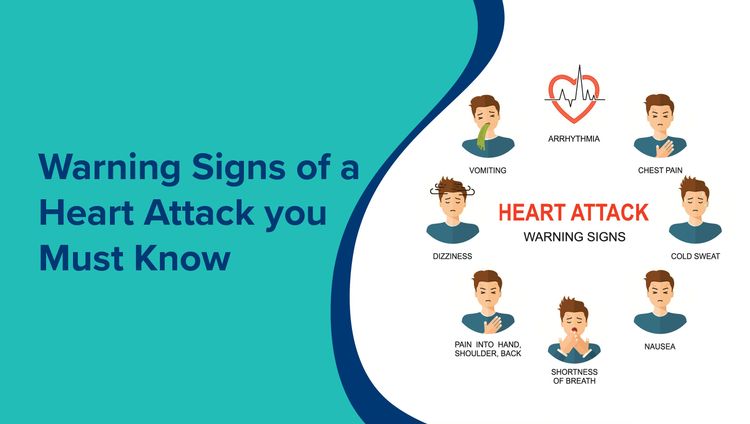
Seek immediate emergency care if an abnormal heart rate is accompanied by:
- Feeling pressure with chest pain.
- Shortness of breath.
- Sudden anxiety that is unrelated to stress.
How to Measure Your Resting Heart Rate Accurately
- Wait for at least an hour after exercising or consuming caffeine.
- Locate the radial or carotid arteries by placing your index and middle fingers on your wrist or the side of your neck.
- Count the beats for 30 seconds, then multiply by two.
- Repeat a few times to find the average.
A key Note
A heart rate between 60 and 100 bpm is considered healthy for most adults. A consistent change in your baseline, whether it's increasing due to stress or decreasing due to medication, is a signal from your body that requires attention. Keeping an eye on your pulse is an easy and proactive way to monitor your cardiovascular health.
Target Heart Rate Calculator
190 bpm


 Call: 9240299624

