




Quick Answer
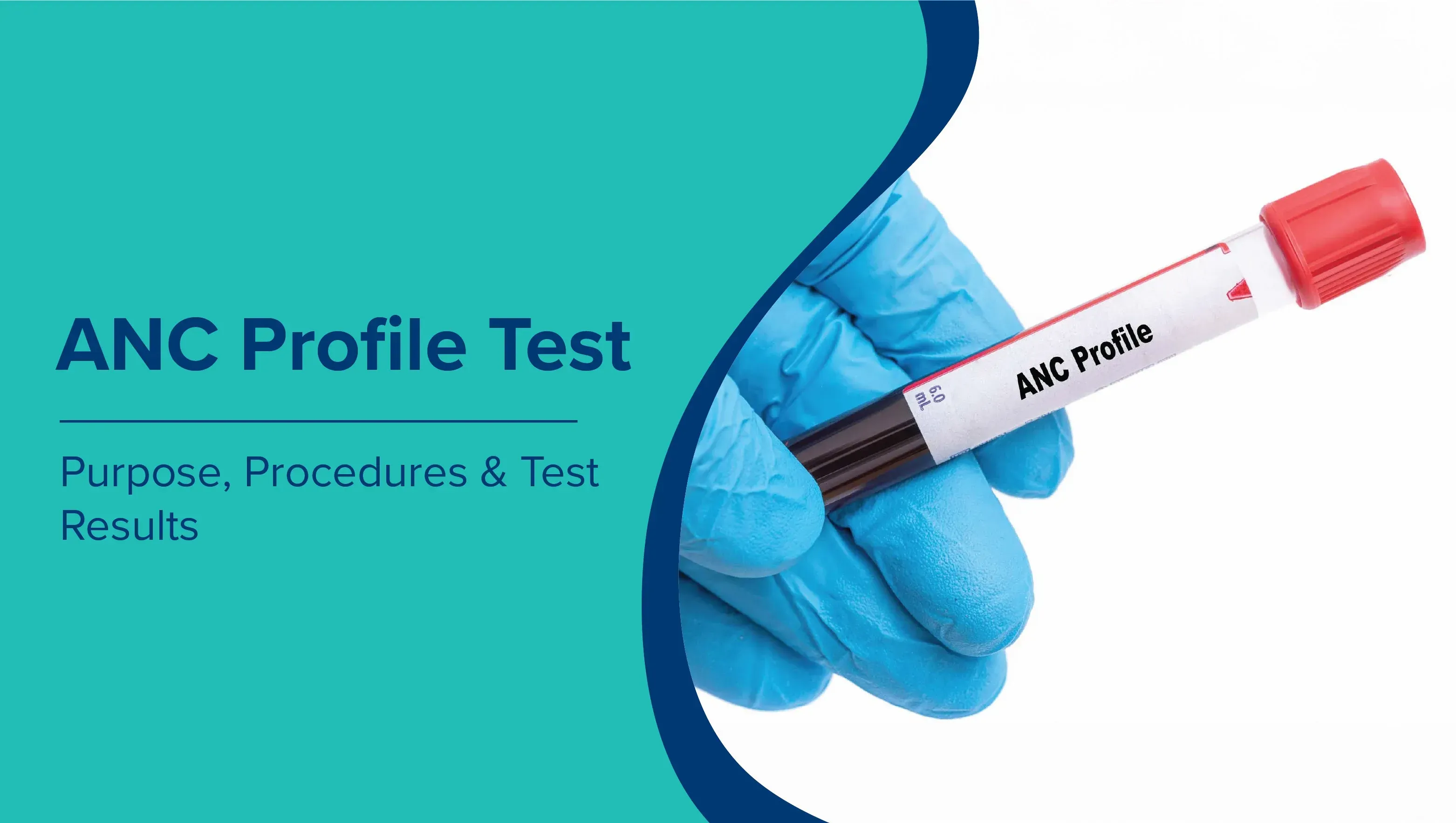
In the complex world of medical diagnostics, a Complete Blood Count (CBC) is often the first step in understanding a patient's health, but one such specific test hidden within it is known as the ANC (Absolute Neutrophil Count), which provides a precise look at your body's "first responders" against infection.
What Is ANC (Absolute Neutrophil Count)?
The ANC test calculates the actual number of neutrophils in a specific volume of blood. The ANC is a far more accurate indicator of your body's ability to fight infection than the percentage alone, which provides a relative comparison to monocytes and lymphocytes
What Are Neutrophils?
Neutrophils are a specific type of white blood cell produced in the bone marrow. They are the most abundant type of WBC, making up 40% to 70% of all white blood cells
Why is the ANC Test Performed?
The ANC profile test provides a detailed analysis of the ANC of the patient undergoing cancer treatment or having any fever or infections, including:
1. To Monitor Chemotherapy
Chemotherapy drugs target rapidly dividing cells (like cancer), but they also affect healthy cells due to their non-specificity, leading to a condition called chemotherapy-induced neutropenia. The ANC test helps doctors determine if a patient's immune system is strong enough to handle the next therapy or if they are at high risk for infection.
2. To diagnose unexplained fevers or Infections
If a patient has ongoing infections or a fever that won't go away, an ANC test helps identify if the immune system is compromised (low count) or hyperactive (high count).
3. Blood Disorders Screening
Abnormal neutrophil counts may indicate leukemia, lymphoma, or myelodysplastic syndromes. This test.
4. Look out for any medication side effects.
Drugs like antibiotics, antipsychotics, and thyroid medications can interfere with bone marrow production. Regular ANC tests help analyze their effects to check if the drugs aren't affecting our immune system.
Understanding ANC Test Range in Adults
ANC ranges vary depending on laboratory conditions, equipment, and the patient's demographics (age and sex). Below are the general reference ranges.
| Category | ANC Range (cells/µL) | Meaning |
|---|---|---|
| Normal | ~1,500 – 8,000 | Indicates healthy immune function. |
| Mild Neutropenia | ~1,000 – 1,500 | Slightly increased risk of infection. |
| Moderate Neutropenia | ~500 – 1,000 | Moderate risk of bacterial and fungal infections. |
| Severe Neutropenia | Less than 500 | High risk of severe or life-threatening infections. |
Note: Always consult your doctor before reference, remember infants and children often have different reference ranges depending on their Growth and development.
What does a low level of neutrophils indicate
When the ANC falls below 1,500 cells/µL, the condition is called neutropenia, which indicates a severely low neutrophil count. means the body lacks sufficient neutrophils to fight off bacteria.
Causes of Low Neutrophil Count
Viral Infections: Viruses such as influenza, HIV, and Epstein-Barr can temporarily suppress bone marrow activity, affecting the average neutrophil count in blood.
Chemotherapy and radiation: Can reduce the number of healthy neutrophil counts and increase infection risk of infection.
Nutritional Deficiencies: A lack of vitamin B12, folate, or copper can limit neutrophil production.
Autoimmune Diseases: Conditions like Lupus (SLE) or Rheumatoid Arthritis can lead to autoimmunity, causing the body to attack its own neutrophils or bone marrow, and diseases like leukemia or aplastic anemia.
What If My Neutrophil Level Is Low
If your ANC is below 1,000 and you develop a fever, it is considered a medical emergency. Because neutrophils fight infection and inflammation, a person with severe neutropenia may have a serious infection without typical symptoms (no redness or swelling). Often, fever is the only sign.
What if My Neutrophil Levels Are High
When the ANC rises above 8,000 cells/µL, it is called neutrophilia. While less immediately dangerous than neutropenia, it signals that the body is under significant stress.
Causes of high neutrophil levels.
Bacterial Infections: Acute bacterial infections, such as appendicitis or pneumonia, result in elevated neutrophil levels.
Accident and trauma: This can trigger a spike in neutrophils due to heavy inflammation, which requires immediate medical attention.
Emotional Stress: Intense anxiety or panic can release epinephrine, leading to neutrophil demargination (their release from blood vessel walls into circulation), causing a temporary spike.
Smoking: This can induce chronic low-grade inflammation, resulting in elevated levels of neutrophil activation known as smoker's leukocytosis.
Chronic Inflammation: Conditions like inflammatory bowel disease (IBD) or vasculitis.
Factors Affecting ANC Test Results
If your test results shows a higher number of neutrophils, certain factors, including ethnicity and lifestyle, can affect the normal no; some of the possible factors include:
Ethnicity
Some research has shown that individuals of African, Middle Eastern, and West Indian descent often have a naturally lower neutrophil count, also called benign ethnic neutropenia (approximately 1,000 and 1,500), which is considered a normal genetic variant, not a disease.
Time Duration
Neutrophil counts vary naturally throughout the day. They are usually lower in the morning and higher in the afternoon.
Exercise
Intense physical activity may temporarily increase neutrophil count.
Medications
Drugs like corticosteroids, immunosuppressants, some diuretics, and antipsychotics can affect neutrophil counts, either increasing or decreasing them.
When to See a Doctor
Below are the conditions for which you may need an ANC test these are:
- ANC level lower than 500 cells/µL (Severe Neutropenia)
- If an individual has a fever above 38°C (100.4°F)
- If having chills, a sore throat, and mouth ulcers.
- Shortness of breath, burning during urination
A Key note
An ANC test helps determine your body’s ability to fight infections. Mild reductions require monitoring, but low ANC levels combined with symptoms, especially fever, require proper medical care. Always consult a doctor to identify the cause and ensure timely treatment.



 Call: 9240299624

