




Introduction
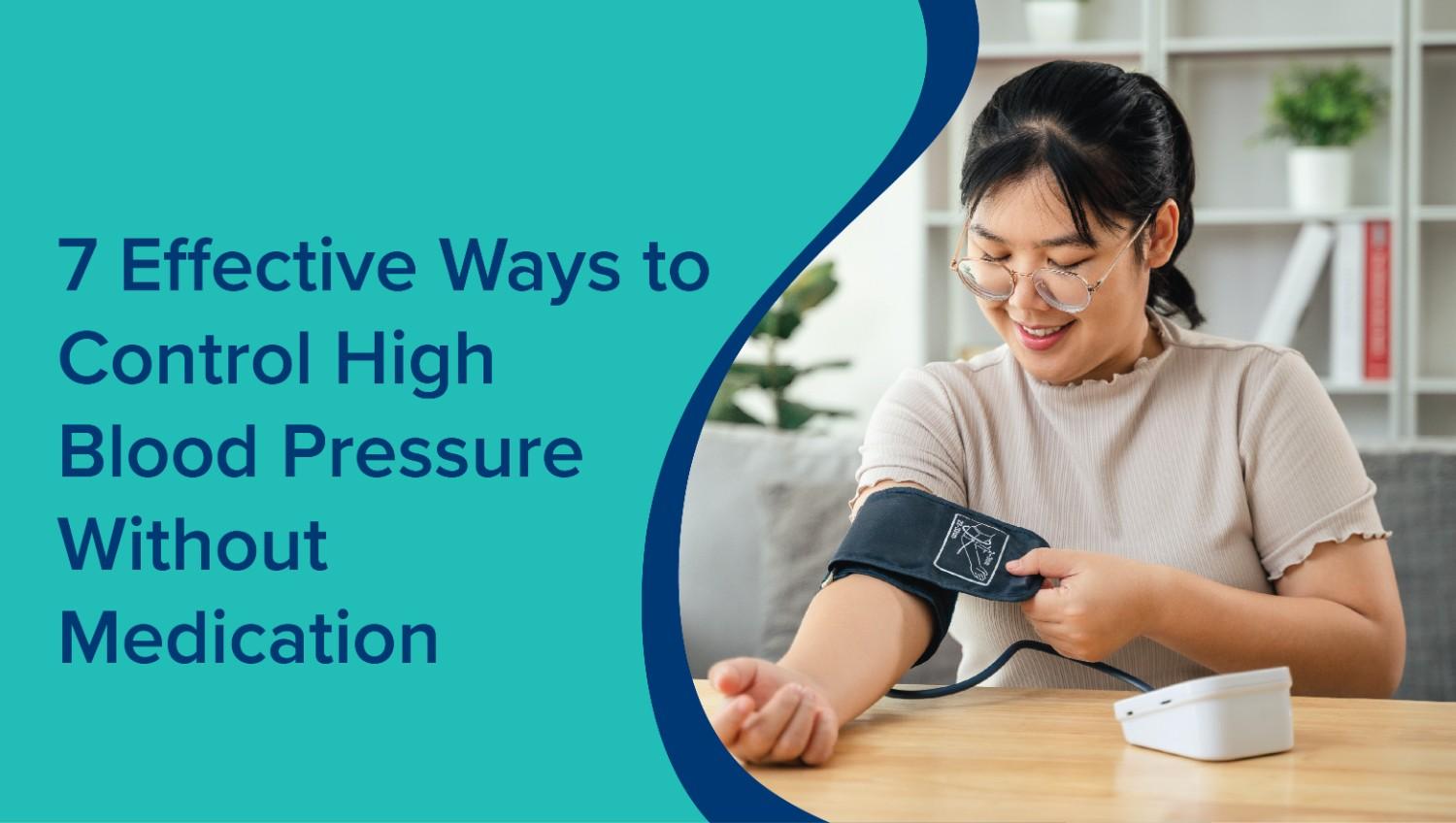
High blood pressure (hypertension), often called the silent killer, is one of the most common health problems linked to lifestyle habits. It usually shows no symptoms but significantly increases the risk of heart disease, stroke, kidney problems, and other serious health issues.
The good news? In many cases, especially in early or borderline hypertension, blood pressure can be controlled naturally without medication through consistent lifestyle changes. Here are 7 ways to manage high blood pressure naturally and safely.
What Do You Mean by High Blood Pressure?
Blood pressure measures the force of circulating blood against artery walls. A typical reading is roughly 120/80 mmHg. Readings consistently above 130/80 mmHg indicate hypertension.
Effective hypertension management combines medical treatment with lifestyle modifications. Precautions such as a healthy diet, physical activity, stress management, and regular blood pressure monitoring help control blood pressure and reduce long-term risks.
7 Best Ways to Control High Blood Pressure at Home
1. Reduce Salt Intake
Excess sodium significantly contributes to high blood pressure. Eating too much salt causes water retention, increasing pressure on the blood vessels.
How to control
- Reduce salt consumption to approximately 5 grams daily.
- Avoid packaged, processed, and fast foods.
- Use herbs, lemon, garlic, and spices instead of salt.
- Read nutrition labels carefully.
2. Eat a Heart-Healthy Diet
Maintaining healthy blood pressure levels depends on a balanced diet. Focus on fresh fruits and vegetables (especially leafy greens), whole grains like oats, brown rice, and millets, low-fat dairy products, nuts, seeds, and legumes, and healthy fats such as olive oil. Avoid fried foods, sugary snacks and beverages, and red and processed meats.
Pro Tip: Following a DASH-style eating pattern (Dietary Approaches to Stop Hypertension) has been shown to lower blood pressure significantly.
3. Do exercise and Be Physically Active
Regular exercise increases physical activity, improves the heart's pumping efficiency, and lowers blood pressure. Aim for 30 minutes of moderate activity at least five days a week, such as brisk walking, cycling, swimming, or yoga. Additionally, include strength training 2–3 times weekly with guidance.
Even minor activities, such as using the stairs or strolling after m,eals can significantly impact over time.
4. Maintain a Healthy Weight
Excess weight can increase the workload on the heart and elevate blood pressure. Even small amounts of weight loss can make a significant difference.
Benefits of weight control:
- Improves metabolism and Stamina
- Reduces Heart stress
- Enhances cholesterol and blood sugar levels.
- Improves overall cardiovascular health.
5. Limit Alcohol and Quit Smoking
Both alcohol and smoking have a direct adverse effect on blood pressure, as they can directly increase heart rate and blood pressure, which weakens the cardiac muscle.
How to Manage
While there is no safe level, you may follow these tips:-
Drinking in moderation means no more than one drink per day for women and two for men.Quit smoking completely, as it contains nicotine, which not only increases blood pressure but also increases the risk of lung-related diseases such as lung cancer and atherosclerosis (plaque buildup in heart vessels).
6 Prioritize Quality Sleep
Poor sleep disrupts hormone regulation, increases blood pressure, and affects your overall cardiac health.
How to improve your sleep pattern
- Aim for 7–8 hours of sleep nightly
- Get natural sunlight to improve your circadian rhythm
- Avoid Heavy meals and alcohol 2-3 hours before sleep
- Avoid screens before sleep, as blue light can disrupt sleep hormones.
- Reduce caffeine intake after evening hours.
If you snore loudly or experience extreme daytime fatigue, see a doctor. Sleep issues can worsen hypertension.
7. Manage Stress Effectively
Chronic stress can cause hormonal shifts that increase blood pressure and heart rate, leading to no of cardiovascular diseases. To manage this, you can follow these natural stress-reduction techniques.s
- Deep breathing exercises
- Meditation or mindfulness
- Yoga and stretching
- Listening to music or spending time in nature
Pro tip: In addition, you can also avoid stress-related habits like overeating, smoking, or excessive caffeine intake.
Food to Lower Blood Pressure Naturally
Banana
Bananas are an excellent and accessible dietary option for managing hypertension due to their high potassium and naturally low sodium content. Their potassium content helps the kidneys excrete excess sodium in the urine, thereby reducing stress on blood vessel walls. Regular consumption of bananas may also promote vasorelaxation, improving blood flow and enhancing blood pressure regulation.
Spinach
Spinach provides potassium, magnesium, and natural nitrates, all of which help lower blood pressure. Nitrates are converted to nitric oxide in the body, facilitating blood vessel relaxation and dilation. Additionally, magnesium promotes vascular relaxation, improving circulation and easing the heart's workload.
Sweet Potato
Sweet potatoes are a nutrient-dense source of potassium, fiber, and antioxidants. The high potassium content helps counteract the effects of sodium, while fiber supports heart health by improving cholesterol levels. Together, these nutrients contribute to healthier arteries and more stable blood pressure levels.
Greek Yogurt (Low-Fat)
Rich in calcium, potassium, protein, and beneficial probiotics. These components contribute to blood pressure regulation in several ways. Specifically, calcium is essential for proper contraction and relaxation. Potassium assists in maintaining sodium balance. Furthermore, probiotics may enhance gut health, an aspect increasingly linked to improved blood pressure control.
Oats
Oats are rich in soluble fiber, especially beta-glucan, and contain magnesium. Soluble fiber helps lower cholesterol and improve arterial flexibility, reducing blood flow resistance. Additionally, magnesium promotes blood vessel relaxation, making oats a great breakfast option for those with high blood pressure.
Salmon
Salmon is a rich source of omega-3 fatty acids, which are known for their heart-protective effects. Omega-3s reduce inflammation, slow plaque buildup in arteries, and improve blood vessel elasticity. Regular intake can help lower both systolic and diastolic blood pressure and reduce cardiovascular risk.
Beetroot
Beetroot is naturally high in dietary nitrates, which the body converts into nitric oxide. Nitric oxide helps widen blood vessels, improving blood flow and reducing blood pressure. Both cooked beetroot and beetroot juice have been shown to support short- and long-term reductions in blood pressure.
Avocado
Avocados provide potassium, fiber, and healthy monounsaturated fats. Potassium helps regulate sodium levels, while healthy fats support heart health and reduce inflammation. This nutrient combination helps maintain flexible arteries and stable blood pressure levels.
Almonds
Almonds are rich in magnesium, fiber, and heart-healthy fats. Magnesium plays a key role in relaxing blood vessels and regulating muscle and nerve function involved in blood pressure control. Consuming unsalted almonds regularly can support overall cardiovascular health without increasing sodium intake.
Lentils
Lentils are a superb plant-based source of protein, potassium, magnesium, and fiber. Fiber reduces cholesterol levels, and potassium and magnesium promote healthy blood vessel function. Incorporating lentils into your meals can enhance heart health and help control blood pressure.
Blueberries
Blueberries are rich in antioxidants like polyphenols and flavonoids. These elements help reduce oxidative stress and boost nitric oxide production, thereby enhancing blood vessel health. Consistent consumption is associated with better blood pressure and improved vascular function.
Garlic
Garlic contains allicin, a sulfur compound that helps relax blood vessels, improve circulation, and reduce arterial stiffness. Consuming garlic regularly has been shown to naturally lower systolic blood pressure.
Take Control of High Blood Pressure
With MAX@Home, get expert-led lifestyle guidance, at-home health monitoring, diet support, and personalized care plans designed to help you manage hypertension naturally. Book now and let care come to you.
Final Thoughts
Controlling high blood pressure without medication is possible for many people, but it requires consistency, patience, and long-term commitment. By adopting healthier eating habits, staying active, managing stress, and improving sleep, you can naturally protect your heart and improve overall well-being. Regular blood pressure monitoring and medical checkups remain essential for long-term health.


 Call: 9240299624

