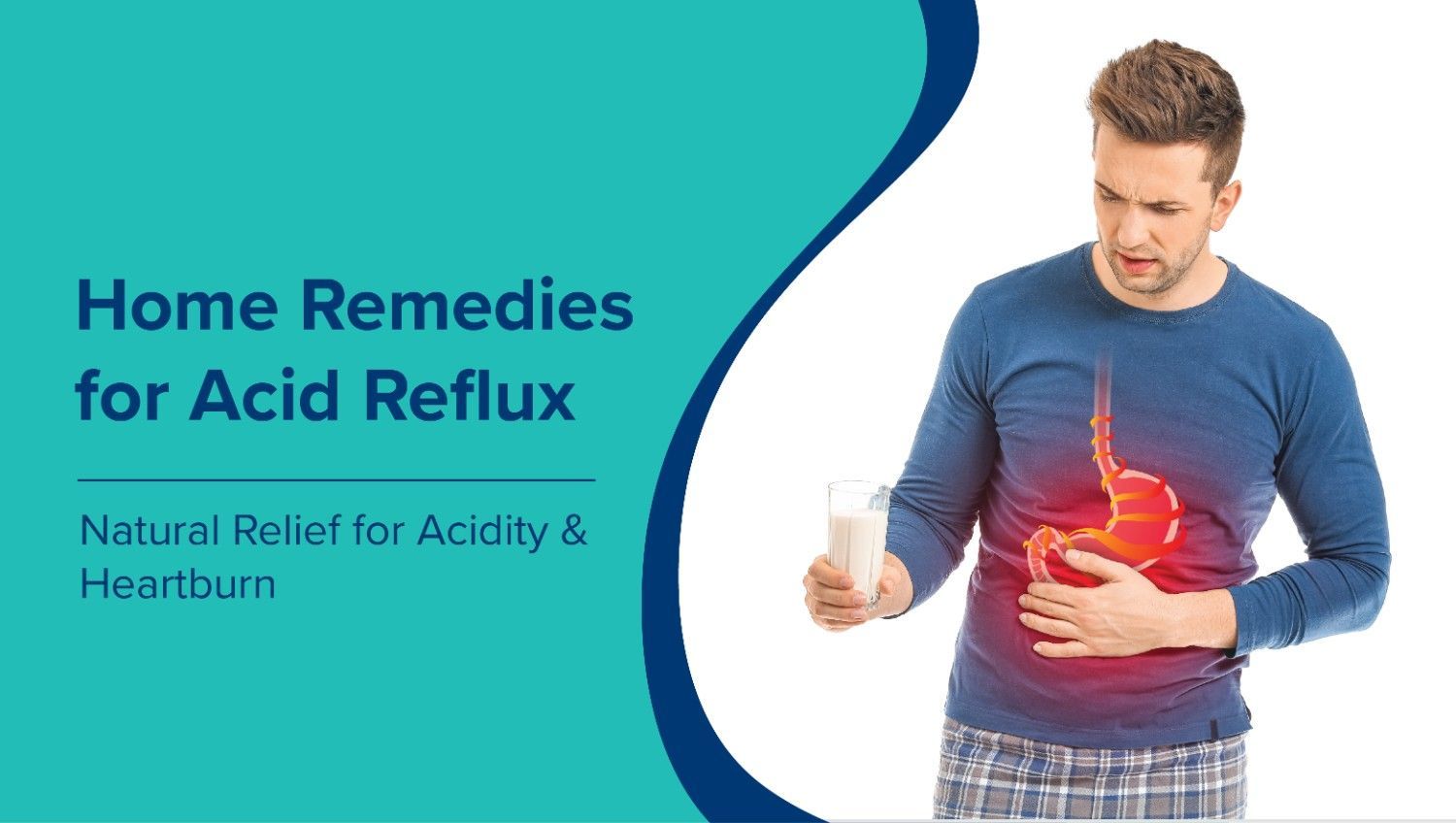


Acid reflux, commonly known as heartburn or acidity, is a digestive issue caused by stomach acid flowing back into the oesophagus.This can result in a burning sensation in the chest, a sour taste, bloating, and discomfort following meals.
The positive news is that mild to moderate acid reflux can often be controlled through simple, natural home remedies and lifestyle modifications without the need for medication right away.
What Is Acid Reflux?
Acidity is a digestive condition resulting from excess acid in the stomach. When this acid travels back into the oesophagus, it causes acid reflux, which often leads to a burning sensation in the chest or throat, commonly called heartburn.
Factors such as overeating, spicy or fatty foods, irregular meal times, smoking, and high stress are frequently associated with acidity. In some cases, it may also result from underlying medical issues such as gastritis or a disruption in stomach acid production.
Symptoms of Acidity
- Burning Sensation (Heartburn)
- Sour Taste / Regurgitation
- Bloating
- Nausea
- Difficulty Swallowing
- Respiratory Symptoms
Mild Conditions can be managed with lifestyle changes. In case of a chronic condition like gastroesophageal reflux disease, symptoms may be severe, these include:-
Severe Symptoms (chronic or GERD related)
- Difficulty or Painful Swallowing
- Unexplained Weight Loss
- Blood in Stool or Vomit
- Severe Chest Pain
What Causes Acidity
Here are some of the primary causes of acidity.
Overeating or Eating Too Fast
Consuming large, heavy meals stretches the stomach and exerts excessive pressure on the lower esophageal sphincter (LES), leading it to relax and allowing acid to escape. Eating too fast also causes air swallowing and underchewed food, which further increases stomach pressure and weakens the LES seal.
Spicy, oily, or fried foods
These foods often trigger symptoms because their high-fat content slows digestion, causing food to stay in the stomach longer. Additionally, spicy compounds like capsaicin can increase acid production and irritate the esophagus's delicate lining.
Excess Caffeine, Tea, or Carbonated Drinks
Caffeine relaxes the LES, which can increase the likelihood of acid reflux. Carbonated beverages increase gas and pressure in the stomach, which can open the sphincter, while tea and coffee can further stimulate stomach acid secretion.
Smoking or Alcohol Consumption
Both smoking and alcohol negatively impact the digestive system. Smoking reduces saliva, which helps neutralise acid, and increases acid production. Meanwhile, alcohol interferes with the oesophagus’s natural ability to clear acid.
Stress and Lack of Sleep
Although stress does not directly cause acidity, it heightens sensitivity to stomach acid and may stimulate increased acid production. It also encourages unhealthy habits, such as overeating or poor food choices. Lack of sleep further worsens symptoms and reduces the body’s ability to manage digestive stress.
Lying Down Immediately After Meals
Gravity helps keep stomach acid in place. Lying down soon after eating reduces this effect, increasing the risk of acid reflux into the oesophagus. It is advisable to wait at least 2–3 hours after meals before lying down.
Obesity or Pregnancy
Both conditions raise pressure on the stomach. Excess abdominal fat in obesity pushes acid upward, and hormonal changes during pregnancy relax the LES. When combined with the pressure from the growing fetus, these factors increase the risk of acid reflux.
Disclaimer: If you have heartburn more than twice a week, it might be GERD (Gastroesophageal Reflux Disease). Consult a doctor for evaluation and treatment.
10 Effective Home Remedies For Acid And Reflux
1. Ginger (A Natural Digestive Healer)
Ginger is widely recognized for its anti-inflammatory and digestive benefits, which help calm the stomach lining and lower excess acid. Consuming ginger regularly can enhance digestion and alleviate acid reflux symptoms. Enjoy warm ginger tea after meals, or incorporate freshly grated ginger into soups and curries for natural relief.
2. Cold Milk (In Moderation)
Cold milk can temporarily relieve acid reflux by neutralizing stomach acid and reducing the burning sensation. However, it should be consumed in moderation. Choose low-fat or skim milk, as full-cream milk has more fat, which could worsen reflux symptoms in some people.
3. Banana (Nature’s Antacid)
Bananas are naturally low in acid and act as an antacid by coating the stomach lining, helping reduce irritation. They are particularly effective in soothing acidity and heartburn. Consuming a ripe banana mid-morning or between meals can help ease stomach discomfort.
4. Aloe Vera Juice
Aloe vera juice helps reduce inflammation and soothe the digestive system, making it helpful in treating acid reflux. Consuming half a cup of unsweetened aloe vera juice before meals can help alleviate symptoms. Nonetheless, it’s important not to overdo it, as it could lead to digestive issues.
5. Fennel Seeds (Saunf)
Fennel seeds support digestion and reduce gas, bloating, and acidity. Their cooling effects soothe the stomach. Chewing half a teaspoon of fennel seeds after meals or sipping fennel tea offers quick, natural relief from acid reflux.
6. Apple Cider Vinegar (For Some People)
Although it is acidic, this might help regulate stomach acid in certain people. Mixing one teaspoon of apple cider vinegar with a glass of warm water and drinking it before meals could aid digestion. If symptoms become worse, this remedy should be discontinued.
7. Baking Soda (Occasional Use Only)
Baking soda acts as a fast-acting antacid by neutralising stomach acid, providing immediate relief from heartburn. Dissolving half a teaspoon in a glass of water can be effective during intense discomfort. However, it should be used only occasionally, not as a long-term solution.
8. Eating Smaller, Frequent Meals
Eating large meals can put pressure on the stomach and increase the risk of acid reflux. Opting for smaller, well-balanced meals every three to four hours helps decrease stomach pressure and improve digestion, which in turn minimizes reflux episodes.
9. Sleep with Your Head Elevated
Keeping the head elevated while sleeping helps prevent stomach acid from flowing back into the oesophagus. Elevating the head of the bed by 6–8 inches and avoiding lying down for at least two to three hours after dinner can significantly reduce nighttime acid reflux.
10. Reduce Stress Naturally
Stress can elevate acid levels and interfere with regular digestion, worsening acid reflux. Engaging in relaxation techniques such as yoga, pranayama, meditation, deep breathing, and regular walks can help manage stress and support overall digestive health.
Foods to Avoid if You Have Acidity
- Spicy and Fried Foods: Slow digestion can irritate the oesophagus, triggering reflux.
- Citrus Fruits: High acid levels can worsen oesophageal conditions and irritation.
- Tomato-Based Products: It is acidic and can often cause heartburn.
- Coffee, Tea, and Soda: Caffeine and carbonation increase the risk of reflux.
- Alcohol: May boost acid production if overdrunk.
Effective Stress-Relief Techniques for Acid Reflux Control
Deep breathing Exercises: They help relax the nervous system, reduce stress hormones, and improve digestion.Meditation and mindfulness: These practices help you stay mentally present, which enables you to identify stress patterns and handle them more healthfully.
Yoga: Light stretching and gentle poses help calm the mind, reduce bodily tension, and promote better digestion, alleviating acid reflux discomfort.
Progressive Muscle Relaxation: Alternately tightening and relaxing muscle groups helps release tension and supports overall physical and mental well-being.
Still Experiencing Acidity or Frequent Heartburn?
Home remedies help, but persistent acid reflux needs expert care. Get a doctor's consultation, diagnostic tests, and personalized treatment all at home with MAX@Home.
Final Thoughts
Managing acid reflux often doesn’t need medication. By using effective home remedies, practising mindful eating, managing stress, and making lifestyle adjustments, you can naturally lessen acidity and heartburn. Consistency matters; small daily habits can significantly improve your digestive health. If symptoms persist or worsen, professional medical guidance is essential.





 Call: 9240299624