


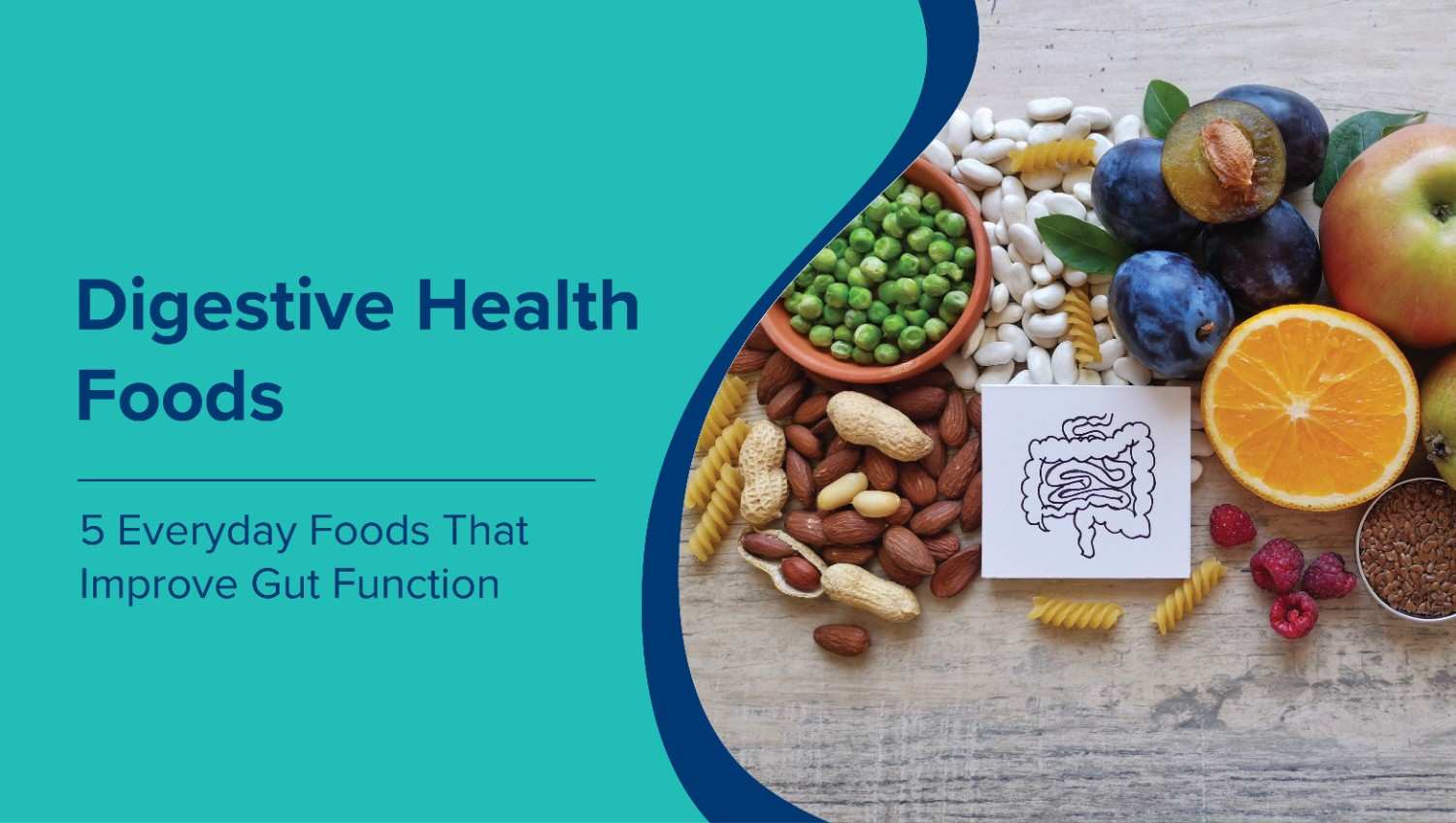


Discover the top five everyday foods that can significantly enhance gut health and support optimal digestion. This blog offers valuable insights, practical tips, and scientific understanding designed for individuals seeking to improve their gastrointestinal function, address stomach issues, or interpret blood test results related to gut health. Empower yourself with knowledge and practical strategies to foster a healthier, happier digestive system.
Importance of Gut Health
Supports the Immune System
A healthy gut serves as the body’s first line of defence against harmful pathogens. Nearly 70% of the immune system resides in the gut lining, making optimal gut health essential for strong immunity and infection prevention.
Digestion and Nutrient Absorption
Beneficial gut bacteria help break down food, absorb essential nutrients, and eliminate toxins. Proper gut function helps prevent common digestive issues, including bloating, constipation, indigestion, and irritable bowel syndrome (IBS).
Blood tests for Vitamin B12, Iron, and Ferritin, which are often recommended to evaluate whether impaired digestion or absorption is contributing to fatigue, weakness, or anaemia.
Mental Health and Brain Function
The gut and brain are closely connected via the gut–brain axis. A healthy gut produces key neurotransmitters, including serotonin, that support mood regulation and may help reduce stress, anxiety, and depressive symptoms.
Metabolism and Weight Management
A balanced gut microbiome is essential for regulating metabolism and energy use. It helps maintain a healthy weight by affecting how the body stores fat and metabolises calories.
Tests such as fasting blood glucose, fasting insulin, and HOMA-IR help assess metabolic health and identify early insulin resistance associated with gut imbalance.
Disease Prevention
A diverse and healthy gut microbiome helps reduce the risk of chronic conditions such as Type 2 diabetes, cardiovascular disease, and inflammatory disorders, contributing to long-term overall health.
To check for hidden inflammation that could silently affect the gut and overall health, tests for inflammatory markers such as CRP and ESR are commonly recommended.
Top 5 Everyday Foods That Improve Gut Function
This foodlist is based on scientific evidence, nutritional content, accessibility, and proven benefits for gastrointestinal health. The foods are practical, easy to incorporate into daily routines, and positively affect the gut microbiota, bowel movements, and overall digestive health.
Yoghurt and Fermented Dairy Products
Yogurt and other fermented dairy products are rich sources of probiotics, beneficial bacteria such as Lactobacillus. These microbes help restore and maintain a healthy gut microbiome, which is essential for efficient digestion, reducing bloating, and preventing gastrointestinal disturbances like acute infectious diarrhoea.
Probiotics in yoghurt can enhance the diversity of beneficial bacteria, support intestinal barrier integrity, and may positively influence cholesterol levels. They are especially valuable for low-birth-weight infants and individuals with dysbiosis or other gut-related issues.
Tips to Include:
- Choose yoghurt labelled "live and active cultures."
- Consume a daily serving (about ½ to 1 cup) at breakfast or as a snack.
- Pair with fibre-rich fruits or oats for synergistic benefits.
- Check labels to ensure the presence of strains such as Bifidobacterium lactis and Lactobacillus acidophilus.
High-Fiber Fruits and Vegetables
Fruits such as apples and berries, along with vegetables like carrots and spinach, are excellent sources of dietary fibre and polyphenols that support a healthy gut microbiome. Fibre adds bulk to stool, supports regular bowel movements, and prevents constipation, all of which are vital for gastrointestinal health.
These foods also contain antioxidants and anti-inflammatory compounds that can help reduce gut inflammation and support healing of the intestinal lining.
Tip to Consume:
- Incorporate a colourful variety of fresh fruits and vegetables daily to maximise fibre and nutrient intake.
- Gradually increase fibre intake to prevent gas and bloating.
- Maintain adequate hydration to support fibre’s effects on bowel movements.
- Choose fresh, whole fruits and vegetables rather than processed options.
Whole Grains
Whole grains such as oats, brown rice, quinoa, and whole wheat are rich in prebiotic fibres that support beneficial bacteria like Lactobacillus and Bifidobacterium. These fibres help support gut motility, reduce transit time, and improve stool consistency.
Whole grains also contain complex carbohydrates that provide sustained energy and support the human microbiome.
Tips for Including Whole Grains:
- Gradually replace refined grains with whole-grain options.
- Incorporate oats into breakfast and serve brown rice or quinoa as a side dish.
- Experiment with whole-grain bread and pasta.
- Use recipes that combine whole grains, vegetables, and lean proteins to make balanced meals.
Bone Broth and Collagen-Rich Foods
Bone broth contains amino acids, such as glutamine, that are essential for repairing and maintaining the intestinal lining. Collagen-rich foods and supplements can help reduce inflammation, strengthen the gut barrier, and aid healing in conditions such as leaky gut syndrome.
These foods may also help reduce symptoms of gastrointestinal inflammation and support recovery from acute infectious diarrhoea.
To support digestion and detoxification during gut healing, liver function tests (LFTs) may be recommended because liver health directly affects digestive efficiency.
Ways to Use Bone Broth:
- Incorporate into soups or sip as a warm beverage.
- Combine with vegetables and lean proteins for nutrient-dense meals.
Ginger and Other Digestive Spices
Ginger is well-known for alleviating nausea, enhancing gastric motility, and aiding digestion. Its anti-inflammatory effects can calm the GI tract, making it helpful for those experiencing indigestion.
Turmeric and other spices also have anti-inflammatory properties that can help manage gut inflammation and support overall gastrointestinal health.
Practical Tips:
- Add fresh ginger to teas, smoothies, or stir-fries.
- Use turmeric in curries or rice dishes, or as a supplement.
- Incorporate spices regularly into daily cooking for sustained digestive support.
Practical tip to Optimising Gut Health
Dietary Habits
- Increase fiber intake: Include a variety of fruits, vegetables, whole grains, and legumes, such as lentils and beans, to nourish beneficial gut bacteria and support regular digestion.
- Eat probiotic-rich foods: Add fermented foods such as yogurt, kefir, kimchi, sauerkraut, and tempeh to introduce beneficial gut bacteria.
- Include prebiotic foods: Support existing good bacteria with fiber-rich foods such as garlic, onions, bananas, and oats.
- Limit processed foods: Reduce intake of packaged foods, artificial sweeteners, and preservatives, which can disrupt gut balance.
- Stay well hydrated: Drink enough water each day to support digestion and enhance nutrient absorption.
Lifestyle Habits
- Manage stress: Engage in meditation, yoga, or deep breathing exercises to strengthen the gut–brain connection and reduce digestive issues.
- Focus on getting quality sleep: sufficient rest promotes gut repair and provides a healthy microbiome.
- Exercise regularly: Engaging in physical activity enhances digestion and promotes the growth of beneficial gut bacteria.
- Chew food properly: Eating slowly and chewing thoroughly supports digestion and helps reduce bloating.
Point to Note: When to Seek Medical Advice
If digestive symptoms such as bloating, constipation, diarrhea, or stomach discomfort; unexplained weight loss; or blood in the stool continue for a long time.
Ongoing gut issues may be linked to conditions such as irritable bowel syndrome (IBS) or a bacterial imbalance in the gut and often require medical evaluation.
Medical advice is important for correctly understanding test results and for planning the right treatment and diet.
In cases of severe or infectious diarrhea, proper hydration is essential, but a doctor should be consulted if symptoms do not improve.
Do not delay seeking care if symptoms worsen or interfere with daily activities.
Conclusion
Incorporating five everyday foods, including yogurt and fermented dairy, high-fiber fruits and vegetables, whole grains, bone broth, collagen-rich foods, and digestive spices, can boost gut health. A balanced diet and healthy lifestyle support a resilient gut, beneficial microbiota, and overall well-being. Empower yourself by adopting a gut-friendly diet and consulting healthcare professionals for guidance. For more resources, consider contacting specialized clinics or medical centers dedicated to digestive health.




 Call: 9240299624

