


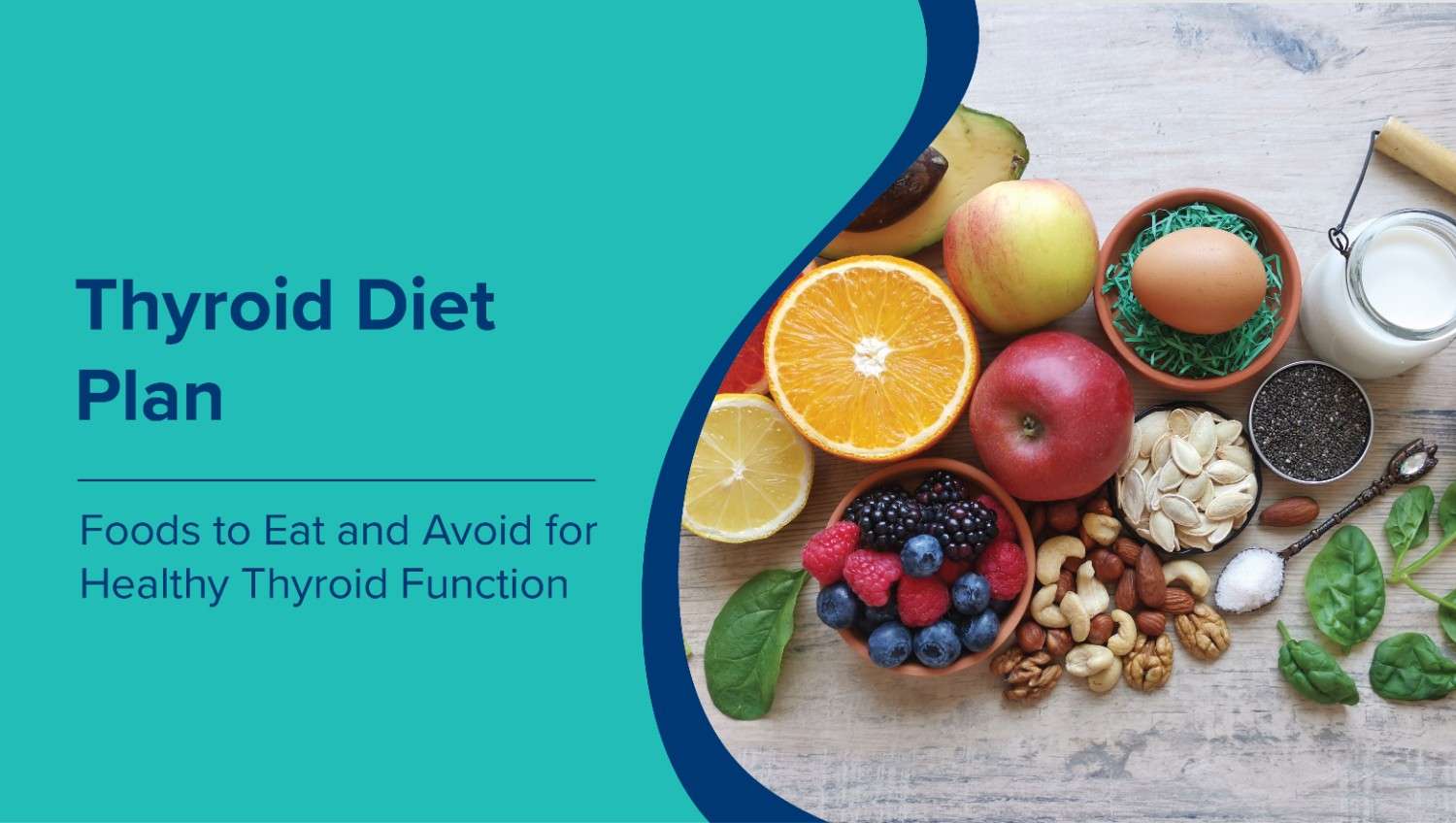


A well-balanced thyroid diet supports thyroid hormone production, metabolism, and overall well-being. While diet alone cannot cure thyroid disorders, the right foods, when combined with proper medical treatment, can help manage symptoms of hypothyroidism, hyperthyroidism, and autoimmune conditions such as Hashimoto’s thyroiditis.
Why Diet Matters For Thyroid Health
The thyroid gland secretes hormones (T3 and T4) that regulate metabolism, energy, heart rate, and body temperature. To function effectively, the thyroid requires key nutrients, including iodine, selenium, zinc, iron, and vitamin D. Deficiencies in these nutrients, excessive iodine intake, or improper timing of food and medication can disrupt thyroid hormone balance.
A thyroid-friendly diet focuses on:
- Supporting hormone production
- Reducing inflammation
- Enhancing gut health
- Help Avoid nutrient deficiencies
What Causes Thyroid Disease
Autoimmune Disorders: The immune system mistakenly attacks the thyroid gland. Hashimoto’s thyroiditis results in an underactive thyroid (hypothyroidism), whereas Graves’ disease causes an overactive thyroid (hyperthyroidism).
Iodine Imbalance: A lack of iodine in the diet can affect thyroid hormone production, leading to hypothyroidism. Excess iodine, on the other hand, may trigger hyperthyroidism.
Thyroiditis (Thyroid Inflammation): Thyroid inflammation, commonly resulting from infection or autoimmune disorders, can lead to temporary hyperthyroidism, followed by hypothyroidism.
Medical Treatments: Surgical removal of the thyroid (thyroidectomy) or radiation therapy, particularly for thyroid cancer, can result in lasting hypothyroidism.
Medications: Some drugs, especially those with high iodine content or medications such as lithium, may disrupt regular thyroid activity.
Congenital Defects: Some individuals are born with absent or impaired thyroid glands, leading to a lack of thyroid hormones from birth.
Thyroid Nodules or Tumors: Benign conditions such as adenomas or cysts can form in the thyroid gland and may increase hormone production, leading to hyperthyroidism.
Food To Eat For A Healthy Thyroid
Below are some of the mentioned foods, which provide iodine that is essential for hormone production
Iodine-containing foods
Include foods such as iodized salt, seafood (fish, shrimp), and dairy (milk/yogurt), which are essential for hormone production. For supplements, focus on food sources and use them only when advised by a healthcare professional.
Selenium-rich foods
This includes Brazil nuts (1–2 nuts per day is usually sufficient), seafood, eggs, sunflower seeds, and lean meats. Selenium helps convert T4 to T3 and may help reduce thyroid inflammation in certain autoimmune conditions.
Zinc & iron
Iron is found in oysters, red meat, poultry, lentils, beans, pumpkin seeds, and spinach, and vitamin C helps improve its absorption. Iron deficiency is frequent and can decrease the effectiveness of thyroid hormone. It’s advisable to consult your doctor to have your ferritin and iron levels tested.
Vitamin D & B12
Sources: fatty fish, fortified dairy or plant milks, eggs, mushrooms (vitamin D), and animal products for B12. Low vitamin D and B12 frequently accompany autoimmune thyroid disease; discuss supplementation if deficient.
Omega-3 fats & anti-inflammatory foods
Sources include fatty fish like salmon, mackerel, and sardines, as well as walnuts, chia seeds, and flaxseeds. These foods help manage overall inflammation and promote heart health, which is especially important when metabolism changes.
Fibre & gut-friendly foods
Whole grains, legumes, fruits, vegetables, and fermented foods like yogurt and kefir promote digestion and support the microbiome. However, consuming very high-fiber foods at the same time as thyroid medication can reduce absorption. Refer to timing tips below.
Foods And Habits To Avoid For A Healthy Thyroid
High-dose iodine supplements
These can provide too much iodine and may trigger or worsen thyroid problems; avoid using them unless prescribed. Food sources of iodine are safer options.
large amounts of cruciferous vegetables (goitrogens)
Raw crucifers like broccoli, cauliflower, cabbage, kale, and bok choy contain compounds that affect iodine absorption when consumed in large amounts; cooking reduces this effect. For most individuals, eating moderately cooked crucifers remains safe and provides nutritional benefits.
Soy Products (Processed)
Soy may affect thyroid hormone production or medication absorption, especially when iodine intake is low or when soy consumption is very high. If you regularly eat soy, avoid taking it at the same time as your thyroid medication.
Excessive fibre
Large, fiber-rich meals or very high-fiber supplements can reduce levothyroxine absorption. To avoid this, take high-fiber meals and medication at different times.
Calcium, iron supplements or antacids
Calcium and iron can interfere with levothyroxine absorption by binding to it, so it’s recommended to avoid taking them within 4 hours of your thyroid medication. Additionally, antacids and some multivitamins might also cause interactions.
Highly processed foods, excessive sugar, and trans fats
These worsen inflammation, weight gain, and metabolic health, all of which are important when thyroid function is low. Always favor whole foods.
Note: Foods listed are general guidelines for thyroid health and may not be suitable for everyone. Always consult your doctor or dietitian before making any dietary or treatment changes.
Thyroid Diet Plan Chart: Follow to Control Thyroid
Below is a weekly thyroid diet plan that can help you provide a better
Weekly Diet Plan
Sunday
- Breakfast: 3 dosa + ½ cup sambar + 1 tsp methi chutney + milk/tea
- Mid-meal: 1 medium fruit
- Lunch: 1 cup rice + 2 chapati + 150 g chicken curry + buttermilk
- Evening: 3 cracker biscuits + milk/tea
- Dinner: 3 multigrain chapati + lauki methi sabji + ½ cup salad
Monday
- Breakfast: Roasted oats vegetable upma + milk/tea
- Mid-meal: 1 banana
- Lunch: 4 chapati + French beans curry + arbi sabji + buttermilk
- Evening: Green gram sprouts with lemon + milk/tea
- Dinner: 3 chapati + bitter gourd sabji + ½ cup salad
Tuesday
- Breakfast: Broken wheat vegetable upma + milk/tea
- Mid-meal: 100 g musk melon
- Lunch: 1 cup rice + 2 chapati + 100 g grilled/stewed fish + rajmah curry
- Evening: Bread omelette (2 eggs + 3 whole wheat slices) + milk/tea
- Dinner: 3 chapati + ridge gourd sabji + ½ cup salad
Wednesday
- Breakfast: 2 paratha (aloo/gobhi/methi) + green chutney + milk/tea
- Mid-meal: 100 g pomegranate
- Lunch: 4 chapati + cluster beans curry + capsicum sabji + buttermilk
- Evening: 3 wheat rusk + milk/tea
- Dinner: 3 chapati + raw banana sabji + ½ cup salad
Thursday
- Breakfast: 4 idli + ½ cup sambar + coconut chutney + milk/tea
- Mid-meal: 1 apple
- Lunch: 1 cup rice + 2 chapati + 100 g fish curry + green peas sabji
- Evening: Roasted black gram laddu + milk/tea
- Dinner: 3 chapati + aloo baingan sabji + ½ cup salad
Friday
- Breakfast: Oats cooked in milk
- Mid-meal: 1 guava
- Lunch: 4 chapati + chana dal + methi sabji + buttermilk
- Evening: Boiled Bengal gram with lemon + milk/tea
- Dinner: 3 chapati + bhindi sabji + salad
Saturday
- Breakfast: Vegetable cheese sandwich (whole wheat bread) + milk/tea
- Mid-meal: 100 g watermelon
- Lunch: 1 cup rice + 2 chapati + 150 g chicken curry + ivy gourd sabji + buttermilk
- Evening: Chiwda + milk/tea
- Dinner: 3 multigrain chapati + tinda sabji + ½ cup salad
Disclaimer: This sample diet plan is for educational purposes only and may not be suitable for everyone. Please consult a qualified dietitian before following this advice.
Lifestyle and Daily Habits to Control Thyroid Level at Home
Manage stress effectively: Chronic stress raises cortisol levels, interfering with thyroid hormone activation. Practices such as yoga, meditation, and deep breathing can help.
Exercise Daily: Engage in moderate-intensity activities, such as walking, cycling, or swimming, for at least 150 minutes per week to boost energy and metabolism
Prioritize Sleep: Aim for 7–9 hours of quality sleep to improve hormone balance and metabolism
Quit Smoking: Chemicals in cigarettes can disrupt thyroid hormone production and increase the risk of Graves’ disease.
Avoid Chemical and Radiation Exposure: Use a thyroid collar during dental or medical X-rays to protect the gland. Avoid harmful pollutants such as BPA and perchlorates, and use filtered drinking water.
Concerned About Your Thyroid Health?
While diet is essential, regular testing is crucial for effective thyroid management. Obtain accurate thyroid tests at home through trusted MAX@Home labs. Book a thyroid test now





 Call: 9240299624

