


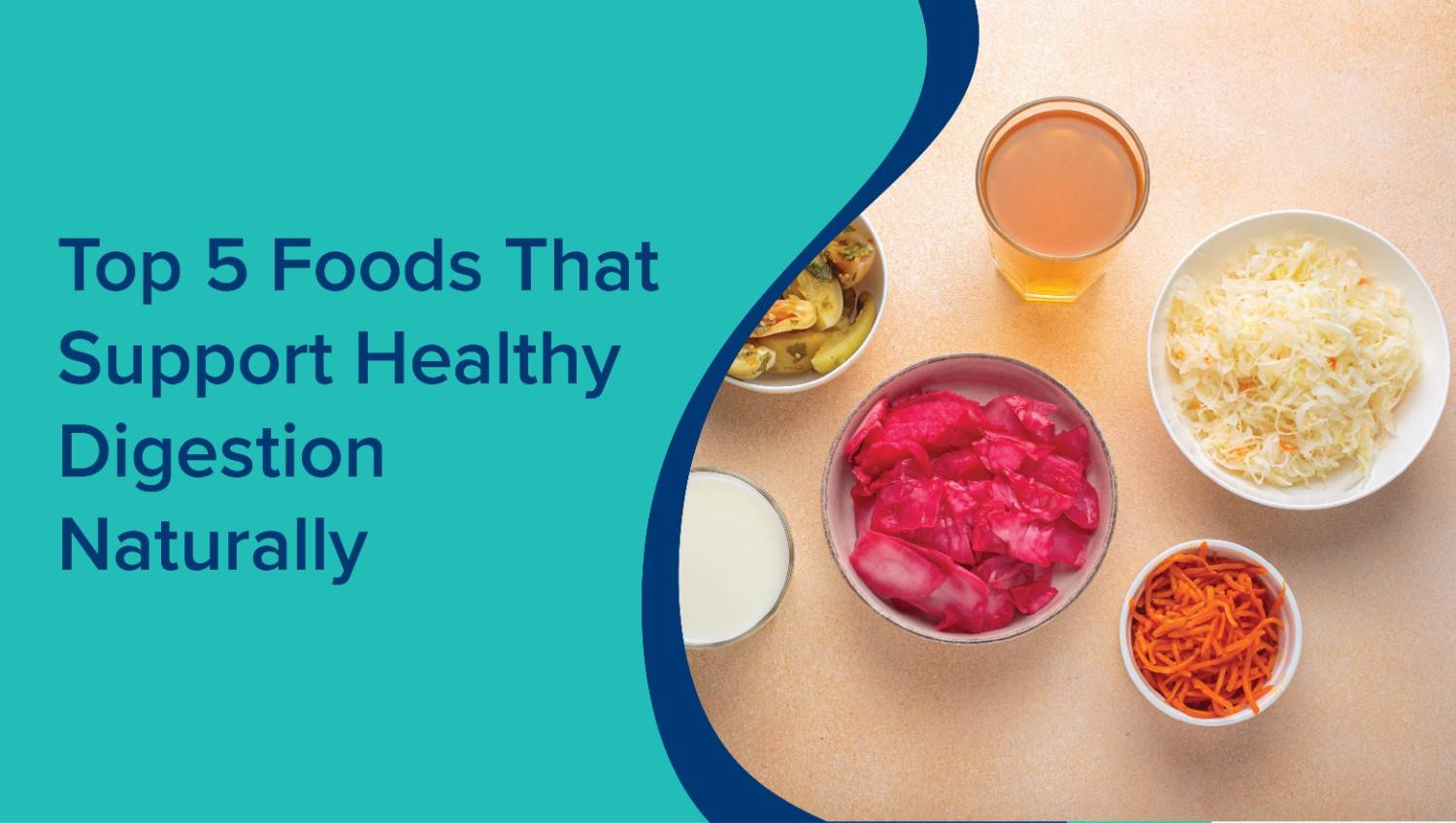


Quick Answer
A healthy digestive system is crucial for absorbing nutrients, supporting immunity, and maintaining overall well-being. Digestive issues like bloating, acid reflux, constipation, and fatigue can occur when digestion is poor. The positive news is that including the right foods in your daily diet can naturally enhance digestion and promote gut health.
Importance of Digestive Health
Your digestive system plays a crucial role in improving your overall health. This includes: -
- It breaks down food into nutrients that can be absorbed.
- Supports gut bacteria and immunity
- Controls bowel movements.
- Helps inhibit inflammation and toxin accumulation
Poor digestion may cause nutrient shortages, fatigue, weight problems, and repeated stomach issues. Maintaining a diet high in fiber, probiotics, and natural digestive remedies is essential for sustained gut health.
Foods for Better Digestion
Yogurt (Natural Probiotic for Gut Health)
Yogurt can be a helpful addition to a healthy diet because it contains probiotics, beneficial bacteria that support a balanced gut microbiome. Regularly including probiotic-rich foods may support digestion and bowel regularity.
Tip to consume:
- Choose plain, unsweetened yogurt or homemade curd.
- Avoid varieties with added sugar or artificial sweeteners.
- Have it with meals or as a healthy snack.
Fiber-Rich Fruits (Support Bowel Regularity)
Fruits provide dietary fibre, water, and important nutrients that support healthy digestion. Papaya contains enzymes that may aid digestion, while apples and bananas provide fibre that supports bowel regularity. Including a variety of fruits in your diet can also support a healthy gut microbiome and help prevent constipation.
Whole Grains (Essential Fibre for a Healthy Digestive System)
Whole grains are a good source of dietary fibre, which adds bulk to stools and supports regular bowel movements. Unlike refined grains, whole grains retain their bran and germ, providing more fibre and nutrients.
Good choices include oats, brown rice, jowar, bajra, ragi, and quinoa. Including these foods in your diet can support healthy bowel movements and overall digestive health.
Ginger (A Natural Digestive Booster)
Ginger has traditionally been used to support digestion and may help with common digestive discomforts such as nausea, indigestion, gas, and bloating. It may also support normal stomach movement and help food move through the digestive tract.
You can add fresh ginger to meals, herbal drinks, or warm water as part of your daily diet.
Leafy Green Vegetables (Support Gut Health)
Leafy green vegetables are rich in fibre, magnesium, water, vitamins, and other nutrients that support healthy digestion. Their fibre content can help promote regular bowel movements and reduce the risk of constipation.
Good options include spinach, fenugreek (methi), lettuce, kale, and amaranth leaves. Including a variety of leafy greens in your meals can contribute to a balanced, fibre-rich diet and support overall gut health.
Chia Seeds (Rich in Dietary Fibre)
Chia seeds are a convenient source of soluble and insoluble fibre. When mixed with liquid, they form a gel-like texture that can help add bulk and softness to stools.
Tip to consume: Start with a small amount and drink enough water, especially if your usual fibre intake is low.
Oats (Gentle Source of Fibre)
Oats contain soluble fiber, including beta-glucan, which supports healthy bowel function. They can be an easy breakfast option and can be combined with fruit, nuts, or yogurt for a fibre-rich meal.
Bananas (Easy-to-Digest Fruit)
Bananas provide fibre, potassium, and carbohydrates and can be a convenient snack. Ripe bananas are generally easy to include in the diet and may help support normal bowel function.
Papaya (Fibre and Digestive Enzymes)
Papaya provides dietary fibre, water, vitamins, and an enzyme called papain. Adding ripe papaya to your diet can be a simple way to increase fruit and fibre intake while supporting overall digestive health.
Fermented Foods (Support a Healthy Gut Microbiome)
Foods such as idli, dosa, fermented vegetables, and other traditionally fermented foods can be part of a balanced diet. Fermentation may produce beneficial microorganisms and compounds that can support gut health.
Choose minimally processed options and avoid products that contain excessive amounts of salt or added sugar.
Foods and Drinks to Limit for Better Digestion
Fried and high-fat foods: Overeating items like samosas, pakoras, and fatty meats can slow digestion and potentially worsen acid reflux and indigestion.
Ultra-Processed Foods: Packaged snacks and ready-to-eat meals frequently include additives and preservatives that can disturb gut bacteria and hinder digestion.
Artificial Sweeteners: Sugar alcohols such as sorbitol, aspartame, and sucralose frequently present in diet sodas may cause bloating, gas, and stomach discomfort.
Refined Carbohydrates: White bread, pasta, and pastries are low in fiber, which can slow down digestion and lead to constipation.
Spicy Foods: These can irritate the stomach lining, leading to heartburn or abdominal cramps in sensitive people.
Caffeine and Alcohol: Both stimulate excess stomach acid production and serve as irritants to the gastrointestinal tract; alcohol can additionally compromise the gut barrier.
Dairy (if Intolerant): Individuals with lactose intolerance may experience rapid bloating, gas, and discomfort when consuming milk, cheese, and other dairy products.
Home Remedies for Better Digestion
Other than food, below are some of the natural tips that you can follow at home for an efficient digestive system
Stay Well Hydrated: Make sure to drink enough water throughout the day to promote good digestion and overall metabolic health.
Keep a consistent meal schedule: eating regularly helps regulate blood sugar levels and promotes better digestion.
Chew Food Thoroughly: Eating slowly and chewing thoroughly improves nutrient absorption and reduces digestive problems.
Avoid Overeating & Late-Night Meals: Eating large or late meals can interfere with digestion and metabolic processes.
Limit Unhealthy Foods: Limit fried, processed, and sugary foods to promote gut and hormone health.
Manage Your Stress: Engage in yoga, meditation, or relaxation methods to support digestive and hormonal stability.
Struggling With Digestive Problems?
Bloating, gas, acid reflux, or constipation may be signs of digestive problems. Get reliable digestive health tests at home using MAX@Home. Book Digestive Health Tests at Home now.
Final Thoughts
Supporting healthy digestion doesn't require costly supplements or drastic alterations. Include yogurt, fiber-rich fruits, whole grains, ginger, and leafy greens in your daily meals to support gut health and help prevent common digestive issues. Maintaining regular eating patterns, staying well-hydrated, and leading a healthy lifestyle can further improve digestive function and overall wellness.







 Call: 9240299624

