


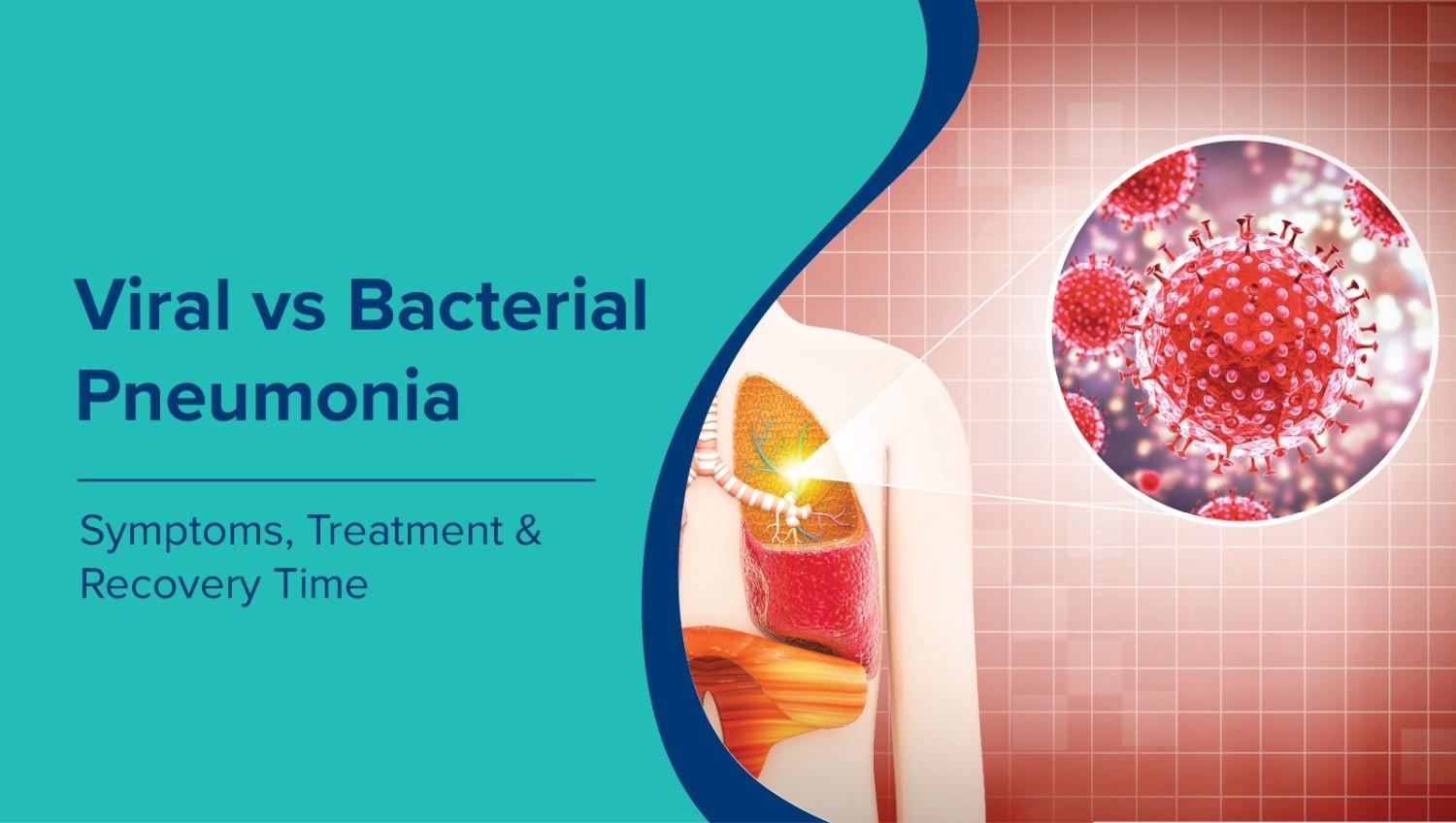


Waking up with a heavy chest and a persistent cough can be unsettling. When that 'common cold' starts feeling like a weight in your lungs, it's understandable to feel concerned about pneumonia.
The catch? Pneumonia isn’t caused by just one thing. Viruses or bacteria can cause it. Knowing which one you're dealing with can help you feel more in control of your recovery process.
What Is Pneumonia?
A condition characterised by inflammation of the air sacs that fill with pus and fluid. Recognizing signs such as high fever, chest pain, and rapid breathing can help determine whether medical attention is urgent.
Recognising symptoms early can help you feel more confident and less anxious about managing your health, increasing your chances of a quick recovery. Consulting your doctor promptly ensures you receive the best possible treatment.
Virus Vs Bacterial Pneumonia: Key Differences
Virus Pneumonia
Caused by Influenza A and B, respiratory Syncytial virus, and some coronaviruses, viral pneumonia often begins with cold-like symptoms that spread to the lungs.
Symptoms of Viral Pneumonia
Mild Fever
A slight temperature rise (about 38°C) means your body is heating up to fight germs and prevent them from growing.
Dry Cough
In the beginning, the cough is dry because there’s little mucus in the lungs. It often feels like a tickle that makes you cough again and again.
Headache
A mild, dull headache happens because your body is stressed and inflamed while fighting the infection.
Fatigue
Feeling of tiredness because your body is using most of its energy to fight bacteria.
Sore Throat
Your throat may feel irritated. This can happen when the infection first starts in the throat before moving to the lungs.
Recovery From Viral Pneumonia
It usually takes 10-20 days(1-2 weeks) to recover with treatment. If you have factors such as age, medical condition, or overall health, it is important to consult your doctor and receive timely treatment to support a speedy recovery and improved quality of life.
Treatment for Viral Pneumonia
Antibiotics are usually effective against bacteria, so understanding your treatment options can help you feel more empowered in managing bacterial pneumonia. Supportive care for viral pneumonia can also give you confidence in your recovery process.
Antiviral Medication
Doctors may prescribe antiviral medicines if the infection is caused by the flu virus(Influenza). Starting these early can shorten the duration of illness and reduce complications.
Antipyretics
Medicines like paracetamol or ibuprofen help bring down fever and relieve body aches. They don’t cure the infection but make you more comfortable while your body fights it.
Hydration
Drinking plenty of fluids (water, soups, ORS, herbal teas) helps prevent dehydration, loosens mucus, and supports your immune system in fighting the infection.
Rest
Proper sleep and rest allow your body to heal properly. Overexertion can slow recovery and worsen symptoms.
Nebulization Therapy
Nebulization delivers medicine as a fine mist that you breathe into your lungs. It helps open airways, reduce wheezing, and ease breathing, especially if there’s chest tightness or bronchial irritation.
Oxygen Support (in severe cases)
If oxygen levels drop due to a lung infection, doctors may provide oxygen through a mask or nasal tube to ensure your organs get enough oxygen while your lungs recover.
Bacterial Pneumonia
It is caused by bacteria such as Streptococcus (primarily), Mycoplasma, and Haemophilus, which lead to lung inflammation. Bacterial pneumonia may occur independently or as a complication after viral infections such as influenza.
Common Symptoms of Bacterial Pneumonia
High fever:
This may be the body's normal response to fight a bacterial infection, and the fever may spike quickly and be hard to control.
Weakness and Fatigue:
The body uses a lot of energy fighting infection, which can lead to fatigue, body aches, and difficulty performing normal activities.
Chills and sweating:
Episodes of chills and heavy sweating happen as the body tries to regulate temperature during the infection.
Sharp chest pain:
Because the lining of the lungs becomes inflamed, making deep breaths or coughing painful.
Cough with Sputum:
Thick mucus with yellow, green, or rust-colored sputum forms in the lungs as the immune system fights bacteria; the color often indicates infection.
Fast Breathing:
A bacterial infection in the lungs affects oxygen supply to organs, so breathing becomes faster and sometimes shallower.
Confusion:
In older adults, reduced oxygen levels and infections can affect brain function, sometimes causing sudden disorientation or unusual behavior.
Treatment For Bacterial Pneumonia
Antibiotics:
Based on suspected organisms, doctors prescribe antibiotics that target the most likely bacteria, adjusting them later if tests identify the exact cause.
IV antibiotics:
In Severe cases, intravenous antibiotics may be needed for faster and stronger action.
Oxygen therapy:
When oxygen levels drop abnormally, it can help maintain proper breathing and organ function.
Specialised care:
Hospitalization is necessary for serious symptoms or complications, where patients can receive close monitoring and advanced treatment.
Fluids and supportive therapy:
Fluids, rest, and symptom-relief medicines help loosen mucus, reduce fever, and support recovery.
How is Pneumonia Diagnosed?
Your doctor has done a clinical evaluation based on your medical history and symptom pattern, and will additionally check your lungs by listening for any whistling or crackling sounds. Based on which test are recommended
Test to Diagnose Pneumonia
Below are some tests that may be recommended to screen for and confirm pneumonia.
- Chest X-Ray (Portable): An imaging test used to confirm a lung infection and fluid buildup. (Book now)
- CBC Test: Detects infection through white blood cell count. (book now)
- CRP Test: Measures inflammation levels in the lungs. (book now)
- Sputum Culture: Identifies the exact infection-causing organism. (book now)
- Blood Culture: Checks whether the infection has spread to the bloodstream. (book now)
- Pulse Oximetry: Monitors blood oxygen levels. (Book now)
- Arterial Blood Gas (ABG): Measures oxygen and carbon dioxide levels for severe cases. (book now)
- Liver & Kidney Function Tests: Check organ function before strong medications. (book now)
- Influenza / Viral Panel: Identifies viral infections that can cause pneumonia. (book now)
- D-Dimer Test: Used if complications like lung clots are suspected. (book now)
- Procalcitonin Test: Helps distinguish bacterial infection from viral causes. (book now)
- ESR Test: Detects inflammation linked to infection. (book now)
Book now with MAX@Home
- At-home testing
- Certified labs
- Fast reports
- Ideal for elderly & critical patients
What are the risk factors for pneumonia?
Older Adults (65+ years)
Elderly patients have weakened immune systems, making it harder for the body to fight off infections. Risk increases with age, leading to greater vulnerability to infections.
Young children (below 5)
Infants and toddlers are particularly susceptible to infections because their developing immune systems are still immature and not yet fully capable of resisting illness.
Chronic Medical Conditions
People with heart, liver, or lung disorders and diabetes are more likely to be affected by bacteria or viruses, making pneumonia more likely and sometimes more severe.
Cancer Treatment
A cancer patient undergoing chemotherapy or steroids may have a suppressed immune system. When immune defenses are low, even mild germs can cause serious lung infections.
Bad Lifestyle Habits
People who smoke damage lung tissue and reduce the lungs’ natural cleaning system, while excessive alcohol weakens immunity. Being around sick people also increases exposure to infection-causing germs.
Seasonal Factors
Pneumonia is more common in the fall and winter months due to the increased spread of respiratory viruses in crowded indoor environments. However, pneumonia can develop year-round if pathogens enter the lungs.
Complications with Pneumonia
- Both viral and bacterial pneumonia can severely inflame the lungs, leading to respiratory failure making it difficult for oxygen to pass into the bloodstream.
- Bacterial pneumonia can spread infection into the bloodstream, leading to sepsis a life-threatening body-wide inflammatory response that can damage organs.
- Bacteremia can occur when bacteria from the lungs enter the blood. It can spread infection to other organs.
- Certain bacteria can cause pus formation in lung tissue results in lung abscesses.
- Severe pneumonia infection, dehydration, or sepsis can reduce blood flow to the kidneys, which may lead to kidney failure.
- Extensive inflammation or fluid buildup in the lungs can lead to lung failure, especially in severe viral infections or advanced bacterial pneumonia.
- Low oxygen levels, fever, and stress from infection can disrupt the heart’s electrical activity, leading to irregular heartbeats, particularly in older adults or those with heart disease.
How To Prevent Pneumonia
- Getting vaccinated helps prevent flu infections and protects against common bacteria that cause pneumonia. If you have a small child must go after consultation from a doctor.
- Avoiding smoking and Drinking improves lung health and reduces the risk of infection.
- Washing your hands and avoiding crowds helps prevent germs from spreading and entering the body.
- Balanced nutrition strengthens the immune system to fight infections effectively.
- Managing any chronic illnesses helps the body resist severe respiratory infections.
A Note from MAX@Home
Getting the right treatment for pneumonia depends largely on knowing whether it's caused by a virus or bacteria. If you've got symptoms like a fever, cough, chest pain, or trouble breathing, MAX@Home can help with safe, convenient diagnostic tests and medical care right at your place to figure out what's going on and make sure you get the right treatment plan.



 Call: 9240299624

