




Quick Answer
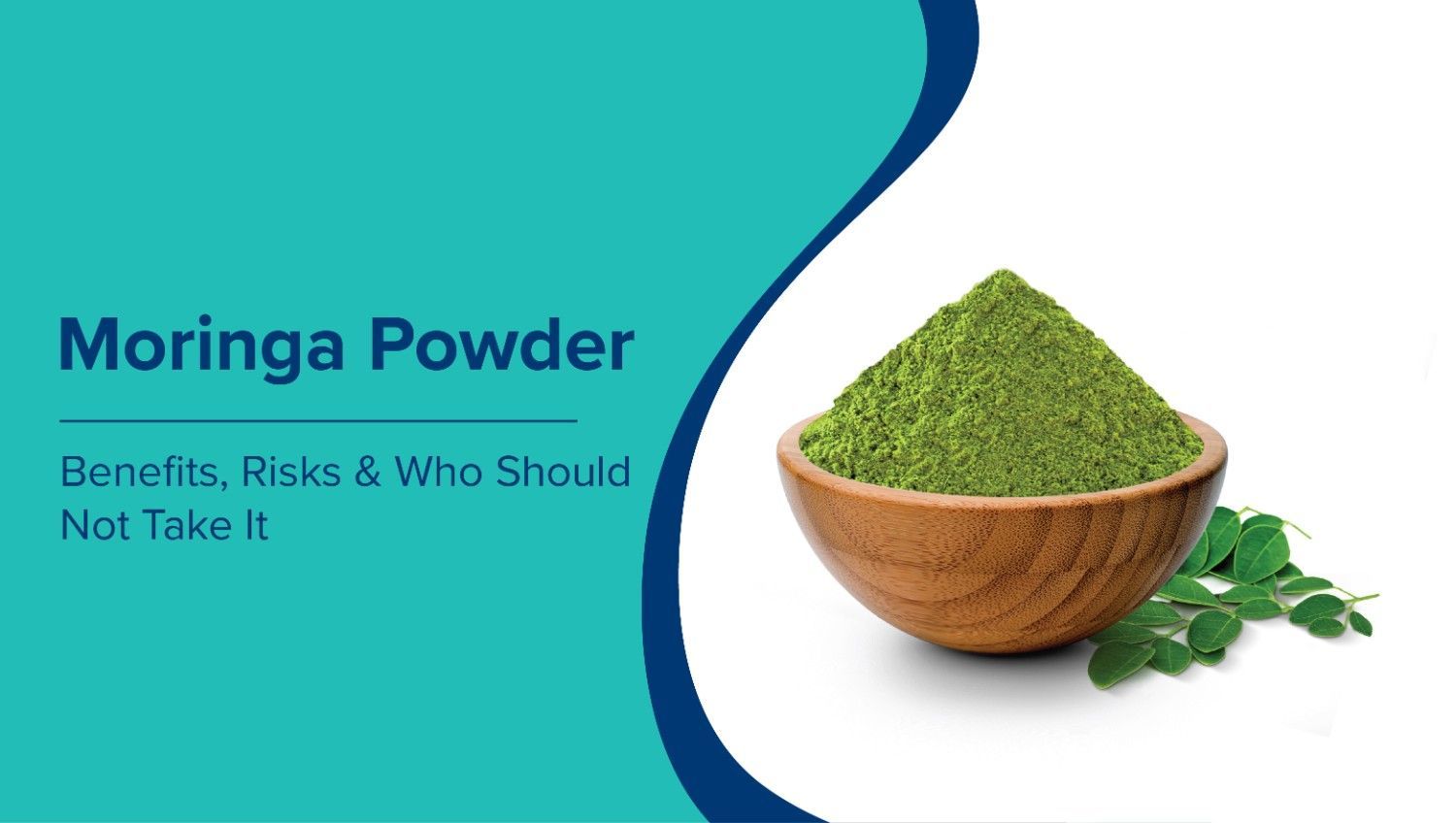
Moringa powder, often called the “Miracle Tree” or “Drumstick Tree,” is made from the dried leaves of the Moringa oleifera tree and has gained global recognition as a powerful superfood. People have used it for centuries in traditional medicine across India, Africa, and Southeast Asia. Today, it’s popular as a nutritional supplement due to its impressive vitamin, mineral, and antioxidant profile.
What Is Moringa Powder?
Moringa powder is made by drying fresh moringa leaves at low temperatures, then grinding them into a fine green powder. This process preserves most of the plant’s nutrients.
Nutritional Composition of Moringa (Per 100 g)
Moringa is loaded with the nutritionals, making it one of the best foods to consume. These include
- Protein: ~25–30.3% provides all essential amino acids, making it a complete plant-based protein.
- Fiber: 11.4–11.8% — aids digestion and promotes gut health.
- Fat: approximately 4–10%, mostly consisting of polyunsaturated fatty acids, notably a high level of alpha-linolenic acid (ALA), which is a beneficial omega-3 fatty acid.
- Minerals: Calories: ~20, Protein: ~2 g, Calcium: ~70 mg, Iron: ~1 mg, Vitamin C: ~7 mg, Energy(~300kcal)
Moringa Powder Benefits
Contains Antioxidants:
Moringa contains powerful antioxidants, including such as quercetin and chlorogenic acid. These compounds help neutralize free radicals, potentially reducing oxidative stress and supporting overall cellular health, which may also improve mood and help with nervous disorders.
Enhance Immunity:
Moringa can boost immunity because it is rich in high vitamin C and iron content, which may help strengthen the immune system and support red blood cell production.
Control Diabetes:
Moringa leaf extract may help support blood sugar and insulin control and could reduce diabetes-related complications. Since moringa may lower blood sugar, it could enhance the effect of diabetes medications and lead to hypoglycemia.
Anti-Inflammatory Properties:
Chronic inflammation is associated with many diseases, including arthritis and heart disease. Moringa’s plant compounds may help reduce inflammation naturally.
Helps in weight loss:
Moringa may help by boosting metabolism and naturally reducing appetite. Its high fiber and protein content can also keep you fuller (improves satiety)
Improve Liver Health:
Moringa may protect against nonalcoholic fatty liver disease (NAFLD). A lab study found compounds in moringa that reduced fat in liver cells and increased fat-breakdown proteins. More research is needed to confirm its liver-protective effects.
Improves gut Health:
Moringa may lower stomach acid, helping prevent peptic ulcers, and its anti-inflammatory properties might protect the digestive tract against conditions like ulcerative colitis, also reducing the risk of colon cancer.
Promote Skin and Hair Health:
Moringa contains Vitamins A and E(book now). It helps improve skin health, supports wound healing, strengthens hair.
Improves eyesight:
Beta-carotene is an essential component that is converted into retinol (Vitamin A), supporting vision and overall health.
Risks and Side Effects Associated with Moringa Powder
In moderation, moringa is generally safe; excessive intake or improper use may cause side effects.
Because it is high in fiber and potent, it may cause stomach upset, gas, bloating, or diarrhea, especially when taken on an empty stomach.
Since it can naturally reduce blood pressure, using it alongside antihypertensive medication might lead to dizziness or fainting.
It may also lower blood sugar, leading to hypoglycemia, which can be risky for people with diabetes who are already taking glucose-lowering medications.
Who Should Avoid Taking Moringa Powder?
- Pregnant and breastfeeding women: Moringa contains certain compounds in the root and bark that may stimulate uterine contractions and increase miscarriage risk.
- Individuals with Thyroid Disorders: It may affect thyroid function and worsen hypothyroidism, particularly when used with thyroid medications.
- Kidney or Liver Conditions: Excessive intake of moringa powder could place additional stress on these organs, so it is advised to take it after the recommended amount.
- People Taking Blood Thinners: Moringa may interact with drugs such as warfarin or aspirin, affecting how well they work.
- Individuals with Allergies: Some people may develop allergic reactions, including rashes, hives, or swelling.
To ensure safe use of moringa powder for individuals with specific health conditions, the following diagnostic tests are recommended:
- Prenatal Health Checkup (Book now)
- Thyroid Function Test (Book now)
- Kidney Function Test (Book now)
- Liver Function Test (Book now)
- Coagulation Profile Test (Book now)
- Allergy Test Panel (Book now)
Disclaimer: Always consult a healthcare professional before adding herbal supplements to your routine, especially if you have existing medical conditions or take prescription medications.
What Is The Recommended Dosage Of Moringa Powder?
For beginners, ½ teaspoon daily may be suitable; for adults, the recommended starting dose of moringa powder is about 1–2 teaspoons per day.
Some studies suggest slightly higher amounts may be tolerated, but intake should generally not exceed 70 g (approx.) per day. Choose organic moringa powder, as it is typically free of harmful chemicals and pesticides.
How to Include Moringa Powder in Diet?
Here are some of the healthy ways to have moringa in your routine: -
Moringa Powder: Most commonly, you can grind dried leaves into a fine powder and sprinkle it over smoothies, yogurt, oatmeal, or soups for an easy nutritional boost.
Moringa Tea: Add dried leaves to hot water to make a refreshing herbal tea; add honey or lemon for extra flavor.
Add moringa leaves to salads to boost nutrition and add a mild, peppery taste.
Stir-Fries or Sautéed Dishes: Add chopped fresh leaves to stir-fries or lightly sauté them with vegetables to preserve nutrients.
Moringa Pesto: Blend moringa leaves with garlic, nuts (such as almonds or pine nuts), and olive oil to make a flavorful spread or pasta sauce.
Soups: Stir in fresh or dried moringa leaves to enhance both taste and nutrition.
Smoothies: Mix fresh or powdered moringa into fruit or vegetable smoothies with a base like almond milk or coconut water.
Capsules or Supplements: If incorporating it into meals is difficult, moringa is also available as a supplement (consult a healthcare professional before use).
How to Choose Best Quality Moringa Powder
When buying moringa powder, it should have
- An organic certification ensures it is free from any pesticides, heavy metals, and harmful coloring agents
- Bright green (an indicator of fresh moringa). If it is dull brown, it means the powder has been sun-dried, which can destroy vital nutrients
- Fresh, earthy smell, which shows the powder is made fresh and no chemicals or flavors are added
- Airtight packaging allows powder to be fresh for longer and also prevents oxidation, as loose packaging can destroy nutrition
- High-quality brands provide third-party lab testing, which is essential to verify that the powder is processed properly without any additional chemicals.
Final Thoughts
Moringa powder is a nutrient-rich supplement that offers numerous potential health benefits, from supporting immunity and heart health to improving energy and skin wellness. Use it responsibly and in moderation. Individuals with medical conditions, pregnant women, and those on medication should consult a healthcare professional before consuming.
If used correctly, moringa can be a powerful addition to a balanced diet and healthy lifestyle.



 Call: 9240299624

