

Introduction
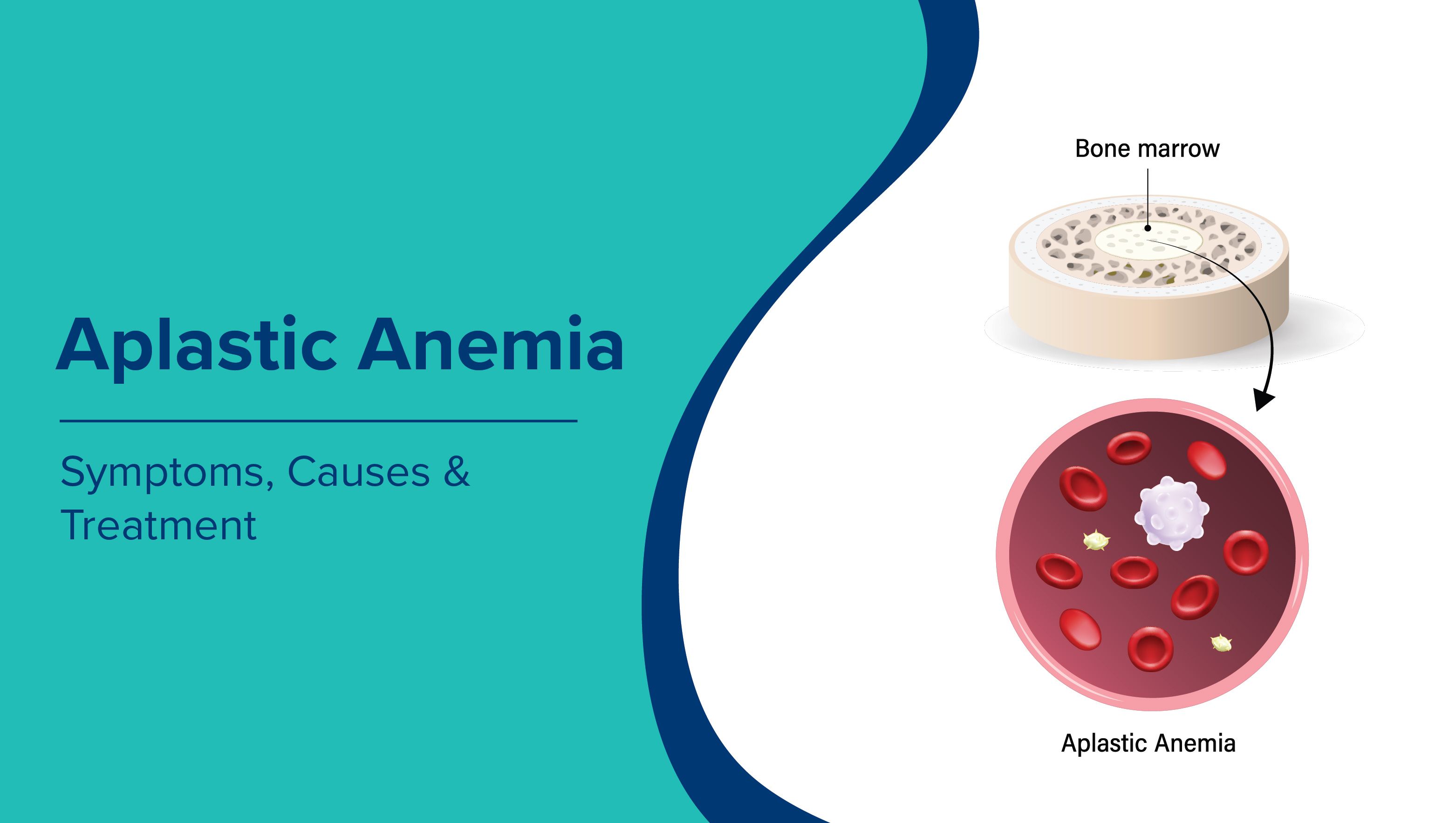
Aplastic anemia is a rare but serious blood disorder in which the bone marrow cannot produce enough blood cells, including white blood cells, red blood cells, and platelets. Because it affects all three types, it is also called bone marrow failure syndrome.
Usually, bone marrow has stem cells that grow into blood cells. In aplastic Anemia, these stem cells are damaged, leading to low blood counts. Without treatment, severe cases can be life-threatening.
What Are The Types of Aplastic Anemia
Aplastic anemia is generally classified by its severity and cause.
By Severity:
Moderate aplastic anemia: The bone marrow works less than normal but still makes some blood cells.Severe aplastic anemia (SAA): There is a major drop in all blood cell types, and it can be life-threatening without treatment.
Very severe aplastic Anemia (VSAA): The most serious type, characterized by extremely low levels of certain white blood cells and a high risk of serious infections.
By Cause:
Acquired aplastic anemia: This is the most common type and occurs due to factors such as viruses, toxins, or the immune system attacking the bone marrow.Inherited aplastic Anemia: This type is caused by genetic conditions such as Fanconi anaemia, dyskeratosis congenita, or Shwachman-Diamond syndrome.
What Are The Causes of Aplastic Anemia
Aplastic anemia happens when the immune system mistakenly attacks the bone marrow’s stem cells or when something directly damages the bone marrow. Often, the exact cause is unknown (idiopathic aplastic anemia). Some known triggers are:
Autoimmune Disease
This is the most common cause of acquired aplastic Anemia. The immune system, especially T lymphocytes, attacks and destroys hematopoietic stem cells in the bone marrow, preventing normal blood cell production.
Viral Infections
Some viruses can harm the bone marrow, such as Epstein-Barr virus (EBV), Cytomegalovirus (CMV), hepatitis viruses (especially non-A, non-B types), HIV, and parvovirus.
Exposure to Toxic Chemicals
Long-term or heavy exposure to chemicals such as benzene, pesticides, herbicides, or industrial solvents can directly damage bone marrow and reduce its function.
Medications
Some medicines have been linked to aplastic Anemia. These include antibiotics, antiseizure drugs, and nonsteroidal anti-inflammatory drugs (NSAIDs), which can affect blood cells.
Radiation and Chemotherapy
Cancer treatments like radiation therapy or chemotherapy can damage bone marrow cells. This may cause temporary or permanent aplastic Anemia as a side effect, etc.
Pregnancy
Rarely, aplastic anaemia can develop during pregnancy, possibly due to changes in the immune system. It often goes away, but sometimes recurs in subsequent pregnancies and may require treatment.
Genetic and Inherited Conditions
Inherited bone marrow failure syndromes, such as Fanconi Anemia, cause progressive bone marrow suppression due to genetic mutations. These usually appear in childhood or early adulthood.
Symptoms of Aplastic Anemia
Since aplastic anemia affects all three types of blood cells, symptoms appear as problems with each type:
Symptoms Due to Low Red Blood Cells (Anemia)
When there are not enough red blood cells, the body cannot carry enough oxygen to tissues and organs. This can cause:
- Persistent fatigue and weakness
- Pale or yellowish skin
- Shortness of breath, even with light activity
- Dizziness or lightheadedness
- Rapid or irregular heartbeat
- Headaches
Symptoms Due to Low Platelets (Thrombocytopenia)
Platelets help the blood to clot. If there are too few, people may have:
- Unexplained bruising
- Prolonged bleeding from cuts or minor injuries
- Nosebleeds or bleeding gums
- Small red or purple spots on the skin (petechiae)
- Irregular Periods
Symptoms Of Low White Blood Cells (Leukopenia)
- Frequent or recurring infections
- Fever without a clear cause
- Slow-healing wounds
- Mouth sores or oral
If you have unexplained tiredness, frequent infections, or unusual bleeding, see a doctor as soon as possible. Finding aplastic anemia early can make a big difference in treatment outcomes.
How Is Aplastic Anemia Diagnosed?
Doctors diagnose aplastic anemia using a mix of blood tests and bone marrow checks. Below are some of the important tests; including:
- Complete Blood Count (CBC): (Book now)
- Peripheral Blood Smear: (book now)
- Reticulocyte Count: (book now)
- Additional Tests: (book now.)
Treatment Options for Aplastic Anemia
Treatment depends on the severity of the condition, the patient’s age and health, and whether a suitable bone marrow donor is available.
Bone Marrow (Stem Cell) Transplant
This is the best treatment for severe aplastic Anemia, especially for younger people. Healthy stem cells from a matched donor, usually a sibling, replace the damaged bone marrow.
Success rates are highest when:
- The patient is under 40 years old
- A fully matched sibling donor is available
- Treatment begins soon after diagnosis
When a matched sibling is not available, doctors may consider using an unrelated donor or a half-matched donor for the transplant.
Immunosuppressive Therapy (IST)
For patients who cannot have a stem cell transplant due to age, health, or lack of a suitable donor, immunosuppressive therapy is the main treatment. The usual treatment plan includes:
- Anti-thymocyte globulin (ATG): Targets and destroys the T-cells attacking the bone marrow.
- Cyclosporine: Lowers the immune system’s activity to stop more stem cell damage.
- Eltrombopag (Promacta): A thrombopoietin receptor agonist that stimulates blood cell production; now frequently added to ATG + cyclosporine for improved response rates.
Response to IST usually takes 3–6 months. Many patients need long-term cyclosporine to maintain remission.
Supportive Care
While waiting for a response to treatment, patients often need:
- Red blood cell transfusions to manage Anemia symptoms
- Platelet transfusions to control bleeding
- Antibiotics, antifungals, and antivirals to prevent and treat infections
- Growth factors (like G-CSF) to help the body make more white blood cells in some cases
How To Manage Aplastic Anemia
Living with aplasticAnemiaa involves more than medical care. Patients and caregivers can do several things to improve quality of life and lower risks:
- Avoid infection risks: Maintain hygiene, avoid large crowds during treatment, and stay up to date with vaccinations as recommended by your doctor.
- Monitor for side effects: If you take immunosuppressants long-term, you need regular checks of your kidney function and blood pressure.
- Emotional support: Living with a long-term illness can be hard. Support groups and counselling can help.
- Follow-up care: Regular visits to your blood specialist are important for managing remission and detecting relapses early.
Key Takeaways
Aplastic anemia is rare but serious. Early diagnosis can save lives. With appropriate treatment, such as stem cell transplantation or immunosuppressive therapy, many patients achieve long-term remission and remain healthy. If you notice unexplained fatigue, frequent infections, or unusual bleeding, do not wait. Consult a doctor and get tested.
Choose the MAX@Home Anemia Profile for convenient, early detection and timely care at home. Book now (click here).





 Call: 9240299624