


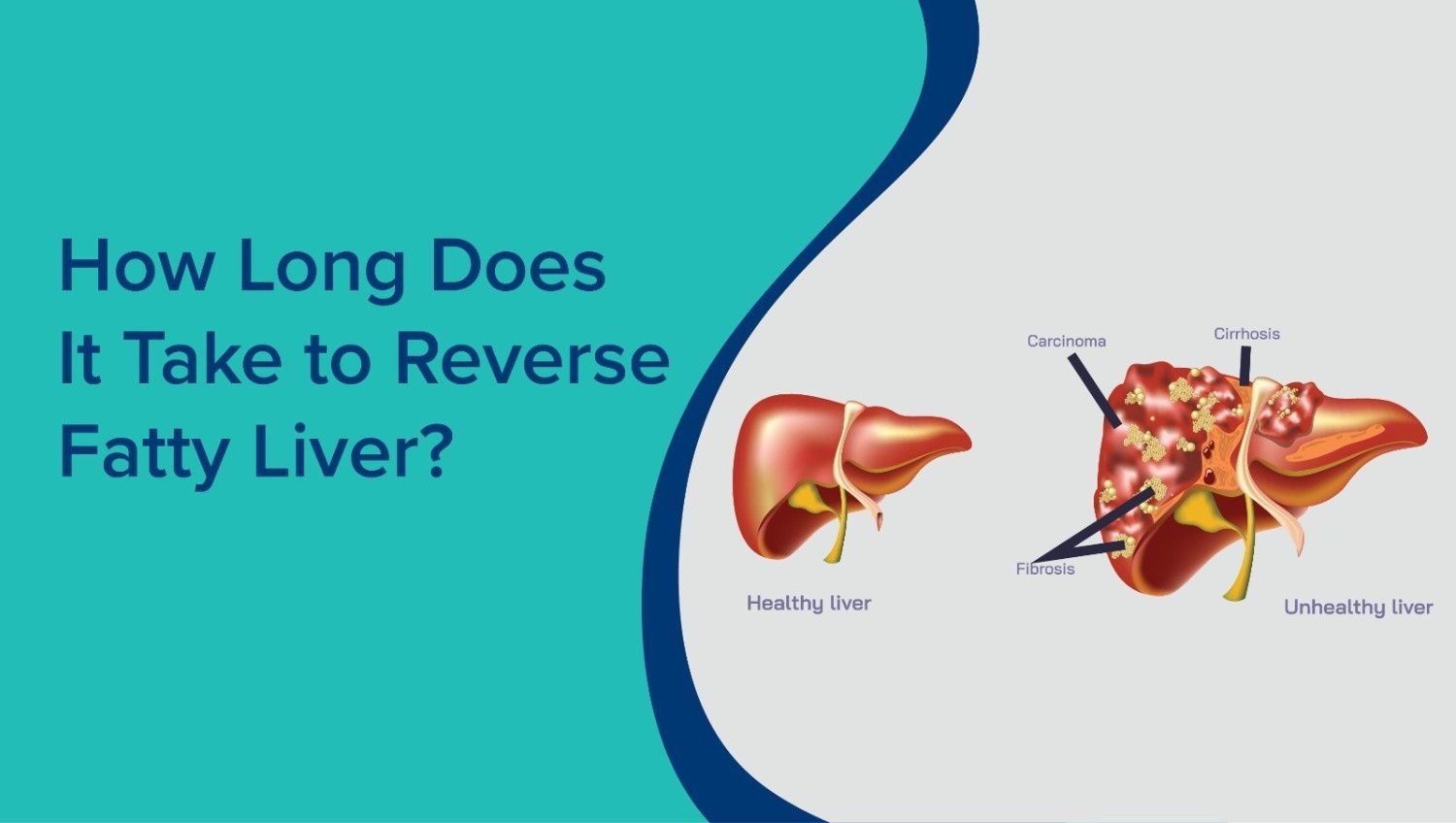


Fatty liver disease affects tons of people globally. If you've gotten this diagnosis, you're probably wondering, "How long until it goes away?" There's no one-size-fits-all answer, but understanding the factors that affect your timeline can help you set realistic expectations and stay motivated throughout your recovery.
Understanding Fatty Liver Disease
Fatty liver disease occurs when excess fat accumulates in liver cells. There are two main types:
Non-Alcoholic Fatty Liver Disease (NAFLD): Related to metabolic factors like obesity, diabetes, and high cholesterol rather than alcohol consumption.Alcoholic Fatty Liver Disease (AFLD): Caused by excessive alcohol intake over time, affecting almost 30% of the worldwide population; if untreated, it can lead to liver inflammation, cirrhosis, or cancer.
Note: The liver is remarkably resilient and has an incredible ability to heal itself when given the right conditions.
Symptoms of Fatty Liver Disease
Fatty liver disease is often called a “silent” condition because it usually causes no symptoms early on. As it progresses, mild signs such as tiredness, abdominal discomfort, or weight changes may appear.
- Fatigue and weakness
- Abdominal pain( book gasteroenterologist now)
- Weight loss or low appetite
- Swelling (abdomen, legs, ankles)
- Jaundice
- Skin issues
- Mental confusion
In severe stages, the symptoms may worsen, including
- Vomiting blood or coffee-ground vomit
- Black, tarry, or bloody stools
- Sudden intense confusion
- Shortness of breath
- Enlarged liver and spleen
The Timeline: What to Expect
2-4 Weeks
During the first few weeks of making lifestyle changes, you may not see dramatic improvements on medical tests, but important processes are already underway:
- Liver inflammation starts to decrease
- Your body begins to metabolize stored fat more efficiently
- Insulin sensitivity may start improving
- You might notice increased energy levels and reduced fatigue
3-6 Months
This is when many people start seeing measurable results:
- Liver enzyme levels (ALT and AST) often begin to normalize.
- Liver fat content may decrease by 20-30% or more
- A 5-10% reduction in body weight can significantly improve liver health
- Blood sugar and cholesterol levels typically improve
- Ultrasound or imaging studies may show decreased fat accumulation
6-12 Months
With consistent effort, substantial healing occurs:
- Many people achieve complete reversal of simple fatty liver (steatosis)
- Liver function tests often return to normal
- Liver fat content can decrease by 50% or more
- Metabolic markers continue to improve
- Risk of progression to more serious liver disease decreases significantly
1 Year and Beyond
For those with more advanced disease or complications, full recovery may take longer:
- Most people can achieve a complete reversal of fatty liver within 1-2 years.
- Those with non-alcoholic steatohepatitis (NASH) might require 2-3 years of consistent effort.
- While fibrosis (scarring) can improve over time, reversing advanced fibrosis generally takes longer.
Factors That Affect Recovery Speed
1. Severity of Liver Damage
Simple fatty liver reverses more quickly than NASH or liver disease with fibrosis. If caught early, you'll see faster results.
2. Weight Loss Rate
Gradual, sustained weight loss of 1-2 pounds per week is ideal. Losing 7-10% of your body weight can lead to significant improvements. However, rapid weight loss can temporarily worsen liver inflammation.
3. Underlying Health Conditions
Managing diabetes, high blood pressure, and high cholesterol alongside fatty liver treatment can speed recovery. These conditions are often interconnected.
4. Improve your Lifestyle
Consistent dietary changes, regular exercise, and avoiding alcohol (especially for AFLD) are crucial.
5. Age and Metabolism
Younger individuals and those with faster metabolisms may see faster improvements, though people of all ages can successfully reverse fatty liver.
6. Genetic Factors
Some people are genetically predisposed to liver fat accumulation and may need more time and effort to see results.
Tips to Speed Up Recovery
Dietary Changes
- Reducing refined carbohydrates and added sugars
- Increasing fiber intake (vegetables, whole grains, legumes)
- Choosing lean proteins and healthy fats (omega-3s)
- Limiting saturated fats and processed foods
- Avoiding high-fructose corn syrup
- Eating more antioxidant-rich foods (berries, leafy greens, nuts)
What to avoid:
- Alcohol (even moderate amounts can slow recovery.
- Sugary beverages and fruit juices
- Fried and highly processed foods
- Excessive portion sizes
Exercise Routine
Physical activity is one of the most effective interventions:
- Aim for 150 minutes of moderate-intensity exercise per week
- Include both aerobic exercise (walking, cycling, swimming) and resistance training
- Even without weight loss, exercise reduces liver fat
- Start gradually and increase intensity over time
Weight Management
If you're overweight or obese:
- Target 7-10% weight loss for optimal liver health
- Focus on sustainable changes rather than crash diets
- Combine calorie reduction with increased physical activity
- Consider working with a registered dietitian
Medical Support
Don't go it alone:
- Regular monitoring with your healthcare provider
- Follow-up blood tests and imaging to track progress
- Medications may be prescribed for diabetes, cholesterol, or other conditions
- Emerging treatments like vitamin E or pioglitazone may be recommended in some cases
Lifestyle Modifications
- Get 7-9 hours of quality sleep nightly
- Manage stress through meditation, yoga, or other relaxation techniques
- Stay hydrated with water throughout the day
- Quit smoking if applicable
Monitor Your Progress
Regular monitoring through diagnostic tests can help you stay motivated and adjust your approach:
Blood Tests
Recommended Blood test to check progress
- ALT (Alanine Aminotransferase)-Book now
- AST (Aspartate Aminotransferase)-Book now
- ALP (Alkaline Phosphatase)—Book now
- GGT (Gamma-Glutamyl Transferase)-Book now
- Lipid Profile -Book now
- Fasting Blood Glucose / HbA1c-Book now
- Bilirubin Test-Book now
Imaging studies such as ultrasound, FibroScan, or MRI can measure liver fat content. These are typically done at baseline and then every 6-12 months.
Body Measurements: Track weight, waist circumference, and BMI monthly.
Symptom Journal: Note improvements in energy, digestive health, and overall well-being.
How to Check Your Progress Over Time
It's important to remember that reversing fatty liver is a marathon, not a sprint. Here's what realistic progress looks like:
- Months 1-2: You're building new habits. Weight may fluctuate. Energy improves. No significant liver changes on tests yet.
- Months 3-6: You've lost some weight. Liver fat begins to decrease. You feel notably better.
- Months 6-12: Substantial improvements are visible on imaging. Liver function is normalizing. Sustainable lifestyle changes feel natural.
- Beyond 1 year: Complete reversal is achieved or well underway. Focus shifts to long-term maintenance.
When to Seek Additional Help
Consult your healthcare provider if:
- There is no improvement after 6 months of consistent effort
- Liver enzyme levels like AST and ALT are rising
- You develop new symptoms like jaundice, severe fatigue, or abdominal pain
- You need help managing underlying conditions
- You're struggling to maintain lifestyle changes
Can Fatty Liver Be Completely Cured?
Most people with simple fatty liver can achieve significant reversal within 6-12 months through dedicated lifestyle changes. Complete reversal often occurs within 1-2 years. Those with more advanced disease may need longer, but improvement is almost always possible with consistent effort.
The Bottom Line
Reversing fatty liver takes time; however, consistent lifestyle modifications can yield observable improvements within several months, with notable progress often evident over 3 to 6 months or longer. The fundamental factor is consistency—adhering to a nutritious diet, engaging in regular physical activity, and maintaining quality sleep—all of which facilitate liver recuperation. With patience and the adoption of appropriate habits, your liver can heal and restore its function over time.


 Call: 9240299624

