


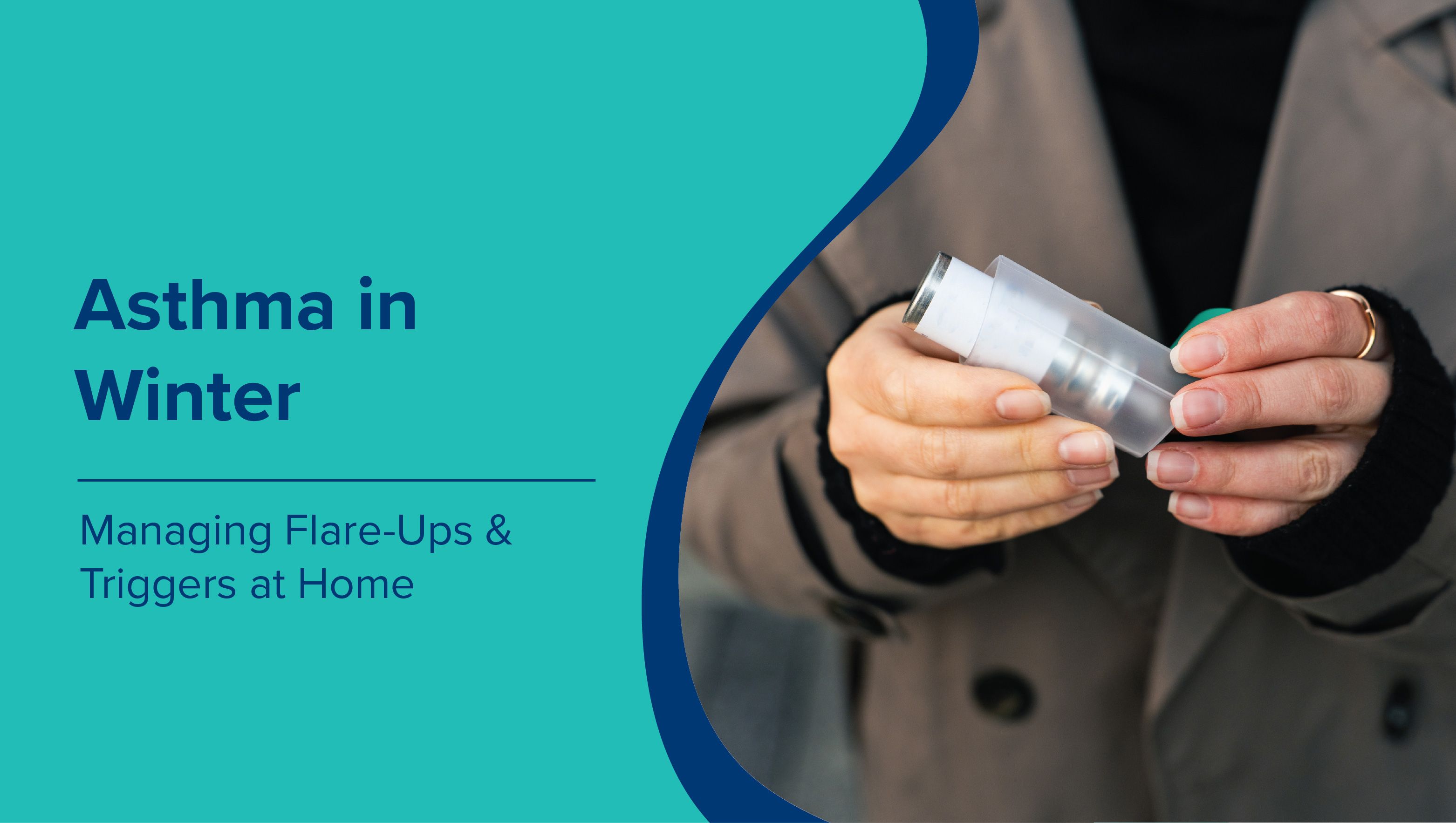


Quick Answer: Cold, dry air is one of the most common asthma triggers. It irritates your airways, thickens mucus, and can cause sudden bronchoconstriction. Most winter flare-ups are preventable with the right medication routine, indoor air quality control, and knowing when to seek help.
India's Asthma Burden: The Numbers That Matter
About 363 million people around the world suffer from asthma, resulting in around 442,000 deaths. India accounts for approximately 35 million asthma patients and about 42-46% of deaths from asthma globally (Lancet Respiratory Medicine, 2024). According to the Global Burden of Disease Study (GBD 2021, The Lancet), the number of asthma cases worldwide was 260.5 million, and there were 21.4 million years of life lost due to disability. By 2050, this number is expected to increase to 275 million cases. The age-standardized mortality rate from chronic respiratory diseases in South Asia is more than double the global average (Nature, 2026) and winter only worsens this due to the combination of cold air and trapped pollutants.
Why Does Asthma Get Worse in Winter?
Your airways have a thin fluid sheath protecting them. When you breathe in cold, dry air, this fluid evaporates faster than it can be replaced. As a result, your airways swell and your body tries to combat this by tightening the muscles around your airways. This is termed bronchoconstriction.
But cold air isn't the only problem. Here's the full picture of what makes November through February particularly risky:
Recognising a Winter Asthma Flare-Up: Symptom Severity
Not every cough is just a "winter cold." Here's how to gauge the severity of your symptoms and respond appropriately:
| Severity | Symptoms | What to Do |
|---|---|---|
| Mild | Occasional cough, slight chest tightness, can talk in full sentences, no sleep disruption | Use reliever inhaler as needed; continue preventive routine |
| Moderate | Wheezing audible, shortness of breath during light activity, waking at night, needing reliever inhaler more than 2x/week | Increase preventer dose as per your action plan; consult your doctor within 24-48 hours |
| Severe / Emergency | Can't complete a sentence, lips or fingernails turning bluish, reliever inhaler not helping, rapid breathing, chest retracting | Use reliever immediately; seek emergency care or call for critical care at home |
Your Winter Asthma Action Plan (Traffic-Light System)
Every asthma patient should have a written action plan that is developed with their doctor. Use of the traffic-light system will aid in the understanding of the different stages:
| Zone | Peak Flow Reading | How You Feel | Action |
|---|---|---|---|
| Green (All Clear) | 80-100% of personal best | No symptoms, sleeping well, can exercise normally | Continue daily controller medicines; carry reliever inhaler |
| Yellow (Caution) | 50-80% of personal best | Cough, wheeze, chest tight, waking at night, slowing down | Use quick-relief inhaler; add or increase medicines as your plan says; call your doctor if no improvement in 24 hours |
| Red (Medical Alert) | Below 50% of personal best | Breathing very hard, reliever not helping, can't talk/walk normally | Use reliever inhaler immediately (up to 3 puffs); call doctor or emergency services now |
Indoor vs Outdoor Winter Triggers: Know Both
Many people assume that once you step inside, you are safe from asthma triggers. This is not always the case. During the winter there are risks both indoors and outdoors:
Indoor Triggers
- Dust mites in carpets and bedding
- Pet dander (concentrated in closed rooms)
- Mould from bathroom/kitchen moisture
- Cooking smoke and kerosene fumes
- Incense, agarbatti, dhoop smoke
- Room heater fumes (gas/kerosene types)
- Mosquito coil and repellent smoke
Outdoor Triggers
- Cold, dry air (below 10°C)
- PM2.5 trapped by temperature inversion
- Stubble-burning smoke (Oct-Nov, North India)
- Fog and smog, especially early morning
- Vehicle exhaust at low-wind conditions
- Construction dust in dry weather
- Firecracker residue (Diwali season)
Managing Asthma at Home: A Winter-Ready Checklist
You can significantly reduce flare-ups by controlling your home environment. Here's a practical checklist:
Indoor Air Quality
- Use an air purifier with a HEPA filter in the bedroom and living room
- Keep indoor humidity between 40-50% with a humidifier (clean it once a week to prevent mold)
- Don't burn incense, dhoop, or mosquito coils inside (use electric mosquito repellent instead)
- Exhaust fan or chimney should be used when cooking in the kitchen (kitchen ventilation should be done)
- Don't use a kerosene or gas heater that doesn't have a vent (use an electric oil radiator or blower heater)
Bedding & Cleaning
- Wash bed sheets, pillow covers, and blankets in hot water (60°C+) weekly
- Mattresses and pillows require dust mite covers
- Carpet and upholstery need to be vacuumed with a HEPA filter vacuum at least twice a week
- Pets are not allowed in bedrooms and must have a regular bath
- Fix all bathroom and household leaks, moisture, and damp
Medication Routine
- Keep your controller/preventer inhaler (inhaled corticosteroids) daily, even if you feel well
- Always carry your reliever inhaler with you all the time
- Take your reliever inhaler 15-20 minutes before going outdoors if you will be in cold air
- Easier-to-breathe inhalers can become less effective in the cold and should be kept at room temperature
- Meet your doctor and discuss your asthma action plan to prepare for winter
Noticed increased wheezing, night-time coughing, or breathlessness?
A MAX@Home doctor can visit you at home to adjust your asthma action plan, demonstrate correct inhaler technique, and set up a nebulizer if needed.
Book a Doctor Visit at Home →Using a Nebulizer at Home: When and How
A nebulizer converts medicine into a mist. The mist is inhaled using a mask or mouthpiece. Nebulizers allow children and elderly patients (as well as those who don't get full relief using inhalers) to get the medicine they need.
| Inhaler vs Nebulizer | Metered-Dose Inhaler (MDI) | Nebulizer |
|---|---|---|
| Ideal for | Mild-moderate asthma, daily prevention, on-the-go use | Severe flare-ups, young children, elderly, patients with weak inhalation |
| Delivery time | Seconds (1-2 puffs) | 10-15 minutes per session |
| Coordination needed | Requires press-and-breathe timing (spacer helps) | Just breathe normally through the mask |
| Portability | Pocket-sized, travel-friendly | Tabletop device; portable mesh nebulizers available |
| Prescription | Required | Required (medicine and dosage must be doctor-prescribed) |
Steps to Use a Nebulizer Correctly
- Wash your hands properly before handling.
- Measure and pour the proper amount of medication into the nebulizer cup. NEVER mix medications, without doctor advice.
- Attach the mouthpiece or mask and connect the tubing to the compressor.
- Sit upright in a comfortable position. Turn on the machine and breathe slowly, deeply through your mouth.
- Continue until the mist stops (usually 10-15 minutes). Tap the cup gently if sputtering occurs.
- Rinse your mouth after the session (especially if using corticosteroids) to prevent oral thrush.
- Clean the cup and mask with warm water after every use. Disinfect weekly.
Are You Using Your Inhaler Correctly?
Studies, including a review article published in 2024 in NPJ Primary Care Respiratory Medicine, show that between 70-80% of patients make mistakes when using their inhaler. This means most patients receive very little benefit from their inhaler medication. The following are common mistakes when using an inhaler. Proper technique is:
| Common Mistake | Why It Matters | Correct Technique |
|---|---|---|
| Not shaking the inhaler | Medicine settles at the bottom; you get propellant, not drug | Shake vigorously 4-5 times before each puff |
| Breathing in too fast | Medicine hits the back of the throat instead of reaching the lungs | Breathe in slowly and steadily for 3-5 seconds |
| Not holding breath | Medicine gets exhaled before it can settle in the airways | Hold breath for 10 seconds (or as long as comfortable) after inhaling |
| Not using a spacer | Without a spacer, 80% of the drug deposits in the mouth/throat | Always use a spacer with an MDI; it dramatically improves lung delivery |
| Spraying before breathing in | The puff is wasted in the air, not in your lungs | Start breathing in slowly, then press the canister (or use a spacer) |
Going Outdoors in Winter: Protect Your Airways
Here are some of the ways to protect it:
Winter Infections & Asthma: Breaking the Cycle
According to the GINA (Global Initiative for Asthma), winter viruses are thought to cause most asthma attacks in children and adults. As indoor viruses spread more rapidly, and because people's immune systems are weaker in the winter, people are more prone to severe asthma attacks during the winter.
| Preventive Step | Why It Helps |
|---|---|
| Get the flu vaccine (annual, before November) | Influenza is one of the most common triggers for severe asthma attacks in winter |
| Stay up-to-date on COVID-19 boosters | COVID infection causes prolonged airway inflammation, worsening asthma for weeks |
| Wash hands frequently (20 seconds with soap) | Most respiratory viruses spread through hand-to-face contact |
| Avoid close contact with anyone showing cold/flu symptoms | Even a mild cold in a non-asthmatic person can become a severe trigger for you |
| Keep hydrated with warm water and herbal teas | Hydration keeps mucous membranes moist, making airways less reactive |
| Practice steam inhalation for 10-15 minutes | Helps loosen thick mucus and soothes irritated airways (plain steam, no essential oils) |
When to Call a Doctor: Red-Flag Symptoms
Most flare-ups during winter can be dealt with at home using your action plan. However, there are times that these situations require immediate medical attention, and you should not hesitate to go get that care if you notice:
- Your reliever inhaler runs out after 3 puffs, or the relief only lasts 4 hours or less
- You can't finish a sentence without having to breathe
- Your lips or nail beds are bluish
- You notice blood in your sputum or mucus
- Persistent fever with worsening shortness of breath for more than 3 days
- Your peak flow meter reads less than 50% of your best
- You get sleepy or confused while breathless
Struggling to breathe or experiencing a severe asthma episode at home?
MAX@Home provides nursing care with nebulizer support, oxygen monitoring, and critical care at your doorstep, 24x7.
Get Nursing Care at Home →Winter Asthma: Special Considerations
| Group | Extra Risk Factors | Key Precaution |
|---|---|---|
| Children (under 12) | Smaller airways, higher breathing rate, more time outdoors at school | Ensure school has a copy of the action plan; send a spacer with the inhaler; dress in layers |
| Elderly (65+) | Weaker lung capacity, delayed symptom recognition, multiple medications | Prefer nebulizer if inhaler coordination is poor; regular doctor check-ups; flu and pneumonia vaccines |
| Pregnant women | Uncontrolled asthma poses risk to both mother and baby | Do not stop controller medicines without doctor's advice; most inhalers are safe in pregnancy |
| Outdoor workers | Prolonged cold air exposure, pollution, physical exertion | Wear an N95 mask, pre-medicate, and take warm-air breaks every 30-40 minutes |
Your Winter Asthma Emergency Kit
Keep this kit assembled and accessible in your home from November through February:
Frequently Asked Questions
Can cold air alone cause an asthma attack?
Yes, Dry air constricts the muscles surrounding the bronchial tubes (bronchoconstriction) and swells the airways. Some people with asthma, hypersensitivity to cold air can easily trigger asthma attacks. In fact, stepping outside and inhaling the cold morning air without covering their nose or mouth can produce the symptoms of wheezing and chest tightness.
Is a nebulizer better than an inhaler for winter asthma?
Not necessarily. An inhaler with a spacer is just as effective as a nebulizer for most adults with mild to moderate asthma. Nebulizers can be used in severe cases or for children and elderly adults who can't time the coordination of using an inhaler. At your doctor's discretion, they can be prescribed for use in nebulized therapy. Both are used in different situations and cannot be used interchangeably.
Should I stop exercising in winter if I have asthma?
No, staying active will actually improve your lung function. The key is to exercise smart. You want to use your reliever inhaler 15-20 minutes prior, do an easy warm up for 10-15 minutes before intense activity, then go outside to exercise (in the afternoon). If it is too cold or too polluted, then you could go do yoga and swim in a heated pool or workout at the gym.
Why does my asthma get worse at night during winter?
Several factors combine at night including redistribution of mucus during lying down and increased resistance in the airways, downward movement of room temperature, peaks of exposure for dust mites in the bedding and the body's natural cortisol (anti-inflammatory hormone) levels being the lowest between midnight and dawn. Significantly using controller inhalers before going to sleep and keeping your bedroom warm (but not hot) along with using dust-mite proofed bedding are helpful.
Can indoor air purifiers help with winter asthma?
HEPA air purifiers eliminate airborne triggers of winter allergies, such as dust and allergens. They are necessary in congested cities with high pollution like Delhi-NCR, where you have little option but to close your doors and windows due to poor air quality. Place them in the bedroom where you spend most of your time breathing. Air purifiers also will not replace good kitchen ventilation because they do not remove cooking fumes or NO2.
How do I know if my child's cough is asthma or just a winter cold?
A typical, everyday cold cough usually involves a runny nose and is gone in under 2 weeks. A cough caused by asthma tends to be bad at night or early in the morning, and comes back when a person is out in cold air or exercising. Other characteristics of asthma coughs include wheezing when a person breathes, and the person's ribs or chest retracts when a person is breathing. If your child's cough always returns during the winter, and you notice that they have trouble breathing and have to stop whatever they are doing, schedule an appointment with the doctor.
What humidity level is best for asthma patients at home?
Shoot for 40-50% relative humidity. Drying the air out below 30% will cause airway irritation. Once above 50%, mold and dust mites begin to grow. To monitor this at home, consider getting a hygrometer for under Rs 500. In the meantime, make sure to utilize humidifiers in all of the dry rooms. Clean the humidifier weekly with either vinegar or hydrogen peroxide to avoid mold and bacterial growth in the inside of the humidifier.
Does pollution make winter asthma worse than cold air alone?
Absolutely. One of the papers published in The Lancet Planetary Health (2024) establishes air pollution as the primary trigger for almost half of the asthma cases in India. During winter, there is a phenomenon known as temperature inversion which brings air pollutants and PM2.5 closer to the ground and combines to create a dangerous polluted layer. During the winter 2024-2025, there was a 30-40% increase in the number of respiratory cases with many Delhi hospitals admitting patients. PM2.5 levels became AQI 400, which is above the safe limit for PM2.5 of 5 µg/m³ and is over 60 times the WHO recommendation. People need to monitor the AQI day to day and avoid going out during the days with 'very poor' or 'severe' ratings.
Sources
- World Health Organization. Asthma Fact Sheet (updated May 2024). who.int/news-room/fact-sheets/detail/asthma
- Global Burden of Disease Study 2021. Asthma burden and projections. The Lancet, 2024. thelancet.com/gbd
- The Global Asthma Report 2022. Global Asthma Network. globalasthmareport.org
- Lancet Respiratory Medicine. India asthma mortality commentary, 2024. thelancet.com/journals/lanres
- GINA (Global Initiative for Asthma). Global Strategy Report, 2024. ginasthma.org/2024-report
Related Support from MAX@Home
- Nursing Care at Home: trained nurses for nebulizer therapy, vitals monitoring, and post-hospitalisation respiratory care
- Doctor Visit at Home: get your asthma action plan reviewed, inhaler technique checked, and prescriptions updated
- Critical Care at Home: ICU-level support including ventilator and oxygen therapy for severe respiratory emergencies

 Call: 9240299624

