


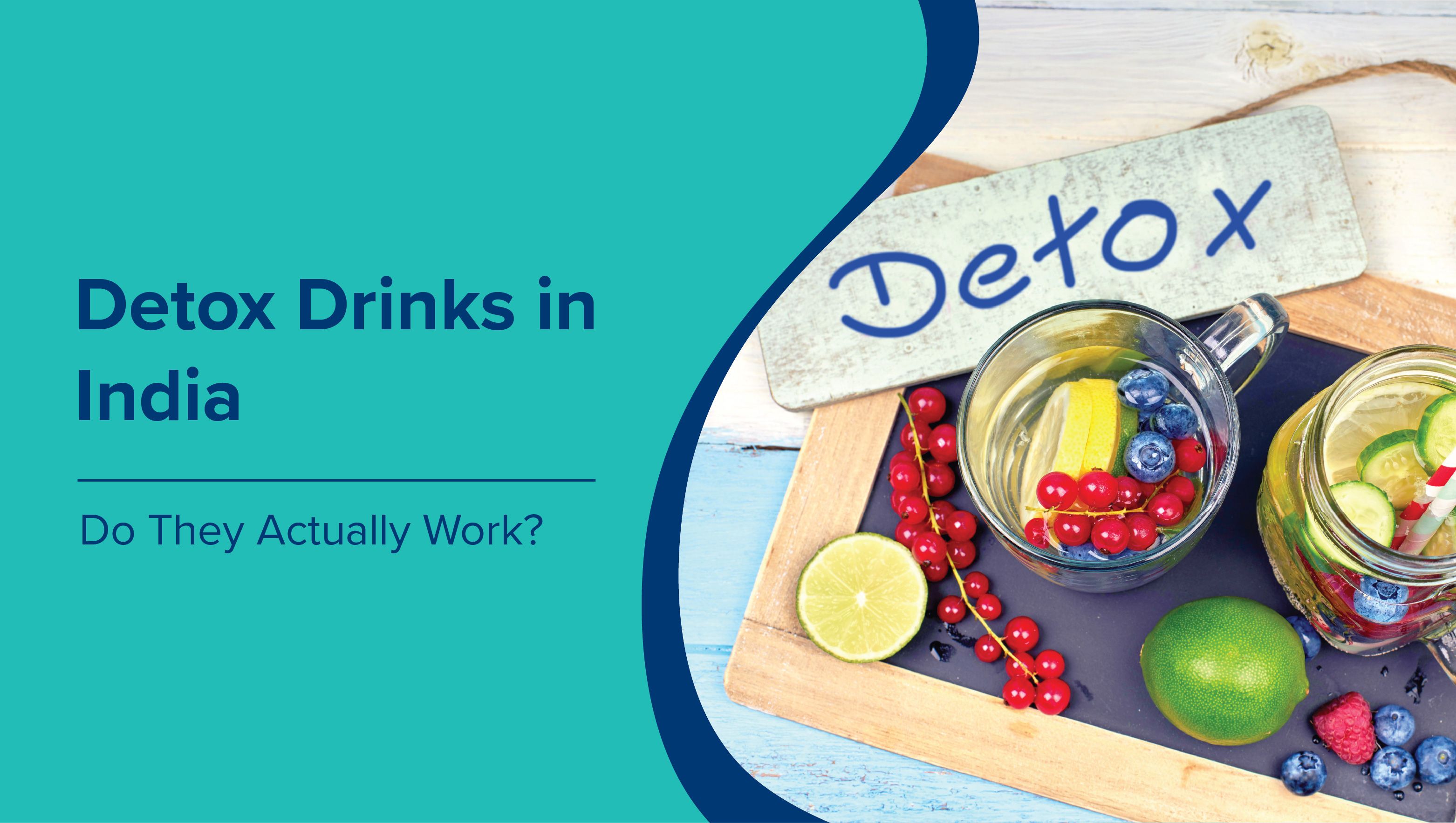


Walk into any wellness shop, check any influencer promoting Indian health products on social media, or watch any morning-routine video, and you will see the same scene unfolding: people sipping green juices, turmeric shots, or bottles of sabja water and claiming they are cleansing their body of toxins. The market for India's detox products runs into many crores of rupees. But the claims themselves deserve an honest look.
This is a myth-busting guide grounded in current evidence. We examine what "detox" actually means physiologically, which popular Indian detox drinks have genuine scientific backing, and which are mostly marketing dressed up in wellness language.
What Does "Detox" Actually Mean? The Science First
Your body runs a sophisticated, continuous detoxification system. It does not wait for a juice cleanse. Here is how it works:
- The liver is the major detoxification organ. It processes drugs, alcohol, food compounds, and metabolic waste using two phases: Phase I (oxidation by cytochrome P450 enzymes) and Phase II (conjugation, including glucuronidation, sulphation, and glutathione conjugation). This converts fat-soluble substances into water-soluble ones so they can be excreted. If you suspect your liver is under stress, a liver function test (LFT) measuring ALT, AST, bilirubin, and albumin can be collected at home through MAX@Home.
- The kidneys filter roughly 180 litres of blood per day (the clinical norm for glomerular filtration rate in a healthy individual), secreting urea, creatinine, drug metabolites, and excess minerals into urine.
- The gut, lungs, and skin also contribute to waste elimination through bowel movements, exhalation of CO2, and sweat.
No juice can push these systems beyond their natural limits in a healthy individual. Neither the World Health Organization nor any reputable hepatology body has produced clinical evidence that commercial detox juices measurably accelerate liver function beyond what water and vegetables already achieve.
Where detox drinks do have real value is when they supply antioxidants, polyphenols, dietary fibre, and specific micronutrients that help the liver and kidneys perform their existing tasks more effectively.
Popular Indian Detox Drinks: What the Evidence Actually Says
Here is an honest, drink-by-drink look at the most popular Indian detox beverages.
1. Amla Juice (Indian Gooseberry)
Amla is among the richest natural sources of Vitamin C in the world, with approximately 600 to 700 mg per 100 g, roughly 20 times the concentration found in oranges. It also contains emblicanin A and B, punigluconin, and pedunculagin, which are tannin-based antioxidants with confirmed hepatoprotective properties.
The evidence: A 2011 study published in the Journal of Medicinal Food found that amla extract reduced markers of alcohol-induced liver damage in animal models. Human studies, including one from 2020, showed improved bilirubin, ALT, and AST levels in patients with MASLD (metabolic-associated steatotic liver disease, formerly called non-alcoholic fatty liver disease).
Verdict: Among the best-supported Indian "detox" drinks. Amla genuinely assists liver antioxidant pathways. One 20 to 30 mL serving of fresh amla juice daily is well-tolerated for most adults.
2. Haldi (Turmeric) Water and Turmeric Milk
Turmeric's active compound, curcumin, has been extensively studied. The core challenge is bioavailability: curcumin is poorly absorbed from the gut in isolation. When paired with piperine from black pepper, absorption increases by up to 2,000 per cent (Shoba et al., Planta Medica, 1998).
The evidence: Multiple randomised controlled trials confirm curcumin has genuine anti-inflammatory effects at therapeutic doses. A 2019 meta-analysis in Nutrients found curcumin supplementation significantly reduced markers of oxidative stress. Hepatoprotective effects in MASLD have been demonstrated in small human trials as well.
Verdict: There is definite worth in turmeric water mixed with black pepper and a small amount of fat (because curcumin is fat-soluble). Turmeric water without black pepper is largely ineffective due to poor absorption. Do not skip the pepper.
3. Sabja (Sweet Basil Seeds) Water
Sabja seeds (Ocimum basilicum) are not the same as chia seeds, though they look identical once soaked. They are rich in mucilage (soluble fibre), polyphenolic flavonoids, and omega-3 fatty acids (alpha-linolenic acid).
The evidence: A 2022 Nutrients review found that seeds high in mucilage improve gut microbiome diversity and lower post-prandial glucose levels. The soluble fibre in sabja can also improve bile acid binding in the gut, reducing reabsorption of LDL cholesterol and easing the liver's load in lipid metabolism. An Indian study from 2019 found a meaningful reduction in fasting blood sugar levels among people with mild hyperglycaemia who consumed sabja water daily for 8 weeks.
Verdict: Sabja water is genuinely effective for gut health, blood sugar regulation, and satiety. It qualifies as a "detox-supportive" drink, though not a detox agent in the literal commercial sense.
4. Jeera (Cumin) Water
The bioactive components of cumin include cuminaldehyde, cymene, and other terpenoids, which are well-documented for their antioxidant, antimicrobial, and digestive properties.
The evidence: Animal studies show hepatoprotective effects of cumin extract. A 2014 randomised trial in Complementary Therapies in Clinical Practice found that cumin supplementation reduced fasting glucose and triglycerides in participants with type 2 diabetes. Human evidence specifically for liver detox is limited, but the digestive benefits are well-supported and consistent across studies.
Verdict: Jeera water is a practical everyday drink for digestion, bloating relief, and mild blood sugar management. Its benefits to the body's detox systems are indirect, working through gut and metabolic pathways rather than any direct liver-cleansing action.
5. Nimbu Pani (Lemon Water)
Lemons contain Vitamin C, citric acid, and small amounts of quercetin and hesperidin. But one half-lemon squeezed into a glass of water delivers only around 10 to 15 mg of Vitamin C.
The evidence: Vitamin C is required for glutathione production. Glutathione is the liver's primary antioxidant and a major component of Phase II detoxification (Yuan and Kaplowitz, 2009). Adequate Vitamin C therefore supports the liver's own processes indirectly. In addition, citrate from lemon juice reduces calcium oxalate crystallisation in urine, which has a mild benefit for kidney health.
Verdict: Hydration is the main benefit. Replacing sugar-sweetened drinks with nimbu pani is a genuinely positive swap, and the mild antioxidant and kidney-supportive effects are real. Calling it a "detox drink," however, overstates what 10 to 15 mg of Vitamin C can do.
6. Chia Seeds Detox Water
Chia seeds (Salvia hispanica) are not native to India but are widely marketed in the wellness segment here. They are rich in ALA omega-3 fatty acids, gel-forming soluble fibre, magnesium, and calcium.
The evidence: A 2017 study showed that chia seeds lower post-prandial blood glucose and have a positive effect on bowel transit time. Their gel-forming fibre binds bile acids and supports the gut-liver axis, reducing the enterohepatic recirculation of metabolic waste.
Verdict: Nutritionally solid. Gut and glucose benefits are real and supported by evidence. The "detox" framing is largely marketing, but chia water remains a useful addition to a balanced diet.
7. Neem Juice
Neem (Azadirachta indica) is highly bioactive. Nimbin, nimbidin, and azadirachtin give it significant antimicrobial and blood-sugar-modulating properties. Traditional Ayurvedic medicine has long used it for blood purification and liver health.
Verdict: Some evidence exists for antimicrobial and blood-sugar benefits. However, the margin between a therapeutic and a toxic dose is narrow, making neem juice one of the riskier items on this list and not something to use casually.
Indian Detox Drinks: Benefits and Evidence at a Glance
| Detox Drink | Potential Benefits | Evidence for Detox Claims | Safety Considerations |
|---|---|---|---|
| Amla Juice | Liver antioxidant support, high Vitamin C | Partially Yes | Caution with calcium oxalate kidney stones. Moderate intake (20 to 30 mL) is safe; avoid high doses as excess Vitamin C can increase endogenous oxalate. |
| Turmeric + Black Pepper | Anti-inflammatory, liver protective | Partially Yes | Needs fat and piperine for absorption. High-dose curcumin has mild antiplatelet effects; caution on anticoagulants. |
| Sabja Water | Gut health, blood sugar regulation, fibre | Indirectly | Not the same as chia seeds. Must be soaked fully before drinking to avoid a choking hazard. |
| Jeera Water | Digestion, bloating, mild blood sugar | Partially | Excess may lower blood pressure in susceptible individuals. |
| Nimbu Pani | Hydration, Vitamin C, kidney health | Mostly No | Enamel erosion if very concentrated. Use a straw. |
| Chia Water | Gut health, blood sugar, omega-3 | Indirectly | Drink plenty of water alongside; gel-forming fibre can cause bloating if you are under-hydrated. |
| Neem Juice | Antimicrobial, blood sugar (limited data) | Unproven | Toxic in excess. Avoid in pregnancy and for children. Consult a doctor before regular use. |
Important Drug Interaction Notes
- Mucilage seeds (sabja and chia): The high soluble fibre and gel-forming mucilage can delay or reduce the absorption of oral prescription medications, particularly thyroid medications such as levothyroxine, oral hypoglycaemics, and antihypertensives. Take medications at least 1 to 2 hours apart from concentrated seed drinks.
- High-dose turmeric or curcumin: Can exert mild antiplatelet effects. Caution is warranted for patients on anticoagulants such as warfarin or apixaban, or before elective surgery.
What Actually Supports Your Liver's Detox Function?
Rather than relying on any single drink, liver health research consistently points to the following:
- Proper hydration: Plain water is the single best "detox" drink. It enables kidney filtration and bile production, both of which are essential for waste elimination.
- Dietary fibre: From vegetables, lentils, and whole grains. Fibre supports the gut-liver axis and bile acid recycling, two of the liver's key waste-processing pathways.
- Cruciferous vegetables: Broccoli, cauliflower, and radish contain glucosinolates that upregulate Phase II liver enzymes, the same enzymes that detox drinks claim to boost.
- Limiting alcohol, processed foods, and environmental toxins: These are the real "detox" interventions. Reducing the liver's incoming load is more impactful than trying to boost its output.
- Regular exercise: Reduces hepatic fat accumulation and improves insulin sensitivity, both of which directly benefit liver function over time.
Liver conditions such as fatty liver, elevated enzymes, and jaundice need to be evaluated through proper diagnostics rather than a juice cleanse. A liver function test (LFT) measuring ALT, AST, bilirubin, and albumin gives you objective data about how your liver is actually performing, which is far more informative than how you feel after a three-day cleanse.
Check Your Liver Health at Home
MAX@Home offers NABL-accredited home sample collection for a full Liver Function Test (LFT), including ALT, AST, bilirubin, and albumin. Results are delivered digitally.
Book LFT at Home →When "Detox" Claims Cross Into Misleading Territory
These are the red flags to watch for in detox drink marketing:
- "Flush toxins in 3 days": No juice or cleanse can materially accelerate the liver's Phase I and Phase II pathways beyond what adequate nutrition and hydration already support in healthy individuals.
- "Replace meals with juice": Fasting on juice cuts protein and fat intake. Both are essential for Phase II detoxification enzymes, including cysteine for glutathione synthesis and carbohydrates for glucuronidation. An extended juice fast can actually impair the process it claims to support.
- "Clears the gut overnight": Detox teas containing senna, used repeatedly, cause electrolyte imbalances and laxative dependence rather than improved gut health.
- "Reverse liver disease naturally": Conditions such as cirrhosis, MASH (formerly NASH), or hepatitis require medical management. No juice reverses established liver disease, and claiming otherwise is dangerous.
- Juice versus whole fruit: Juicing removes the insoluble fibre and speeds up fructose absorption. Whole fruit is nutritionally superior to its juice in almost every scenario.
The Honest Verdict: What Indian Detox Drinks Can and Cannot Do
| Detox Drinks Can Do This | Detox Drinks Cannot Do This |
|---|---|
| Provide antioxidants that support liver enzyme function | Remove specific toxins faster than your liver already does |
| Improve digestion, gut motility, and bowel regularity | Replace medical treatment for liver disease |
| Help manage blood sugar spikes after meals | Perform a meaningful "cleanse" in 3 days |
| Reduce inflammation through polyphenols and flavonoids | Substitute for adequate protein, fat, and fibre in the diet |
| Improve hydration, especially versus sugary alternatives | Reverse existing organ damage |
The best approach is to choose drinks grounded in genuine science, such as amla juice, turmeric water with black pepper, and sabja water, and to monitor your health through blood tests rather than through self-reported symptoms alone. For a broader picture, a full body health checkup package covers liver enzymes, kidney markers, blood sugar, and more in a single at-home collection.
Related Reading
- Jaundice and Hepatitis A: Symptoms, Causes and Recovery Diet — what your liver goes through during jaundice, which foods to eat, and when to get tested.
- Gut Health and Immunity: Tests at Home — how the gut-liver axis connects to your immune defences and which tests give you a clear picture.
- Liver Function Test (LFT) at Home — MAX@Home NABL-accredited home sample collection for ALT, AST, bilirubin, and albumin, with digital reports delivered to your phone.
- HbA1c Test: Normal Ranges and What Your Results Mean — useful context if you are tracking blood sugar alongside a dietary change such as adding sabja or jeera water.
Frequently Asked Questions
Do detox drinks actually remove toxins from the body?
Your liver and kidneys eliminate metabolic waste and toxins through highly complex biochemical mechanisms. Detox drinks can help by supplying antioxidants and polyphenols that support organ function, but they do not increase the rate of toxin elimination beyond what your body achieves on its own. If you want to track your liver's baseline performance, a liver function test collected at home gives you concrete numbers.
Which Indian detox drink has the most scientific evidence behind it?
Amla juice is the best-studied Indian detox beverage, with several human trials demonstrating hepatoprotective benefits and improved liver enzyme levels. Turmeric water with black pepper comes a close second, given the strong evidence behind curcumin's anti-inflammatory and liver-supportive action when properly absorbed with piperine. Neither actually "detoxifies" in the commercial sense, but both have genuine nutritional merit.
Is sabja water (basil seeds) good for you?
Yes, with the right framing. Its real advantages lie in gut health and blood glucose regulation rather than detoxification. The mucilage (soluble fibre) in sabja seeds slows glucose absorption, supports beneficial gut bacteria, and aids bowel regularity. An Indian study from 2019 found meaningful reductions in fasting blood sugar in people with mild hyperglycaemia who consumed sabja water for 8 weeks.
Does lemon water detox the liver?
Lemon water supplies Vitamin C, which is required for the production of glutathione, the liver's primary antioxidant and a key player in Phase II detoxification. So it does support liver enzyme activity indirectly. However, a glass of nimbu pani contains only about 10 to 15 mg of Vitamin C from half a lemon, which is well below any therapeutic dose. Its main benefit remains straightforward hydration.
Are 3-day juice cleanses safe or effective?
Not particularly. A three-day juice cleanse eliminates proteins and fats, both of which are essential for Phase II liver detox enzymes including glutathione synthesis and glucuronidation. A diet restricted to juices over an extended period can actually limit the liver's detoxification capacity. Most of the benefits people report during a juice cleanse, such as reduced bloating and higher energy, come from avoiding ultra-processed foods rather than from any cleansing action of the juice itself.
Can detox drinks replace medical treatment for liver disease?
No. Elevated liver enzymes, MASLD (formerly NAFLD), MASH (formerly NASH), or hepatitis all require proper medical evaluation and management. Amla juice and turmeric can be useful complementary additions, but they are not substitutes for medicine. If you are experiencing symptoms of liver stress, a liver function test is the right first step, not a juice cleanse. MAX@Home offers home sample collection for LFT with digitally delivered reports.
When should I get my liver tested instead of relying on detox drinks?
Consider a liver function test (LFT) if you experience persistent fatigue, yellowing of skin or eyes (jaundice), unexplained abdominal discomfort, dark urine, or pale stools. Testing is also advisable if you drink alcohol regularly, take long-term medications such as paracetamol or statins, or have diabetes or obesity, both of which significantly raise MASLD risk. A full body health checkup covers liver, kidney, blood sugar, and metabolic markers in a single at-home collection visit.
What is the difference between sabja seeds and chia seeds?
Sabja seeds (Ocimum basilicum) come from the sweet basil plant, native to South and Southeast Asia. Chia seeds (Salvia hispanica) come from a different plant native to Central America. Both are high in soluble fibre and omega-3 fatty acids, and both form a gel when soaked in water. Sabja seeds swell within minutes; chia seeds take about 30 minutes to fully hydrate. Both are safe and nutritionally similar, though sabja seeds must be fully soaked before consumption to avoid a choking hazard.
Note: The detox drinks discussed in this article are not intended to diagnose, treat, cure, or prevent any disease. If you have liver disease, kidney disease, or any other medical condition, consult your doctor before making dietary changes. MAX@Home does not provide medical diagnosis or treatment. Information is for educational purposes only.

 Call: 9240299624

