


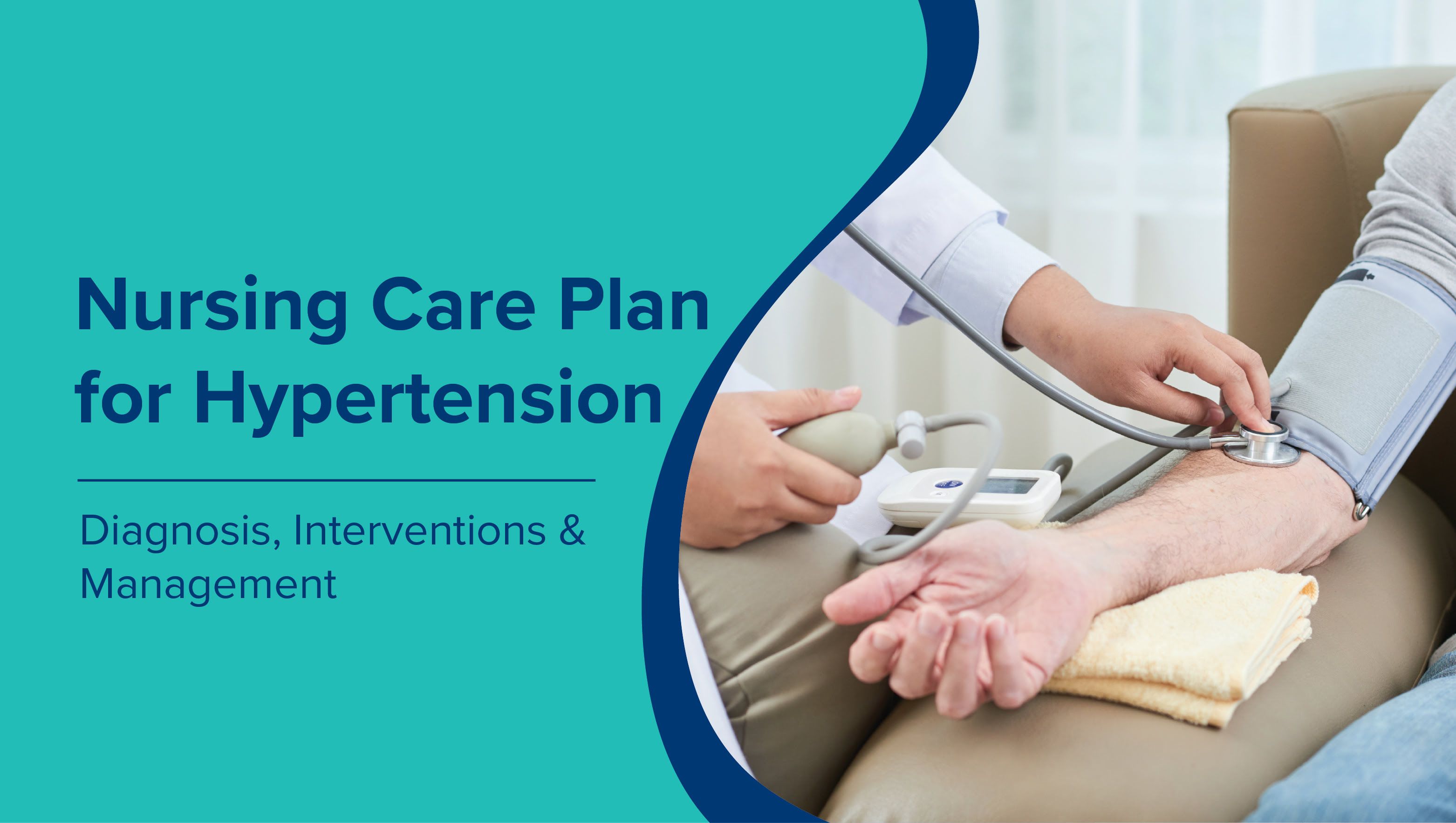


Hypertension, commonly called high blood pressure, is often called “silent killer” as it can develop gradually without noticeable symptoms, quietly increasing the risk of heart disease, stroke, kidney damage, and other serious health complications. For patients, continuous management is crucial to maintaining long-term health, which brings us to nursing care. Nurses play a critical role in assessment, monitoring, and personalised care planning for individuals with hypertension. A well-structured nursing care plan (NCP) for hypertension allows healthcare professionals to identify patient-specific risks, set measurable goals, implement evidence-based interventions, and evaluate outcomes over time.
In this blog, we will provide a comprehensive guide to hypertension nursing care, including its definition and classification, common nursing diagnoses, step-by-step development of an NCP, essential interventions, patient education strategies, and special considerations for vulnerable groups such as the elderly and pregnant women. We will also explain how MAX@Home facilitates at-home nursing care, monitoring, and support to help patients manage their blood pressure effectively.
What is Hypertension?
Hypertension, or high blood pressure, is a long-term medical condition in which the force of blood against the artery walls remains consistently higher than normal. Clinically, it is defined when systolic pressure is 140 mmHg or above and/or diastolic pressure is 90 mmHg or above on repeated measurements. It is broadly classified as primary (essential) hypertension, which develops gradually without a known cause, and secondary hypertension, which arises from identifiable factors such as kidney disease or hormonal disorders. Understanding these classifications helps in developing an accurate nursing care plan for hypertension tailored to each patient’s condition.
Nursing Diagnosis for Hypertension
A nursing diagnosis for hypertension focuses on identifying the patient’s specific responses to elevated blood pressure rather than the disease itself. It helps guide nursing interventions that promote blood pressure control, prevent complications, and improve the patient’s overall quality of life.
What Is a Nursing Diagnosis?
A nursing diagnosis is a clinical judgement made by nurses based on assessment data. Unlike a medical diagnosis, which identifies the disease (hypertension), a nursing diagnosis highlights the patient’s unique needs, behaviours, and risk factors related to that condition.
Common Hypertension Nursing Diagnoses Include:
-
Ineffective Health Maintenance related to insufficient knowledge of hypertension management.
-
Risk for Decreased Cardiac Output related to increased vascular resistance or altered heart function.
-
Excess Fluid Volume related to sodium and water retention secondary to hypertension.
-
Anxiety related to the diagnosis of a chronic condition.
-
Deficient Knowledge regarding medication regimen, diet, and lifestyle modifications.
-
Risk for Noncompliance related to complex treatment plans or inadequate understanding.
Developing accurate hypertension nursing diagnoses allows nurses to design a patient-centred nursing care plan for hypertension that addresses both physical and emotional needs, improving adherence and long-term outcomes.
Nursing Care Plan (NCP) for Hypertension
After completing the nursing diagnosis, the planning stage focuses on creating a clear, goal-oriented care roadmap tailored to each patient’s needs. This step ensures that every nursing action contributes meaningfully toward improving patient outcomes. Key elements of the planning phase include:
Setting Measurable Goals
Nurses define realistic, specific, and time-bound objectives based on the identified diagnoses. For example, reducing pain levels within 24 hours or improving mobility over a week.
Prioritising Nursing Diagnoses
Problems are ranked according to their urgency and impact on the patient’s overall health. Life-threatening issues or those affecting basic physiological needs are addressed first.
Selecting Appropriate Interventions
Evidence-based nursing actions are chosen to help achieve the set goals. These may include physical care measures, patient education, emotional support, or coordination with other healthcare professionals.
Collaborative Input
The nurse may consult with the patient, family members, and the healthcare team to ensure the plan is holistic and patient-centred.
Patient Education Tips for Hypertension Management
Effective hypertension management relies on how well patients understand and follow their care plans. Nurses play a central role in educating patients, empowering them to make lasting lifestyle changes and stay compliant with treatment. Key Patient Education Areas:
Medication Adherence
Encourage patients to take prescribed antihypertensive medications regularly, even if they feel fine. Explain the risks of skipping doses or stopping treatment abruptly.
Dietary Modifications
Promote a heart-healthy diet that is low in salt, saturated fats, and processed foods. Encourage increased intake of fruits, vegetables, and whole grains.
Physical Activity
Advise regular, moderate exercise such as walking, swimming, or yoga, unless contraindicated. Highlight the benefits of daily activity in maintaining healthy blood pressure.
Stress Management
Teach relaxation techniques like deep breathing, meditation, or mindfulness to help control stress-related BP spikes.
Routine Monitoring
Educate patients on home blood pressure monitoring and how to record readings accurately. Regular tracking helps detect early changes and supports timely intervention.
Lifestyle Habits
Encourage avoiding smoking, limiting alcohol, and maintaining a healthy weight to support long-term cardiovascular health.
Follow-Up Care
Remind patients to attend scheduled check-ups for ongoing assessment and medication adjustments.
Special Considerations in Hypertensive Nursing Care
Hypertension management requires nurses to adapt their care approach to the patient’s age, health status, and associated conditions. Tailoring the nursing care plan for hypertension ensures safety, comfort, and better outcomes across diverse patient groups.
Elderly Patients
Older adults often face age-related changes that influence hypertension control and medication tolerance.
Nursing Focus:
-
Monitor for orthostatic hypotension and fall risk during antihypertensive therapy.
-
Encourage gradual position changes and adequate hydration.
-
Simplify medication schedules to support adherence.
-
Reinforce dietary education, focusing on sodium restriction and adequate nutrient intake.
-
Support self-monitoring with clear instructions and accessible tools.
Pregnant Women (Gestational Hypertension)
Gestational hypertension requires specialised nursing care to protect both mother and baby.
Nursing Interventions:
-
Closely monitor blood pressure, weight, and signs of preeclampsia.
-
Provide emotional reassurance and educate about warning symptoms such as headache, vision changes, or swelling.
-
Encourage rest in the left lateral position to enhance uteroplacental blood flow.
-
Collaborate with obstetric teams to ensure safe delivery planning.
-
Document findings accurately to inform treatment adjustments.
Related focus: nursing diagnosis for gestational hypertension and nursing care plan for hypertension in pregnancy often include “Risk for Decreased Cardiac Output” or “Risk for Impaired Maternal-Fetal Gas Exchange.”
Patients with Comorbidities (Diabetes, Kidney Disease, Heart Failure)
Patients with other chronic conditions require integrated nursing strategies to prevent complications.
Nursing Focus:
-
Monitor vital signs, blood glucose levels, and renal function as directed.
-
Educate on managing multiple medications safely and avoiding interactions.
-
Reinforce low-sodium and heart-healthy diet guidelines.
-
Promote self-care skills, including accurate home BP logging and symptom reporting.
How MAX@Home Supports Nursing Care for Hypertension
Effective hypertension management relies on consistent monitoring, timely follow-up, and personalised nursing support. MAX@Home simplifies this process by offering comprehensive Nursing Care at Home designed to help patients stay informed, compliant, and well-supported throughout their treatment journey.
At-Home Nursing Assessments
Qualified nurses regularly check blood pressure, assess symptoms, and monitor treatment adherence. Their ongoing evaluation helps detect early fluctuations in blood pressure and ensures prompt medical attention when required.
Ambulatory Blood Pressure Monitoring (ABPM)
With ABPM, patients can track blood pressure variations over a 24-hour period during normal activities. Nurses assist in setting up the device, ensure accurate readings, and coordinate with the doctor for detailed interpretation and treatment planning.
Doctor Visit at Home
If a medical review or prescription adjustment is needed, MAX@Home enables convenient Doctor Visits at Home. This seamless collaboration between doctors and nurses ensures continuous, coordinated hypertension management.
Hypertensive Profile Testing
Home-based Hypertensive Profile testing helps evaluate associated risks and detect complications early. Nurses manage sample collection, maintain safety standards, and ensure quick, reliable reporting.
Education and Long-Term Support
Beyond clinical monitoring, MAX@Home’s nurses educate patients on lifestyle adjustments, medication schedules, dietary habits, and stress management. This empowers individuals to take an active role in controlling blood pressure and maintaining long-term heart health.
Frequently Asked Questions
What are SMART goals in a nursing care plan for hypertension?
SMART goals are Specific, Measurable, Achievable, Relevant, and Time-bound objectives set for each hypertensive patient. For example, a goal could be “Reduce systolic blood pressure to below 140 mmHg within three months through medication adherence and lifestyle modifications.” Setting SMART goals helps nurses track progress, adjust interventions, and empower patients to manage their blood pressure effectively.
What are the essential components of an NCP for hypertension?
A complete nursing care plan (NCP) for hypertension typically includes:
-
Assessment: Blood pressure readings, comorbidities, risk factors, and lifestyle habits.
-
Nursing diagnosis: Identifying patient-specific problems, such as Ineffective Health Maintenance or Risk for Decreased Cardiac Output.
-
Planning: Setting SMART goals and desired outcomes.
-
Interventions: Evidence-based nursing actions including monitoring, medication support, and patient education.
-
Evaluation: Tracking outcomes and modifying the plan as needed.
What are the most common nursing diagnoses for hypertension?
Common nursing diagnoses include:
-
Ineffective Health Maintenance
-
Risk for Decreased Cardiac Output
-
Knowledge Deficit regarding hypertension management
-
Risk for Non-Compliance with medication or lifestyle modifications
These diagnoses guide nurses in tailoring interventions to each patient’s needs.
How often should blood pressure be monitored in a hypertensive patient?
Blood pressure monitoring depends on the severity and stability of hypertension:
-
Stable patients: At least once a week at home or as advised by a nurse/doctor.
-
Uncontrolled or high-risk patients: Daily or multiple times per week, often with ABPM (ambulatory blood pressure monitoring) for accurate trends.
MAX@Home nurses can perform home visits or set up ABPM to ensure consistent monitoring and early detection of fluctuations.
What are the complications of uncontrolled hypertension, and how can nurses help prevent them?
Uncontrolled hypertension may lead to:
-
Heart disease (heart attack, heart failure)
-
Stroke
-
Kidney damage
-
Vision problems
-
Vascular complications
Nursing interventions to prevent these include:
-
Regular blood pressure monitoring
-
Medication adherence support
-
Lifestyle counselling (diet, exercise, stress management)
-
Early detection of warning signs and prompt referral to a physician
What nursing interventions are used to manage high blood pressure, including lifestyle education?
Key nursing interventions for hypertension include:
-
Administering and monitoring prescribed medications
-
Teaching patients about a low-sodium diet, regular physical activity, and stress management
-
Encouraging smoking cessation and limiting alcohol intake
-
Tracking vital signs and educating patients to recognise early warning signs
-
Coordinating with doctors for medication adjustments and follow-ups
Can a nursing care plan for hypertension be customised for elderly patients?
Yes. Elderly patients may have comorbidities or frailty, requiring tailored interventions such as:
-
Close monitoring of blood pressure fluctuations
-
Adjusting medication timing and dosage
-
Simplified lifestyle recommendations
-
Extra support with at-home nursing visits, which MAX@Home provides to ensure adherence and safety
What are signs that hypertension is worsening and needs urgent attention?
Signs include:
-
Severe headache, dizziness, or blurred vision
-
Chest pain or palpitations
-
Shortness of breath
-
Sudden swelling in legs or face
-
Uncontrolled high blood pressure readings despite adherence
Nurses can identify these early during home visits and advise immediate doctor consultation or emergency care.
How can nurses educate patients about lifestyle changes for managing hypertension effectively?
Nurses provide structured education on:
-
Heart-healthy diets (low salt, balanced nutrition)
-
Regular physical activity suited to the patient’s age and condition
-
Stress management techniques like breathing exercises and mindfulness
-
Importance of medication adherence and routine BP monitoring
-
Avoiding alcohol and tobacco
Education is often reinforced during home visits, ensuring practical guidance and better compliance.
How does MAX@Home support hypertension care at home, including nursing visits and monitoring?
MAX@Home offers a complete at-home hypertension management service, including:
-
Professional nursing care at home for assessment, BP monitoring, and lifestyle counselling
-
Doctor visits at home for diagnosis, follow-ups, and medication review
-
Hypertensive profile tests and ABPM to track blood pressure trends
-
Personalised care plans and ongoing support to ensure adherence and prevent complications
This integrated approach allows patients to manage hypertension safely and effectively without frequent hospital visits.
What is a nursing diagnosis for gestational hypertension?
Gestational hypertension occurs during pregnancy and requires careful monitoring to prevent complications such as pre-eclampsia. Nursing diagnosis may include:
- Risk for Decreased Cardiac Output
- Risk for Injury to Mother or Foetus
- Knowledge Deficit regarding self-care and monitoring
Nurses develop a tailored care plan, monitor blood pressure, and educate the patient about warning signs and lifestyle adjustments. MAX@Home can provide home-based nursing visits for safe monitoring during pregnancy.
How is ABPM (Ambulatory Blood Pressure Monitoring) used in nursing care for hypertension?
ABPM measures blood pressure at regular intervals over 24 hours, providing a detailed profile of BP fluctuations.
-
Nurses explain the procedure, apply the device, and ensure correct usage at home.
-
Data is used to adjust medications, detect masked hypertension, and evaluate the effectiveness of interventions.
-
MAX@Home offers ABPM at home, enabling accurate monitoring without hospital visits.
Can nursing care plans be applied to patients with portal hypertension?
Yes. Portal hypertension requires specialised nursing attention to prevent complications like variceal bleeding. A nursing care plan may include:
-
Monitoring vital signs and signs of bleeding
-
Patient education on diet, fluid management, and avoiding medications that increase portal pressure
-
Coordination with physicians for medications and follow-ups
-
At-home support from MAX@Home nurses ensures continuous monitoring and early detection of complications.

 Call: 9240299624

