




Introduction
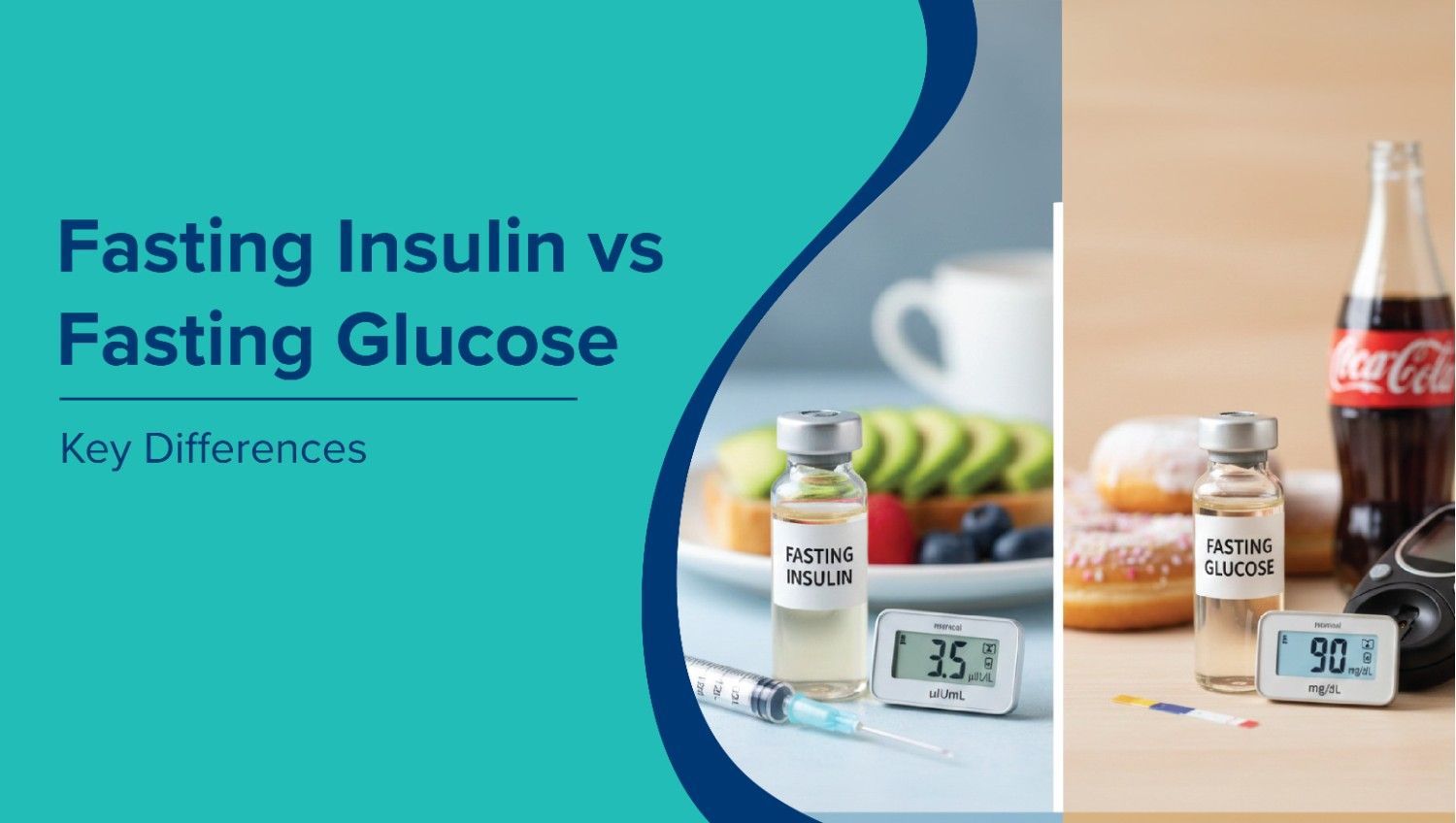
Blood sugar doesn't appear overnight; it requires time to develop and shows effect. long before diagnosing diabetes, metabolic changes occur within the body, and they can be detected through two blood tests named fasting insulin and fasting glucose, which help doctors understand these changes, but they serve very different purposes. Knowing the difference between these tests can help detect metabolic risk earlier and guide timely lifestyle or medical treatments.
What Is Fasting Glucose?
It is a screening test that measures the blood sugar level after 8-12 hours of fasting (without food) to check for the risk of diabetes, prediabetes, and other metabolic disorders.
Typical Reference Ranges (Refer to Your Doctor for More Detailed Analysis)
- Normal: 70–99 mg/dL
- Prediabetes: 100–125 mg/dL
- Diabetes: 126 mg/dL (requires attention)
Note: Values higher than 126 mg/dl indicate that the body is not producing enough insulin(helps lower sugar level in blood), which means the blood sugar level remains high, which can increase the risk of heart disease, stroke, etc
Who Should Get Tested for Fasting Glucose
- People who are above 35 or overweight/with a sedentary lifestyle
- Having a family history of diabetes
- Having conditions like High Blod pressure, cholesterol, heart disease, and polycystic ovarian syndrome.
- To check for gestational diabetes in case of pregnant women
Sometimes, some early symptoms and signs should be watched for; these are:
- Increased thirst and frequent urination. If you consume more water than usual and urinate more.
- Unexplained weight loss: If you are losing weight even with a stable diet or physical activity.
- Increased hunger: Feeling hungry even after regular meals.
- Fatigue or tiredness: Feeling tired and stressed, feeling low on energy.
- Blurred vision: Experiencing sudden changes in eyesight, unable to focus properly.
- Slow-healing sores or frequent infections: Cuts, wounds, or infections that take more time to heal.
- Numbness or tingling in the hands or feet: Needle-like sensations often affecting extremities.
What Is Fasting Insulin?
This test helps check the insulin level in blood after 8-12 hours of fasting. Insulin is a hormone that utilizes blood glucose and transfers it into the cells to derive energy.
Fasting Insulin Reference Ranges
- Optimal: ~2–10 µIU/mL
- Elevated: >10–15 µIU/mL—suggests insulin resistance, meaning body is starting to work harder to maintain normal blood sugar, indicative of hyperinsulinemia (high insulin level)
Who should get tested for fasting insulin?
-
Diabetes or prediabetes
-
Individuals with metabolic syndrome
-
Women with PCOS condition
-
Insulin resistance
-
People with hypoglycemia symptoms
-
Individuals with long-term medications
Preparation and Procedure: Insulin Fasting Test & Fasting Sugar Tests
Preparation Before the Test
- Do not eat or drink anything (except plain water) for 8–12 hours before the test.
- Avoid sugary or high-carbohydrate foods, as they can interfere with test results.
- Staying hydrated with plain water is allowed and recommended.
- Inform your doctor if you are on certain medicines, such as steroids, oral contraceptives, or diabetes drugs, as they may influence insulin and glucose levels.
- Get proper sleep the night before to prevent hormonal fluctuations that may affect readings.
Test Procedure
- A trained healthcare professional collects a small blood sample from a vein, typically from the arm.
- Blood taken is stored and sent for lab analysis. You may feel slight pain at the needle site
- You may resume normal eating and activities after the blood sample is taken, unless advised by your doctor.
Table: Fasting Insulin vs Fasting Glucose
Below is the key differences between fasting insulin and glucose in tabular form
|
Parameter |
Fasting Glucose Test |
Fasting Insulin Test |
|
What it measures |
Blood sugar (glucose) level after fasting |
Insulin hormone level after fasting |
|
Purpose |
Screens for diabetes and prediabetes |
Detects insulin resistance and early metabolic risk |
|
When changes appear |
Later stage of metabolic dysfunction |
Much earlier, before blood sugar rises |
|
Fasting required |
8–12 hours |
8–12 hours |
|
Normal range |
70–99 mg/dL |
~2–10 µIU/mL |
|
Borderline/Elevated |
100–125 mg/dL (prediabetes) |
>10–15 µIU/mL (insulin resistance) |
|
High/Abnormal |
126 mg/dL (diabetes) |
Significantly elevated (hyperinsulinemia) |
|
What abnormal results indicate |
Poor blood sugar control |
Body producing excess insulin to control sugar |
|
Best for detecting |
Current blood sugar status |
Hidden metabolic stress before diabetes |
|
Commonly recommended for |
Diabetes screening, routine checkups |
PCOS, obesity, metabolic syndrome, early risk assessment |
|
Limitations |
May appear normal in early insulin resistance |
Not routinely included in basic health checkups |
|
Clinical value |
Confirms diabetes risk |
Enables early prevention and lifestyle modification |
Take Charge of Your Health With Max@Home.
Book your fasting glucose and Insulin fasting test at home with MAX@Home for accurate lab testing, expert guidance, and the convenience of blood home sample collection to help you detect risks early without stepping out of your home.Conclusion
Fasting insulin and fasting glucose help uncover hidden metabolic stress and early insulin resistance, often years before diabetes develops. Understanding both tests supports early detection, timely prevention, and improved long-term health outcomes.
Always choose and interpret blood tests in consultation with your doctor, who can recommend the most appropriate evaluation based on your individual health needs.


 Call: 9240299624

