


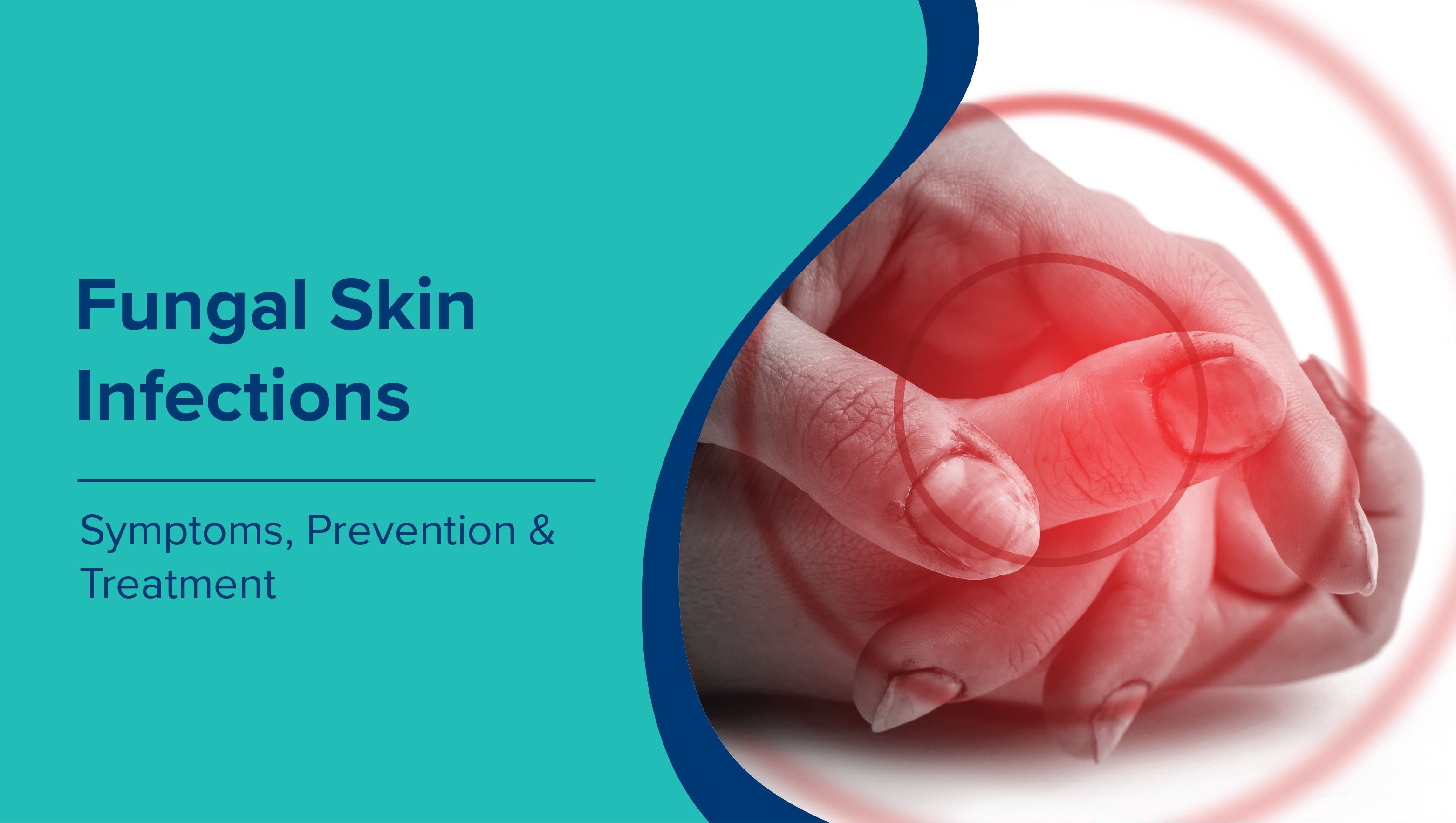


While the monsoon showers provide respite from the scorching summer sun, they also create the perfect breeding ground for fungal skin infections. The warmth and moisture that characterise the monsoon season are exactly the conditions fungi need to thrive. If you've noticed a ring-shaped rash, itchy feet, or skin discolouration appearing as the rains arrive, you are not alone. Fungal skin infections increase sharply across India every monsoon season.
This guide will help you understand what causes fungal skin infections, which types are most common during the rains, how to treat them effectively, and the practical steps you can take to prevent them altogether.
Quick Answer: Fungal skin infections in monsoon are most commonly caused by dermatophyte fungi and yeast species that thrive in high humidity and warmth. The most frequent types are ringworm (tinea corporis), jock itch (tinea cruris), athlete's foot (tinea pedis), and tinea versicolor. Most cases respond well to topical antifungal creams applied for two to four weeks, combined with keeping the skin clean and dry. You should see a dermatologist if symptoms do not improve after two weeks of treatment, the infection is widespread, or it keeps recurring every season.
Why Does Monsoon Trigger Fungal Skin Infections?
Fungi are opportunistic organisms. They don't cause infections in every environment; they need warmth, moisture, and something to feed on. Human skin, particularly its outermost layer containing keratin, moisture, and natural oils, provides ideal nutrients for these fungi. During the monsoon, humidity levels routinely exceed 80 to 90 per cent across most of India, and the ambient temperature stays in the range of 25 to 32 degrees Celsius. This combination is, quite literally, the perfect breeding ground for fungi.
Add to this the fact that wet clothes and shoes stay damp for hours, skin folds such as the groin, underarms, and under the breasts trap moisture continuously, walking through waterlogged streets exposes feet to contaminated water, and many people sweat heavily even indoors during the rainy season. Together, these factors dramatically increase both your exposure to fungal spores and your skin's vulnerability to infection.
The numbers reflect this reality. According to the World Health Organisation (WHO), fungal skin infections affect more than 650 million people globally at any given time, with ringworm alone accounting for more than half of all cases. India bears a particularly high burden: studies have found that the prevalence of dermatophytosis in India ranges from 6% to 61.5%, with the country accounting for approximately 18% of global fungal skin disease cases. Experts have described the current situation in India as "epidemic-like", driven partly by the rising problem of antifungal resistance.
Infections seen during monsoon are not limited to those who are unwell or elderly. They are equally common in healthy, active adults and children who simply spend more time with damp skin during the rains. Understanding the types, symptoms, and how to treat them quickly is the most effective way to protect yourself.
Common Types of Fungal Skin Infections During Monsoon
The majority of monsoon-season fungal skin infections are caused by one of two groups of organisms: dermatophytes (fungi that specialise in breaking down keratin) and yeasts, particularly Candida and Malassezia species. Each produces a distinct pattern of symptoms and affects different areas of the body.
1. Tinea Corporis (Ringworm of the Body)
Despite its name, ringworm has nothing to do with worms. It is a dermatophyte infection that appears as a flat, ring-shaped, scaly rash with a clearer centre and a raised, reddish, often itchy outer border. It can appear on the trunk, arms, legs, or neck, and spreads easily through direct contact with an infected person, contaminated clothing, or surfaces. During monsoon, tinea corporis is one of the most frequently reported infections in dermatology clinics across India.
2. Tinea Cruris (Jock Itch)
Tinea cruris affects the groin, inner thighs, and skin folds of the buttocks. It causes a characteristic red, itchy, sometimes burning rash that usually does not affect the scrotum in males. The groin region is one of the hottest and sweatiest parts of the body and is therefore particularly susceptible in humid weather conditions. This condition is more common in males and in overweight individuals, though cases among women have risen significantly in recent years, partly attributed to tight-fitting clothing.
3. Tinea Pedis (Athlete's Foot)
Tinea pedis infects the spaces between the toes and the soles of the feet. Its symptoms include severe itching, scaling, peeling, and sometimes blister formation. During monsoon, exposure to waterlogged areas, wet shoes and socks, and use of common shower facilities or public toilets all significantly raise the risk of contracting athlete's foot. Tinea pedis is contagious and can pass from one individual to another through damp floors, shared footwear, or towels.
4. Tinea Versicolor (Pityriasis Versicolor)
In contrast with tinea corporis and tinea pedis, tinea versicolor is not caused by a dermatophyte but by an overgrowth of Malassezia yeast, which is normally present on everybody's skin. When humidity is high, this yeast can overgrow and form discoloured spots on the chest, back, shoulders, and upper arms, appearing lighter or darker than the surrounding skin and sometimes mildly itchy. The patches tend to become more noticeable after sun exposure and the condition is particularly common in young adults.
5. Candidal Intertrigo
Intertrigo develops in skin folds where friction occurs between two skin surfaces. When Candida colonies establish in these moist areas, such as under the breasts, in the armpits, between abdominal folds, or in the groin, the result is candidal intertrigo: bright red, raw lesions that are occasionally weeping, with sharply defined borders and smaller satellite lesions along the margins. People with diabetes, those who are overweight, and those who are bedridden are significantly more prone to this condition.
6. Tinea Capitis (Scalp Ringworm)
Tinea capitis is seen mainly in children and causes patches of hair loss, scaling, and in some cases swollen, painful areas on the scalp. According to the WHO, in tropical resource-limited settings, scalp ringworm can affect more than 25 per cent of school-age children. During monsoon, playing in rain and sharing towels and combs without precautions makes spread within households and classrooms particularly easy.
Symptoms of Fungal Skin Infections: What to Look For
Fungal skin infections can look quite different depending on the type and the area affected, but most share a set of core warning signs. Recognising these early helps you begin appropriate treatment before the infection spreads or becomes harder to treat.
- Itching: Usually the first and most persistent symptom, often worsening with heat and sweating
- Redness and scaling: Affected skin looks red, flaky, or peeling; in darker skin tones, look for discolouration rather than redness
- Ring-shaped or circular rash: Indicative of tinea corporis, with a clearing centre and raised, scaly outer edge
- Burning or stinging sensation: Common in tinea cruris and tinea pedis, especially after bathing
- Blisters or cracks: Small fluid-filled blisters or deep, painful cracks between the toes in athlete's foot
- Discoloured skin patches: Lighter or darker patches on the chest or back, typical of tinea versicolor
- Satellite lesions: Smaller spots just outside the main rash border, characteristic of Candida infection
- Thickened or brittle nails: When the infection involves the nail (onychomycosis), nails become discoloured, thickened, and crumble at the edges
- Patchy hair loss: In tinea capitis, patches of broken or missing hair with underlying scaling on the scalp
Important: Not every rash during monsoon is fungal. Bacterial skin infections, eczema, psoriasis, and heat rash (prickly heat) can look similar. If you are unsure about what you are seeing, a dermatologist should examine it before you start treatment.
Who Is at Greater Risk During the Monsoon?
Fungal infections can affect anyone, but certain factors make some people considerably more susceptible during the rains.
- People with diabetes: High blood glucose creates an environment that supports yeast and fungal overgrowth, and the skin's immune defences are weaker in those with uncontrolled diabetes
- Overweight individuals: More skin folds mean more areas where moisture accumulates and chafing occurs
- Those with weakened immunity: HIV, cancer treatment, long-term steroid use, or other immunosuppressive conditions significantly raise the risk of persistent and widespread fungal infection. If you are concerned about your immune function, immunity testing at home can provide a useful baseline
- Athletes and active individuals: Heavy sweating, shared shower areas, and communal sports equipment all increase exposure and risk
- Children: More likely to be in close contact with others and less consistent with skin hygiene during play
- Elderly people: Thinner, drier skin with reduced barrier function is more vulnerable to infection
- People wearing tight, synthetic clothing: Fabric that traps heat and moisture against the skin, particularly in the groin and underarm areas, significantly raises the risk of tinea cruris and candidal intertrigo
- Those in densely populated areas: Greater exposure to contaminated surfaces, shared bathrooms, and close physical contact
It is also worth noting that certain monsoon-season illnesses that cause fever and reduced appetite, such as viral fever and dengue, temporarily weaken the immune system, leaving you more vulnerable to opportunistic fungal infections during and after recovery.
How Are Fungal Skin Infections Diagnosed?
In uncomplicated cases, a qualified dermatologist can generally make a correct diagnosis based on the rash's physical appearance alone. The distribution, shape, and characteristics of the rash are usually distinctive enough for a confident clinical assessment. However, in some situations the diagnosis needs to be confirmed and the causative organism identified, particularly when:
- The rash does not look typical or appears in an unusual location
- The infection has not responded to a standard course of antifungal treatment
- The infection is severe, widespread, or rapidly worsening
- The patient is immunocompromised
- The nails or scalp are involved
In these cases, the following diagnostic methods may be used:
| Diagnostic Method | What It Involves | When It's Used |
|---|---|---|
| KOH (Potassium Hydroxide) Preparation | A skin scraping is dissolved in KOH and examined under a microscope to reveal fungal elements | First-line confirmation test; quick and inexpensive |
| Fungal Culture | Skin, nail, or hair sample is cultured in a laboratory to identify the specific species | When species identification matters (e.g., resistant or unusual infections) |
| Wood's Lamp Examination | A UV light that causes certain fungi to fluoresce; useful for scalp ringworm and tinea versicolor | Quick screening, especially for tinea capitis and tinea versicolor |
| Dermoscopy | A handheld magnifying device used to examine skin structure and patterns in detail | Differentiating fungal from non-fungal conditions |
| Nail Biopsy / Clipping | A small portion of affected nail is examined or cultured in the laboratory | Confirmed onychomycosis diagnosis when treatment is planned |
If you have been experiencing symptoms and are unsure of the cause, an in-home consultation with a dermatologist can provide a confident diagnosis without the wait of a clinic visit. MAX@Home connects you with qualified dermatologists at home in Delhi and other cities, allowing you to have your skin examined and a treatment plan drawn up without leaving your home.
Treatment Options for Fungal Skin Infections
The good news is that most superficial fungal skin infections respond well to treatment, provided you use the right antifungal agent, apply it correctly, and complete the full course. Stopping treatment as soon as itching subsides is one of the most common reasons infections recur.
Topical (Applied to the Skin) Antifungal Treatments
For most cases of ringworm, jock itch, athlete's foot, and tinea versicolor, a topical antifungal applied directly to the skin is the first-line treatment recommended by dermatologists.
How they work
- Topical antifungals work by disrupting the cell membrane of the fungus, stopping it from growing and spreading
- They are available in different formulations including creams, gels, powders, and medicated shampoos, each suited to different areas and infection types
- The right formulation for your infection depends on its location, severity, and the specific fungus involved. A dermatologist or pharmacist can guide this choice
How to use them correctly
- Apply to the affected area and slightly beyond the visible rash to target fungal spread at the edges
- Use as directed, typically once or twice daily
- Continue for the full recommended duration (usually two to four weeks), even if the skin appears to clear earlier. Stopping too soon is the most common reason infections return
- Always wash and dry the area thoroughly before applying
Regarding steroid-antifungal combination products
- Some products combine an antifungal with a topical steroid
- The steroid component relieves itching and redness quickly, which can create a false impression that the infection is clearing
- When used without medical supervision, these combinations can suppress the skin's local immune response, allowing the fungus to spread beneath a temporarily calmer surface
- These should only be used short-term and strictly under a doctor's guidance, not as a routine or self-initiated treatment
Oral Antifungal Medications
Oral antifungals are reserved for situations where topical treatment alone is unlikely to be sufficient. A doctor will typically consider them when:
- The infection covers a large or widespread area of the body
- The scalp or nails are involved (these sites are poorly penetrated by topical agents alone)
- The infection has not responded to a correctly completed course of topical treatment
- The patient is immunocompromised (for example, due to diabetes, HIV, or long-term steroid use)
- The infection keeps recurring despite topical treatment and prevention measures
Key points to understand about oral antifungals
- They are prescription-only medications in India and must not be self-purchased or self-administered
- Different oral antifungal agents work against different types of fungi. The correct choice depends on the specific organism, the site of infection, and the patient's overall health profile, all of which require a doctor's assessment
- Treatment duration varies considerably depending on the condition: from a few weeks for body infections to several months for nail infections
- Oral antifungals can interact with other medications and are not suitable for everyone, including those with certain liver conditions or women who are pregnant
A key note: If topical treatment has not worked, or if you think oral medication may be needed, consult a doctor rather than sourcing medication independently.
Supporting Your Recovery at Home
Alongside prescribed medication, a few practical measures help treatment work faster and reduce the chance of the infection returning:
- Keep the affected area clean and dry; pat the skin dry thoroughly after bathing rather than rubbing
- Wash all clothing, towels, and bedding that may have been in contact with the rash, and dry them in direct sunlight where possible
- Apply antifungal dusting powder to skin folds after bathing if you are prone to intertrigo
- Avoid scratching, which can spread the infection to other areas and introduce a secondary bacterial infection
- Continue treatment for the full prescribed duration, even after the rash visually clears
10 Practical Ways to Prevent Fungal Skin Infections in Monsoon
Prevention is far preferable to treatment, and most monsoon-season fungal infections are preventable with consistent daily habits.
- Change out of wet clothes as soon as possible. Damp clothing against the skin provides the moisture fungi need to establish themselves. Keep a dry change of clothes available if you commute through the rain.
- Dry your skin thoroughly after bathing, paying special attention to skin folds, between the toes, the groin, and under the breasts. Use a clean, dry towel and allow some air-drying time before dressing.
- Wear loose, breathable clothing. Lightweight cotton allows air circulation and absorbs sweat. Avoid synthetic fabrics and tight-fitting clothes, particularly in the groin and underarm areas, during humid months.
- Use antifungal dusting powder in skin folds. Applying a light dusting of antifungal or plain talcum powder to prone areas after bathing helps absorb excess moisture throughout the day.
- Never share towels, footwear, clothing, or combs. Fungal spores transfer easily between people via personal items, and even brief sharing can transmit an infection.
- Wear footwear in communal shower areas, swimming pools, and changing rooms. Tinea pedis is extremely contagious on wet flooring. Flip-flops or waterproof sandals provide effective protection.
- Rotate your shoes. Do not wear the same pair every day; allow them to dry out completely between uses. Use an antifungal foot spray or cedar shoe inserts to manage moisture inside footwear.
- Wash and sun-dry your clothes after every use. Fungi can survive on fabric. Washing clothes with a regular detergent and drying them in direct sunlight is one of the most effective ways to eliminate fungal spores.
- Keep blood sugar under control. If you have diabetes, maintaining good glycaemic control is one of the most important protective measures against recurrent fungal infections. Elevated blood sugar feeds yeast and weakens the skin's barrier function.
- Practise good skin hygiene year-round. Bathing daily (and twice daily in periods of high humidity), trimming and keeping nails clean, and supporting your immune system through a balanced diet, adequate rest, and regular exercise all meaningfully reduce your risk. If you are concerned about recurring infections, knowing your immune health baseline can be a useful first step.
When Should You See a Dermatologist?
Many mild fungal skin infections can be managed at home with over-the-counter antifungal creams, but there are situations where professional medical attention is clearly needed. Do not delay seeing a dermatologist if:
- The rash or infection has not improved after two weeks of correctly applied topical antifungal treatment
- The infection is spreading rapidly or covering a large area of the body
- You notice signs of a secondary bacterial infection: increasing pain, pus, significant swelling, or fever alongside the rash
- The scalp or nails are involved, as these rarely clear with topical treatment alone and usually require prescription oral medication
- You are immunocompromised (due to diabetes, HIV, cancer treatment, or long-term corticosteroids), as infections in these patients can become severe quickly
- The infection is recurring every monsoon season despite your best prevention efforts, as this may indicate antifungal resistance or an underlying health issue
- You are pregnant or breastfeeding and need antifungal treatment, as not all antifungal medications are safe in these situations
- You are experiencing an unusual allergic skin reaction alongside fungal symptoms. A comprehensive allergy test at home can help rule out allergic skin conditions that may be mistaken for a fungal infection
Similarly, if a family member has been diagnosed with a fungal skin infection, others in the household should also be examined, as spread within a home is common during monsoon. For guidance on other common monsoon-season conditions, see MAX@Home's guide to monsoon eye flu and monsoon disease prevention.
Frequently Asked Questions
Are fungal skin infections contagious?
Yes. The majority of fungal skin infections caused by dermatophytes, which include ringworm, jock itch, athlete's foot, and scalp ringworm, are contagious and are spread either through direct skin-to-skin contact, indirect contact with infected personal items such as towels and clothing, or contact with surfaces that have been contaminated (such as wet shower floors). Tinea versicolor and candidal intertrigo are not typically transmitted from person to person, as they arise from an overgrowth of fungi already present on the individual's own skin.
Can I use the same antifungal cream for all types of fungal infections?
Broad-spectrum topical antifungals work against most common dermatophytes and yeast infections, making them a reasonable starting point for mild, clearly identified cases. However, different formulations are suited to different infections and body sites. Some respond better to creams, others to powders or medicated shampoos. The most important thing is to get the diagnosis right first. Nail and scalp infections almost always require oral antifungals rather than topical treatment. If you are unsure, a dermatologist can identify the correct treatment for your specific infection.
How long does it take for a fungal skin infection to clear completely?
Superficial skin infections such as ringworm, jock itch, and athlete's foot typically show clear improvement within one to two weeks of correctly applied topical antifungal treatment and usually clear completely within two to four weeks. The full course of treatment should always be completed even if the rash appears to have resolved, to prevent relapse. Nail infections (onychomycosis) take significantly longer: three to six months for fingernails and up to twelve months for toenails with oral treatment. Tinea capitis with oral antifungals usually takes six to twelve weeks.
Why do my fungal skin infections keep coming back every monsoon?
Recurrent fungal infections during monsoon are usually caused by one or more of the following: incomplete treatment in previous episodes (stopping antifungals as soon as itching stops rather than completing the full course), re-exposure from contaminated clothing, footwear, or shared items that were not properly disinfected, an underlying condition such as diabetes or immune suppression, or antifungal resistance in the infecting strain. India has seen a significant rise in resistant fungal infections that do not respond to standard topical treatment. If infections keep recurring, a dermatologist may recommend laboratory testing to identify the specific organism and guide the most appropriate treatment.
Is it safe to treat a fungal skin infection during pregnancy?
Many topical antifungals applied to the skin are considered safe to use during pregnancy, but this should always be confirmed with your obstetrician before starting any treatment. Oral antifungal medications are generally avoided during pregnancy, particularly in the first trimester, due to potential risks to the developing baby. Always consult a doctor before using any medication during pregnancy or while breastfeeding.
Can diet affect my risk of fungal skin infections?
Diet plays a supporting rather than primary role in fungal infection risk. A diet very high in refined sugar can contribute to elevated blood glucose levels, which in turn creates an environment more favourable for yeast overgrowth, particularly Candida. People with well-controlled blood sugar tend to have fewer and less severe fungal infections. Conversely, a diet rich in antioxidants, vitamins (particularly vitamin D and zinc), and fibre supports a healthy immune response, which is the body's first line of defence against fungal overgrowth.
Concerned About a Skin Rash or Infection This Monsoon?
Don't wait for a clinic appointment. MAX@Home connects you with qualified dermatologists who can examine your skin, confirm the diagnosis, and prescribe the right treatment, all from the comfort of your home.
Book a Dermatologist at HomeRelated Support from MAX@Home
- Dermatologist at Home in Delhi, book a qualified dermatologist for skin, hair, and nail conditions at home without visiting a clinic
- Doctor Visit at Home, access a general physician or specialist at your doorstep, including same-day appointments
- Comprehensive Allergy Test at Home, rule out allergic skin conditions that can mimic fungal infections
- Immunity Testing, understand your immune status if you are experiencing recurrent infections
- Nursing Care at Home, professional wound care and skin care nursing for patients with chronic or severe skin conditions
- Monsoon Eye Flu: Home Care vs When to See a Doctor, understanding another common monsoon-season infection
- Dengue Fever: Symptoms, Causes & Treatment, a complete guide to dengue during the monsoon season
Sources & References
- World Health Organisation (WHO). Ringworm (tinea). WHO Fact Sheet, June 2025. who.int
- Systematic analysis of the global, regional, and national burden of fungal skin diseases 1990–2021. Frontiers in Medicine, PMC/NIH, 2024. pmc.ncbi.nlm.nih.gov
- NHS UK. Ringworm and other fungal infections. nhs.uk
- Centers for Disease Control and Prevention (CDC). Fungal Diseases. CDC.gov, 2024. cdc.gov
- Rengasamy M, et al. IADVL Task Force Against Recalcitrant Tinea Consensus on the Management of Glabrous Tinea. Indian Dermatol Online J. 2020;11(4):502–519. PMID: 32832435.
- IP Indian Journal of Clinical and Experimental Dermatology. Rising burden of superficial fungal infections in India and the role of Clotrimazole for optimal management. 2025. ijced.org
Disclaimer: This article is intended for general informational purposes only and does not constitute medical advice, diagnosis, or treatment. Always consult a qualified healthcare professional before starting, stopping, or changing any treatment for a medical condition. If you are experiencing severe symptoms or a medical emergency, please contact a doctor or emergency service immediately.

 Call: 9240299624

