


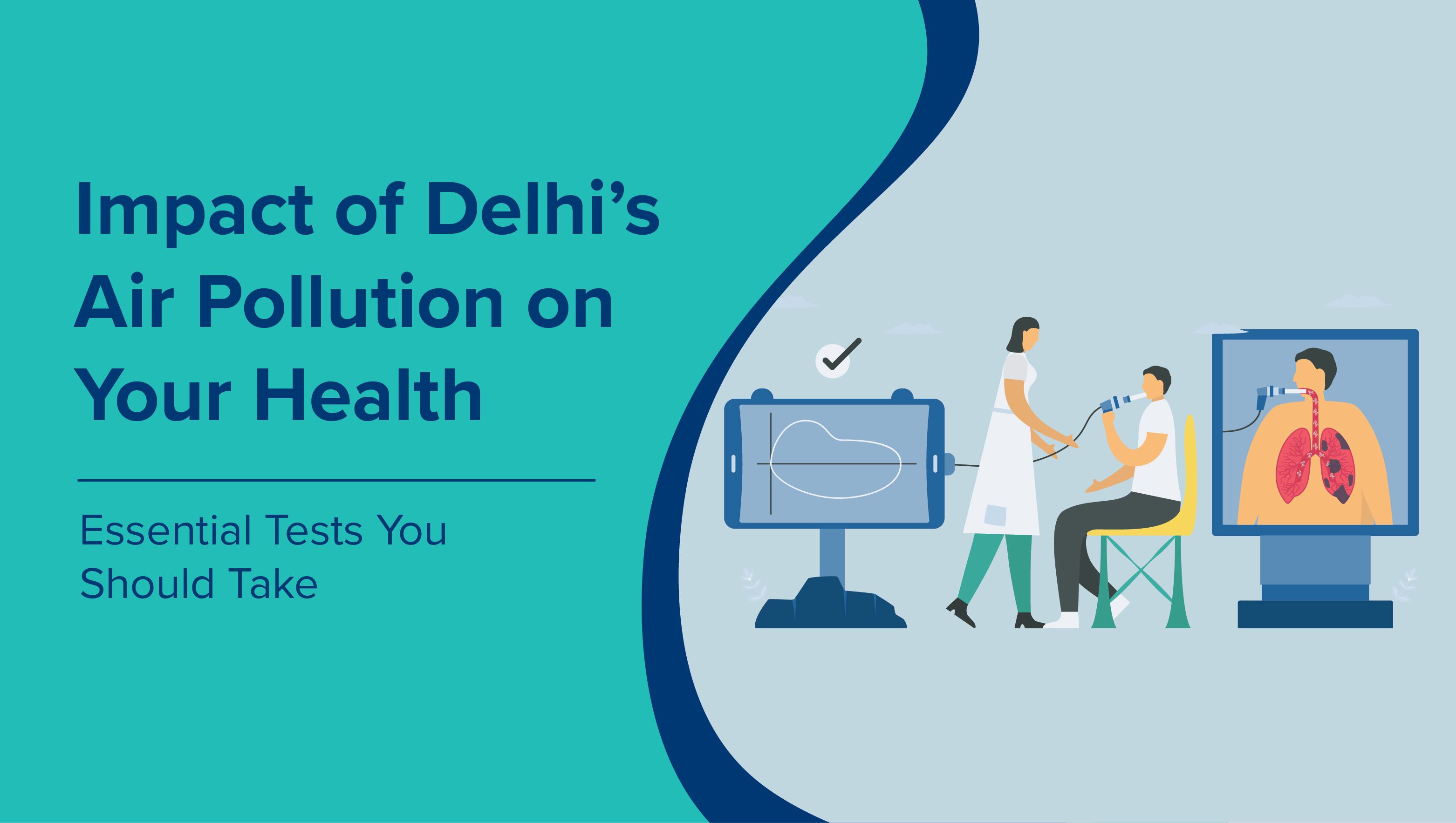


Every winter, Delhi witnesses a sharp decline in air quality as smog blankets the skyline and the Air Quality Index (AQI) and plummets into the ‘severe’ category. A combination of vehicular emissions, construction dust, industrial waste, and seasonal stubble burning in neighbouring states turns the air toxic, often ranking the region among the most polluted in the world. The problem doesn’t end outdoors; indoor air pollution from cooking fumes, poor ventilation, and dust accumulation further compounds exposure. Prolonged inhalation of such polluted air can silently damage vital organs, particularly the lungs, heart, and blood vessels.
Doctors across Delhi have reported an increase in respiratory conditions such as asthma, chronic bronchitis, allergic rhinitis, and reduced lung capacity, along with complaints of fatigue and weakened immunity. While air purifiers and masks may offer partial protection, consistent health monitoring remains crucial.
Regular lung function assessments, blood tests, and preventive health check-ups can help detect early signs of pollution-related damage and enable timely medical intervention. This article explores the major pollutants affecting Delhi’s air, their impact on health, and the essential medical tests every resident should consider for early detection and prevention. But first, let’s understand the basics.
Understanding PM2.5 and PM10: The Invisible Killers in Delhi’s Air
When we talk about poor Delhi air quality, two key culprits often come up: PM2.5 and PM10. PM stands for Particulate Matter, a mixture of solid and liquid particles suspended in the air. These particles are invisible to the naked eye, yet harmful enough to cause serious health effects from air pollution.
PM2.5 refers to fine particles smaller than 2.5 micrometres in diameter. They can travel deep into the lungs and even enter the bloodstream, increasing the risk of asthma, heart disease, and reduced oxygen levels.
PM10, on the other hand, consists of slightly larger particles that can irritate the nose, throat, and eyes, causing cough and breathing difficulty.
According to WHO guidelines, safe PM2.5 levels should not exceed 5 µg/m³, but Delhi often records readings several times higher. This prolonged exposure makes regular health monitoring crucial. Scheduling a lung function test, blood oxygen test, or a comprehensive preventive health checkup can help identify early signs of air pollution-related effects and allow timely action to protect your health.
How Air Pollution Affects the Human Body
Air pollution affects nearly every organ in the body, not just the lungs. Prolonged exposure to harmful particles in the air can lead to respiratory, cardiac, and immune-related problems, among others. Understanding how these pollutants interact with different systems can help you take timely preventive steps.
Impact on the Respiratory System (Asthma and Bronchitis)
Polluted air irritates the airways, causing inflammation and excessive mucus production. Over time, this leads to frequent coughing, wheezing, and breathlessness. People with asthma or bronchitis often notice worsening symptoms during high-pollution periods. Indoor air pollution can further aggravate these problems by continuously exposing the lungs to trapped dust and fumes.
Effect on Heart Health
Fine particles such as PM2.5 can enter the bloodstream and trigger inflammation in blood vessels. This increases the risk of high blood pressure, irregular heartbeat, and heart attack. Regular lipid profile, ECG, and blood oxygen tests can help detect early signs of pollution-related strain on the heart.
Weakening of Immunity and Increased Infections
Constant exposure to toxic air can weaken the immune system, making it harder for the body to fight infections. Children and the elderly are especially vulnerable. Routine preventive health checkups and vitamin testing can help identify low immunity before it leads to frequent illness.
Effects on Skin, Eyes, and Mental Health
Air pollutants can dry out the skin, cause irritation, and accelerate ageing. They may also lead to eye redness and itching. Prolonged exposure to polluted air affects mental well-being too, as reduced oxygen and inflammation can trigger fatigue, mood changes, and difficulty concentrating.
Early Signs That Pollution is Affecting Your Health
Air pollution often impacts the body gradually, making it important to recognise the early warning signs before they progress into serious conditions. Watch out for the following symptoms that may indicate your body is reacting to poor air quality:
-
Persistent Cough or Throat Irritation: Continuous coughing or a scratchy throat could signal airway inflammation from pollutants.
-
Breathlessness or Wheezing: Difficulty breathing, especially during physical activity, may suggest the lungs are irritated or inflamed.
-
Fatigue and Headache: Low oxygen levels and prolonged exposure to toxins can lead to constant tiredness and recurring headaches.
-
Eye Redness or Watering: Pollutants such as PM2.5 can irritate the eyes, causing dryness, burning, or excessive tearing.
-
Increased Allergy or Asthma Flare-Ups: Those with existing respiratory issues may notice more frequent or severe symptoms.
If these symptoms persist, it’s advisable to get a lung function test or a preventive health checkup to detect any early pollution-related effects on your body.
Who Faces the Greatest Risk from Delhi’s Air Pollution?
Although everyone in Delhi is exposed to polluted air, some groups are more vulnerable to its harmful effects, such as:
-
Children: Their developing lungs and faster breathing rate make them more prone to respiratory problems and allergies.
-
Elderly Individuals: Age-related decline in immunity and lung capacity increases the risk of infections and heart complications.
-
People with Asthma, COPD, or Heart Disease: Existing respiratory or cardiac conditions can worsen with prolonged exposure to high pollution levels.
-
Pregnant Women: Reduced oxygen intake from polluted air may impact both maternal health and foetal growth.
-
Outdoor Workers: Those who spend long hours outside, such as traffic police, delivery staff, and construction workers, face higher pollutant exposure and greater health risks.
Essential Health Tests to Detect the Impact of Air Pollution
Regular health monitoring through targeted tests can help identify early signs of damage caused by Delhi’s poor air quality, even before noticeable symptoms develop. The following tests are commonly recommended:
Lung Function Tests (Spirometry / Pulmonary Function Test)
These tests measure lung capacity and airflow to detect conditions such as asthma, bronchitis, or early chronic obstructive pulmonary disease (COPD). They provide a clear picture of how pollution affects breathing efficiency and overall respiratory health. Children, seniors, and individuals with respiratory sensitivities often find this test particularly useful.
Blood Oxygen Test
This test measures oxygen saturation in the blood. Low oxygen levels may indicate that pollution is reducing lung efficiency or impairing oxygen delivery to tissues. People with chronic respiratory or heart issues, as well as those who spend long hours outdoors in Delhi, can benefit from regular monitoring.
Complete Blood Count (CBC Test)
A CBC evaluates white blood cell counts and other markers of inflammation. Persistent exposure to pollutants can raise white blood cell levels, reflecting the body’s inflammatory response or a possible infection. Adults and children experiencing fatigue, frequent colds, or weakness should consider this test.
Allergy Profile Test
This test identifies allergens that may trigger asthma or allergic reactions, which often worsen during high-pollution periods. It is particularly helpful for people prone to seasonal allergies, children with respiratory sensitivities, or adults noticing heightened allergic symptoms during smog-heavy days.
Vitamin D and Vitamin B12 Tests
Air pollution and limited sunlight can reduce vitamin D synthesis, while vitamin B12 deficiency adds to fatigue and low immunity. These tests are recommended for those spending most of their time indoors, older adults, pregnant women, or anyone feeling persistently tired.
Lipid Profile and ECG Test
Air pollution is linked to higher cardiovascular stress and inflammation, which can raise cholesterol levels and strain the heart. Lipid and ECG tests help monitor heart health and detect early risks. They are especially important for adults with a family history of heart disease, high cholesterol, or frequent outdoor exposure.
Liver and Kidney Function Tests
Toxins and heavy metals present in polluted air can affect the body’s detoxification and filtration systems. Liver and kidney tests ensure these organs are functioning efficiently. They are useful for adults exposed to high pollution levels, individuals on long-term medication, or those with existing liver or kidney conditions.
High-Sensitivity CRP (hs-CRP) Test
This test measures inflammation in the body and helps detect early cardiovascular risk linked to long-term pollution exposure. People at risk of heart disease, smokers, and those frequently exposed to high Delhi AQI levels can benefit from monitoring systemic inflammation through this test.
Diabetes Test
Long-term exposure to polluted air has been associated with increased metabolic stress and insulin resistance. Regular blood sugar monitoring, especially through convenient at-home testing, is important for adults with a family history of diabetes, pre-diabetic conditions, or metabolic health concerns.
How Often Should You Get These Tests Done?
The frequency of health tests depends on age, health conditions, and exposure to Delhi's air quality. Regular monitoring helps detect early changes caused by pollution.
Recommended Frequency
-
General adults: Every 3–6 months during periods of high pollution.
-
Children, elderly, and pregnant women: More frequent testing is advised due to higher vulnerability.
-
Individuals with respiratory or heart conditions: Regular monitoring is crucial to detect early complications.
-
People experiencing persistent symptoms: Breathlessness, fatigue, frequent cough, or infections should prompt immediate testing.
Convenient Options
-
Full body checkup at home: Conduct all essential tests without exposure to polluted outdoor air.
-
Preventive health checkups: Identify early signs of pollution-related impact and track overall health over time.
Regular testing ensures timely detection of any adverse effects of air pollution, helping you maintain long-term well-being.
Simple Steps to Protect Yourself from Delhi’s Air Pollution
Protecting your health in Delhi requires a combination of lifestyle adjustments and preventive measures. Here are some simple steps that can help reduce exposure to polluted air and help maintain overall well-being:
-
Wear Protective Masks Outdoors: Use N95 or similar high-quality masks, especially on days with poor Delhi AQI.
-
Maintain Clean Indoor Air: Keep windows closed on high-pollution days and run air purifiers to reduce indoor air pollution from dust, smoke, and fumes.
-
Follow a Healthy Diet: Consume antioxidant-rich foods such as fruits, vegetables, nuts, and seeds to fight oxidative stress caused by pollutants.
-
Stay Hydrated: Drink plenty of water to flush out toxins and keep the respiratory tract moist.
-
Practice Breathing Exercises: Engage in deep breathing or yoga exercises to enhance lung function and increase oxygen intake.
-
Monitor Your Health Regularly: Schedule preventive health checkups, lung function tests, and blood tests to detect early signs of pollution-related health effects.
How Does MAX@Home Help You Get Tested Conveniently at Home?
MAX@Home makes it simple to monitor the effects of Delhi air pollution without stepping out into harmful environments. By bringing essential health tests to your doorstep, it ensures timely detection and proactive care.
-
Safe and Hygienic Sample Collection: Trained technicians collect blood, urine, and other samples at home following strict safety and hygiene protocols, reducing the risk of exposure to outdoor pollutants.
-
Comprehensive Test Options: MAX@Home offers a wide range of tests relevant to pollution-related health risks, including lung function tests, blood oxygen tests, complete blood count, allergy testing, liver and kidney function tests, and diabetes tests at home.
-
Fast and Accurate Reports: All tests are conducted in certified laboratories, providing reliable results quickly. Users can access their reports online, making follow-up with doctors easier.
-
Affordable and Flexible Packages: MAX@Home provides tailored packages for families, the elderly, and working professionals, allowing comprehensive preventive health checkups at competitive rates.
By combining convenience, accuracy, and safety, MAX@Home empowers residents of Delhi to monitor their health proactively, even during high-pollution periods, and take timely steps to protect themselves and their loved ones.
Take Control of Your Health Despite Delhi’s Air Pollution
Delhi’s air pollution affects everyone, including children, the elderly, outdoor workers, and people with chronic conditions. Early detection is essential. Regular lung function tests, blood tests, allergy profiles, and preventive health checkups can uncover health impacts before serious problems arise. With MAX@Home, you can access full-body checkups at home, receive fast and accurate results, and consult with medical professionals, all without exposure to polluted environments. Stay ahead of pollution-related health risks.
To book a home checkup, call 9240299624 or schedule it easily through online booking at MAX@Home.
Frequently Asked Questions
How does Delhi’s air pollution affect lung health?
Poor air quality in Delhi exposes the lungs to fine pollutants that irritate the airways and reduce breathing capacity. Prolonged exposure increases the risk of asthma, bronchitis, and chronic obstructive pulmonary disease (COPD). Regular lung function tests help monitor respiratory health and detect early damage caused by pollution.
What are PM2.5 and PM10, and how do they affect health?
PM2.5 and PM10 are tiny airborne particles that enter the lungs when inhaled. PM2.5 can even pass into the bloodstream, causing inflammation and heart or lung issues. Delhi’s PM levels often exceed safe limits, making regular preventive health checkups essential to track pollution-related effects.
Which lab tests are best to detect the effects of air pollution on your body?
Key tests include lung function test (spirometry), blood oxygen test, Complete Blood Count (CBC), High-Sensitivity CRP test, and allergy profile. These help assess breathing efficiency, inflammation, and oxygen levels. A complete body checkup in Delhi can also identify hidden impacts of prolonged pollution exposure.
How often should I get my lung function test during pollution season?
During periods of poor air quality, it is advisable to undergo a lung function test every three to six months. Individuals with asthma, COPD, or frequent respiratory symptoms may need more frequent monitoring to ensure early detection and timely management.
Can air pollution cause fatigue or weaken the immune system?
Yes. Prolonged exposure to pollutants can lower oxygen supply, causing tiredness, headaches, and weakened immunity. This makes individuals more prone to infections and allergies. A preventive health checkup can help track early signs of reduced immunity or vitamin deficiencies linked to pollution.
What are the early signs that air pollution is impacting your health?
Common air pollution symptoms include cough, wheezing, shortness of breath, throat irritation, fatigue, and eye redness. Persistent symptoms may indicate lung inflammation or allergic reactions. Early testing helps identify and manage these issues before they progress.
Is it safe to book air pollution-related lab tests at home with MAX@Home?
Yes. MAX@Home ensures safe and hygienic sample collection by trained professionals. Tests are processed in certified laboratories, and reports are reviewed by doctors. It’s a reliable way to get a full body checkup at home without exposure to outdoor pollution.
Which tests offered by MAX@Home can help detect inflammation or respiratory issues?
MAX@Home provides lung function tests, CBC, allergy profile, and hs-CRP tests to detect respiratory inflammation and infection. These tests help evaluate lung capacity, oxygen levels, and immune response, offering an early view of pollution-related health risks.
Are children more vulnerable to Delhi’s air pollution, and what preventive tests should parents consider through MAX@Home?
Children breathe faster and are more affected by polluted air. Parents can book lung function tests, allergy profiles, and vitamin D tests through MAX@Home to monitor their child’s respiratory and immune health. Regular checkups ensure timely prevention and care.
How does air pollution affect children’s health?
Air pollution can cause frequent cough, throat irritation, and breathing difficulty in children. Long-term exposure may hinder lung development and lower immunity. Preventive health tests at home help track these effects early, reducing the risk of chronic illness.
Are pollution health checkup packages available at a discount?
Yes. MAX@Home often offers discounted preventive health checkup packages in Delhi, covering essential tests such as lung function, blood oxygen, and CBC. These affordable plans make routine health monitoring easy and accessible for individuals and families.



 Call: 9240299624

