


A routine blood test can sometimes leave you with more questions than answers. You may glance at the report, notice a number that is higher or lower than expected, and wonder whether it is something to be concerned about. While blood test results offer useful insights into the body, understanding what they mean is not always straightforward. Some values may change for different reasons, and their significance often depends on the bigger picture of your health. This is where understanding your TLC levels can help. In this article, we’ll explore what TLC means, what your white blood cell count may indicate, and how to make sense of your results.
Recurring fever, frequent infections or an unusual blood report?
Check your white blood cell count with a TLC test. Home sample collection is free and no fasting is needed.
Book a TLC test at home →What Is TLC in a Blood Test?
TLC stands for Total Leukocyte Count. It measures the total number of white blood cells, also called leukocytes, in a sample of blood. White blood cells are an important part of the immune system and help the body respond to infections and other health concerns.
A TLC blood test is usually included in a complete blood count (CBC), a commonly performed blood test that measures different types of blood cells. The TLC result gives an overall count of white blood cells, while a related test called a differential count measures the different types of white blood cells present.
A TLC result can offer useful information about your health, but it does not confirm a particular illness on its own. A healthcare professional considers the result alongside your symptoms, medical history and other test findings.
What Is the Normal TLC Range?
The normal TLC range refers to the number of white blood cells typically found in a blood sample. For many adults, a commonly used reference range is approximately 4,500 to 11,000 white blood cells per microlitre (µL) of blood. However, the reference interval provided by the laboratory is the one to use when interpreting your result.
| TLC result | General interpretation |
|---|---|
| Below 4,500 cells/µL | May be considered a low white blood cell count |
| 4,500–11,000 cells/µL | Commonly used adult reference range |
| Above 11,000 cells/µL | May be considered a high white blood cell count |
The values above are general examples of adult reference ranges. The normal TLC range may vary from one laboratory to another, depending on the testing methods and other factors. Always refer to the reference interval provided on your laboratory report. Children may also have different reference ranges depending on their age.
A TLC result outside the stated reference range does not automatically indicate a medical condition. Your healthcare professional can interpret the result in the context of your symptoms, medical history and overall health.
What Do White Blood Cells Do?
White blood cells help protect the body against infections and other threats. They are produced mainly in the bone marrow and circulate through the blood and tissues, where they help the immune system respond to different challenges.
There are five main types of white blood cells:
- Neutrophils: Help the body respond to many bacterial and fungal infections.
- Lymphocytes: Include B cells, T cells and natural killer cells, which play different roles in immune defence.
- Monocytes: Help remove germs, damaged cells and other unwanted material.
- Eosinophils: Play a role in certain allergic responses and in defence against some parasites.
- Basophils: Participate in allergic and inflammatory responses.
Each type has a different role. This is why the total white blood cell count may not tell the whole story. A white blood cell differential can help show which type of cell is higher or lower than expected.
High TLC Levels: What Does a High White Blood Cell Count Mean?
A high TLC level is known as leukocytosis. It means that the total number of white blood cells is above the laboratory’s reference range.
The body may produce or release more white blood cells when responding to an infection, inflammation or another form of stress. However, a high TLC does not always mean that an infection is present.
What Can Cause High TLC Levels?
Some possible causes of high TLC levels include:
Infections: Bacterial, viral, fungal or other infections may cause the white blood cell count to rise.
Inflammation: Conditions such as rheumatoid arthritis and other inflammatory disorders can affect white blood cell levels.
Allergic reactions: Certain allergic responses may increase specific types of white blood cells.
Physical or emotional stress: Intense exercise, injury, surgery or significant stress can temporarily affect the count.
Medicines: Some medicines, including corticosteroids, may increase white blood cell levels.
Smoking: Tobacco use can be associated with a higher white blood cell count.
Blood or bone marrow conditions: Some disorders, including certain blood cancers, may cause an elevated count.
The cause depends on the person’s symptoms, the degree of elevation and which white blood cell type is increased.
What Are the Symptoms of High TLC?
A high TLC level itself may not cause noticeable symptoms. Instead, a person may experience symptoms related to the underlying reason for the increase.
For example, an infection may be accompanied by fever, chills, body aches or tiredness. Inflammation may cause pain or swelling, depending on the affected area.
If your blood test shows a high TLC level, it is important not to assume that you have an infection or another specific condition. A healthcare professional can determine whether further evaluation is needed.
Does a High TLC Level Always Mean an Infection?
A high TLC level can occur during an infection, but it does not confirm that an infection is present. Inflammation, certain medicines, smoking and physical stress can also increase the white blood cell count. Similarly, some infections may occur without a high TLC level.
To understand what an elevated TLC result may indicate, healthcare professionals consider factors such as:
- The symptoms you are experiencing
- The type of white blood cell that is increased
- Other results from your complete blood count (CBC)
- Your medical history and current medicines
- Additional tests, if needed
A TLC blood test can provide useful clues, but the result should be interpreted as part of a broader clinical assessment.
Low TLC Levels: What Does a Low White Blood Cell Count Mean?
A low TLC level is known as leukopenia. It means that the total number of white blood cells is below the laboratory’s reference range.
Since white blood cells help protect the body from infections, a low count may affect the body’s ability to respond to certain infections. However, the level of risk depends on which white blood cells are reduced and how low the count is.
What Can Cause Low TLC Levels?
Possible causes of low TLC levels include:
Certain viral infections: Some viral illnesses can temporarily reduce white blood cell levels.
Bone marrow conditions: Disorders that affect the bone marrow may interfere with the production of blood cells.
Medicines and treatments: Chemotherapy, radiation therapy and some other medicines can lower white blood cell counts.
Autoimmune conditions: Some conditions, such as lupus, may affect white blood cell levels.
Certain nutritional deficiencies: Deficiencies in nutrients such as vitamin B12, folate or copper may contribute to low blood cell counts.
Conditions affecting the spleen: An enlarged spleen may sometimes contribute to a lower circulating white blood cell count.
The cause cannot be determined from the TLC value alone. Further tests may be needed depending on the result and the person’s medical history.
Can Low TLC Levels Increase the Risk of Infection?
A low white blood cell count may increase the risk of infection, particularly when the number of neutrophils is significantly reduced. Neutrophils are important for responding to many bacterial and fungal infections.
However, not every low TLC result carries the same risk. The specific white blood cell types, the severity of the reduction and the underlying cause all matter.
If you have a low TLC level and develop a fever, chills or signs of infection, seek medical advice promptly. People receiving chemotherapy or other treatments that affect immunity should follow their healthcare team’s instructions about when to seek urgent care.
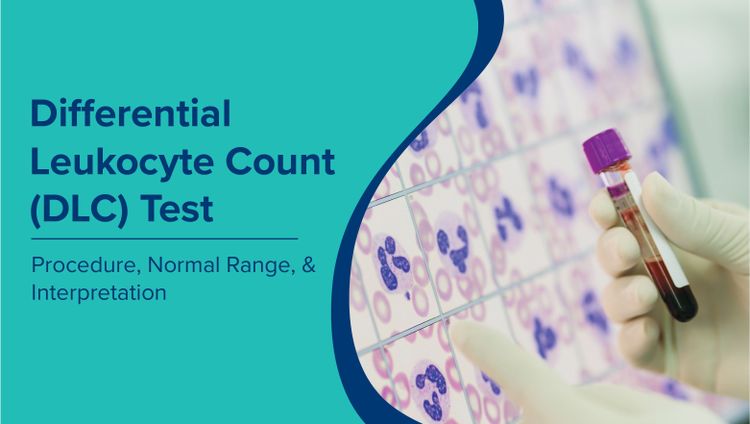
What Is a TLC Differential Count?
A TLC differential count, often called a white blood cell differential, measures the proportion or number of the different types of white blood cells in the blood.
While the total TLC gives an overall count, the differential can help healthcare professionals understand which types of white blood cells may be contributing to an abnormal result.
For example:
- A higher neutrophil count may occur with certain infections, inflammation, stress or medicine effects.
- A higher lymphocyte count may be seen with some viral infections and other conditions.
- A higher eosinophil count may be associated with allergies, certain infections or other disorders.
These patterns are not diagnostic on their own. The results need to be considered alongside symptoms, medical history and other investigations.
How Is a TLC Blood Test Performed at Home?
A TLC blood test is commonly included as part of a complete blood count (CBC). If home sample collection is available in your area, you may be able to arrange a TLC blood test at home through a trained healthcare professional who visits your home to collect a blood sample for laboratory analysis.
The process generally involves:
Booking a home sample collection: You can arrange a collection appointment, subject to service availability and any preparation instructions.
Collecting the blood sample: A trained professional cleans the collection area, usually on your arm, and draws a small amount of blood into a sample tube.
Sending the sample to a laboratory: The collected sample is transported for analysis.
Receiving your report: The laboratory report includes your TLC result, often alongside other blood cell measurements.
The blood collection usually takes only a few minutes. You may experience brief discomfort or mild bruising at the collection site.
A TLC test generally does not require fasting on its own. However, if other tests have been prescribed along with it, follow the preparation instructions provided by your healthcare professional or laboratory. Home collection availability may vary by location and service provider.
How Can You Maintain Healthy White Blood Cell Levels?
There is no single food, supplement or lifestyle change that can guarantee a normal TLC level. White blood cell counts are influenced by many factors, including infections, medicines, underlying conditions and the body’s response to stress.
However, some general habits can support overall health and immune function:
Eat a balanced diet: Include a variety of fruits, vegetables, whole grains, protein-rich foods and other nutrient-dense choices.
Get adequate sleep: Regular, sufficient sleep supports overall health.
Stay physically active: Choose activities appropriate for your age, health and fitness level.
Practise good hygiene: Handwashing and other infection-prevention measures can help reduce exposure to some germs.
Avoid smoking: Smoking can affect white blood cell levels and overall health.
Follow medical advice: If your TLC is abnormal, the appropriate next step depends on the cause.
Avoid taking supplements or medicines specifically to increase or decrease your TLC without medical guidance. Treatment, when needed, focuses on the underlying cause rather than the number alone.
Conclusion
Your TLC result can provide useful insight into your white blood cell count, but it is only one part of the picture. Whether your count is high, low or within the laboratory’s reference range, its significance depends on your symptoms, medical history and other test findings. If your result is outside the expected range or you have concerns about your health, consult a healthcare professional for guidance.
If you’re looking for a Blood test at home, MAX@Home may be able to help through its Home sample collection service. You can explore options such as a Complete blood count (CBC) test, TLC blood test at home, Dengue test at home or Full body health checkup at home, depending on your location and healthcare needs. Contact MAX@Home to learn more about its available home healthcare services and support.
Result outside the range and not sure what it means?
A doctor can review your report at home and tell you whether further tests are needed.
Book a doctor visit at home →People Also Ask
Can TLC levels change from one blood test to another?
Yes. Your white blood cell count may fluctuate over time due to temporary factors such as an illness, physical stress or certain medicines. If your TLC result differs from a previous report, your healthcare professional may consider the timing of the tests, your symptoms and other CBC results before recommending any further steps.
What is the difference between TLC and a complete blood count (CBC) test?
TLC measures the total number of white blood cells in your blood. A complete blood count (CBC) test provides a broader picture by measuring other blood components, including red blood cells, haemoglobin and platelets. A CBC may also include a TLC differential count, depending on the test ordered.
Can TLC levels be normal even if I feel unwell?
Yes. A TLC result within the laboratory’s reference range does not necessarily mean that there is no health concern. Your symptoms, medical history and other test findings are important when assessing your health. A healthcare professional can advise whether further tests are needed.
How can I improve my white blood cell count?
There is no single food, supplement or lifestyle change that can reliably correct an abnormal TLC level. The right approach depends on what is causing the change. Maintaining a balanced diet, getting adequate sleep and following medical advice can support general health, but these steps should not replace an assessment of an abnormal white blood cell count.
Is a TLC blood test enough to assess my immune system?
No. A TLC blood test provides information about the number of white blood cells, but it does not assess every aspect of immune function. A healthcare professional may review your TLC differential count, medical history, symptoms and other investigations to understand your immune health.
Can I book a blood test at home without visiting a laboratory?
Depending on your location and the tests you need, a home sample collection service may allow you to have your blood sample collected without travelling to a laboratory. MAX@Home offers home sample collection for services such as a TLC blood test at home. You can contact MAX@Home to check availability and understand the booking process.
What should I check on my TLC blood test report?
Review the TLC result alongside the laboratory’s reference range, the units used and any flags indicating a result outside that range. If your report includes a TLC differential count, those results may also help provide context. Avoid interpreting the numbers in isolation; discuss any concerns with a healthcare professional.
Can a TLC blood test be included in a full body health checkup at home?
A TLC test may be included in a broader package, such as a full body health checkup at home, depending on the tests offered. Check the package details to confirm whether a complete blood count (CBC) test is included. MAX@Home can provide information about available home testing services in your area.



 Call: 9240299624

