


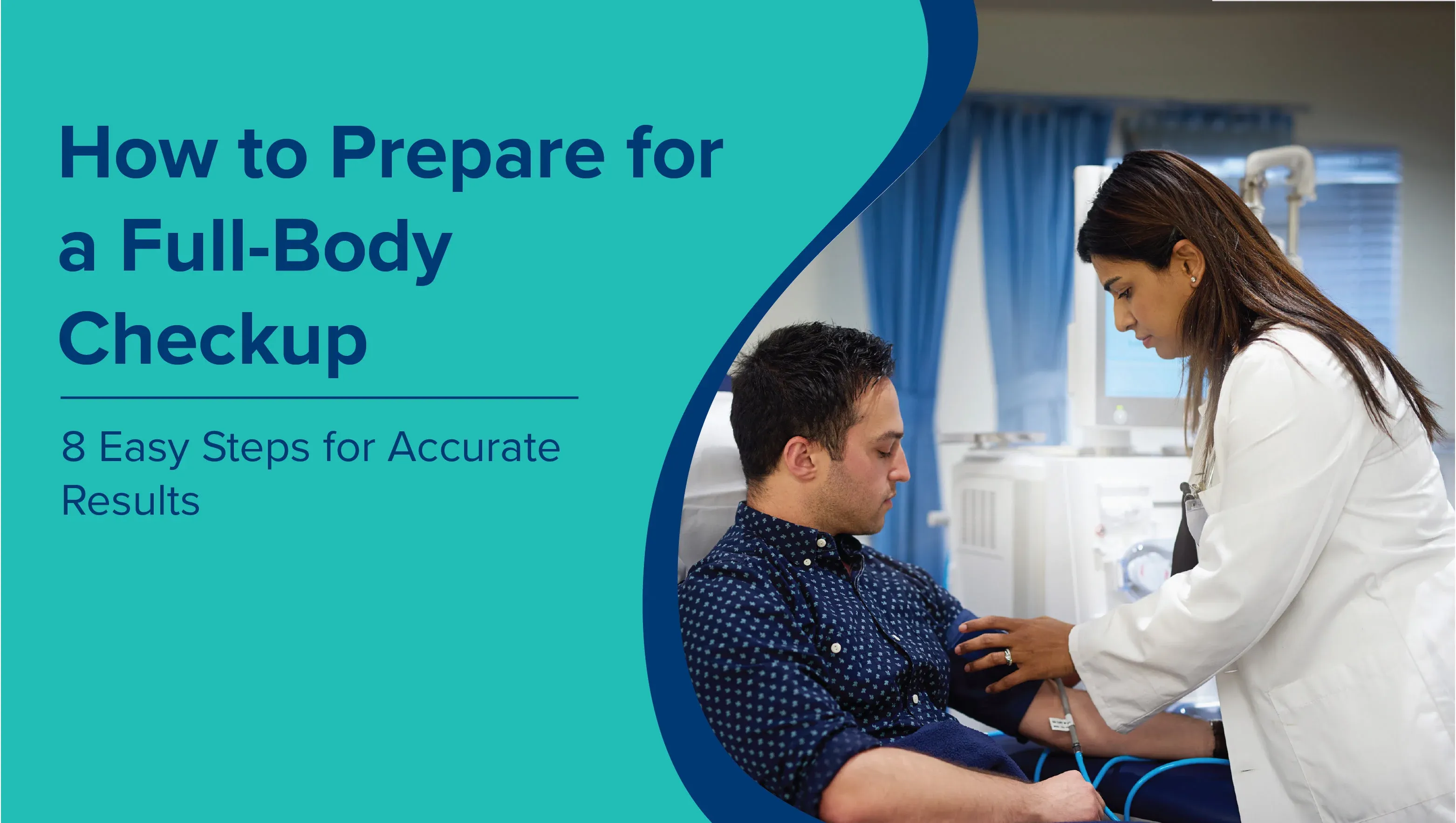


The best solution to health matters is by conducting a complete body check-up to ensure that one keeps abreast of the problems and to be healthy. Such examinations mean a diverse number of blood samples, radiography, and physical check-ups to assess the state of a vital organ and notice the presence of a silent disease without the appearance of noticeable symptoms. Nevertheless, to make sure that your test results are objective and correct, you should be well-prepared.
In this step-by-step guide, you will learn the 8 simple tips on how to prepare in advance for full body checkups and be capable of getting the best out of your health assessment. It also addresses important issues regarding the price of the full body check up, what it entails and how basic preparations can result in credible findings.
Full Body Checkup: Step-by-Step Guide
A full body health checkup usually includes a wide range of assessments such as blood and urine tests, imaging, and physical examinations to evaluate how well your vital organs are functioning. These tests help detect potential health concerns before symptoms appear.
What to Expect:
-
Consultation: Begins with a brief discussion with a doctor or healthcare professional.
-
Sample Collection: Blood and urine samples are taken for testing.
-
Additional Tests: Depending on your package, ECG, X-ray, or ultrasound may be included.
How to Prepare for a Full Body Checkup: 8 Key Tips
1. Schedule Your Full Body Checkup Wisely
Plan your appointment for a convenient time when you can fully focus on the process. Avoid scheduling it on a busy or stressful day, or when you feel physically exhausted.
Since many tests require fasting or specific preparations, choose a day when you can comfortably follow all instructions. If you are unsure about the best time or preparation details, contact your healthcare provider or MaxAtHome in advance for guidance.
2. Understand and Follow Fasting Instructions
Most blood tests in a full body checkup, especially those for blood sugar, cholesterol, and lipid profiles, require fasting to eliminate the effect of recent food intake. In most cases, you will need to fast for 8 to 12 hours, which means no food or beverages other than water.
Fasting requirements:
-
Have a light dinner the night before, avoiding heavy, oily, or sugary foods.
-
Drink plenty of water to stay hydrated. Hydration helps with smooth blood and urine sample collection.
Forgetting or altering your fasting schedule can lead to inaccurate results, increasing the risk of misdiagnosis or retesting.
3. Mention Medications and Dietary Supplements to Your Doctor
Certain medicines and supplements, such as vitamins, herbal products, insulin, steroids, or blood thinners, can affect your test results.
Before your checkup:
-
Share a complete list of all medications and supplements you take with your healthcare provider or laboratory technician.
-
Ask whether you need to stop any medication temporarily or adjust your schedule for specific tests.
-
Do not stop any prescribed medicine without your doctor’s approval.
Providing accurate details helps ensure that your results are correctly interpreted.
4. Avoid Alcohol, Smoking, and Strenuous Exercise
Alcohol, smoking, and strenuous physical activity can temporarily affect your metabolism, hormone levels, blood pressure, and heart rate.
Preparation tips:
-
Avoid alcohol for 24 to 48 hours before your checkup.
-
Refrain from smoking on the day of the test.
-
Skip intense workouts or physically demanding activities at least a day before.
These precautions help maintain accurate readings for your heart, metabolic, and blood health parameters.
5. Sleep Well
Getting adequate rest before your full body checkup is essential. Lack of sleep can affect your blood pressure, heart rate, cortisol levels, and inflammation markers.
What to do:
-
Aim for 6 to 8 hours of uninterrupted sleep before your appointment.
-
Avoid staying up late or engaging in emotionally stressful activities the previous night.
-
Good sleep ensures your test results reflect your body’s true condition.
6. Preparation and Comfort
Blood samples are collected by trained professionals, and some packages include additional tests such as ECG, or ultrasound.
-
Wear loose, comfortable clothing for easy access during examinations.
-
If your package includes a stress or treadmill test, wear suitable sportswear and footwear.
Being comfortable helps ensure smooth sample collection and examination.
7. Stay Well-Hydrated but Avoid Excessive Fluids
Proper hydration supports smooth sample collection and accurate imaging results. Drink enough water before urine or abdominal ultrasound tests to ensure your bladder is adequately filled. However, avoid overhydrating, as it may dilute your urine or cause discomfort during the procedure.
8. Organise Your Medical and Family History
Bring previous medical reports, test results, and a list of ongoing health conditions, if any. Also, note your family’s history of chronic conditions such as diabetes, hypertension, heart disease, or cancer. Prepare a list of any symptoms or concerns you wish to discuss with your doctor. This helps personalise your checkup and allows accurate interpretation of results.
Bonus Tips for a Smooth Full Body Checkup Experience
-
Avoid stressful situations just before your appointment, as stress can temporarily affect blood sugar and blood pressure levels.
-
If you feel anxious or have any questions during sample collection, speak with the phlebotomist or nurse to ensure a calm and comfortable experience.
-
Follow all instructions on fasting and medication carefully to prevent inaccurate test results.
-
For any clarifications related to your selected package, contact your diagnostic provider such as MaxAtHome.
Understanding Full Body Checkup Price Considerations
Pricing at the full body checkup may run on the quality of tests provided, standard of diagnostic center and additional facilities available such as taking samples at home or meeting the doctor himself or herself.
-
Basic packages start around Rs 899 to Rs 1,500, covering essential tests such as CBC, blood sugar, and lipid profile.
-
Standard packages (Rs 1500 to Rs 3500) will incorporate a variety of tests such as thyroid, liver, kidney functions, and vitamins.
-
Add-on packages or packages with imaging, organ functions, cancer markers, hormone profiles, select panels, early detection of potential health concerns could be advanced or comprehensive packages (Rs 3000 to Rs 6000).
This selection of a package that fits with your health requirements and expense, straightforward rates and guaranteed accreditation of the labs is a serious basis of meaningful output.
Why Proper Preparation Matters to Your Health
A full body checkup is not only good based on the tests that are conducted therein, but also based on the precision of the tests. Failing to properly prepare such as disregarding a fast, the taking of caffeine and alcohol, failure to advise your doctor about the use of medications may cause the result to be unreliable causing a false diagnosis or anxiety.
Valid outcomes will allow your medical practitioner to:
-
Identify early manifestations of such chronic conditions as diabetes, hypertension, or liver diseases
-
Come up with individual medical programs to avoid further illnesses
-
Offer an assurance of peace or intervention at the right time
Final Thoughts
The imperative step of preparing well before your whole body examination could appear to be quite basic, yet, it will guarantee you to deliver exact and useful answers about your health. These 8 simple guides will help you to make a better decision after collecting the good medical information by controlling the situation at hand through fasting to telling them your health history.
In case you wish that it should be easy and should not take much of your time and effort, you can simply book your full body checkup with some of the trusted providers such as MAX@Home where online booking is a breeze, sample collection in the comfort of home by a qualified personnel efficient, fast and the reports are delivered quickly and easily carried out without becoming a stressful experience at all.
Staying healthy is a journey throughout our life and the rightly conducted full body checkup is like a great weapon that keeps you on a health track not only today but also during the following years.
Frequently Asked Questions
Which test is best for a full body check-up?
A standard full body check-up typically includes blood tests (CBC, blood glucose, lipid profile), liver and kidney function tests, thyroid profile, and basic imaging. At MaxAtHome, our packages are curated to include essential and optional tests based on your age, lifestyle, and health concerns, ensuring a comprehensive assessment of your overall health.
Can we drink water before a full body check-up?
Yes, drinking water before most tests is allowed and encouraged. Staying hydrated helps with easier blood collection and accurate urine tests. However, avoid sugary drinks, tea, coffee, or juice. MaxAtHome provides clear instructions on fluid intake specific to your selected check-up package.
What is the fasting time for a full body check-up?
For accurate results of tests such as blood glucose, cholesterol, and lipid profiles, fasting for 8–12 hours is usually recommended. During fasting, only water should be consumed. MaxAtHome provides personalised pre-check-up guidance so you can prepare properly and avoid repeat tests.
What is the best time for a full body check-up?
Morning appointments are usually ideal for full body check-ups, especially if fasting is required. This ensures accurate blood test results and allows most procedures to be completed efficiently. MaxAtHome offers flexible appointment slots to suit your schedule.
How can I do a full body check-up at home?
With MaxAtHome, you can conveniently book a full body check-up online. Our trained personnel collect samples safely at your home, minimising disruption to your routine. Reports are delivered quickly online, and follow-up consultations with doctors can be scheduled if needed.
How often should I get a full body check-up?
It is recommended to undergo a full body check-up once a year for adults, or more frequently if you have chronic conditions such as diabetes, hypertension, or a family history of heart disease. MaxAtHome can help you choose the right package and schedule regular check-ups for consistent health monitoring.
Can medications affect my full body check-up results?
Yes, certain medications and supplements can influence test results. Always inform the doctor or laboratory personnel about any prescription, over-the-counter drugs, or health supplements you are taking. MaxAtHome ensures personalised guidance on which medications to continue or pause before your check-up.
Are full body check-ups safe for elderly or high-risk patients?
Absolutely. Full body check-ups are non-invasive and safe. MaxAtHome offers packages specifically tailored for elderly patients and those with pre-existing conditions, ensuring thorough evaluation while prioritising safety and comfort.


 Call: 9240299624

