


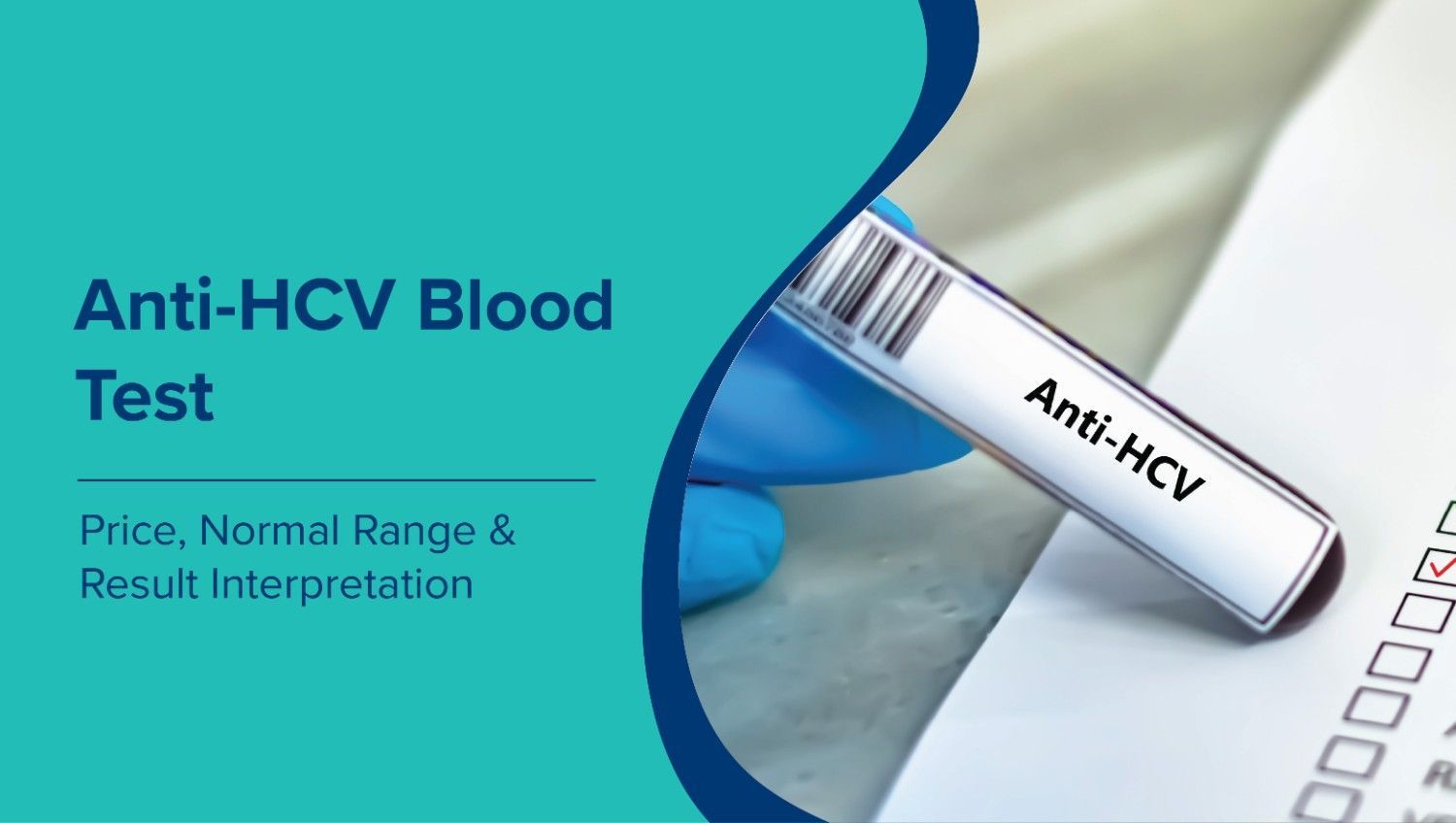


What Is the Anti-HCV Blood Test?
The anti-HCV blood test is a screening test that detects antibodies produced by the immune system in response to the Hepatitis C virus (HCV). A positive result, indicating the presence of these antibodies, signifies either current or past exposure to the virus.
What Is Hepatitis C?
Hepatitis C is a viral infection that primarily targets the liver and can lead to chronic liver disease if left untreated. Quick detection via anti-HCV testing is crucial for preventing long-term complications, including cirrhosis and liver cancer.
What Are the Types of Hepatitis C?
They are classified by when they appear and how long their symptoms last. These are:
Acute Hepatitis C
This early, short-term phase of infection usually causes no symptoms or only mild ones that might be unnoticed. With quick diagnosis and treatment, the virus can often resolve on its own. However, if not treated, it may develop into a chronic infection.
Chronic Hepatitis C
This chronic form occurs when the virus remains in the body for more than six months. If not properly managed, it can cause severe complications, including liver damage, cirrhosis, liver cancer, and other liver-related issues.
Why Is the Anti-HCV Test Done?
Doctors may recommend an anti-HCV test if you:
- Have symptoms of liver disease (fatigue, jaundice, abdominal pain)
- Have elevated liver enzymes Alanine Transaminase (ALT) / Aspartate Transaminase (AST)
- If undergoing dialysis
- Have a history of injectable drug use
- If you are a healthcare worker with potential exposure
- If pregnant or planning a pregnancy
What Are the Symptoms That May Require HCV Test?
Hepatitis C is often a silent or asymptomatic disease, causing no noticeable symptoms for years. However, certain signs may require the need for testing. These are the warning signals to watch for:
- Yellowing of Skin and Eyes (Jaundice): Results from impaired liver function, leading to the buildup of substances bilirubin.
- Persistent Fatigue: Unexplained persistent fatigue that disrupts daily activities.
- Unusual Abdominal Pain: Discomfort or pain around the liver area, ranging from mild to severe.
- Nausea and Vomiting: May indicate the acute phase of infection and require timely screening.
- Dark Urine or Pale-Colored Stools: Indicates liver dysfunction linked to hepatitis C.
- Loss of Appetite: Change in appetite potentially causing unexplained weight loss.
- Unexplained Swelling: Swelling in the legs or abdomen, often linked to liver disease.
Purpose of the HCV Test
The Hepatitis C Virus (HCV) test serves multiple important purposes:
Detect Acute Hepatitis C: Acute infection occurs within six months of exposure and often presents with mild or no symptoms. Around 25% of individuals clear the virus naturally.Identify Chronic Hepatitis C: If the virus persists beyond six months, it becomes chronic, which happens in about 75–85% of cases.
Screen High-Risk Individuals: Recommended for individuals with earlier blood transfusions (prior to 1992), injectable drug use, or occupational exposure.
Monitor Treatment Progress: Helps evaluate the effectiveness of ongoing treatment.
Prevent Disease Transmission: Early detection allows timely precautions to reduce transmission.
Assess Liver Health: Identifies early indicators of possible liver damage.
What Does the HCV Test Detect?
The HCV blood test detects exposure to the hepatitis C virus through the following markers:
HCV Antibodies: Indicate any previous exposure to the virus. A positive result necessitates additional testing.HCV RNA (Viral Load): Identifies ongoing infection by detecting viral genetic material in the blood.
Qualitative tests detect the presence of the virus.
Quantitative tests measure the amount of virus present.
HCV Genotype: Determines the virus strain to inform treatment decisions.
Anti-HCV Blood Test Price in India
In India, the cost of the anti-HCV (Hepatitis C Antibody) blood test varies by diagnostic laboratory, location, and whether home sample collection is offered.
With MAX@Home, you can schedule the anti-HCV test for just Rs 1960 (originally Rs 2450). This package includes easy at-home sample collection, reliable testing, and reports delivered within 24 hours, all without fasting.
Preparation for HCV Blood Test
No specific preparation is needed; however, following these guidelines can help improve accuracy:
- If on any medication, inform your doctor before testing
- Stay well-hydrated before the test
- Avoid alcohol and smoking before testing
- Inform the phlebotomist if you have allergies or a fear of needles
- Remain calm and relaxed while collecting the sample
Following medical advice guarantees dependable results and a precise diagnosis.
HCV Test Results: Normal Range and Interpretation
Positive: A positive HCV test means hepatitis C antibodies are present in the blood, indicating past exposure to the virus. However, it doesn't confirm an active infection and might need additional tests.Negative: A negative HCV test result indicates that no hepatitis C antibodies were found, showing no signs of current or past infection.
Book Hepatitis C Antibody (HCV) Test With MAX@Home
Schedule your Hepatitis C Antibody (HCV) test with MAX@Home for accurate results, convenient home sample collection, and fast reports within 24 hours (no fasting necessary).
Book now and get tested from the comfort of your home.



 Call: 9240299624

