


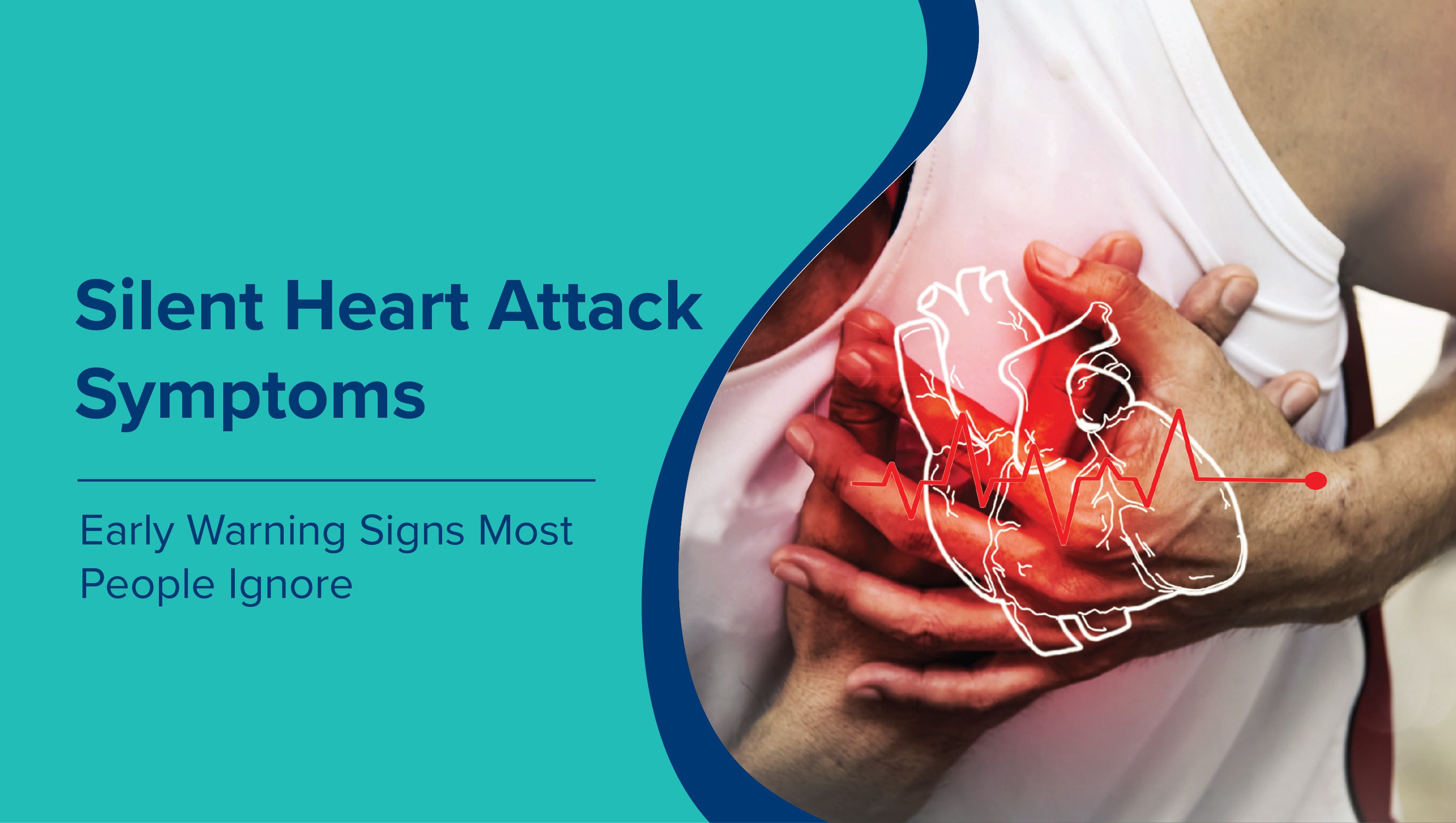


Introduction
What Is a Silent Heart Attack?
People often mistakenly assume it to be
- "I just thought I was coming down with something."
- "I assumed it was acid reflux acting up again."
- "I was tired for a few days, I blamed it on work."
The difference between a classic heart attack and a silent one isn't the severity of the damage; it's the severity of the symptoms. And that's exactly what makes silent heart attacks so dangerous.
Many people discover they've had one only during a routine ECG test, a cardiac screening, or after experiencing a more serious second heart attack. By then, irreversible damage may have already occurred.
What are the common signs of silent heart attack?
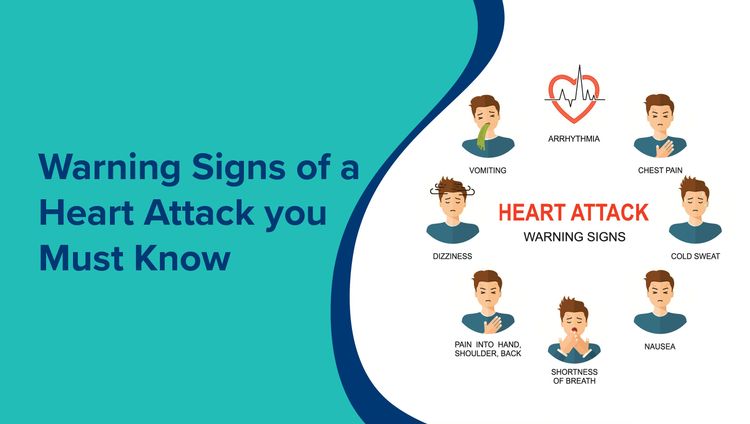
The challenge with silent heart attacks is that the symptoms often feel like everyday complaints, and most people ignore them. Here's what to watch out for.
-
Mild Chest Discomfort or Pressure
Unlike the sharp, intense chest pain of a classic heart attack, silent heart attack symptoms often feel like a dull ache, a squeezing sensation, or a pressure feeling in the chest region. It may come and go and can be easy to write off as muscle tension or indigestion.
Don't ignore any unusual chest discomfort that lasts more than a few minutes, even if it seems mild.
-
Unexplained Fatigue
Feeling unusually tired for many days, not the kind of tiredness that goes away with a good sleep, is one of the most ignored early signs of a heart attack, especially in women. The heart, under stress, causes the body to divert energy, leaving you feeling drained without any obvious reason.
-
Shortness of Breath
If you find yourself becoming breathless while doing activities you normally handle with ease, such as climbing stairs, walking a short distance, or even sitting still, this could signal that your heart isn't pumping blood efficiently. Shortness of breath is a classic red flag for heart problems that's frequently mistaken for poor fitness or anxiety.
-
Upper or lower back pain
Heart-related pain can also affect other regions of the body. Because the heart shares nerve pathways with the upper body, pain can radiate to the jaw, neck, back, or shoulder. Many people dismiss this as a dental issue, neck strain, or a pulled muscle, never suspecting the heart.
-
Unexplained Sweating
Breaking into a cold sweat without physical exertion or a warm environment can be a warning sign that your heart is under stress. The nervous system triggers this sweating response during a cardiac event. It's one of the symptoms of a mild heart attack that's easy to dismiss, especially during hot weather.
-
Indigestion-Like Feeling or Nausea
A burning sensation in the stomach or a persistent feeling of nausea is among the most commonly misidentified symptoms of silent cardiac arrest. Millions of people reach for antacids when their heart is actually sending them a distress signal. If indigestion feels different from usual or doesn't respond to standard remedies, take it seriously.
-
Dizziness or Lightheadedness
Sudden dizziness, feeling faint, or lightheadedness, particularly without a clear cause, may indicate that the heart is struggling to maintain proper blood flow to the brain. This symptom is frequently attributed to dehydration, low blood pressure, or skipping a meal.
-
Sleep Disturbances or Unusual Weakness
Difficulty sleeping, waking up feeling unrefreshed, or experiencing unusual weakness throughout the day can sometimes be the body's early response to cardiac distress. These unclear symptoms are incredibly easy to explain away, but when they appear alongside other signs, they require medical attention.
Mild Heart Attack Symptoms vs Severe Heart Attack Symptoms
Understanding the difference can save lives. Below are some symptoms categorised by type.
| Symptom | Mild / Silent Heart Attack | Severe Heart Attack |
|---|---|---|
| Chest Pain | Mild pressure or tightness may come and go | Intense crushing pain, constant |
| Fatigue | Unusual tiredness for days | Sudden extreme exhaustion |
| Breathing | Slight shortness of breath | Severe breathlessness |
| Nausea | Mild indigestion or feeling sick | Vomiting, severe nausea |
| Arm/Jaw Pain | Mild shoulder pain or neck pain | Sharp pain radiating down the left arm |
| Sweating | Mild clamminess | Profuse cold sweating |
| Consciousness | Usually alert | May lose consciousness |
The key note is that mild symptoms should never be ignored just because they don't feel dramatic. The heart doesn't always announce its emergencies loudly.
Who is at higher risk of a silent heart attack?
While a silent heart attack can happen to anyone, certain groups are more vulnerable.
- People with diabetes- diabetic neuropathy (nerve damage) can blunt pain perception, making heart attack symptoms nearly undetectable.
- Elderly Individuals- As we age, the perception of pain changes. What would be severe pain for a younger person may register as mild discomfort for an older person.
- Smokers- smoking accelerates arterial damage and is a major risk factor for all heart attacks.
- People with High BP and high cholesterol- Both conditions promote arterial plaque buildup, increasing the risk of blockages.
- People with obesity- excess weight strains the heart and is linked to other risk factors like hypertension and diabetes.
- Sedentary lifestyle- physical inactivity weakens the cardiovascular system over time.
- Family history of heart disease- genetics plays a significant role. If a close relative had a heart attack, your risk is higher.
Why Silent Heart Attacks Often Go Unnoticed
The human mind is wired to rationalise discomfort. We're busy. We're tired. We don't want to be the person who panics over nothing. And so we explain away the warning signs.
-
Misinterpreted Symptoms
The signs of a silent heart attack are often subtle rather than sudden or dramatic. Many people experience mild chest discomfort, heaviness, pain spreading to the arms, neck, shoulders, or jaw, or unexplained shortness of breath. Because these symptoms can resemble those of acidity, fatigue, stress, or normal aging, they are often ignored or misunderstood.
-
Nerve Damage (Neuropathy)
People living with conditions such as diabetes may have damaged nerves that reduce their ability to feel pain clearly. This means the body may not send strong warning signals during a heart attack, making the condition much harder to recognise in time.
-
High Pain Tolerance
Some individuals tolerate pain better than others. They may brush aside mild chest discomfort or unusual fatigue, assuming it is temporary or not serious enough to seek medical attention.
-
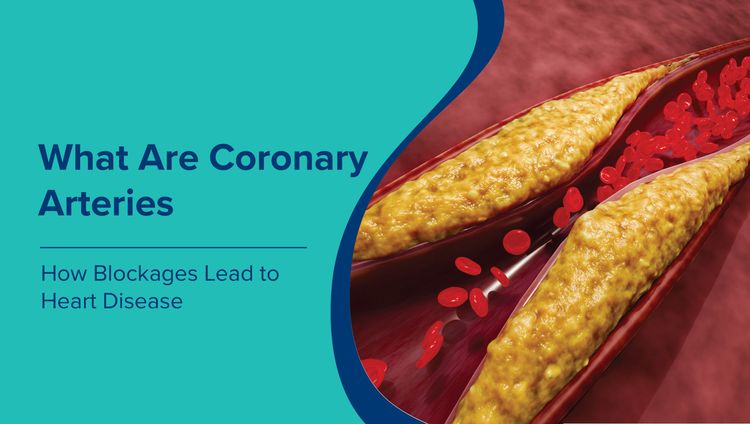
Artery Blockages
When plaque slowly builds up in arteries over many years, the heart sometimes adapts by creating alternative blood pathways called collateral circulation. While this can reduce sudden severe pain, it may also allow a heart attack to occur quietly without classic intense symptoms.
Note-Many people avoid medical checkups until something feels seriously wrong, which explains why many silent heart attacks go undetected until it's too late.
Busy schedules, reluctance to "bother" doctors for mild symptoms, and limited access to cardiac screening all contribute to delayed diagnosis.
What To Do If You Notice Heart attack Symptoms
If you experience any combination of the signs above, especially if new, recurring, or worsening, here's what to do.
- Seek medical attention quickly. A silent heart attack can cause progressive damage every hour.
- Call for emergency- Get cardiac care immediately if symptoms include intense chest discomfort, difficulty breathing, or sudden dizziness.
- Avoid self-diagnosing. The internet can help with awareness, but only a qualified doctor and proper tests can confirm a cardiac event.
- Request an ECG- It's quick, painless, and can reveal whether your heart has experienced any damage or irregular rhythms.
- Be honest with your doctor- Tell them about every symptom, even the vague, mild ones that came and went. Those details matter.
Tests & Diagnostic Services That Help Detect Heart Problems
Early detection is crucial for heart health. Here are key tests and services that can identify problems before they become a crisis.
-
ECG Test at Home
An electrocardiogram (ECG) records your heart's electrical activity and can detect irregular rhythms, past damage, or ongoing cardiac events. Getting an ECG at home means no delay; a healthcare professional can come to you.
-
Blood Test at Home
Cardiac biomarkers such as troponin and CRP in the blood indicate heart muscle damage. A home blood test makes this process accessible and stress-free.
-
Holter Monitoring
A Holter monitor records your heart's activity continuously over 24–48 hours, capturing irregularities a standard ECG might miss.
-
Blood Pressure Monitoring
Since high blood pressure is a major risk factor, regular home monitoring helps track your cardiovascular health.
-
Full Body Health Checkup
A comprehensive health checkup often includes cardiac panels, lipid profiles, blood sugar tests, and an ECG, giving you a full picture of your heart health.
-
Cardiac Risk Screening
Specialised cardiac risk screening can assess your 10-year risk of a heart event based on multiple factors, including cholesterol, blood pressure, and lifestyle habits.
-
Doctor Consultation at Home
If you're too unwell or anxious to visit a clinic, a home doctor consultation ensures you still receive a professional cardiac assessment without the added stress.
-
Emergency Medical Support
If you or someone around you experiences a suspected cardiac event, emergency medical support and rapid response are critical for minimising heart damage.
-
Preventive Health Packages
Regular preventive health packages, especially those focused on cardiac care, can catch warning signs early and help you stay ahead of heart disease.
How Lifestyle Changes Can Reduce Heart Attack Risk
Prevention is always better than cure, and the good news is that meaningful lifestyle changes can significantly reduce your risk of a silent or severe heart attack.
-
Eat Heart-Healthy Foods
Focus on a diet rich in vegetables, fruit, whole grains, lean proteins, and healthy fats. Reduce sodium, processed foods, sugar, and saturated fats. A heart-friendly diet is one of the most powerful tools in your preventive care arsenal.
-
Stay Active Daily
You don't need to run marathons. Even 30 minutes of moderate walking five days a week strengthens the heart, improves circulation, and lowers blood pressure. Start where you are and build from there.
-
Manage Stress Effectively
Chronic stress elevates cortisol and adrenaline, which over time damages blood vessels and contribute to heart disease. Meditation, deep breathing, yoga, and even regular breaks from screens can help regulate stress levels.
-
Prioritize Sleep
Poor sleep is increasingly linked to cardiovascular risk. Aim for 7–9 hours of quality sleep per night. If you snore heavily or feel exhausted despite sleeping, get screened for sleep apnea, a known risk factor for heart disease.
-
Avoid Smoking and Limit Alcohol
Smoking is one of the most significant modifiable risk factors for heart disease. If you smoke, quitting is the single best step you can take for your heart. Limit alcohol to moderate levels or avoid it altogether.
-
Control Diabetes and Blood Pressure
Keep blood sugar and blood pressure within healthy ranges through medication, diet, and regular monitoring. Uncontrolled diabetes and hypertension dramatically increase your risk of a silent heart attack.
-
Adopt Routine Health Screenings
Don't wait until something feels wrong. Annual or biannual cardiac screenings, including an ECG, blood tests, and a lipid profile, are your best early warning system. Make preventive heart care a non-negotiable part of your health routine.
Conclusion
A silent heart attack doesn't make noise. It doesn't announce itself. It waits for you to dismiss it as gas, stress, or exhaustion, then quietly does its damage.
But here's what we know. Your body does speak up. The lingering fatigue, the occasional chest tightness, the unexplained breathlessness. These are its way of saying something isn't right. The question is whether we're willing to listen. Don't ignore the small signs. Book that check-up. Get that ECG. Talk to a doctor.


 Call: 9240299624

