




Millions of people around the world live with sleep apnea symptoms without ever realizing it. While snoring is commonly brushed off as a minor problem, it can be one of the earliest warning signs of a serious sleep disorder that disrupts breathing throughout the night. Understanding the signs of sleep apnea is the first step toward better health and possibly saving your life.
Sleep apnea can affect 1 billion people, and of that population, some people can remain undiagnosed without knowing. Do you know anyone who shares your sleep space with obnoxious, loud snores? Do you sleep for a full night but still feel exhausted when you wake? Educating yourself on the symptoms of sleep apnea can help you understand and improve your health.
Key Takeaways
- Sleep apnea symptoms can be found in people at all stages of life.
- Sleep apnea can be described by loud snores and gasps and feeling fatigued throughout the day.
- For women in particular, sleep apnea symptoms can be difficult to diagnose and are often ignored.
- While the symptoms of sleep apnea can be dormant, they can cause cardiovascular problems and increase your risk of diabetes and other life-threatening problems.
- Sleep apnea can be diagnosed through a sleep study.
- They can also treat their apnea through the implementation of a CPAP.
What Is Sleep Apnea?
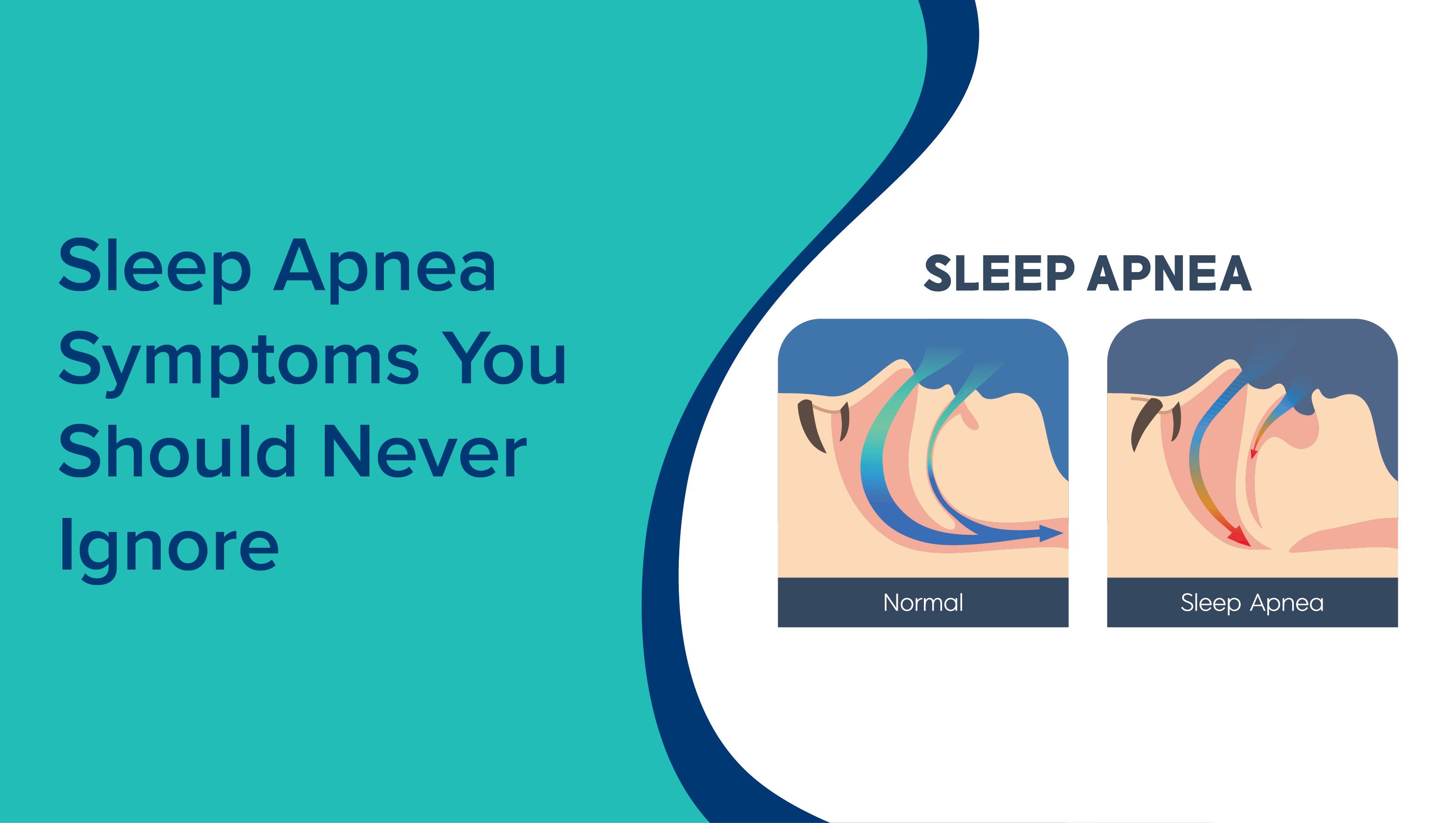
Sleep apnea is a sleep disorder in which breathing repeatedly stops and starts during sleep. These pauses, called apneas, can last from a few seconds to over a minute and may occur dozens or even hundreds of times per night. Each interruption rouses the brain from deep sleep to restart breathing, preventing restful, restorative rest.
There are three main types:
- Obstructive Sleep Apnea (OSA) – the most common of the three, which occurs when the soft palate collapses and interrupts the upper airway.
- Central Sleep Apnea – occurs when there is a failure of the brain to signal the muscles to breathe.
- Complex Sleep Apnea Syndrome – treatment-emergent central sleep apnea, the combination of both central sleep apnea and obstructive sleep apnea.
Common Sleep Apnea Symptoms You Should Never Ignore
Recognizing the signs of sleep apnea early is critical. Here are the most common and most overlooked symptoms:
-
Loud snoring
Long-term loud snoring (disturbed sleeping) is the most easily recognizable obstructive sleep apnea symptom. Snoring occurs when airflow is partially obstructed by upper airway tissues. Relaxed throat muscles are the most common source of tissue obstruction, leading to a high-frequency sound.
-
Choking in Breathing During Sleep
While sleeping, a partner will observe you suddenly cease breathing, gasp, or choke. This occurs due to the airways repeatedly collapsing. This is a primary indication of sleep apnea and requires a medical diagnosis.
-
Excessive Sleep time
Because sleep apnea fractures sleep architecture throughout the night, sufferers rarely reach the deep, restorative stages of sleep. The result is overwhelming daytime drowsiness, falling asleep at work, during conversations, or even while driving. This is also referred to as hypersomnia and is one of the most disruptive symptoms of sleep apnea in adults.
-
Morning Headaches
Waking up with a headache is a lesser-known but common symptom. When breathing pauses during sleep, oxygen levels drop, and carbon dioxide builds up in the blood, a combination that causes blood vessels in the brain to dilate, triggering a dull, persistent morning headache.
-
Dry Mouth or Sore Throat
Mouth breathing, a common response when the nasal airway is obstructed — leads to a dry, scratchy throat in the morning. This symptom is frequently dismissed as dehydration, but it can be a consistent indicator of nighttime airway obstruction.
-
Difficulty Concentrating and Memory Problems
Depleted oxygen slows brain activity, and a primary side effect of this is the inability to focus. often describe "brain fog," difficulty concentrating, forgetfulness, and reduced decision-making ability. Over time, these cognitive effects can impair work performance and quality of life. .
-
Mood Changes and Depression
Inadequate sleep has critical effects on emotions. Individuals with sleep apnea often have higher irritability, anxiety, and mood swings. Further, research found a connection between sleep apnea and clinical depression. In these cases, treating sleep apnea significantly improves mood.
-
Frequent Nighttime Urination (Nocturia)
It is a common misconception that frequently waking up to urinate is caused by getting older or by a small bladder. In some cases, nocturia is a result of sleep apnea. During breathing interruptions, pressure builds in the chest and releases hormones that tell the body to produce more urine.
-
Restless Sleep
The most recognizable signs of sleep fragmentation are the inability to stay asleep and restless tossing and turning. Sleep apnea disrupts the body's ability to breathe, resulting in constant waking and rest that is not renewed.
-
Feeling Low or fatigue
The most frustrating sign of sleep apnea is different from other sleep disorders. In other cases, getting enough sleep is related to the amount of time spent in bed. For sleep apnea, people often feel fatigued, and it does not improve with adequate sleep. It is a critical sign that a person should seek serious medical attention.
Obstructive Sleep Apnea Symptoms in Men and Women
There are distinct differences in how sleep apnea symptoms appear between men and women. This often leads to women being less diagnosed.
"Classic" symptoms of sleep apnea in men include snoring, apneas, and excessive sleepiness. This is why men are often diagnosed with OSA two to three times more than women.
Compared to men, the symptoms of sleep apnea in women are more vague and are often mistaken for either depression or anxiety, as well as chronic fatigue syndrome. Some symptoms of sleep apnea in women include:
- Persistent fatigue and low energy
- Insomnia and difficulty staying asleep
- Anxiety and mood disturbances
- Morning headaches
- Frequent nighttime awakenings
Because women's symptoms overlap significantly with other disorders, they are more likely to be misdiagnosed or have their concerns minimized. Women in menopause or those who are pregnant face a particularly elevated risk and should discuss sleep concerns with their healthcare provider.
Sleep Apnea Symptoms in Children
Sleep apnea is not exclusively an adult condition.Some of the common signs in children include:
- Loud or frequent snoring
- Mouth breathing during sleep
- Hyperactivity and difficulty paying attention
- Learning difficulties and academic struggles
- Behavioral issues, including aggression or moodiness
- Bedwetting beyond the typical age
Note- Parents should consult a pediatrician if their child snores regularly, breathes through the mouth at night, or shows behavioral or learning problems without a clear cause. Early treatment can prevent lasting developmental effects.
Health Risks of Ignoring Sleep Apnea Symptoms
Untreated sleep apnea is far more than a nuisance — it is a serious medical condition with life-threatening consequences. Repeated drops in blood oxygen trigger a cascade of physiological stress responses that damage the body over time.
- High Blood Pressure: Each apnea episode elevates blood pressure. Over time, this sustained elevation becomes chronic hypertension.
- Heart Disease: There is a strong link between sleep apnea and heart problems, including coronary artery disease, heart attacks, arrhythmias, and heart failure.
- Type 2 Diabetes: Disrupted sleep reduces one's sensitivity to insulin and regulation of glucose, and also increases the risk of diabetes.
- Obesity: The risk is bidirectional - sleep apnea can worsen obesity and also disrupt hormones, causing weight gain.
- Mental Health: Long-term sleep deprivation can worsen established anxiety and depression, and also cause cognitive decline.
- Increased accident risk: Daytime drowsiness increases the likelihood of motor vehicle accidents and injuries at work.
When Should You See a Doctor?
Consider scheduling an appointment with your doctor if you or someone you live with notices:
- Loud, disruptive snoring
- Breathing through the mouth during sleep
- Waking unrefreshed and with no improvement from a full night's sleep.
- Experiencing extreme sleepiness during the day that disrupts regular activities.
- Morning headaches that occur more than occasionally.
- Experiencing unexplained irritability or depression.
A doctor may recommend a sleep study if symptoms are present and other causes have been ruled out. Early diagnosis is crucial the sooner sleep apnea is identified and treated, the lower the risk of long-term complications.
How Is Sleep Apnea Diagnosed?
Diagnosing sleep apnea typically involves several steps:
- Physical Examination: A doctor will assess the breath-related obstructions that may be present due to nasal structures or be due transverse or transverse thinning of the structures present of the structures.
- Sleep Patterns: This includes a report on your sleep behavior, symptoms, and issues with sleep described by your sleeping partner.
- Home Sleep Apnea Testing (HSAT): This test utilizes a compact monitor worn while you sleep. This monitor records your breathing patterns, levels of blood oxygen, and heart rate.
- Polysomnography: The most comprehensive and most effective sleep test(polysomnography) involving a laboratory study. This test measures multiple body functions for an entire night. This is the gold standard for sleep studies.
Treatment Options for Sleep Apnea
The good news: sleep apnea is highly treatable. Treatment options are tailored to the type and severity of the condition.
- CPAP Therapy: The treatment of choice for those with moderate to severe OSA is the Continuous Positive Airway Pressure (CPAP) therapy. This treatment involves a mask that delivers air to sustain open airways.
- Oral Appliances: An option for patients who find CPAP therapy intolerable is an appliance that is a mouthguard, which is custom-designed and helps stabilize the airways by repositioning the jaw and tongue.
- Lifestyle Changes: Reducing the severity of sleep apnea is possible by developing a sleep routine and decreasing or eliminating alcohol and smoking.
- Weight Management: For patients with sleep apnea that is directly related to obesity, respiratory symptoms may improve with modest weight loss.
- Positional Therapy: For patients with sleep apnea that worsens when sleeping in the supine position, there are devices that may help them remain in the side sleeping position.
- Surgery: When all other treatment options for sleep apnea are ineffective, there are multiple surgical options available, including, but not limited to, uvulopalatopharyngoplasty (UPPP), and nasal surgeries, and hypoglossal nerve stimulation.
Conclusion
Sleep apnea symptoms such as loud snoring and other symptoms like headaches, mood changes and daytime tiredness tell you that there is something wrong, and danger lies in the fact that these symptoms are often attributed to ‘normal’ tiredness or stress.
If you or someone you love is experiencing symptoms, act. Diagnosis and treatment are the best strategies you have. Restoring good sleep, good health, and the quality you want is possible with sleep apnea.
You do not have to live this way; get the help you need. Do not wait to contact a healthcare professional near you; this could just be the beginning of the change you need. A sleep study could change your life.
Frequently Asked Questions
What are the first signs of sleep apnea?
The earliest and most common first signs include loud, persistent snoring, waking with a dry mouth or sore throat, and feeling tired even after a full night's sleep. A bed partner may also notice pauses in your breathing.
Can sleep apnea occur without snoring?
You can have sleep apnea without being a snorer. While snoring is a common symptom, it can be absent in many individuals, especially in women. These individuals may experience excessive daytime sleepiness, along with insomnia, mood swings, and morning headaches.
What does untreated sleep apnea feel like?
Chronic, untreated sleep apnea may cause excessive daytime sleepiness and chronic brain fog. Many people may experience chronic brain fog, irritability, and difficulty with memory and concentrating. Many people adapt to feeling this way and don't realize they are experiencing the effects of a chronic sleep disorder.
Is sleep apnea dangerous?
Chronic, untreated sleep apnea may be responsible for the development of multiple chronic conditions, such as hypertension, chronic cardiovascular diseases, and chronic kidney diseases. Untreated sleep apnea also increases the risk of chronic diseases as well as serious accidents caused by chronic excessive daytime sleepiness. However, with effective treatment, some of these risks may considerably decrease.
How do I know if I need a sleep study?
You should consider going for a sleep test if you have some of the symptoms, such as obstruction in your airway during sleep, while you are snoring, as well as excessive daytime sleepiness. The only way sleep apnea is confirmed is through a formal sleep study.
Can losing weight help with sleep apnea?
If you have obstructive sleep apnea and if your obesity is a co-morbidity, weight loss is a very effective intervention. Studies indicate that a body weight reduction of as little as 10% can decrease the severity of sleep apnea. However, if there is obesity-induced sleep apnea, you must consider treatment for sleep apnea because a significant portion of this sleep condition may not resolve if you only rely on weight loss.


 Call: 9240299624

