




Introduction
Fatty liver disease is no longer a condition that affects only middle-aged or elderly individuals. Across India, fatty liver disease has emerged among young adults between the ages of 18 and 40, who are increasingly being diagnosed with fatty liver disease, and most of them have no idea it is happening inside their bodies.
Some studies suggest that Non-Alcoholic Fatty Liver Disease (NAFLD) now affects approximately 9–32% of the general Indian population, with urban youth representing one of the fastest-growing risk groups. Long sitting hours in offices, late-night binge-eating, too much processed food, stress levels, and a lethargic lifestyle are increasing the risk of early-onset liver disease in young Indians.
What makes this particularly disturbing is that fatty liver disease is largely silent in its early stages. Young people can carry significant liver fat without any noticeable symptoms until the damage becomes difficult to reverse. This blog aims to cut through that silence and give you the information you need to protect your liver health before it is too late.
What Is Fatty Liver Disease?
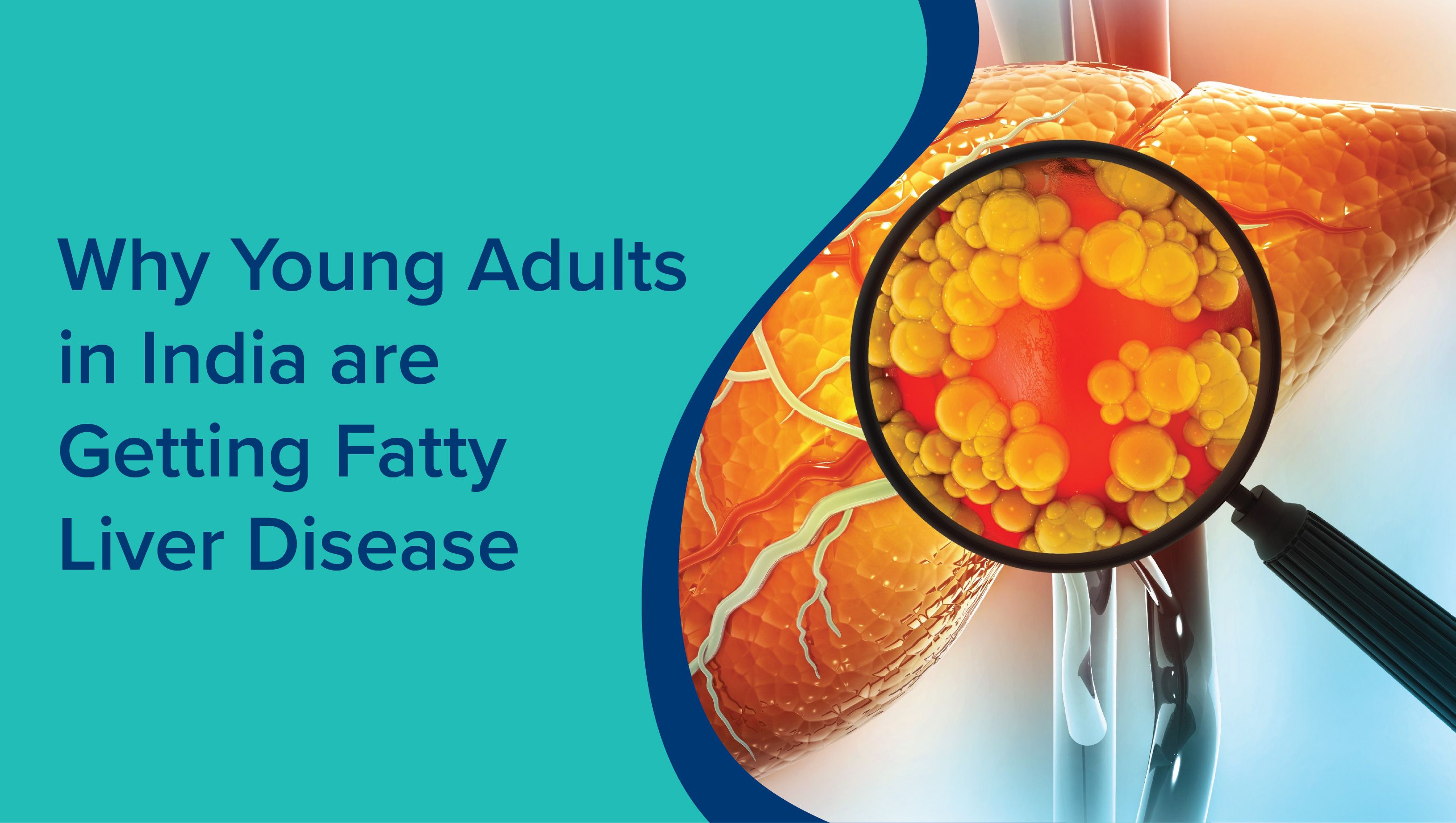
Also known as hepatic steatosis, it occurs when excess fat deposits in the liver cells (hepatocytes). While the liver naturally contains some fat, a problem arises when fat makes up more than 5–10% of the liver's total weight.
Our liver is one of the body's most vital organs. It filters blood, metabolises nutrients, produces bile for digestion, and detoxifies harmful substances. When fat builds up inside it, these functions are progressively compromised.
Two Main Types of Fatty Liver Disease
On the basis of lifestyle habits, the fatty liver disease types can be divided into:-
-
Alcoholic Fatty Liver Disease (AFLD)
Caused by excessive, long-term alcohol consumption. Alcohol is directly toxic to liver cells and triggers fat accumulation, inflammation, and, over time, cirrhosis.
-
Non-Alcoholic Fatty Liver Disease (NAFLD)
This is the more prevalent form in India today and occurs in people who drink little to no alcohol. NAFLD is driven by metabolic dysfunction, obesity, insulin resistance, high blood sugar, and unhealthy diets.
Stages of Fatty Liver Disease
Below are the different stages of fatty liver listed in tabular form below:-
|
Stage |
What it leads to |
Severity |
|
Simple Fatty Liver (Steatosis) |
Fat builds up in liver cells without major damage. Usually reversible with lifestyle changes. |
Mild |
|
Non-Alcoholic Steatohepatitis (NASH) |
Fat accumulation causes inflammation and liver cell damage. |
Moderate |
|
Fibrosis |
Ongoing inflammation leads to scar tissue formation in the liver. |
Serious |
|
Cirrhosis |
Severe scarring damages liver structure and function permanently. |
Very Severe |
Causes of fatty liver disease in India among young adults
The increase in fatty liver disease among young Indians is not by chance. It is directly linked to modern lifestyle habits that are now common in cities and towns across India.
Unhealthy Indian Diet
The way India eats has changed dramatically over the past two decades. Traditional home-cooked meals rich in fibre, spices, and balanced macronutrients are increasingly being replaced by calorie-dense, nutrient-poor alternatives:
-
Fried foods
Samosas, pakoras, puri, and bhatura, consumed frequently, contribute to excess saturated fat intake.
-
Processed and packaged snacks
Chips, biscuits, instant noodles, and namkeen are high in trans fats, sodium, and refined carbohydrates.
-
Sugary beverages
Soft drinks, packaged fruit juices, energy drinks, all spike blood sugar and promote liver fat deposition through excess fructose.
-
Excess refined carbohydrates
White rice, maida-based bread, and refined flour products rapidly convert to sugar in the body, raising insulin levels and promoting fat storage in the liver.
-
Late-night eating
Night shifts, irregular work schedules, and socialising after hours mean many young adults consume large meals at 11 pm or midnight. The liver is less efficient at processing nutrients during late hours, increasing fat accumulation.
Sedentary Lifestyle
India's rapid economic growth has produced a generation of young professionals who are, ironically, physically among the least active in history.
-
Desk jobs
IT professionals, financial analysts, content creators, and corporate employees spend 8–12 hours a day seated in front of screens.
-
Long screen time
After work hours, leisure time is dominated by streaming platforms, social media, and mobile gaming, all of which are sedentary activities.
-
Lack of exercise
Gym memberships are often purchased with good intentions but rarely used consistently. Most urban Indians do not meet the WHO-recommended 150 minutes of moderate physical activity per week.
-
Reduced movement
The widespread adoption of food delivery apps, ride-hailing services, and home delivery for groceries has eliminated even the minor physical activity that was once part of daily life.
Rising Obesity and Belly Fat
India is now home to the world's third-largest obese population. Crucially, even young Indians who do not appear obese by global BMI standards can still carry dangerous levels of visceral fat that accumulates around the abdominal organs, particularly the liver.
Visceral fat is metabolically active. It releases inflammatory chemicals (cytokines) and free fatty acids directly into the portal bloodstream, which drains into the liver. This triggers hepatic fat accumulation, oxidative stress, and insulin resistance, a state in which the body's cells stop responding properly to insulin. Insulin resistance is one of the most powerful drivers of NAFLD.
Metabolic syndrome, a cluster of conditions including abdominal obesity, high blood pressure, high blood sugar, and abnormal cholesterol levels, significantly multiplies the risk of progressing from simple fatty liver to more severe liver disease.
Alcohol Consumption
While NAFLD has surpassed alcoholic fatty liver disease in overall prevalence, alcohol remains a major contributor to liver damage in young Indians.
-
Weekend binge-drinking culture
Social events, college parties, and work gatherings often involve drinking a lot of alcohol in a short time, known as binge drinking. This is especially harmful to the liver.
-
Underestimated consumption
Many young people significantly underestimate how much alcohol they consume, especially when drinks are served in large measures at bars and parties.
-
Hidden liver damage
Alcoholic liver disease can develop over years without any perceived symptoms, making early damage easy to overlook.
The liver can process approximately one standard drink per hour. Regular consumption beyond this rate overwhelms the liver's detoxification capacity, leading to fat accumulation, inflammation, and, over time, fibrosis.
Chronic Stress and Poor Sleep
The mental health burden on India's young working population is considerable, and its impact on the liver is often underappreciated.
-
Cortisol and fat storage
Chronic stress triggers the sustained release of cortisol, the body's primary stress hormone. Elevated cortisol promotes abdominal fat deposition, raises blood glucose levels, and increases liver fat synthesis.
-
Hormonal imbalance
Prolonged stress disrupts the balance of hormones that regulate appetite, metabolism, and insulin sensitivity.
-
Sleep deprivation
Late nights, irregular sleep schedules, and poor-quality sleep (common among young urban Indians) impair the liver's natural repair and detoxification processes that occur during deep sleep. Sleep deprivation also disrupts the production of hormones like leptin and ghrelin, increasing appetite for high-calorie foods.
Diabetes, PMOS, and High Cholesterol
Several metabolic disorders that are increasingly prevalent in young Indian adults are directly associated with the development and progression of fatty liver disease:
-
Type 2 Diabetes and Pre-Diabetes
Insulin resistance, the hallmark of type 2 diabetes, simultaneously promotes fat storage in the liver and impairs the liver's ability to export that fat. India has more than 101 million people living with diabetes (IDF 2021), with millions more in the pre-diabetic stage.
-
Polyendocrine Metabolic Ovarian Syndrome (PMOS)
PMOS, which affects an estimated 20% of Indian women of reproductive age, is strongly associated with insulin resistance and NAFLD. Women with PMOS have a significantly elevated risk of fatty liver, even at normal body weight.
-
High Cholesterol and Triglycerides (Dyslipidaemia)
Elevated triglycerides and low HDL (good) cholesterol are both associated with increased liver fat and metabolic syndrome.
What Are Common Fatty Liver Symptoms
One of the most dangerous characteristics of fatty liver disease, particularly in its early stages, is that it is largely asymptomatic. Many individuals with grade 1 fatty liver have no symptoms at all, and the condition is discovered incidentally during a routine ultrasound or blood test.
However, as fat accumulation progresses or inflammation develops, the following symptoms may emerge:
- Persistent Fatigue: Unexplained tiredness and low energy levels, even after adequate sleep, are among the most commonly reported early symptoms.
- Abdominal Discomfort: A dull, aching sensation or heaviness in the upper right abdomen (where the liver is located).
- Bloating: Digestive discomfort, excessive gas, and a sense of fullness even after small meals.
- Unexplained Weight Gain: Particularly around the abdomen, often despite no significant change in diet.
- Loss of Appetite: A decreased desire to eat, particularly noticeable in the morning.
- General Weakness: Muscle weakness and a feeling of being physically run down.
- Brain Fog: Difficulty concentrating, forgetfulness, and a clouded mental state.
- Mild nausea: especially after fatty or rich meals.
Note: The absence of symptoms does NOT mean the liver is healthy. Many young Indians are unknowingly living with fatty liver disease that is silently progressing. This is why proactive screening is essential.
Who is at higher risk of getting fatty liver disease
Certain individuals face a significantly elevated risk of developing fatty liver disease. You should consider proactive screening if you identify with any of the following:
- Overweight or obese individuals, especially those with abdominal or central obesity
- People with Type 2 diabetes or pre-diabetes
- Individuals with Polyendocrine metabolic Ovarian Syndrome (PMOS)
- Those with high triglycerides or low HDL cholesterol
- Frequent or binge alcohol consumers
- People with a family history of liver disease or metabolic syndrome
- Individuals with hypothyroidism
- Those following high-calorie, high-sugar, or high-fat diets
- Physically inactive adults with sedentary occupations
- Young professionals with chronic high-stress work environments
How Fatty Liver Disease Is Diagnosed
If you are concerned about your liver health, a range of diagnostic tools is available:
-
Liver Function Tests (LFT)
Blood tests that measure liver enzymes (ALT, AST, GGT). Elevated enzyme levels may indicate liver inflammation or damage, though early fatty liver can be present even with normal LFTs.
-
Abdominal Ultrasound
The most commonly used initial diagnostic tool. Ultrasound can detect echogenic (bright) liver tissue, which is indicative of fat accumulation. It can grade fatty liver as mild, moderate, or severe.
-
FibroScan (Transient Elastography)
A non-invasive test that measures liver stiffness, helping to assess the degree of fibrosis or scarring. It can also quantify the amount of liver fat (using the CAP score).
-
CT Scan or MRI
Advanced imaging is used when ultrasound findings are inconclusive or a more precise evaluation is needed. MR spectroscopy offers highly accurate liver fat quantification.
-
Liver Biopsy
It is the gold standard for diagnosing and staging liver disease, but it is reserved for complex cases due to its invasive nature.
-
Metabolic Blood Panel
Including fasting blood glucose, HbA1c, lipid profile, thyroid function, and insulin levels to identify associated metabolic conditions.
Can Fatty Liver Be Reversed?
Yes, and this is genuinely encouraging news. Unlike many other forms of liver disease, fatty liver, especially in its early stages (grade 1), is largely reversible with the right lifestyle interventions.
Research has consistently shown that losing just 5–10% of body weight, combined with dietary improvements and regular exercise, can significantly reduce liver fat, lower liver enzyme levels, and in many cases, restore the liver to near-normal function.
However, once the disease progresses to significant fibrosis or cirrhosis, the damage becomes increasingly difficult or impossible to reverse. This underscores the critical importance of early detection and prompt lifestyle change.
Lifestyle tips to control Fatty Liver
Currently, there is no specific drug approved as a cure for NAFLD. Treatment is centered on targeted lifestyle modifications that address the root causes of the condition:
-
Achieve and Maintain a Healthy Weight
Weight loss is the single most effective intervention for NAFLD. A gradual, sustained reduction of 0.5–1 kg per week is recommended. Crash diets or extreme calorie restriction can paradoxically worsen liver health by triggering rapid fat mobilisation.
-
Follow a Liver-Friendly Diet
Adopt an anti-inflammatory, low-glycemic diet rich in whole foods (see food sections below). Reduce total calorie intake and focus on the quality of carbohydrates and fats consumed.
-
Exercise Regularly
Both aerobic exercise (brisk walking, cycling, and swimming) and resistance training (weights and bodyweight exercises) have been shown to independently reduce liver fat, even without significant weight loss. Aim for at least 150–300 minutes of moderate-intensity aerobic activity per week.
-
Eliminate or Drastically Reduce Alcohol
Even small amounts of alcohol can accelerate liver damage in individuals with existing fatty liver disease. Complete abstinence is the safest option, particularly if you have NASH or any degree of fibrosis.
-
Improve Sleep Quality
Maintain consistent sleep and wake times, aim for 7–9 hours of quality sleep per night, and limit screen exposure before bed. Consider evaluation for sleep apnea, which is independently associated with NAFLD.
-
Manage Metabolic Conditions
Work with your physician to optimise blood glucose, blood pressure, and cholesterol levels. If you have diabetes or PMOS, well-managed conditions significantly reduce the risk of liver disease progression.
-
Reduce Chronic Stress
Incorporate evidence-based stress-reduction practices: mindfulness meditation, yoga, regular digital detox periods, and maintaining strong social connections are all beneficial. Seeking professional support for anxiety or depression is advisable when needed.
Foods to Eat for a Healthy Liver
A liver-healthy diet for Indians does not have to mean abandoning traditional cuisine. Focus on incorporating these nourishing foods:
- Fruits: Papaya, guava, amla (Indian gooseberry - rich in Vitamin C), berries, and citrus fruits. Limit very high-sugar fruits like mango and chiku.
- Green Leafy Vegetables: Spinach (palak), methi (fenugreek), drumstick leaves (moringa), and broccoli are rich in antioxidants and anti-inflammatory compounds.
- Whole Grains: Brown rice, millets (ragi, jowar, bajra), oats, and whole wheat roti instead of maida-based products.
- Legumes and Pulses: Dal, rajma, chana, moong are the excellent sources of plant protein and fiber.
- Lean Protein: Skinless chicken, fish (especially fatty fish rich in omega-3s like salmon, mackerel, and rohu), eggs, and low-fat paneer.
- Healthy Fats: A small amount of ghee, olive oil, mustard oil, or avocado and a handful of unsalted nuts (walnuts, almonds) daily.
- Turmeric (Haldi): Curcumin, the active compound in turmeric, has documented anti-inflammatory and hepatoprotective (liver-protecting) properties.
- Green Tea and Black Coffee: Both have evidence supporting reduced liver fat accumulation when consumed without sugar.
- Plenty of Water: Adequate hydration (2–3 liters per day) supports liver detoxification processes.
Foods to Avoid If You Have Fatty Liver
- Fried and deep-fried foods: Samosas, puri, bhatura, pakoras, French fries
- Sugary drinks: Cola, packaged fruit juices, energy drinks, sweetened chai, milkshakes
- Fast food and junk food: Burgers, pizzas, instant noodles, chips
- Bakery products: Maida-based breads, cakes, pastries, cookies, puffs
- Refined carbohydrates: White bread, white rice in excess, refined maida products
- Processed and packaged foods: Anything high in preservatives, trans fats, and added sugar
- Red and processed meats: Sausages, salami, red meat in large quantities
- Alcohol: All forms, in any quantity, should be avoided or strictly limited
- High-fructose foods: Sweetened condensed milk, commercial sweets, mithai
Prevention Tips for Young Indians
Protecting your liver starts with building sustainable daily habits. Here are practical, India-specific recommendations:
-
Move more during the workday
Take the stairs, walk during phone calls, and set hourly reminders to stand and stretch. Aim to break prolonged sitting every 45–60 minutes.
-
Cook at home
Preparing meals at home gives you control over ingredients, cooking methods, and portion sizes—batch-cook on weekends to manage busy weekdays.
-
Choose wisely when eating out:
Opt for grilled, steamed, or tandoor preparations over deep-fried ones. Choose dal, sabzi, and roti over rich gravies and fried items.
-
Hydrate properly
Replace sugary drinks with plain water, nimbu pani (without excess sugar), buttermilk (chaas), or herbal teas.
-
Limit alcohol
If you drink, stay strictly within recommended safe limits and avoid binge drinking entirely.
-
Get annual health checkups.
Include liver function tests, lipid profile, blood glucose, and abdominal ultrasound in your annual preventive health screening, especially if you have risk factors.
-
Manage stress proactively
Do not wait for burnout. Build stress management into your daily routine. Even 15 minutes of mindfulness or walking can make a meaningful difference, along with quality sleep.
When to See a Doctor
While fatty liver is often discovered incidentally, you should seek medical evaluation promptly if you experience:
- Persistent unexplained fatigue lasting more than a few weeks
- Pain or discomfort in the upper right abdomen
- Yellowing of the skin or eyes (jaundice)
- Significant unexplained weight gain, particularly around the abdomen
- Ankle swelling or unexplained fluid retention
- Nausea, vomiting, or progressive loss of appetite
- Dark-coloured urine or pale stools
If you have known risk factors, such as obesity, diabetes, PMOS, high cholesterol, or a family history of liver disease, request a comprehensive liver health assessment from your physician proactively, even in the absence of symptoms.
Conclusion
Fatty liver disease in young Indians is not a condition you can afford to ignore or postpone addressing. It is happening earlier, progressing faster, and affecting a generation that has barely had time to consider their long-term health consequences.
The encouraging reality is that in most cases, this is a highly preventable and reversible condition. The liver is a remarkably resilient organ. Given the right conditions, it can heal itself. Your role is to create those conditions: through what you eat, how you move, how you manage stress, and how seriously you take your annual health screenings.
Early detection through simple investigations like an ultrasound and liver function tests can catch fatty liver disease at a stage where lifestyle changes alone can reverse it completely.
Do not ignore ongoing tiredness, unexplained weight gain, or stomach discomfort. Getting diagnosed early and making the right lifestyle changes can help reverse fatty liver disease before it leads to serious problems. See a liver specialist or book a preventive health checkup including liver function tests and an ultrasound for expert advice on keeping your liver healthy.
Frequently Asked Questions
What causes fatty liver disease in young adults?
The most common causes in young Indians include unhealthy diets high in processed and fried foods, sedentary lifestyles, obesity (particularly abdominal fat), excessive or binge alcohol consumption, insulin resistance, Type 2 diabetes, PMOS, and chronic stress combined with poor sleep.
Can fatty liver be cured naturally?
Yes, in many cases, particularly in early stages. Grade 1 fatty liver is frequently reversible through consistent lifestyle changes: a balanced diet, regular exercise, weight loss of 5–10%, alcohol elimination, and management of underlying metabolic conditions. There is no single supplement or herb that treats fatty liver; the evidence for sustained lifestyle modification is robust.
Is fatty liver common in India?
Yes, increasingly so. NAFLD is estimated to affect between 9% and 32% of the Indian population. Urban Indians, particularly young adults with sedentary jobs and modern dietary habits, are among the most affected groups. India is now considered one of the countries with a rapidly rising burden of fatty liver disease.
What are the first signs of fatty liver?
In many cases, early fatty liver causes no symptoms. When symptoms do appear, the most common initial ones are persistent fatigue, mild discomfort or heaviness in the upper right abdomen, bloating, and a general sense of unwellness or brain fog. Many cases are first detected during a routine health checkup.
Can non-drinkers get fatty liver disease?
Absolutely. Non-Alcoholic Fatty Liver Disease (NAFLD) is the most common form of fatty liver in India today and occurs in people who drink little to no alcohol. It is driven primarily by diet, obesity, insulin resistance, and metabolic disorders — not by alcohol. Teetotallers can develop significant fatty liver disease.
Which foods worsen fatty liver?
Particularly harmful foods include sugary beverages, fried and deep-fried items, refined carbohydrates (maida products, white bread), processed and packaged snacks, high-fructose sweets, and all forms of alcohol. Red and processed meats consumed in large quantities also contribute to liver inflammation.
References
- NAFLD Epidemiology Springer · PubMed · ResearchGate
- ICMR–INDIAB Study (2023) – Diabetes Prevalence India The Lancet (Full Text)
- IDF Diabetes Atlas, 10th Edition (2021) diabetesatlas.org
- Hypertension, Diabetes & NASH Journal of Hepatology · ResearchGate
- Abdominal Obesity & Metabolic Syndrome PubMed Search
- Bariatric Surgery & NAFLD PubMed · ScienceDirect
- NAFLD in Type 2 Diabetes PubMed
- National Urban Diabetes Survey Springer · PubMed
- Outcomes in NAFLD (NEJM) NEJM · PubMed
- Progression NAFL to NASH ScienceDirect · PubMed · PMC Free Full Text
- Global Action Plan for NCDs WHO
- Global Epidemiology of NAFLD Wiley · PubMed
- Asia Pacific Working Party on NAFLD (2007/2009) PubMed – Executive Summary · PubMed – Definitions & Overview

 Call: 9240299624

