Hi Guest Login
- Home
- /
- Physiotherapy
- /
- Symptoms
- /
- Physiotherapy for Crepitus - Cracking Joints in Noida
Physiotherapy for Crepitus - Cracking Joints in Noida
Expert Physiotherapy for Crepitus, Joint Stability, and Smooth Movement


Upto 20% Discount on Home Physio Sessions
* T&C apply
Upto 20% Discount on Home Physio Sessions
* T&C apply
 Call: 9240299624
 Understanding Crepitus: Causes of Joint Cracking and How Physiotherapy Helps
Crepitus, commonly known as joint cracking or popping, can affect the knees, shoulders, neck, and ankles. In Noida, factors such as long working hours, sedentary lifestyles, poor posture, and early signs of osteoarthritis can contribute to frequent joint noises. While occasional crepitus is often harmless, persistent or painful joint cracking may indicate underlying muscle imbalances, joint stiffness, or cartilage wear. Physiotherapy for crepitus focuses on identifying the root cause of joint cracking and restoring normal joint function. Through manual therapy, targeted exercises, and posture correction, physiotherapists can reduce joint noise, improve mobility, strengthen supporting muscles, and prevent long-term joint strain. For individuals seeking ‘physiotherapy for crepitus near me’ in Noida, MAX@Home provides structured physiotherapy treatment at its centres, offering expert care for knee, shoulder, neck, and ankle crepitus.
Types of Crepitus (Cracking Joints)
Crepitus, commonly known as joint cracking or popping, is a condition where joints produce audible sounds during movement. While occasional creaking or clicking can be harmless, persistent or frequent joint noises may indicate muscle weakness, cartilage wear, poor posture, or early joint degeneration. Understanding the different types of crepitus helps identify the underlying cause and guides targeted physiotherapy treatment.
Knee Crepitus
Knee crepitus occurs when the knee joint produces popping, grinding, or clicking sounds, often during walking, squatting, or bending. It is commonly caused by cartilage wear, weak thigh muscles, or patellar tracking issues. Symptoms may include audible clicks, occasional discomfort, and a feeling of instability in the knee. Physiotherapy can strengthen the quadriceps and improve knee alignment to reduce crepitus.
Shoulder Crepitus
Shoulder crepitus involves snapping or popping sounds when lifting or rotating the arm. Causes include rotator cuff weakness, tight muscles, or poor posture. Patients may notice a grinding sensation or discomfort during overhead movements. Physiotherapy focuses on rotator cuff strengthening, scapular stabilisation, and posture correction.
Neck Joint Cracking
Neck crepitus is often felt as popping or clicking during head rotation. It can result from cervical stiffness, poor posture, or stress-related tension. Symptoms may include mild discomfort, tension, or restricted neck movement. Targeted neck and upper back exercises, along with manual therapy, help restore mobility and reduce cracking sounds.
Ankle & Foot Crepitus
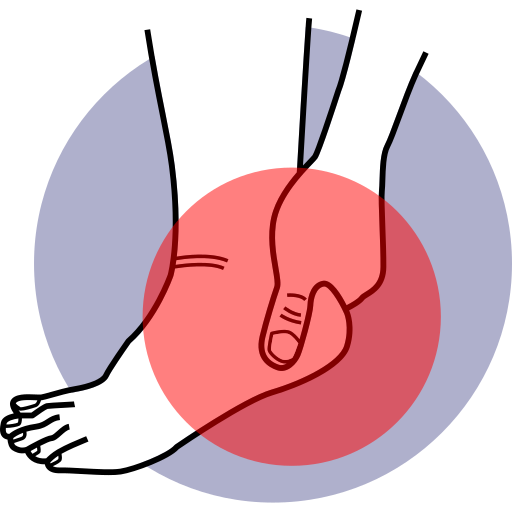
Cracking sounds in the ankle or foot can arise from ligament stiffness, improper footwear, or reduced joint mobility. Patients may notice popping while walking or during activity. Physiotherapy can improve ankle mobility, strengthen supporting muscles, and correct gait patterns.
Age-Related Crepitus
Early osteoarthritis and cartilage thinning can cause grinding or crunching sounds in various joints, often accompanied by stiffness and reduced movement. Physiotherapy can slow progression by improving joint lubrication, maintaining muscle strength, and enhancing functional mobility.
Who Should Seek Physiotherapy for Crepitus in Noida
Physiotherapy for Crepitus can benefit individuals experiencing joint cracking, popping, or discomfort. Those who may consider treatment include:
- People with frequent joint cracking or popping
- Individuals experiencing knee grinding or clicking while walking
- Office workers with neck or shoulder joint noises
- Athletes noticing joint popping during movement
- People showing early signs of osteoarthritis
- Individuals recovering from joint injuries
- Senior citizens with stiffness and joint noise
- Anyone experiencing discomfort, reduced mobility, or stiffness due to Crepitus
Physical Therapy Treatments for Crepitus
Physiotherapists at MAX@Home use a combination of techniques to manage crepitus, improve joint function, and reduce discomfort. The treatments include:
- Manual Therapy & Joint Mobilisation: Enhances joint movement and relieves stiffness
- Myofascial Release: Releases tight muscles and fascia around joints
- Strengthening Therapy: Builds support around weak joints to improve stability
- Patellar Tracking Correction: Specifically for knee crepitus to align the kneecap
- Scapular & Shoulder Strengthening: Targets shoulder crepitus
- Electrotherapy / TENS: Helps reduce pain and discomfort
- Ultrasound Therapy: Supports inflammation reduction
- Heat Therapy: Promotes joint relaxation and lubrication
- Cold Therapy: Reduces swelling and acute pain
- Posture Correction Therapy: Improves alignment and reduces stress on joints
- Balance & Gait Training: Enhances joint function and prevents recurrence
Physiotherapy Exercises for Crepitus
Physiotherapists at MAX@Home guide patients through targeted exercises to improve joint function, reduce cracking sounds, and enhance overall mobility. Exercises may include:
- Quadriceps Strengthening: For knee crepitus to stabilise the joint
- Hip & Glute Strengthening: Supports lower limb joints and reduces knee and hip crepitus
- Shoulder Blade & Rotator Cuff Strengthening: Improves shoulder joint stability
- Neck & Upper Back Stretching: Reduces neck crepitus and stiffness
- Ankle Mobility & Calf Stretches: Improves foot and ankle joint movement
- Foam Rolling: Releases tight muscles and fascia around joints
- Isometric Strengthening: Enhances joint stability without excessive movement
Benefits of Physiotherapy for Crepitus
Physiotherapy helps patients manage crepitus and improve joint health through targeted care. Key benefits include:
- Reduced Joint Noise: Minimises clicking, popping, or grinding sounds
- Improved Joint Lubrication: Enhances smooth movement and reduces friction
- Enhanced Mobility: Increases range of motion and joint flexibility
- Strengthened Supporting Muscles: Provides better stability for affected joints
- Posture and Movement Correction: Promotes healthier joint mechanics
- Reduced Discomfort and Stiffness: Alleviates pain associated with joint cracking
- Slows Progression of Early Osteoarthritis: Helps protect cartilage and maintain joint function
What to Expect During a Physiotherapy Session for Crepitus
During a physiotherapy session at MAX@Home, patients receive a structured approach to manage crepitus and improve joint function. The session typically includes:
- Detailed Assessment: Examination of joint mobility, muscle strength, and posture to identify the cause of crepitus
- Hands-On Therapy: Manual therapy and joint mobilisation to relieve stiffness and improve function
- Guided Exercises: Joint-specific strengthening, stretching, and mobility exercises to stabilise and support affected joints
- Patient Guidance: Education on posture correction, ergonomics, and at-home exercises to maintain improvements
- Progress Tracking & Follow-Up: Regular evaluation to monitor improvements and adjust the treatment plan as needed
Why Choose MAX@Home for Crepitus Physiotherapy in Noida
MAX@Home offers a patient-focused approach to managing crepitus with experienced physiotherapists in Noida. The key reasons to choose us include:
- Skilled physiotherapists trained in treating crepitus across knee, shoulder, neck, and ankle joints
- Individualised treatment plans tailored to each patient’s joint condition
- Modern physiotherapy equipment to support effective care
- One-on-one dedicated sessions ensuring personalised attention
- Guidance on exercises and posture for long-term joint health
- Transparent and affordable pricing for quality care
- Support from the trusted Max Healthcare network for reliable physiotherapy services
How to Book Physiotherapy for Cracking Joints Near Me in Noida
Booking physiotherapy for crepitus or cracking joints in Noida is quick and hassle-free with MAX@Home. Simply schedule your session via the MAX@Home website or call 9240299624. Our team will assist you throughout the process to ensure timely and effective care.


Physiotherapy for Cracking Joints in Top Cities
Physiotherapy for Cracking Joints in Delhi
|
Physiotherapy for Cracking Joints in Noida
|
Physiotherapy for Cracking Joints in Gurgaon
|
Physiotherapy for Cracking Joints in Faridabad
|
Physiotherapy for Cracking Joints in Mumbai
|
Physiotherapy for Cracking Joints in Dehradun
|
Physiotherapy for Cracking Joints in Mohali
|
Physiotherapy for Cracking Joints in Lucknow
|
Physiotherapy for Cracking Joints in Panchkula
|
Physiotherapy for Cracking Joints in Chandigarh
|
Physiotherapy for Cracking Joints in Meerut
|
Physiotherapy for Cracking Joints in Nagpur
|
Physiotherapy for Cracking Joints in Greater Noida
|
Physiotherapy for Cracking Joints in Ghaziabad
|
Physiotherapy for Cracking Joints in Navi-Mumbai
|
Physiotherapy for Cracking Joints in Thane
Best Spinal Cord Injury Specialist in Top Cities
Best Vestibular Rehab Physiotherapist in Top Cities
Best Spine physiotherapist in Top Cities
Best Manual Therapist in Top Cities
Best Lymphedema Therapist in Top Cities
Best Geriatric Physiotherapist in Top Cities
Best Joint Replacement Physiotherapist in Top Cities
Best Pediatric Physiotherapist in Top Cities
Best Cerebral Palsy Specialist in Top Cities
Best Post-Natal & Pelvic Floor Physiotherapist in Top Cities
Best Chest Physiotherapist in Top Cities
Best Stroke Rehabilitation Specialist in Top Cities
Best Sports Physiotherapist in Top Cities
Best Oncology Physiotherapist in Top Cities
Best Neuro Physiotherapist in Top Cities
Best Orthopedic Physiotherapist in Top Cities
Best Cardiac Physiotherapist in Top Cities
Best Physiotherapist in Top Cities
Best Parkinson’s Movement Physiotherapist in Top Cities
Best Female Physiotherapist in Top Cities
Physiotherapy Services by Conditions
Achilles Tendon Rupture Physiotherapy
|
Shoulder Impingement Physiotherapy
|
Chondromalacia Patella Physiotherapy
|
Disc Bulge Physiotherapy
|
Slipped Disc Physiotherapy
|
Hip Replacement Physiotherapy
|
Carpal Tunnel Syndrome Physiotherapy
|
Vertigo Physiotherapy
|
Frozen Shoulder Physiotherapy
|
Retrolisthesis Physiotherapy
|
Ankle Sprain Physiotherapy
|
Meralgia Paresthetica Physiotherapy
|
Cerebral Palsy Physiotherapy
|
Foot Drop Physiotherapy
|
Tendinitis Physiotherapy
|
Supraspinatus Tendinitis Physiotherapy
|
Trigger Finger Physiotherapy
|
Cervical Spondylosis Physiotherapy
|
Hemiplegia Physiotherapy
|
Congenital Talipes Equinovarus (CTEV) Physiotherapy
|
Lymphedema Physiotherapy
Top Physiotherapy Services
Physiotherapy in Lucknow
|
Physiotherapy in Nagpur
|
Physiotherapy in Gwalior
|
Physiotherapy in Jaipur
|
Physiotherapy in Delhi
|
Physiotherapy in Rishikesh
|
Physiotherapy in Patna
|
Physiotherapy in Nawanshahr
|
Physiotherapy in Mumbai
|
Physiotherapy in Prayagraj
|
Physiotherapy in Kalyan
|
Physiotherapy in Meerut
|
Physiotherapy in Noida
|
Physiotherapy in Pune
|
Physiotherapy in Aligarh
|
Physiotherapy in Gurgaon
|
Physiotherapy in Faridabad
|
Physiotherapy in Chandigarh
|
Physiotherapy in Haridwar
|
Physiotherapy in Jalandhar
|
Physiotherapy in Zirakpur
|
Physiotherapy in Mussorie
|
Physiotherapy in Panchkula
|
Physiotherapy in Moradabad
|
Physiotherapy in Mathura
|
Physiotherapy in Jhansi
|
Physiotherapy in Thane
|
Physiotherapy in Navi-Mumbai
|
Physiotherapy in Varanasi
|
Physiotherapy in Mira Bhayandar
|
Physiotherapy in Greater Noida
|
Physiotherapy in Mohali
|
Physiotherapy in Ghaziabad
|
Physiotherapy in Dehradun
|
Physiotherapy in Amritsar
|
Physiotherapy in Sonipat
Other Popular Services
Covid Care Services
|
Healthcare Attendant at Home
|
X-RAY At Home
|
ICU Setup At Home
|
Physiotherapy At Home
|
Nursing Care At Home
|
Medical Equipment @HOME
|
Nursing Procedure at Home
|
MAX Lab Tests
|
Speech Therapy at Home
|
Japa Maid Service
|
Sleep Study Test
|
Holter Monitor Test
|
Ambulatory Blood Pressure Monitoring (ABPM)
|
ECG At Home
|
Doctor Visit At Home
|
Dialysis at Home
|
Elderly Caretaker Services
|
Arterial Blood Gas (ABG) Test
|
Injection Service at Home
|
Female Nurse for 12/24 Hour Homecare
|
Voice Therapy
|
Oncotype DX Breast Cancer Test
|
Home Ventilator Service for Safe & Reliable Care
|
Occupational Health Services