Hi Guest Login
- Home
- /
- Physiotherapy
- /
- Symptoms
- /
- Physiotherapy for Muscle Spasm in Noida
Physiotherapy for Muscle Spasm in Noida
Specialised Physiotherapy for Muscle Spasm, Pain Relief, and Mobility


Upto 20% Discount on Home Physio Sessions
* T&C apply
Upto 20% Discount on Home Physio Sessions
* T&C apply
 Call: 9240299624
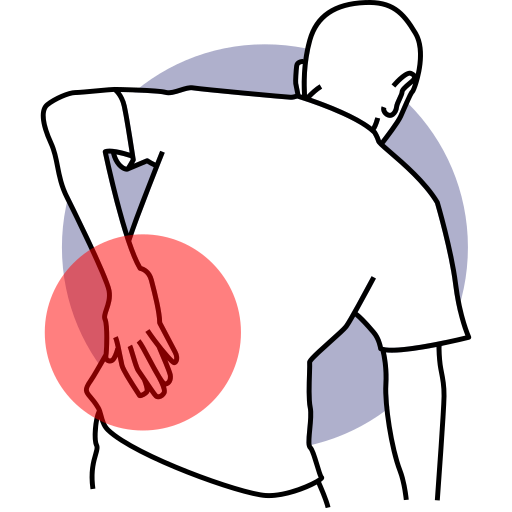
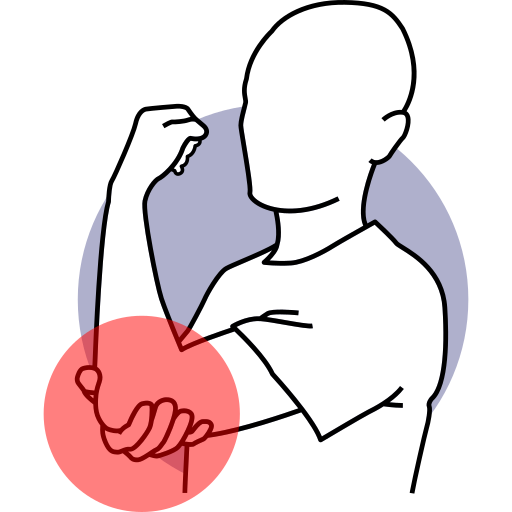
 Muscle spasms are a common concern for many people in Noida, often triggered by long working hours, poor posture, dehydration, stress, heavy lifting, or a sedentary lifestyle. These sudden and involuntary muscle contractions can affect the back, neck, shoulders, legs, or abdominal muscles, leading to pain and restricted movement. When muscle spasms recur or are left unaddressed, they can interfere with daily activities and increase the risk of muscle strain or injury. Physiotherapy for muscle spasm focuses on identifying the underlying cause and restoring normal muscle function through targeted, non-invasive treatment. For individuals searching for ‘muscle spasm physiotherapy near me’ in Noida, MAX@Home offers a structured physiotherapy approach designed to relieve discomfort, relax tight muscles, and reduce the likelihood of recurring spasms, supporting safer and more comfortable movement.
Types of Muscle Spasm
Muscle spasms can occur due to everyday posture habits, physical exertion, or underlying medical conditions. Identifying the type of muscle spasm helps physiotherapists recommend the most appropriate treatment. Common types of muscle spasms include:
Postural Muscle Spasm
Postural muscle spasms develop when certain muscles remain under constant strain due to prolonged sitting or poor posture. Over time, this sustained tension disrupts normal muscle function and triggers sudden tightening, commonly affecting people with desk-based routines.
- Causes: Prolonged sitting, poor posture, cervical strain
- Symptoms: Neck spasm, shoulder tightness, upper back discomfort
Exercise or Overuse-Related Muscle Spasm
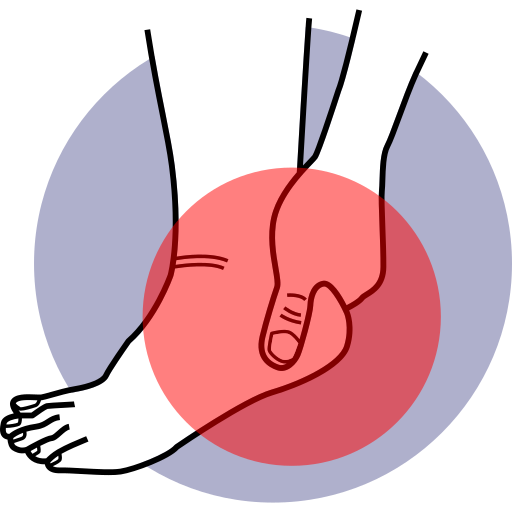
These spasms occur when muscles are overworked or not adequately prepared for activity. Sudden exertion, repetitive movements, or muscle fatigue can impair muscle relaxation, leading to cramps or tightening, especially after physical activity.
- Causes: Sudden strenuous activity, inadequate warm-up, muscle fatigue
- Symptoms: Calf cramps, thigh spasms, back muscle tightening
Stress-Induced Muscle Spasm
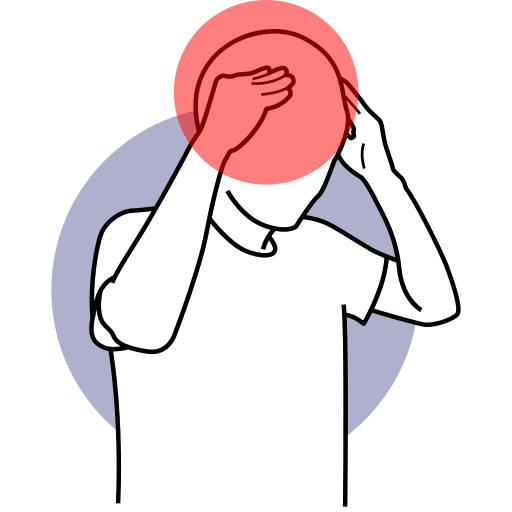
Stress-related muscle spasms are linked to prolonged mental tension that keeps muscles partially contracted. This commonly affects the neck, shoulders, and upper back, particularly when stress is combined with poor sleep or limited relaxation.
- Causes: High stress levels, anxiety, poor sleep patterns
- Symptoms: Upper back spasms, jaw tightness, neck muscle spasms
Medical Condition-related Muscle Spasm
Some muscle spasms result from underlying conditions that affect nerves, hydration, or muscle signalling. These spasms tend to recur or last longer and may be accompanied by movement restriction or persistent discomfort.
- Causes: Nerve compression, dehydration, electrolyte imbalance, spinal issues
- Symptoms: Recurrent spasms, prolonged pain, restricted movement
Who Should Seek Physiotherapy for Muscle Spasm in Noida
Physiotherapy for muscle spasm is beneficial for individuals experiencing pain, stiffness, or restricted movement due to sudden or recurring muscle tightening. Seeking timely physiotherapy can help relieve discomfort, improve mobility, and reduce the risk of repeat episodes. People who can benefit from muscle spasm treatment in Noida with MAX@Home include:
- People with sudden or recurring muscle spasms: Frequent or unexplained spasms may indicate muscle imbalance or overuse that requires targeted physiotherapy care.
- Office workers and work-from-home professionals: Long hours of sitting and poor ergonomics commonly lead to neck, shoulder, and back spasms.
- Athletes experiencing cramps or muscle tightness: Sports-related spasms caused by muscle fatigue or overuse benefit from stretching, strengthening, and recovery-focused therapy.
- Individuals with dehydration-related muscle spasms: Physiotherapy supports muscle recovery while addressing tightness caused by fluid or electrolyte imbalance.
- People with chronic back or neck spasms: Ongoing spasms often need structured treatment to restore flexibility and reduce strain.
- Individuals with nerve compression or spinal issues: Conditions affecting nerves or the spine can trigger repeated spasms that require specialised physiotherapy techniques.
- Elderly individuals with leg or calf muscle spasms: Age-related muscle weakness or circulation issues can be managed safely through guided therapy.
- Anyone experiencing pain due to poor posture or physical strain: Physiotherapy helps correct posture, ease muscle tension, and improve overall movement patterns.
Physiotherapy Treatment Options for Muscle Spasm in Noida
Physiotherapy treatment for muscle spasm focuses on relieving muscle tightness, reducing pain, and restoring normal movement. The approach is non-invasive and tailored to the location, severity, and underlying cause of the spasm. Common physiotherapy treatment options include:
- Manual therapy and deep tissue release: Hands-on techniques used to relax tight muscles, improve circulation, and reduce stiffness in affected areas.
- Trigger point therapy: Targets sensitive muscle knots that cause local or referred pain, helping release tension and restore muscle function.
- Myofascial release: Gentle sustained pressure applied to the fascia to improve muscle flexibility and reduce restriction.
- Guided stretching therapy: Structured stretches designed to reduce muscle tightness, improve range of motion, and prevent recurrence.
- Electrotherapy or TENS: Low-level electrical stimulation used to relieve pain and reduce muscle spasm.
- Ultrasound therapy: Uses sound waves to promote tissue healing and help reduce inflammation in deeper muscle layers.
- Heat therapy: Applied to relax muscles, improve blood flow, and ease chronic stiffness.
- Cryotherapy: Cold therapy is used to reduce swelling and manage acute pain or inflammation.
- Dry needling: Performed where clinically appropriate to release deep muscle trigger points and improve muscle activation.
- Strength and mobility training: Targeted exercises to support muscle balance, improve stability, and reduce the risk of future spasms.
Physiotherapy Exercises for Muscle Spasm
Therapist-guided exercises for muscle spasm focus on relieving tightness, improving flexibility, and preventing recurrence. Depending on the affected area, exercises may include:
- Neck and upper back stretches: Reduce tension in cervical and thoracic muscles, easing stiffness and discomfort.
- Hamstring and calf stretches: Target leg spasms and improve lower limb flexibility.
- Lower back rotation exercises: Promote spinal mobility and relieve paraspinal muscle tightness.
- Shoulder blade retraction exercises: Strengthen upper back muscles and reduce postural strain.
- Foam rolling for tight muscles: Self-myofascial release technique to relax knots and improve circulation.
- Deep breathing and relaxation techniques: Help manage stress-induced spasms and support overall muscle relaxation.
Benefits of Physiotherapy for Muscle Spasm
Physiotherapy offers targeted relief and long-term support for individuals experiencing muscle spasms. Key benefits include:
- Faster relief from muscle tightening and cramps: Immediate reduction in discomfort and tension.
- Reduced frequency of recurring muscle spasms: Helps prevent repeated episodes through muscle reconditioning.
- Improved muscle mobility and function: Restores normal movement patterns and strength.
- Reduced stress-related muscle spasms: Relaxation techniques and guided exercises alleviate tension caused by stress.
- Enhanced flexibility and posture: Corrects postural imbalances and supports healthy muscle alignment.
- Faster recovery after overuse or injury: Speeds up healing from strain or exercise-related spasms.
What to Expect During a Physiotherapy Session for Muscle Spasm
A physiotherapy session for muscle spasm at MAX@Home is designed to assess, treat, and support recovery in a safe and structured manner. Patients can expect:
- Detailed assessment of spasm location and severity: The physiotherapist examines affected muscles, posture, and movement patterns to identify the source of the spasm.
- Identification of trigger points: Specific areas of muscle tightness or knots are located to target therapy effectively.
- Customised hands-on therapy: Techniques such as manual therapy, trigger point release, or myofascial release are applied to relax tight muscles.
- Guided stretching and relaxation exercises: Patients are taught exercises to improve flexibility and relieve tension.
- Electrotherapy, if required: Low-level electrical stimulation or TENS may be used to reduce pain and promote muscle relaxation.
- At-home exercise guidance: Simple exercises and techniques are recommended to continue relief and prevent recurrence.
- Progress tracking and follow-up plan: The physiotherapist monitors improvements and adjusts the treatment plan over multiple sessions for optimal results.
Why Choose MAX@Home for Muscle Spasm Physiotherapy in Noida
MAX@Home provides professional physiotherapy services in Noida, offering effective relief and personalised care for muscle spasms. Key reasons to choose us include:
- Qualified and experienced physiotherapists: Skilled professionals ensure safe and effective treatment.
- Individualised treatment programmes: Therapy plans are tailored to each patient’s specific needs and muscle condition.
- Evidence-based physiotherapy techniques: All treatments are backed by clinical research and best practices.
- Modern physiotherapy equipment at MAX@Home Centres: Access to advanced tools ensures precise and efficient therapy.
- One-on-one supervised sessions: Patients receive personal attention and guidance throughout their treatment.
- Transparent and affordable pricing: Clear costs with no hidden charges for peace of mind.
- Trusted healthcare support from the Max Healthcare network: Patients benefit from a reliable and reputable healthcare network.
How to Book Physiotherapy for Muscle Spasm Near Me in Noida
Booking physiotherapy for muscle spasm in Noida with MAX@Home is simple and convenient. You can schedule your session directly through the MAX@Home website or by calling 9240299624. Our team will assist you in finding the right physiotherapist and session time to suit your needs.


Physiotherapy for Muscle Spasm in Top Cities
Physiotherapy for Muscle Spasm in Delhi
|
Physiotherapy for Muscle Spasm in Noida
|
Physiotherapy for Muscle Spasm in Gurgaon
|
Physiotherapy for Muscle Spasm in Faridabad
|
Physiotherapy for Muscle Spasm in Mumbai
|
Physiotherapy for Muscle Spasm in Dehradun
|
Physiotherapy for Muscle Spasm in Mohali
|
Physiotherapy for Muscle Spasm in Lucknow
|
Physiotherapy for Muscle Spasm in Panchkula
|
Physiotherapy for Muscle Spasm in Chandigarh
|
Physiotherapy for Muscle Spasm in Meerut
|
Physiotherapy for Muscle Spasm in Nagpur
|
Physiotherapy for Muscle Spasm in Greater Noida
|
Physiotherapy for Muscle Spasm in Ghaziabad
|
Physiotherapy for Muscle Spasm in Navi-Mumbai
|
Physiotherapy for Muscle Spasm in Thane
Physiotherapy for Muscle Spasm in Nearby Areas
Physiotherapy for Muscle Spasm in Sector 15
|
Physiotherapy for Muscle Spasm in Sector 18
|
Physiotherapy for Muscle Spasm in Sector 63
|
Physiotherapy for Muscle Spasm in Sector 1
|
Physiotherapy for Muscle Spasm in Sector 26
|
Physiotherapy for Muscle Spasm in Sector 27
|
Physiotherapy for Muscle Spasm in Sector 28
|
Physiotherapy for Muscle Spasm in Sector 3
|
Physiotherapy for Muscle Spasm in Sector 30
|
Physiotherapy for Muscle Spasm in Sector 31
|
Physiotherapy for Muscle Spasm in Sector 32
|
Physiotherapy for Muscle Spasm in Sector 33
|
Physiotherapy for Muscle Spasm in Sector 34
|
Physiotherapy for Muscle Spasm in Sector 35
|
Physiotherapy for Muscle Spasm in Sector 36
|
Physiotherapy for Muscle Spasm in Sector 5
|
Physiotherapy for Muscle Spasm in Sector 55
|
Physiotherapy for Muscle Spasm in Sector 6
|
Physiotherapy for Muscle Spasm in Sector 62A
|
Physiotherapy for Muscle Spasm in Sector 63A
|
Physiotherapy for Muscle Spasm in Sector 66
|
Physiotherapy for Muscle Spasm in Sector 68
|
Physiotherapy for Muscle Spasm in Sector 7
|
Physiotherapy for Muscle Spasm in Sector 70
|
Physiotherapy for Muscle Spasm in Sector 71
|
Physiotherapy for Muscle Spasm in Sector 72
|
Physiotherapy for Muscle Spasm in Sector 73
|
Physiotherapy for Muscle Spasm in Sector 74
|
Physiotherapy for Muscle Spasm in Sector 75
|
Physiotherapy for Muscle Spasm in Sector 76
|
Physiotherapy for Muscle Spasm in Sector 77
|
Physiotherapy for Muscle Spasm in Sector 78
|
Physiotherapy for Muscle Spasm in Sector 79
|
Physiotherapy for Muscle Spasm in Greater Noida
Best Spinal Cord Injury Specialist in Top Cities
Best Vestibular Rehab Physiotherapist in Top Cities
Best Spine physiotherapist in Top Cities
Best Manual Therapist in Top Cities
Best Lymphedema Therapist in Top Cities
Best Geriatric Physiotherapist in Top Cities
Best Joint Replacement Physiotherapist in Top Cities
Best Pediatric Physiotherapist in Top Cities
Best Cerebral Palsy Specialist in Top Cities
Best Post-Natal & Pelvic Floor Physiotherapist in Top Cities
Best Chest Physiotherapist in Top Cities
Best Stroke Rehabilitation Specialist in Top Cities
Best Sports Physiotherapist in Top Cities
Best Oncology Physiotherapist in Top Cities
Best Neuro Physiotherapist in Top Cities
Best Orthopedic Physiotherapist in Top Cities
Best Cardiac Physiotherapist in Top Cities
Best Physiotherapist in Top Cities
Best Parkinson’s Movement Physiotherapist in Top Cities
Best Female Physiotherapist in Top Cities
Physiotherapy Services by Conditions
Achilles Tendon Rupture Physiotherapy
|
Shoulder Impingement Physiotherapy
|
Chondromalacia Patella Physiotherapy
|
Disc Bulge Physiotherapy
|
Slipped Disc Physiotherapy
|
Hip Replacement Physiotherapy
|
Carpal Tunnel Syndrome Physiotherapy
|
Vertigo Physiotherapy
|
Frozen Shoulder Physiotherapy
|
Retrolisthesis Physiotherapy
|
Ankle Sprain Physiotherapy
|
Meralgia Paresthetica Physiotherapy
|
Cerebral Palsy Physiotherapy
|
Foot Drop Physiotherapy
|
Tendinitis Physiotherapy
|
Supraspinatus Tendinitis Physiotherapy
|
Trigger Finger Physiotherapy
|
Cervical Spondylosis Physiotherapy
|
Hemiplegia Physiotherapy
|
Congenital Talipes Equinovarus (CTEV) Physiotherapy
|
Lymphedema Physiotherapy
Top Physiotherapy Services
Physiotherapy in Lucknow
|
Physiotherapy in Nagpur
|
Physiotherapy in Gwalior
|
Physiotherapy in Jaipur
|
Physiotherapy in Delhi
|
Physiotherapy in Rishikesh
|
Physiotherapy in Patna
|
Physiotherapy in Nawanshahr
|
Physiotherapy in Mumbai
|
Physiotherapy in Prayagraj
|
Physiotherapy in Kalyan
|
Physiotherapy in Meerut
|
Physiotherapy in Noida
|
Physiotherapy in Pune
|
Physiotherapy in Aligarh
|
Physiotherapy in Gurgaon
|
Physiotherapy in Faridabad
|
Physiotherapy in Chandigarh
|
Physiotherapy in Haridwar
|
Physiotherapy in Jalandhar
|
Physiotherapy in Zirakpur
|
Physiotherapy in Mussorie
|
Physiotherapy in Panchkula
|
Physiotherapy in Moradabad
|
Physiotherapy in Mathura
|
Physiotherapy in Jhansi
|
Physiotherapy in Thane
|
Physiotherapy in Navi-Mumbai
|
Physiotherapy in Varanasi
|
Physiotherapy in Mira Bhayandar
|
Physiotherapy in Greater Noida
|
Physiotherapy in Mohali
|
Physiotherapy in Ghaziabad
|
Physiotherapy in Dehradun
|
Physiotherapy in Amritsar
|
Physiotherapy in Sonipat
Other Popular Services
Covid Care Services
|
Healthcare Attendant at Home
|
X-RAY At Home
|
ICU Setup At Home
|
Physiotherapy At Home
|
Nursing Care At Home
|
Medical Equipment @HOME
|
Nursing Procedure at Home
|
MAX Lab Tests
|
Speech Therapy at Home
|
Japa Maid Service
|
Sleep Study Test
|
Holter Monitor Test
|
Ambulatory Blood Pressure Monitoring (ABPM)
|
ECG At Home
|
Doctor Visit At Home
|
Dialysis at Home
|
Elderly Caretaker Services
|
Arterial Blood Gas (ABG) Test
|
Injection Service at Home
|
Female Nurse for 12/24 Hour Homecare
|
Voice Therapy
|
Oncotype DX Breast Cancer Test
|
Home Ventilator Service for Safe & Reliable Care
|
Occupational Health Services